English
- Afrikaans
- Albanian
- Amharic
- Arabic
- Armenian
- Azerbaijani
- Basque
- Belarusian
- Bengali
- Bosnian
- Bulgarian
- Catalan
- Cebuano
- Corsican
- Croatian
- Czech
- Danish
- Dutch
- English
- Esperanto
- Estonian
- Finnish
- French
- Frisian
- Galician
- Georgian
- German
- Greek
- Gujarati
- Haitian Creole
- hausa
- hawaiian
- Hebrew
- Hindi
- Miao
- Hungarian
- Icelandic
- igbo
- Indonesian
- irish
- Italian
- Japanese
- Javanese
- Kannada
- kazakh
- Khmer
- Rwandese
- Korean
- Kurdish
- Kyrgyz
- Lao
- Latin
- Latvian
- Lithuanian
- Luxembourgish
- Macedonian
- Malgashi
- Malay
- Malayalam
- Maltese
- Maori
- Marathi
- Mongolian
- Myanmar
- Nepali
- Norwegian
- Norwegian
- Occitan
- Pashto
- Persian
- Polish
- Portuguese
- Punjabi
- Romanian
- Russian
- Samoan
- Scottish Gaelic
- Serbian
- Sesotho
- Shona
- Sindhi
- Sinhala
- Slovak
- Slovenian
- Somali
- Spanish
- Sundanese
- Swahili
- Swedish
- Tagalog
- Tajik
- Tamil
- Tatar
- Telugu
- Thai
- Turkish
- Turkmen
- Ukrainian
- Urdu
- Uighur
- Uzbek
- Vietnamese
- Welsh
- Bantu
- Yiddish
- Yoruba
- Zulu

Telephone: +86 13120555503
Email: frank@cypump.com


Apr . 01, 2024 17:55 Back to list
Sewage Pumps Material Science
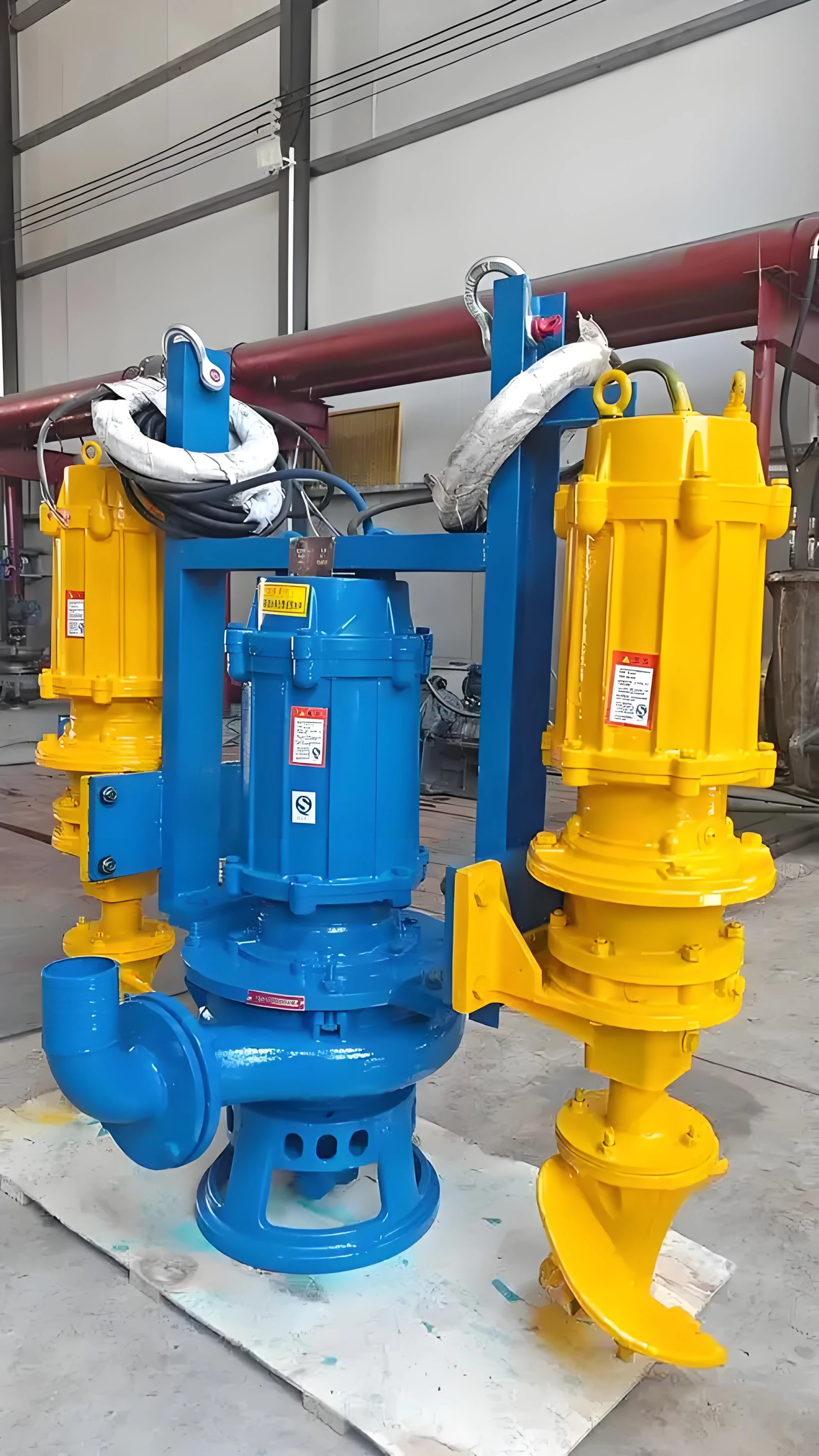
Introduction
Sewage pumps, integral components of wastewater management systems, are designed to efficiently transfer wastewater, solids-laden fluids, and sludge. These pumps operate within a broad range of applications, from residential septic systems and commercial building drainage to municipal wastewater treatment plants and industrial effluent handling. Their technical position in the industry chain falls between fluid handling equipment manufacturers and the end-users requiring reliable wastewater conveyance. Core performance metrics for sewage pumps center around hydraulic efficiency, solids handling capability, abrasion resistance, and operational reliability, all crucial for mitigating downtime and maintaining environmental compliance. Unlike centrifugal pumps designed for clean fluids, sewage pumps incorporate specialized impeller designs and robust construction to handle abrasive and potentially corrosive substances, offering a vital service in maintaining public health and environmental safety. The increasing demands for sustainable water management and stricter discharge regulations drive continued innovation in sewage pump technology, focusing on energy efficiency, reduced maintenance requirements, and improved overall system performance.
Material Science & Manufacturing
The materials employed in sewage pump construction are paramount to ensuring longevity and performance in harsh environments. Impellers and casings are frequently constructed from high-grade cast iron (ASTM A48 Class 30) due to its cost-effectiveness, wear resistance, and machinability. However, for more aggressive fluids or highly abrasive slurries, stainless steel alloys (specifically 304, 316, or duplex stainless steels – ASTM A992) are preferred, offering superior corrosion resistance. Shafts are typically manufactured from high-strength alloy steel (4140 or 4340 – ASTM A370), heat-treated for enhanced tensile strength and fatigue resistance. Seals are a critical component, utilizing materials like silicon carbide (SiC) and tungsten carbide (WC) against hardened stainless steel to create a robust barrier against leakage. Manufacturing processes vary depending on component complexity. Casings are often produced via sand casting or investment casting, ensuring accurate dimensions and smooth internal surfaces to minimize hydraulic losses. Impellers are typically manufactured using centrifugal casting or forging, followed by precision machining. Welding processes (SMAW, GMAW, or SAW – AWS D1.1) are employed for joining various components, requiring strict quality control to ensure structural integrity and prevent corrosion initiation. The impeller's vane geometry is meticulously designed using computational fluid dynamics (CFD) analysis to optimize hydraulic efficiency and solids handling capabilities. Parameter control during manufacturing includes maintaining precise tolerances on impeller clearances, shaft runout, and casing dimensions. Heat treatment processes are also critical, ensuring the appropriate hardness and ductility of metallic components.
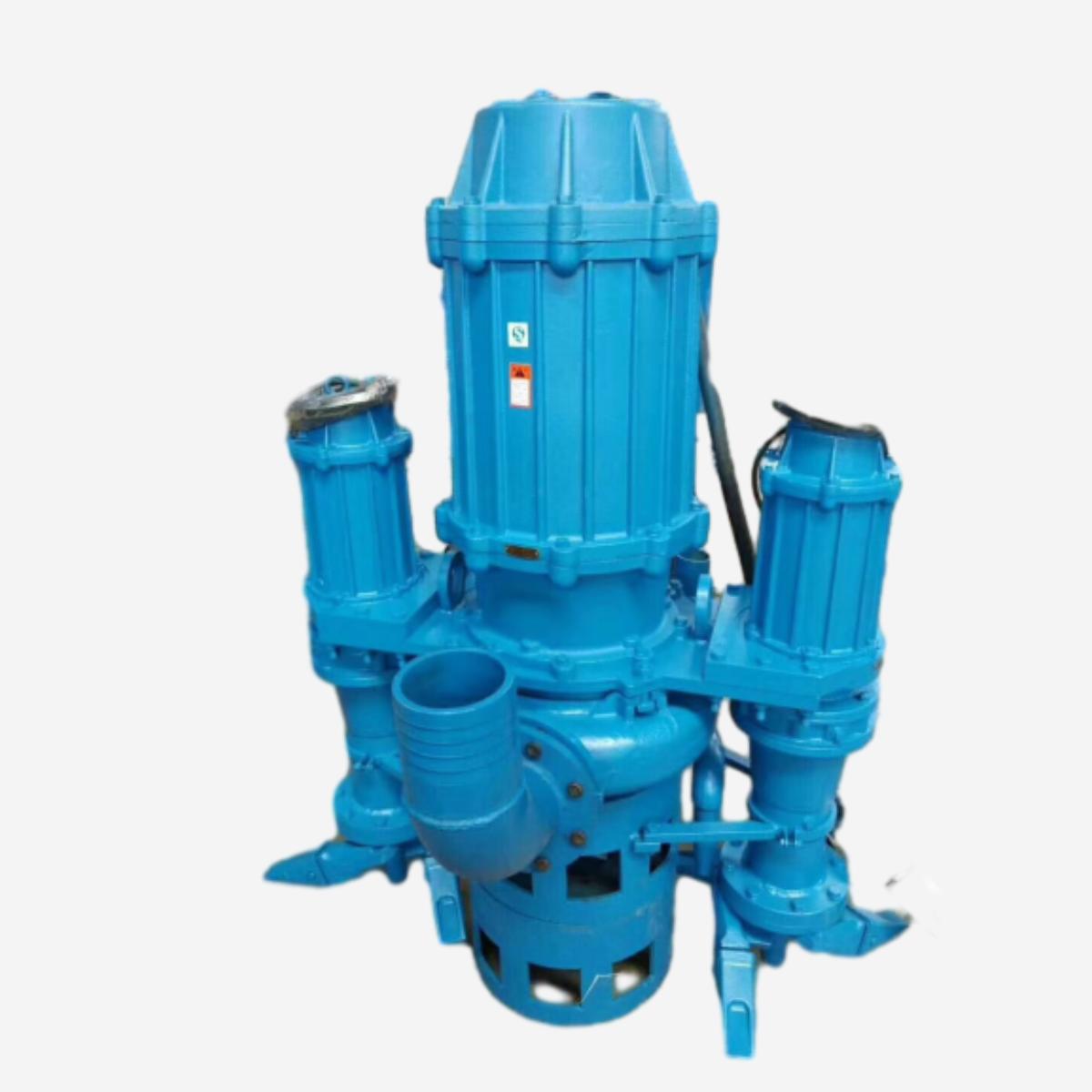
Performance & Engineering
Sewage pump performance is characterized by several key engineering considerations. Hydraulic performance, expressed as head (meters) versus flow rate (m³/h), is governed by impeller design, casing geometry, and rotational speed. Force analysis is crucial, particularly concerning radial and axial loads imposed on the shaft and bearings due to fluid pressure and impeller imbalance. Bearing selection (typically deep-groove ball bearings or cylindrical roller bearings – ISO 281) must account for these loads and ensure adequate fatigue life. Environmental resistance is a significant factor. Pumps operating in corrosive environments require materials with high corrosion allowance and protective coatings (epoxy or polyurethane – ASTM D3359). Compliance requirements vary by region but often include energy efficiency standards (IE3 or IE4 motors – IEC 60034-30) and safety certifications (CE, UL). Submersible pumps, widely used in sewage applications, require robust sealing systems and pressure compensation mechanisms to prevent water ingress and maintain reliable operation. Non-clogging designs, featuring open or recessed impellers, are essential for handling solids-laden fluids without blockage. Pump selection also hinges on Net Positive Suction Head Required (NPSHr) calculations to prevent cavitation and ensure stable pump operation. Proper piping design, incorporating adequately sized suction and discharge pipes and minimizing bends, is essential for maximizing pump efficiency and preventing premature wear. Variable Frequency Drives (VFDs) are increasingly employed to optimize pump performance based on varying flow demands, reducing energy consumption and minimizing stress on the pump components.
Technical Specifications
| Parameter | Unit | Typical Range (Residential) | Typical Range (Municipal) |
|---|---|---|---|
| Flow Rate | m³/h | 0.5 – 5 | 5 – 150 |
| Total Head | m | 5 – 20 | 20 – 60 |
| Motor Power | kW | 0.75 – 2.2 | 2.2 – 150 |
| Solids Handling | mm | Up to 25 | Up to 75 |
| Impeller Material | - | Cast Iron | Stainless Steel (304/316) |
| Casing Material | - | Cast Iron | Stainless Steel (304/316) |
Failure Mode & Maintenance
Sewage pumps are susceptible to several failure modes. Fatigue cracking in the impeller, particularly near the blades, can occur due to cyclical stress from fluid flow and solids impact. Corrosion, especially in cast iron components, leads to material degradation and loss of structural integrity. Abrasion from suspended solids causes wear on the impeller and casing, reducing hydraulic efficiency. Seal failure results in leakage and potential motor damage. Bearing failure, often manifested as excessive noise or vibration, can be caused by inadequate lubrication, contamination, or overload. Winding failure in the motor, resulting from overheating or insulation breakdown, leads to pump shutdown. To mitigate these failures, a robust maintenance program is crucial. Regular visual inspections should identify signs of corrosion, wear, or leakage. Lubrication of bearings should be performed according to manufacturer's recommendations (using appropriate greases – NLGI grades). Impeller and casing should be inspected for wear and replaced when necessary. Seal replacement should be conducted proactively, based on operating hours or observed leakage. Motor winding insulation resistance should be tested periodically (using a megohmmeter – IEEE 43) to detect insulation degradation. Regularly flushing the pump with clean water can help remove accumulated solids and prevent blockage. Vibration analysis can provide early warning of bearing or impeller imbalances. Preventive maintenance, including scheduled inspections and component replacements, significantly extends pump life and minimizes downtime.
Industry FAQ
Q: What is the impact of solids size and concentration on pump selection?
A: Higher solids size and concentration necessitate pumps with larger impeller passages and robust wear-resistant materials. The pump's solids handling capability, expressed in millimeters, must exceed the maximum particle size expected in the wastewater. Increased solids concentration can also reduce pump efficiency and accelerate wear, requiring more frequent maintenance.
Q: How does the specific gravity of the pumped fluid affect pump performance?
A: Higher specific gravity fluids require more power to pump, resulting in a lower flow rate and increased energy consumption for a given pump. Pump curves are typically provided for water (specific gravity of 1.0). Adjustments must be made to the pump curve based on the actual fluid specific gravity to accurately predict performance.
Q: What are the advantages and disadvantages of submersible versus dry-installed sewage pumps?
A: Submersible pumps offer self-priming capabilities, reduced noise, and eliminate the need for separate pump rooms. However, they are more difficult to access for maintenance and repair. Dry-installed pumps are easier to maintain but require priming and a dedicated pump room. They also tend to be louder.
Q: How important is the NPSH margin when selecting a sewage pump?
A: The NPSH margin is critical to prevent cavitation, which can damage the impeller and reduce pump efficiency. The available NPSH (NPSHa) must always exceed the pump’s NPSHr by a sufficient margin (typically 0.5-1 meter) to ensure stable operation. Insufficient NPSH margin can lead to noisy operation and rapid pump failure.
Q: What are the key considerations for selecting a pump material in a highly corrosive environment?
A: In corrosive environments, stainless steel alloys (316 or duplex stainless steel) are preferred over cast iron. Consideration should also be given to coatings (epoxy or polyurethane) to provide additional corrosion protection. Material compatibility charts should be consulted to ensure the pump materials are resistant to the specific chemicals present in the wastewater.
Conclusion
Sewage pumps represent a critical, yet often overlooked, component of modern infrastructure, effectively managing the conveyance of wastewater and protecting public health. The selection, implementation, and maintenance of these pumps necessitate a detailed understanding of material science, hydraulic engineering, and operational considerations. A holistic approach, factoring in fluid characteristics, environmental conditions, and regulatory compliance, is essential for achieving optimal performance and minimizing lifecycle costs.
Future advancements in sewage pump technology will likely focus on enhanced energy efficiency through improved impeller designs and variable speed drives, predictive maintenance enabled by sensor integration and data analytics, and the development of more robust and corrosion-resistant materials. Continued innovation in this field is vital for meeting the growing demands of sustainable water management and ensuring the long-term reliability of wastewater infrastructure.
-
Comprehensive Guide to Waterproof ORings for Optimal Sealing Solutions
News2026-06-09
-
heavy duty submersible pump Performance Analysis
News2026-06-25
-
best submersible pump for septic tank Performance Analysis
News2026-06-25
-
basement sewer ejector pump Performance Analysis
News2026-06-25
-
basement pumps ejector pumps Performance Analysis
News2026-06-25
-
basement lift pump Performance and Engineering
News2026-06-25
-
basement bathroom pump systems Performance Analysis
News2026-06-24
-
basement bathroom ejector pump system Performance Engineering
News2026-06-24
-
2 hp sewage pump Performance Engineering
News2026-06-24
-
1 hp septic pump Performance Engineering
News2026-06-24
-
submersible effluent pump Performance Analysis
News2026-06-24
-
submergable pump Material Science
News2026-06-23
-
sewer injection pump Performance Engineering
News2026-06-23
-
Sewer Ejector Pump System Performance Analysis
News2026-06-23
-
septic tank pump for sale Performance Engineering
News2026-06-23




