English
- Afrikaans
- Albanian
- Amharic
- Arabic
- Armenian
- Azerbaijani
- Basque
- Belarusian
- Bengali
- Bosnian
- Bulgarian
- Catalan
- Cebuano
- Corsican
- Croatian
- Czech
- Danish
- Dutch
- English
- Esperanto
- Estonian
- Finnish
- French
- Frisian
- Galician
- Georgian
- German
- Greek
- Gujarati
- Haitian Creole
- hausa
- hawaiian
- Hebrew
- Hindi
- Miao
- Hungarian
- Icelandic
- igbo
- Indonesian
- irish
- Italian
- Japanese
- Javanese
- Kannada
- kazakh
- Khmer
- Rwandese
- Korean
- Kurdish
- Kyrgyz
- Lao
- Latin
- Latvian
- Lithuanian
- Luxembourgish
- Macedonian
- Malgashi
- Malay
- Malayalam
- Maltese
- Maori
- Marathi
- Mongolian
- Myanmar
- Nepali
- Norwegian
- Norwegian
- Occitan
- Pashto
- Persian
- Polish
- Portuguese
- Punjabi
- Romanian
- Russian
- Samoan
- Scottish Gaelic
- Serbian
- Sesotho
- Shona
- Sindhi
- Sinhala
- Slovak
- Slovenian
- Somali
- Spanish
- Sundanese
- Swahili
- Swedish
- Tagalog
- Tajik
- Tamil
- Tatar
- Telugu
- Thai
- Turkish
- Turkmen
- Ukrainian
- Urdu
- Uighur
- Uzbek
- Vietnamese
- Welsh
- Bantu
- Yiddish
- Yoruba
- Zulu

Telephone: +86 13120555503
Email: frank@cypump.com


Apr . 01, 2024 17:55 Back to list
sewage pumps for septic tanks Material Science and Manufacturing
Introduction
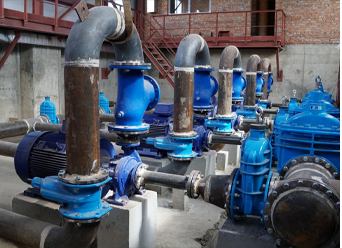
Sewage pumps for septic tanks are submersible pumps specifically designed to transfer wastewater from septic tanks to drain fields or other treatment systems. They occupy a critical position in decentralized wastewater management, particularly in areas lacking centralized sewer infrastructure. Unlike standard centrifugal pumps, septic tank pumps are engineered to handle solids-laden wastewater containing fibrous materials, greases, and inorganic debris common in domestic sewage. Core performance characteristics include flow rate (gallons per minute or liters per second), total dynamic head (TDH – the maximum height the pump can lift the fluid), and solids handling capability (maximum sphere size the pump can pass without clogging). A significant industry pain point revolves around pump failure due to abrasive wear, clogging, and corrosion, leading to costly repairs and potential environmental contamination. This guide provides an in-depth technical overview of sewage pumps for septic tanks, covering material science, manufacturing, performance, failure modes, and relevant standards.
Material Science & Manufacturing
The construction of septic tank pumps heavily relies on materials resistant to corrosion and abrasion. Pump housings are commonly manufactured from cast iron (ASTM A48 Class 30), stainless steel (typically 304 or 316 for enhanced corrosion resistance), or engineered polymers (such as polypropylene or high-density polyethylene - HDPE). Impellers, responsible for fluid movement, utilize similar materials, with hardened stainless steel often favored for its durability in handling abrasive solids. Shafts are typically constructed from 4140 alloy steel, heat-treated for increased strength and resistance to torsional stress. Seals are crucial for preventing leakage and are commonly composed of silicon carbide (SiC) or tungsten carbide (WC) mechanical seals, providing exceptional wear resistance. Manufacturing processes involve several key stages: casting or molding of the housing, machining of internal components (impeller, diffuser), shaft assembly, and final pump assembly. Critical parameter control during manufacturing includes impeller balancing to minimize vibration, dimensional accuracy of the housing to ensure proper sealing, and meticulous quality control of the mechanical seal to prevent premature failure. Welding processes (SMAW or GMAW) are employed for stainless steel housings, requiring skilled technicians and adherence to AWS D1.1 standards. Polymer housings are often produced via injection molding, necessitating precise temperature and pressure control to avoid warping or defects. The choice of elastomeric materials (e.g., nitrile rubber, EPDM) for hoses and diaphragms is critical, evaluating chemical resistance to components of sewage and longevity to prevent cracking.
Performance & Engineering
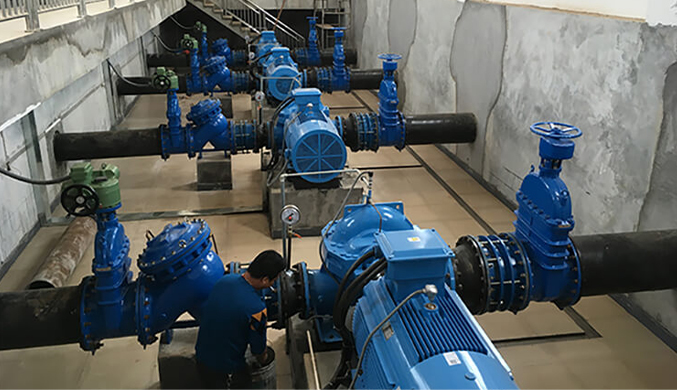
Performance of septic tank pumps is fundamentally governed by hydraulic principles, specifically Bernoulli's equation and the affinity laws. Force analysis considers both static head (vertical distance between pump and discharge point) and friction losses within the piping system. Environmental resistance is paramount, as pumps operate in a continuously moist, corrosive environment. Corrosion prevention strategies include material selection (as described above) and the application of protective coatings (epoxy or polyurethane) to metallic components. Compliance requirements vary based on regional regulations. In the United States, pumps must meet EPA standards for wastewater treatment and discharge. Electrical components must conform to UL 508A standards for industrial control panels. Functional implementation hinges on proper pump sizing. Undersized pumps will struggle to maintain flow during peak demand, leading to system backups. Oversized pumps are inefficient and can contribute to solids settling within the piping. Pump curves, providing flow rate versus head performance, are essential for selecting the appropriate pump. The pump’s motor must be suitably rated for continuous submerged operation, typically utilizing Class H insulation. Furthermore, pump selection should account for the expected frequency of start/stop cycles to avoid motor overheating. Analyzing potential cavitation (formation of vapor bubbles reducing pump efficiency) is crucial, requiring sufficient net positive suction head available (NPSHA) to exceed the net positive suction head required (NPSHR).
Technical Specifications
| Parameter | Units | Typical Range (Residential) | Typical Range (Commercial) |
|---|---|---|---|
| Flow Rate | GPM (Gallons Per Minute) | 20-60 | 100-300 |
| Total Dynamic Head (TDH) | Feet | 10-30 | 30-100 |
| Motor Horsepower | HP | 1/2 - 1 | 1 - 5 |
| Solids Handling Capability | Inches | Up to 2 | Up to 3 |
| Impeller Type | - | Vortex or Recessed | Vortex, Recessed, or Cutter |
| Power Supply | Volts | 120/240V, 60Hz | 208/230/460V, 60Hz |
Failure Mode & Maintenance
Septic tank pumps are susceptible to several failure modes. Fatigue cracking in the impeller or housing can occur due to cyclical loading and stress corrosion cracking. Clogging, caused by fibrous materials or inorganic debris, is a common issue, leading to reduced flow and potential motor overload. Delamination of polymer housings can occur due to UV exposure or chemical attack. Degradation of mechanical seals results in leakage and reduced pump efficiency. Oxidation of metallic components accelerates corrosion. Preventive maintenance is crucial. Regular inspection of the pump intake for debris is essential. Annual flushing of the septic tank removes accumulated solids. Periodic monitoring of the pump’s electrical connections prevents corrosion and ensures proper operation. Lubrication of bearings (if applicable) reduces friction and wear. In the event of failure, a thorough failure analysis should be conducted to identify the root cause. Impeller replacement is common for worn or damaged units. Seal replacement addresses leakage issues. For severe corrosion, complete pump replacement may be necessary. Proper pump storage during periods of inactivity prevents corrosion and extends service life. Utilizing a pump controller with automatic start/stop functionality and overload protection extends pump lifespan.
Industry FAQ
Q: What is the difference between a vortex and a recessed impeller pump for septic applications?
A: Vortex impellers utilize a rotating shroud to create a vortex, drawing wastewater into the pump without directly contacting the impeller blades. This reduces wear and clogging but typically has lower efficiency. Recessed impellers are partially recessed within the pump housing, offering a compromise between efficiency and solids handling. Vortex impellers are ideal for systems with high solids content, while recessed impellers are suitable for cleaner wastewater streams.
Q: How do I determine the correct pump size for my septic system?
A: Pump sizing requires calculating the total dynamic head (TDH), considering static lift, friction losses in piping, and pressure requirements. You also need to estimate the peak flow rate based on the number of bedrooms/occupants in the household or the estimated wastewater generation rate for commercial applications. Consult pump curves and manufacturer’s recommendations to select a pump that meets these requirements.
Q: What are the common causes of premature pump failure?
A: Common causes include clogging due to solids, corrosion from aggressive wastewater components, dry running (operation without sufficient liquid), voltage fluctuations, and improper electrical grounding. Regular maintenance and adherence to manufacturer’s guidelines can significantly reduce the risk of premature failure.
Q: How important is the pump's material of construction?
A: Material selection is crucial for longevity. Cast iron is cost-effective but susceptible to corrosion. Stainless steel (304 or 316) provides superior corrosion resistance. Engineered polymers are lightweight and corrosion-resistant but may have lower mechanical strength. Choose materials appropriate for the specific wastewater composition and operating environment.
Q: What safety precautions should be taken when installing and maintaining a septic tank pump?
A: Always disconnect power before performing any maintenance. Wear appropriate personal protective equipment (PPE), including gloves and eye protection. Ensure the pump is properly grounded to prevent electrical shock. Follow local electrical codes and regulations. Be aware of the potential for hazardous gases in the septic tank and ensure adequate ventilation.
Conclusion
Sewage pumps for septic tanks represent a vital component in decentralized wastewater treatment, demanding careful consideration of material science, engineering principles, and operational factors. The selection and implementation of these pumps require a thorough understanding of hydraulic performance, environmental resistance, and potential failure modes. Proper pump sizing, material selection, and preventive maintenance are essential for ensuring long-term reliability and minimizing life-cycle costs.
Future trends in septic pump technology include the development of more energy-efficient motors, advanced impeller designs to improve solids handling, and the integration of smart sensors and remote monitoring capabilities for proactive maintenance. Adhering to relevant industry standards and regulations is paramount for ensuring safe and effective operation, protecting both human health and the environment.
-
sewer pump for basement Material Science Manufacturing
News2026-05-29
-
sewage sump pumps Performance and Engineering
News2026-05-29
-
sewage pumps for septic tanks Material Science and Manufacturing
News2026-05-29
-
Sewage Pumping Companies Performance Analysis
News2026-05-29
-
Sewage Pump Manufacturers Performance Engineering
News2026-05-29
-
sewage pump for basement Performance and Engineering
News2026-05-28
-
Sewage Pump Companies Performance Analysis
News2026-05-28
-
Sewage Pit and Pump Performance Analysis
News2026-05-28
-
Sewage Lift Pumps Material Science
News2026-05-28
-
Sewage Ejector Tank Material Science and Manufacturing
News2026-05-28
-
sewage effluent pumps Material Science Manufacturing
News2026-05-27
-
septic tank effluent pump Performance Analysis
News2026-05-27
-
Septic Sewer Pump Performance Analysis
News2026-05-27
-
septic sewage pumps Performance Analysis
News2026-05-27
-
septic sewage pump Material Science and Manufacturing
News2026-05-27




