English
- Afrikaans
- Albanian
- Amharic
- Arabic
- Armenian
- Azerbaijani
- Basque
- Belarusian
- Bengali
- Bosnian
- Bulgarian
- Catalan
- Cebuano
- Corsican
- Croatian
- Czech
- Danish
- Dutch
- English
- Esperanto
- Estonian
- Finnish
- French
- Frisian
- Galician
- Georgian
- German
- Greek
- Gujarati
- Haitian Creole
- hausa
- hawaiian
- Hebrew
- Hindi
- Miao
- Hungarian
- Icelandic
- igbo
- Indonesian
- irish
- Italian
- Japanese
- Javanese
- Kannada
- kazakh
- Khmer
- Rwandese
- Korean
- Kurdish
- Kyrgyz
- Lao
- Latin
- Latvian
- Lithuanian
- Luxembourgish
- Macedonian
- Malgashi
- Malay
- Malayalam
- Maltese
- Maori
- Marathi
- Mongolian
- Myanmar
- Nepali
- Norwegian
- Norwegian
- Occitan
- Pashto
- Persian
- Polish
- Portuguese
- Punjabi
- Romanian
- Russian
- Samoan
- Scottish Gaelic
- Serbian
- Sesotho
- Shona
- Sindhi
- Sinhala
- Slovak
- Slovenian
- Somali
- Spanish
- Sundanese
- Swahili
- Swedish
- Tagalog
- Tajik
- Tamil
- Tatar
- Telugu
- Thai
- Turkish
- Turkmen
- Ukrainian
- Urdu
- Uighur
- Uzbek
- Vietnamese
- Welsh
- Bantu
- Yiddish
- Yoruba
- Zulu

Telephone: +86 13120555503
Email: frank@cypump.com


Apr . 01, 2024 17:55 Back to list
Sewage Pumping System Performance Analysis
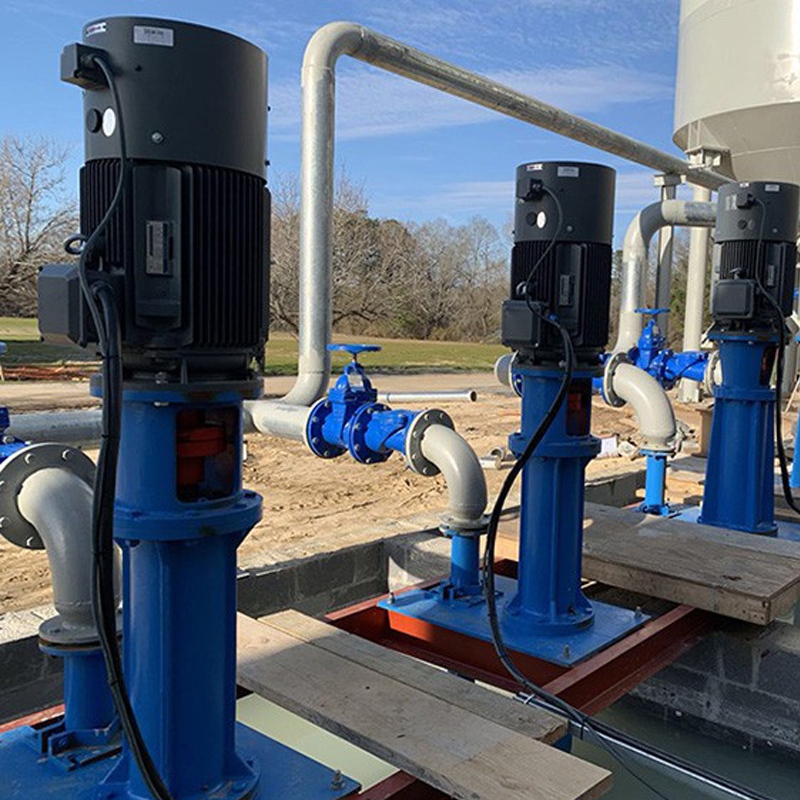
Introduction
Sewage pumping systems are integral to modern wastewater management, responsible for the conveyance of domestic, commercial, and industrial effluent from collection points to treatment facilities. Positioned within the broader municipal infrastructure chain, these systems overcome gravity limitations and maintain flow in areas where natural gradients are insufficient. Core performance metrics revolve around pumping capacity (gallons per minute or liters per second), total dynamic head (TDH), efficiency (hydraulic and electrical), reliability (Mean Time Between Failures - MTBF), and adherence to stringent environmental regulations concerning leakage and noise pollution. The selection and implementation of a sewage pumping system necessitate a thorough understanding of hydraulic characteristics, fluid mechanics, electrical power requirements, and long-term operational costs. This guide will provide an in-depth technical examination of sewage pumping, covering materials science, manufacturing processes, performance engineering, failure modes, and industry best practices.
Material Science & Manufacturing
The core components of a sewage pumping system – impellers, casings, volutes, diffusers, and piping – are typically constructed from materials selected for their corrosion resistance, abrasion resistance, and structural integrity. Cast iron (ASTM A48 Class 30) remains a common material for casings and volutes due to its cost-effectiveness and machinability, however, it necessitates protective coatings (epoxy, fusion-bonded epoxy – FBE) to mitigate corrosion from hydrogen sulfide and other corrosive elements present in sewage. Stainless steel (304, 316, and duplex grades - ASTM A992) is increasingly preferred for impellers and components exposed to abrasive solids due to its superior corrosion resistance and mechanical strength. Polymers, such as high-density polyethylene (HDPE) and polypropylene (PP), are used in piping systems and some pump components where chemical compatibility and lightweight characteristics are critical. Manufacturing processes include centrifugal casting for impellers, sand casting for casings, and rotational molding for HDPE pipes. Critical parameters during manufacturing include dimensional accuracy (to ensure proper impeller-casing clearances), surface finish (to minimize friction losses), and weld quality (for joined components, adhering to AWS D1.1 standards). The selection of elastomer materials (e.g., nitrile rubber, Viton) for seals and O-rings is crucial, considering their chemical resistance to the specific sewage composition and temperature ranges. Failure to adequately control these parameters during manufacturing can lead to premature failure due to cavitation, erosion, or material degradation.
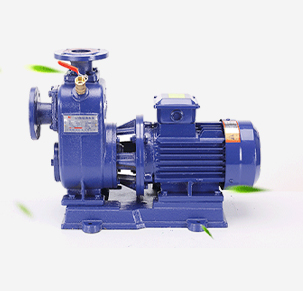
Performance & Engineering
Pump performance is governed by fundamental principles of fluid mechanics, notably Bernoulli’s equation and the affinity laws. Key engineering considerations include Net Positive Suction Head Required (NPSHr), which dictates the minimum pressure required at the pump inlet to prevent cavitation. Cavitation occurs when the absolute pressure falls below the vapor pressure of the liquid, forming vapor bubbles that collapse, causing pitting and erosion of the impeller. System Head Loss calculations are essential, accounting for friction losses in pipes, fittings, valves, and elevation changes. Pump curves (Head vs. Capacity) are used to select a pump that meets the required flow rate and TDH for the specific application. Variable Frequency Drives (VFDs) are frequently employed to modulate pump speed, optimizing energy consumption and maintaining stable pressure in the system, complying with energy efficiency standards such as those outlined by Hydraulic Institute standards. Force analysis is crucial in pump design, particularly in the impeller and shaft, to prevent fatigue failure under cyclic loading. Environmental resistance necessitates consideration of ambient temperature, humidity, and potential exposure to corrosive atmospheres. Compliance with environmental regulations (e.g., noise limits defined by EPA standards, discharge permits) is paramount. Furthermore, hydraulic modeling software (e.g., SWMM) is employed to simulate system performance and identify potential bottlenecks or vulnerabilities.
Technical Specifications
| Parameter | Centrifugal Pump (Typical) | Positive Displacement Pump (Typical) | Submersible Pump (Typical) | Diaphragm Pump (Typical) |
|---|---|---|---|---|
| Flow Rate (GPM) | 50 – 5,000 | 10 – 250 | 100 – 10,000 | 5 – 100 |
| Total Dynamic Head (ft) | 50 – 300 | 100 – 400 | 10 – 150 | 0 – 100 |
| Pump Efficiency (%) | 65 – 85 | 70 – 80 | 60 – 75 | 30-60 |
| Motor Power (HP) | 5 – 200 | 1 – 25 | 10 – 100 | 0.5 – 5 |
| Solids Handling Capacity (in) | 2 | 0.5 | 3 | 0.25 |
| Maximum Operating Temperature (°F) | 212 | 194 | 212 | 180 |
Failure Mode & Maintenance
Sewage pumps are susceptible to a range of failure modes. Cavitation, as previously discussed, leads to impeller erosion. Abrasion from solids causes wear on impellers, casings, and seals. Corrosion, particularly in systems handling corrosive sewage, degrades material integrity. Bearing failure results from inadequate lubrication, misalignment, or excessive loading. Winding failure in electric motors is often caused by overheating, moisture ingress, or voltage imbalances. Seal failures lead to leakage and reduced pump efficiency. Blockage due to rags, debris, or sludge accumulation can stall the pump and cause motor overload. Preventative maintenance is critical, including regular inspection of impellers, casings, and seals for wear; lubrication of bearings; monitoring motor winding insulation resistance; and clearing blockages. Vibration analysis can detect early signs of bearing failure or impeller imbalance. Routine cleaning of wet wells and suction lines prevents debris accumulation. Scheduled replacement of wear parts (seals, O-rings, impellers) based on operating hours and inspection findings extends pump life. Non-destructive testing methods (e.g., ultrasonic testing) can assess material thickness and detect corrosion damage. Proper documentation of maintenance activities is essential for tracking performance and identifying recurring issues.
Industry FAQ
Q: What are the key considerations when selecting a pump for handling sewage with high solids content?
A: When handling sewage with high solids content, the pump type must be capable of handling abrasive materials without clogging. Positive displacement pumps (e.g., progressive cavity pumps) are often preferred for their ability to handle viscous fluids and solids. If a centrifugal pump is used, it should have a recessed impeller design to minimize clogging and a robust construction to withstand abrasion. The solids handling capacity of the pump must be carefully matched to the expected solids content of the sewage.
Q: How does NPSHr impact pump performance and what steps can be taken to mitigate cavitation?
A: Insufficient NPSHr leads to cavitation, reducing pump efficiency and causing impeller damage. To mitigate cavitation, ensure the static suction head is adequate, minimize suction pipe losses, and elevate the pump relative to the liquid level. Consider using a larger diameter suction pipe or reducing the flow velocity. Careful system design is crucial.
Q: What are the benefits of using VFDs in sewage pumping applications?
A: VFDs provide significant benefits, including energy savings by adjusting pump speed to match demand, reduced mechanical stress on the pump and motor, and improved system control. They allow for soft starting, minimizing water hammer effects and extending equipment life.
Q: What material selection criteria are most important for pumps handling hydrogen sulfide-rich sewage?
A: Hydrogen sulfide (H2S) is highly corrosive. Stainless steel alloys (316 or duplex stainless steel) are preferred over cast iron due to their superior corrosion resistance. Epoxy or FBE coatings can provide a temporary barrier for cast iron components, but require periodic reapplication. Careful selection of elastomer seals resistant to H2S is also critical.
Q: What are the implications of improper pump alignment and how can it be corrected?
A: Improper pump alignment causes excessive vibration, bearing wear, and shaft fatigue, leading to premature failure. Alignment should be checked regularly using laser alignment tools. Shimming or adjusting the baseplate is typically used to correct misalignment. Maintaining proper alignment is a cost-effective preventative maintenance measure.
Conclusion
Effective sewage pumping is foundational to maintaining public health and protecting the environment. The selection, installation, and maintenance of these systems demand a comprehensive understanding of hydraulic principles, materials science, and engineering best practices. Proper material selection to combat corrosion and abrasion, diligent preventative maintenance, and adherence to relevant industry standards are crucial for ensuring reliable operation and minimizing life-cycle costs.
Future trends in sewage pumping include the integration of smart technologies – remote monitoring, predictive maintenance algorithms based on sensor data, and automated control systems – to optimize performance, reduce energy consumption, and enhance system resilience. Continued advancements in materials science will lead to even more durable and corrosion-resistant pump components, further extending service life and minimizing environmental impact.
-
Comprehensive Guide to Waterproof ORings for Optimal Sealing Solutions
News2026-06-09
-
heavy duty submersible pump Performance Analysis
News2026-06-25
-
best submersible pump for septic tank Performance Analysis
News2026-06-25
-
basement sewer ejector pump Performance Analysis
News2026-06-25
-
basement pumps ejector pumps Performance Analysis
News2026-06-25
-
basement lift pump Performance and Engineering
News2026-06-25
-
basement bathroom pump systems Performance Analysis
News2026-06-24
-
basement bathroom ejector pump system Performance Engineering
News2026-06-24
-
2 hp sewage pump Performance Engineering
News2026-06-24
-
1 hp septic pump Performance Engineering
News2026-06-24
-
submersible effluent pump Performance Analysis
News2026-06-24
-
submergable pump Material Science
News2026-06-23
-
sewer injection pump Performance Engineering
News2026-06-23
-
Sewer Ejector Pump System Performance Analysis
News2026-06-23
-
septic tank pump for sale Performance Engineering
News2026-06-23




