English
- Afrikaans
- Albanian
- Amharic
- Arabic
- Armenian
- Azerbaijani
- Basque
- Belarusian
- Bengali
- Bosnian
- Bulgarian
- Catalan
- Cebuano
- Corsican
- Croatian
- Czech
- Danish
- Dutch
- English
- Esperanto
- Estonian
- Finnish
- French
- Frisian
- Galician
- Georgian
- German
- Greek
- Gujarati
- Haitian Creole
- hausa
- hawaiian
- Hebrew
- Hindi
- Miao
- Hungarian
- Icelandic
- igbo
- Indonesian
- irish
- Italian
- Japanese
- Javanese
- Kannada
- kazakh
- Khmer
- Rwandese
- Korean
- Kurdish
- Kyrgyz
- Lao
- Latin
- Latvian
- Lithuanian
- Luxembourgish
- Macedonian
- Malgashi
- Malay
- Malayalam
- Maltese
- Maori
- Marathi
- Mongolian
- Myanmar
- Nepali
- Norwegian
- Norwegian
- Occitan
- Pashto
- Persian
- Polish
- Portuguese
- Punjabi
- Romanian
- Russian
- Samoan
- Scottish Gaelic
- Serbian
- Sesotho
- Shona
- Sindhi
- Sinhala
- Slovak
- Slovenian
- Somali
- Spanish
- Sundanese
- Swahili
- Swedish
- Tagalog
- Tajik
- Tamil
- Tatar
- Telugu
- Thai
- Turkish
- Turkmen
- Ukrainian
- Urdu
- Uighur
- Uzbek
- Vietnamese
- Welsh
- Bantu
- Yiddish
- Yoruba
- Zulu

Telephone: +86 13120555503
Email: frank@cypump.com


Apr . 01, 2024 17:55 Back to list
Sewage Pumping Companies Performance Analysis
Introduction
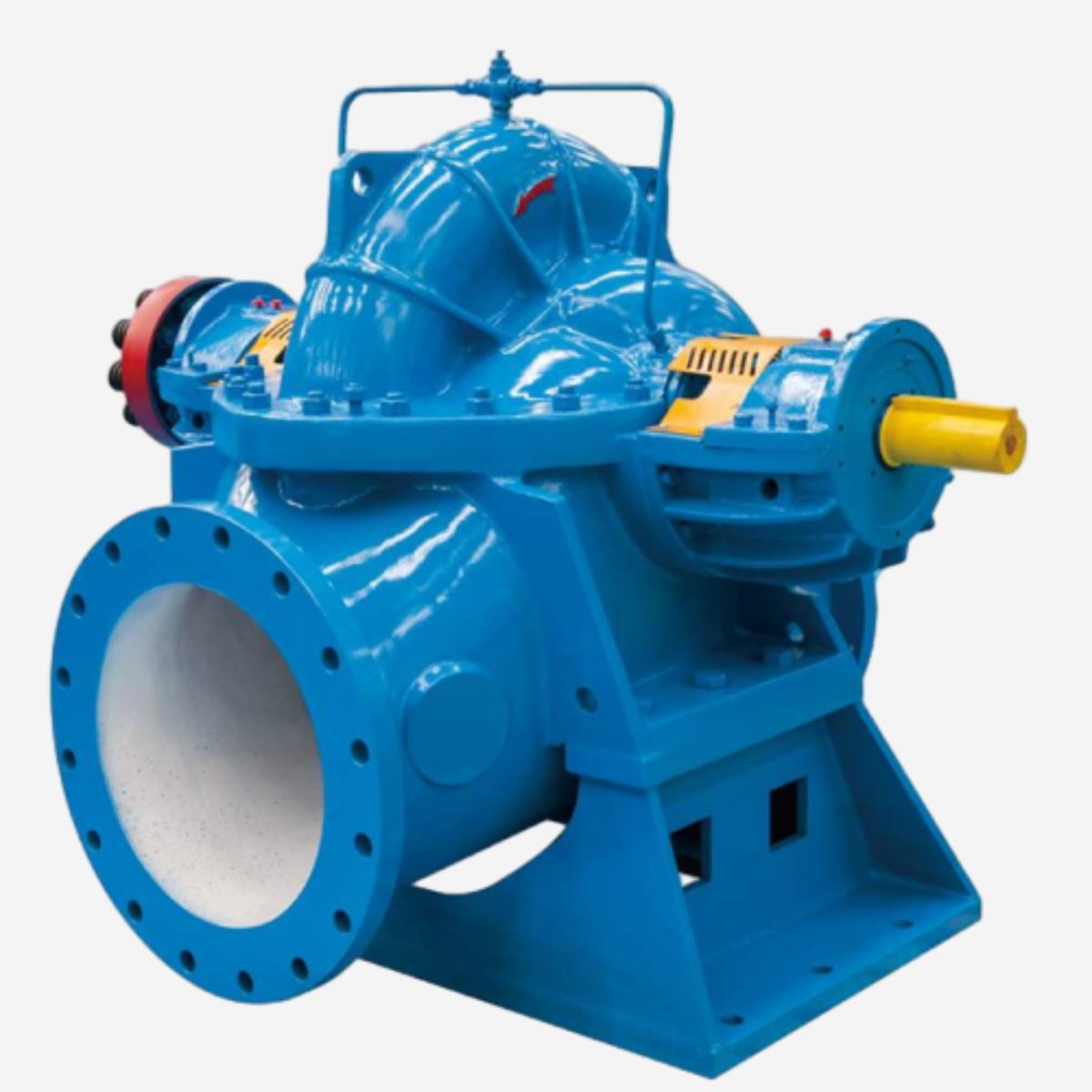
Submersible sewage pumps are critical components in municipal and industrial wastewater management systems. Positioned within the industry chain as essential fluid handling equipment, they facilitate the transfer of raw sewage from collection points to treatment facilities. These pumps address the fundamental challenge of conveying fluids containing solids and debris, a task conventional pumps frequently struggle with. Core performance characteristics center around flow rate (typically measured in gallons per minute or liters per second), total dynamic head (TDH – the height the pump can lift the fluid, measured in feet or meters), solids handling capability (the maximum size of solids the pump can pass without clogging), and efficiency (the ratio of hydraulic power output to electrical power input). A major pain point for operators lies in pump failure due to abrasive wear, clogging, and corrosion, leading to costly downtime and maintenance. This guide provides an in-depth technical analysis of these pumps, covering material science, manufacturing processes, performance parameters, failure modes, and relevant industry standards.
Material Science & Manufacturing
Sewage pumps commonly employ cast iron (ASTM A48 Class 30) for pump casings due to its cost-effectiveness, machinability, and adequate corrosion resistance in typical sewage environments. However, for more aggressive environments or prolonged service life, stainless steel alloys (specifically 304L and 316L, adhering to ASTM A240 standards) are preferred, offering superior corrosion resistance, particularly against hydrogen sulfide. Impellers are frequently constructed from high-chromium cast iron (ASTM A532 Grade 3A), selected for its exceptional abrasion resistance, crucial for handling grit and sand present in sewage. Shafts typically utilize 4140 alloy steel (ASTM A297), heat-treated to achieve high tensile strength and torsional resistance. Seals are a critical component, often employing silicon carbide faces (meeting ISO 5419 standards) due to their hardness and wear resistance, paired with elastomers like Viton (fluoroelastomer) for chemical compatibility with various sewage constituents. Manufacturing processes involve sand casting for the casing and impeller, followed by machining to precise tolerances. Welding (following AWS D1.1 standards) is used for assembling components, and careful attention is paid to weld quality to prevent stress corrosion cracking. Shaft alignment is crucial, verified using laser alignment tools to minimize vibration and bearing wear. Finally, coatings, such as epoxy or polyurethane, are often applied to the casing exterior to enhance corrosion protection.
Performance & Engineering
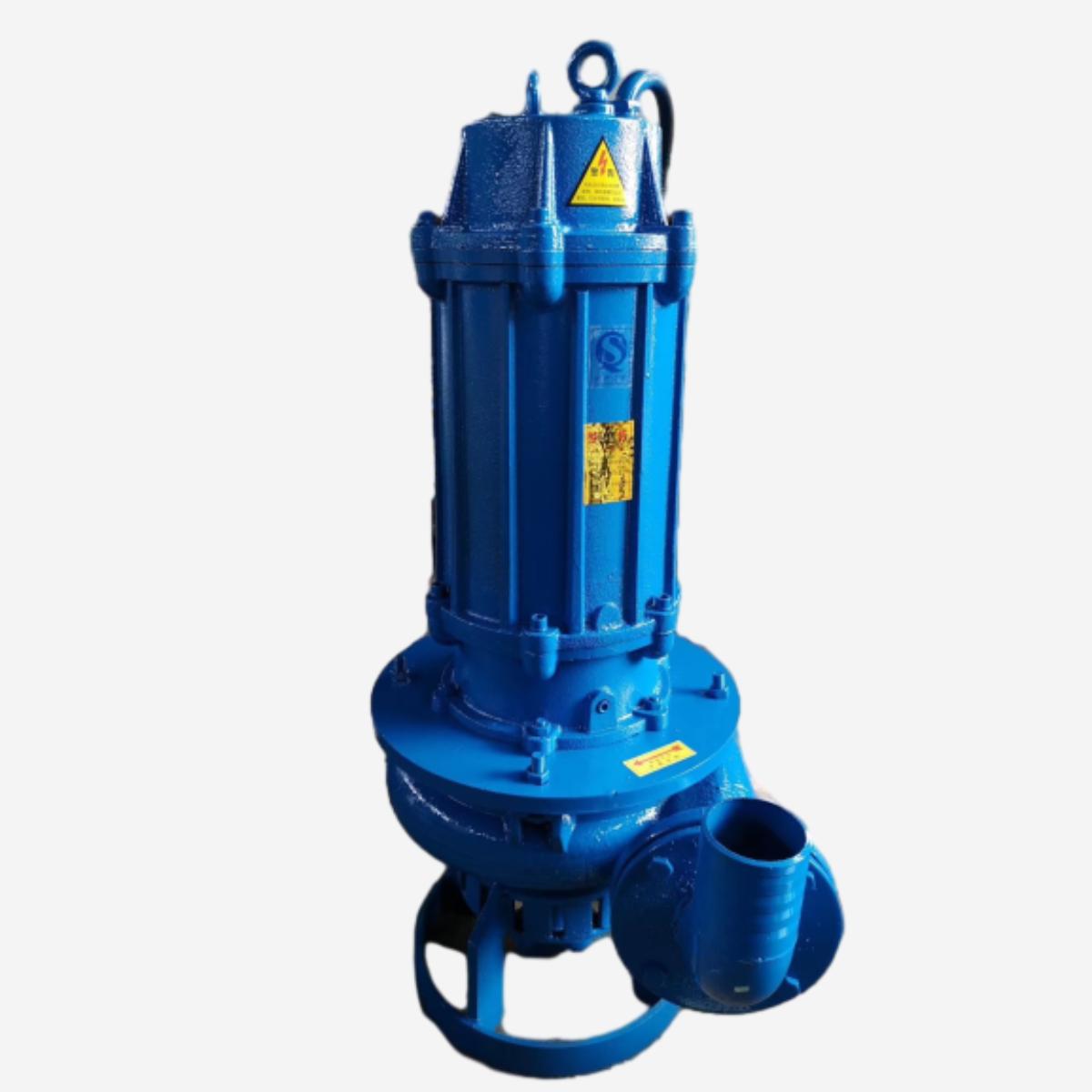
Pump performance is dictated by several key engineering principles. Force analysis involves calculating the radial and axial thrust loads on the impeller, influenced by fluid velocity and pressure distribution. The impeller design (vane angle, number of vanes, impeller diameter) directly impacts hydraulic efficiency and head generation. Cavitation, a significant concern, occurs when the absolute pressure within the pump drops below the vapor pressure of the liquid, forming vapor bubbles that collapse violently, causing erosion damage. Net Positive Suction Head Required (NPSHr), a critical parameter, must be lower than the Net Positive Suction Head Available (NPSHa) to prevent cavitation. Environmental resistance is crucial; pumps must withstand immersion in corrosive sewage, fluctuating temperatures, and potential exposure to UV radiation (for above-ground installations). Compliance requirements vary by region, but typically include adherence to electrical safety standards (IEC 60335-2-40), hydraulic performance standards (ISO 9906), and environmental regulations regarding noise emissions (ISO 3744). The pump curve, a graphical representation of head versus flow rate, is essential for selecting the appropriate pump for a given application. Proper motor sizing is critical, considering the pump’s power requirements and the electrical supply characteristics.
Technical Specifications
| Pump Type | Flow Rate (GPM) | Total Dynamic Head (ft) | Solids Handling (in) |
|---|---|---|---|
| Submersible Centrifugal | 100-500 | 50-200 | 2 |
| Submersible Cutter | 50-300 | 80-250 | 3 |
| Submersible Vortex | 150-750 | 30-150 | 4 |
| Dry-Pit Centrifugal | 200-1000 | 100-300 | 2 |
| Dry-Pit Vortex | 300-1500 | 50-200 | 4 |
| Self-Priming Centrifugal | 50-200 | 60-180 | 1.5 |
Failure Mode & Maintenance
Common failure modes in sewage pumps include impeller wear due to abrasive particles, seal failures leading to leakage, motor winding failures caused by overheating or moisture ingress, and bearing failures resulting from excessive load or inadequate lubrication. Fatigue cracking in the impeller or casing can occur due to cyclic loading. Delamination of coatings can lead to corrosion. Oxidation of stainless steel components can reduce their corrosion resistance. Failure analysis techniques, such as visual inspection, non-destructive testing (ultrasonic testing, radiographic testing – conforming to ASTM E709 and ASTM E94 standards), and metallurgical analysis, are crucial for determining the root cause of failures. Preventive maintenance is paramount. Regular inspection of seals, bearings, and windings is essential. Lubrication should follow manufacturer’s recommendations. Periodic cleaning to remove accumulated debris can prevent clogging and reduce wear. Vibration analysis (following ISO 10816 standards) can detect developing bearing faults. Pump performance monitoring (measuring flow rate, head, and power consumption) can identify degradation and predict potential failures. When replacing components, ensure compatibility with the sewage composition to prevent accelerated corrosion or wear.
Industry FAQ
Q: What is the impact of hydrogen sulfide (H2S) on pump lifespan?
A: Hydrogen sulfide is a highly corrosive gas commonly found in sewage. It accelerates corrosion, particularly in metallic components, leading to pitting and weakening of the pump casing and impeller. Using stainless steel alloys (316L) with molybdenum is critical in environments with high H2S concentrations. Furthermore, implementing gas scavenging systems to remove H2S from the wet well can significantly extend pump life.
Q: How do I select the correct impeller material for abrasive sewage?
A: For highly abrasive sewage, high-chromium cast iron impellers (ASTM A532 Grade 3A) are the preferred choice. The high chromium content forms hard carbides that resist abrasion. Regular inspection and replacement of impellers are still crucial, even with abrasion-resistant materials, as wear is inevitable. Consider vortex impellers, which are less susceptible to abrasion due to the reduced contact between the fluid and the impeller vanes.
Q: What are the best practices for preventing cavitation?
A: Preventing cavitation requires ensuring sufficient NPSHa. This involves minimizing suction lift, maximizing liquid level in the wet well, reducing pipe friction losses in the suction line, and avoiding sharp bends or restrictions in the suction piping. Proper pump selection for the application is also vital, ensuring the pump’s NPSHr is lower than the available NPSHa.
Q: What is the role of the pump curve in system design?
A: The pump curve is essential for matching the pump's performance characteristics to the system’s requirements. It defines the relationship between head and flow rate. System designers use the pump curve to select a pump that can deliver the required flow rate at the desired head, ensuring optimal efficiency and preventing pump overload or underperformance.
Q: How often should submersible pump cables be inspected?
A: Submersible pump cables are subjected to harsh conditions and should be inspected at least annually, and ideally, semi-annually. Look for signs of cracking, abrasion, or damage to the insulation. Electrical testing, including insulation resistance testing (following IEEE 43 standards), should be performed to identify potential electrical hazards.
Conclusion
The longevity and efficiency of sewage pumping systems are intricately linked to careful material selection, adherence to rigorous manufacturing standards, and a proactive maintenance strategy. Understanding the underlying principles of fluid dynamics, corrosion mechanisms, and failure modes is essential for optimizing pump performance and minimizing downtime. The correct specification and installation of submersible sewage pumps, coupled with regular monitoring and preventative maintenance, represent a cost-effective approach to ensuring reliable wastewater management.
Future advancements in sewage pump technology are likely to focus on the development of more abrasion-resistant materials, improved impeller designs for enhanced efficiency, and the integration of smart sensors for real-time performance monitoring and predictive maintenance. Continued research into corrosion mitigation techniques and the optimization of sealing technologies will also play a crucial role in extending pump lifespan and reducing operational costs.
-
sewer pump for basement Material Science Manufacturing
News2026-05-29
-
sewage sump pumps Performance and Engineering
News2026-05-29
-
sewage pumps for septic tanks Material Science and Manufacturing
News2026-05-29
-
Sewage Pumping Companies Performance Analysis
News2026-05-29
-
Sewage Pump Manufacturers Performance Engineering
News2026-05-29
-
sewage pump for basement Performance and Engineering
News2026-05-28
-
Sewage Pump Companies Performance Analysis
News2026-05-28
-
Sewage Pit and Pump Performance Analysis
News2026-05-28
-
Sewage Lift Pumps Material Science
News2026-05-28
-
Sewage Ejector Tank Material Science and Manufacturing
News2026-05-28
-
sewage effluent pumps Material Science Manufacturing
News2026-05-27
-
septic tank effluent pump Performance Analysis
News2026-05-27
-
Septic Sewer Pump Performance Analysis
News2026-05-27
-
septic sewage pumps Performance Analysis
News2026-05-27
-
septic sewage pump Material Science and Manufacturing
News2026-05-27




