English
- Afrikaans
- Albanian
- Amharic
- Arabic
- Armenian
- Azerbaijani
- Basque
- Belarusian
- Bengali
- Bosnian
- Bulgarian
- Catalan
- Cebuano
- Corsican
- Croatian
- Czech
- Danish
- Dutch
- English
- Esperanto
- Estonian
- Finnish
- French
- Frisian
- Galician
- Georgian
- German
- Greek
- Gujarati
- Haitian Creole
- hausa
- hawaiian
- Hebrew
- Hindi
- Miao
- Hungarian
- Icelandic
- igbo
- Indonesian
- irish
- Italian
- Japanese
- Javanese
- Kannada
- kazakh
- Khmer
- Rwandese
- Korean
- Kurdish
- Kyrgyz
- Lao
- Latin
- Latvian
- Lithuanian
- Luxembourgish
- Macedonian
- Malgashi
- Malay
- Malayalam
- Maltese
- Maori
- Marathi
- Mongolian
- Myanmar
- Nepali
- Norwegian
- Norwegian
- Occitan
- Pashto
- Persian
- Polish
- Portuguese
- Punjabi
- Romanian
- Russian
- Samoan
- Scottish Gaelic
- Serbian
- Sesotho
- Shona
- Sindhi
- Sinhala
- Slovak
- Slovenian
- Somali
- Spanish
- Sundanese
- Swahili
- Swedish
- Tagalog
- Tajik
- Tamil
- Tatar
- Telugu
- Thai
- Turkish
- Turkmen
- Ukrainian
- Urdu
- Uighur
- Uzbek
- Vietnamese
- Welsh
- Bantu
- Yiddish
- Yoruba
- Zulu

Telephone: +86 13120555503
Email: frank@cypump.com


Apr . 01, 2024 17:55 Back to list
sewage pump systems Performance and Engineering
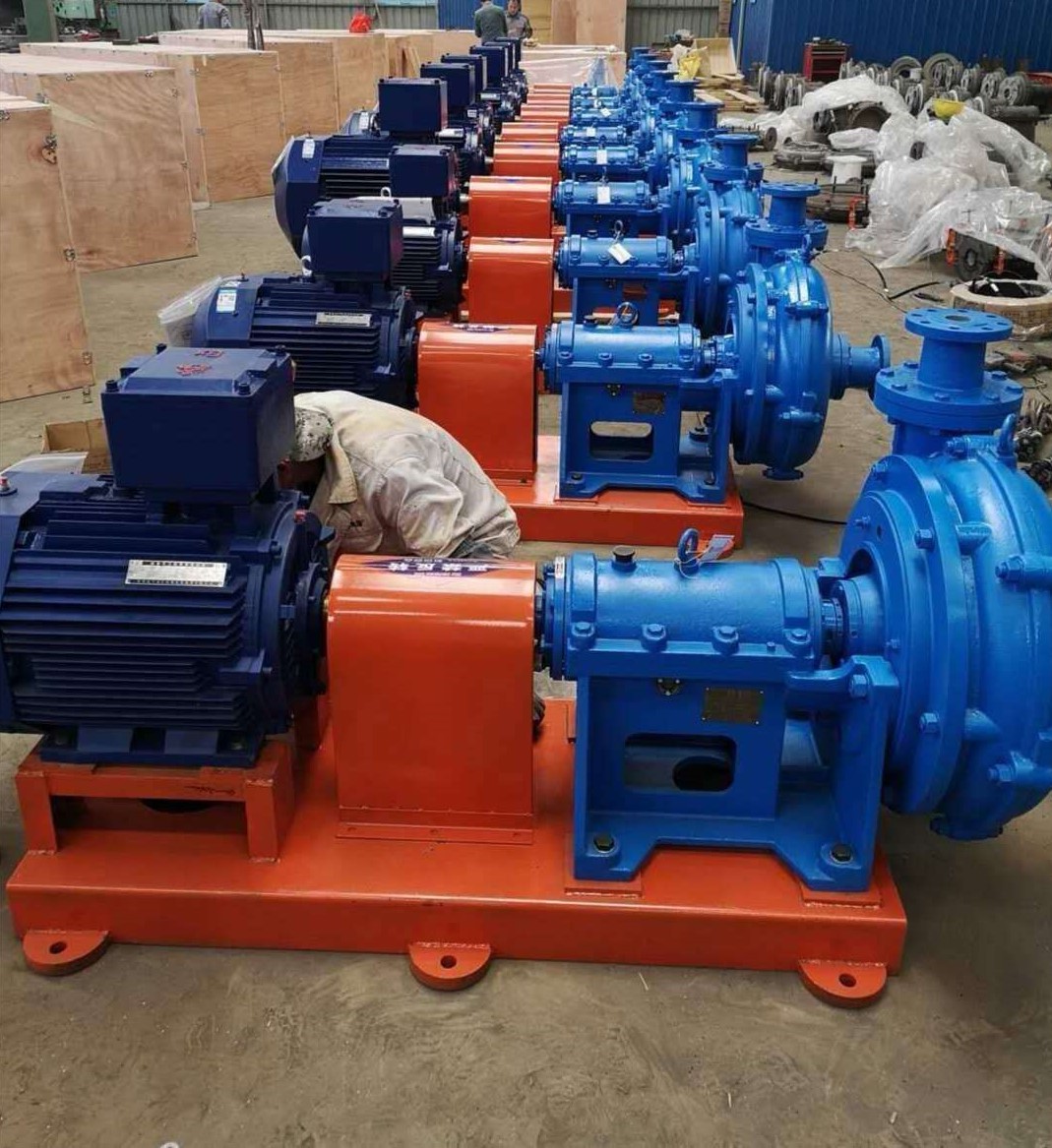
Introduction
Sewage pump systems are critical components in wastewater management, serving to efficiently transfer wastewater from lower elevations to treatment facilities or discharge points. These systems overcome gravitational limitations inherent in many municipal and industrial settings, preventing backups and ensuring effective sanitation. Positioned within the broader fluid handling industry, sewage pumps represent a specialized subset focusing on the unique challenges presented by highly abrasive, corrosive, and often solids-laden fluids. Core performance metrics include flow rate (measured in gallons per minute or liters per second), total dynamic head (TDH – measured in feet or meters, representing the total pressure the pump can generate), pump efficiency (percentage), and solids handling capability (maximum sphere size). The industry faces persistent challenges related to pump wear, clogging, energy consumption, and compliance with increasingly stringent environmental regulations, driving demand for robust, efficient, and reliable pump designs.
Material Science & Manufacturing
The selection of materials for sewage pump construction is paramount, dictated by the aggressive nature of the conveyed fluids. Impellers and casings are commonly constructed from high-chrome cast iron (typically 27-30% chromium), offering exceptional abrasion resistance crucial for handling sand, grit, and other particulate matter. Stainless steel alloys, particularly duplex stainless steels (like 2205) and super austenitic stainless steels (like 6Mo), are employed in more corrosive environments, providing resistance to sulfuric acid, chlorides, and hydrogen sulfide – common constituents of sewage. Shafts are typically manufactured from 4140 or 4340 alloy steel, heat-treated to achieve high tensile strength and torsional rigidity. Seals utilize materials like silicon carbide and Viton, selected for their chemical compatibility and wear resistance. Manufacturing processes vary depending on component complexity. Casings are often produced via sand casting, followed by machining and surface hardening. Impellers can be investment cast for intricate geometries. Shaft manufacturing involves forging, machining, and precision grinding. Critical parameters controlled during manufacturing include material composition verification (via spectroscopy), dimensional accuracy (via coordinate measuring machines – CMMs), heat treatment cycles (verified through hardness testing), and surface finish (measured via profilometry). Welding, where employed, necessitates stringent quality control – radiographic inspection and non-destructive testing are essential to ensure structural integrity.
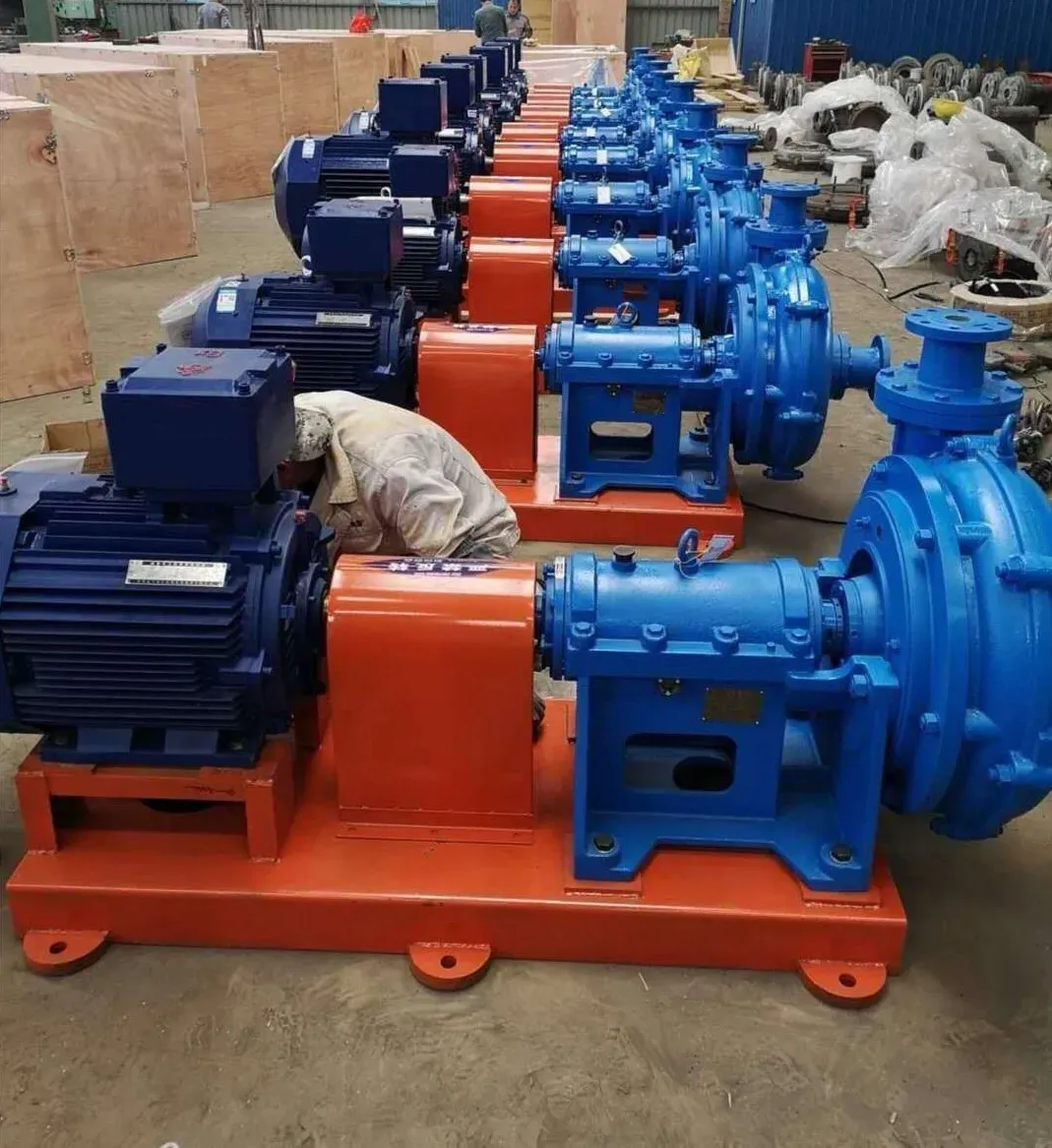
Performance & Engineering
Sewage pump performance is governed by fundamental hydraulic principles and meticulous engineering design. Force analysis considers centrifugal forces generated by impeller rotation, hydrostatic forces exerted by the fluid, and dynamic forces from solids impact. Cavitation, a critical concern, occurs when pressure drops below the liquid's vapor pressure, forming bubbles that collapse and damage the impeller. Pump designs incorporate inducer vanes or optimized impeller geometry to mitigate cavitation risk. Environmental resistance is addressed through appropriate material selection and protective coatings. Submersible pumps require robust sealing mechanisms to prevent water ingress. Pump curves, representing the relationship between flow rate and head, are vital for system design and selection. Compliance requirements are extensive, encompassing energy efficiency standards (e.g., Department of Energy – DOE regulations in the US), safety standards (e.g., UL and CSA certifications), and environmental regulations (e.g., limits on noise pollution and discharge parameters). Functional implementation involves careful consideration of system layout, pipe sizing, check valve selection, and control system integration. Variable Frequency Drives (VFDs) are frequently employed to optimize pump speed based on demand, reducing energy consumption and minimizing hydraulic shock. The Net Positive Suction Head Required (NPSHr) must always be less than the Net Positive Suction Head Available (NPSHa) to prevent cavitation.
Technical Specifications
| Parameter | Centrifugal Pump (Typical) | Vortex Pump (Typical) | Positive Displacement Pump (Typical) | Submersible Pump (Typical) |
|---|---|---|---|---|
| Flow Rate (GPM) | 100 – 10,000 | 50 – 2,000 | 10 – 500 | 50 - 5,000 |
| Total Dynamic Head (ft) | 50 – 300 | 30 – 150 | 100 – 400 | 20 - 200 |
| Solids Handling (in) | 2 | 3 | 0.5 | 2 |
| Pump Efficiency (%) | 65 – 85 | 50 – 70 | 70 – 90 | 60-80 |
| Power Range (HP) | 5 – 200 | 2 – 75 | 1 – 50 | 3 - 150 |
| Material (Casing) | Cast Iron, Ductile Iron | Cast Iron, Stainless Steel | Stainless Steel | Cast Iron, Stainless Steel |
Failure Mode & Maintenance
Sewage pumps are susceptible to various failure modes. Fatigue cracking can occur in impellers and casings due to cyclic loading and stress concentration. Delamination of coatings can lead to corrosion and erosion. Clogging, a frequent issue, results from the accumulation of rags, debris, and solids within the impeller or volute, reducing pump efficiency and potentially causing motor overload. Bearing failure, often caused by inadequate lubrication or contamination, manifests as increased noise and vibration. Seal failure allows fluid leakage and can damage the motor. Oxidation and corrosion, particularly in aggressive environments, degrade material integrity. Preventative maintenance is crucial. Regular inspections should include visual checks for leaks, cracks, and corrosion. Lubrication schedules must be strictly adhered to. Impeller cleaning and removal of debris are essential to prevent clogging. Vibration analysis can detect early signs of bearing wear. Periodic motor testing assesses electrical integrity. For submerged pumps, cable and seal inspections are vital. Failure analysis, involving metallurgical examination and root cause determination, is recommended for recurring failures. Scheduled overhaul and component replacement, based on operating hours and condition monitoring data, extends pump lifespan and minimizes downtime.
Industry FAQ
Q: What are the primary factors driving the selection between a centrifugal and a vortex pump for a sewage application?
A: Centrifugal pumps are generally preferred for higher flow rates and cleaner sewage, offering higher efficiency. Vortex pumps are favored when handling heavily solids-laden sewage prone to clogging, as their impeller design minimizes obstruction, although at the expense of efficiency. The solids content and abrasive nature of the wastewater are key decision points.
Q: How does the material of construction impact the life cycle cost of a sewage pump?
A: Higher-grade materials like duplex stainless steel significantly increase upfront cost but dramatically extend pump life in corrosive environments, reducing maintenance and replacement frequency. A life cycle cost analysis, considering initial cost, maintenance, energy consumption, and replacement intervals, provides a comprehensive view of long-term economic benefits.
Q: What are the critical considerations for selecting a variable frequency drive (VFD) for a sewage pump system?
A: VFD selection requires careful matching of voltage, current, and frequency ratings to the motor specifications. Harmonic mitigation is essential to prevent interference with other electrical equipment. Proper grounding and shielding are crucial for electromagnetic compatibility (EMC). Consideration should be given to the VFD's operating environment (temperature, humidity, dust) and its ability to handle the pump's starting torque.
Q: What are the common causes of cavitation in sewage pumps and how can they be prevented?
A: Cavitation is often caused by insufficient NPSHa (Net Positive Suction Head Available) – a low liquid level in the wet well or excessive suction lift. Prevention strategies include increasing the liquid level, reducing suction lift, optimizing pipe layout to minimize head loss, and selecting a pump with a lower NPSHr (Net Positive Suction Head Required). Impeller damage from previous cavitation events can also exacerbate the problem.
Q: What role do check valves play in a sewage pump system, and what types are most commonly used?
A: Check valves prevent backflow in the discharge pipeline when the pump shuts off, protecting the pump from hydraulic shock and maintaining system pressure. Swing check valves and silent check valves are commonly used. Silent check valves are preferred in applications where noise reduction is critical. The valve material must be compatible with the sewage composition to prevent corrosion and premature failure.
Conclusion
Sewage pump systems represent a vital element of modern sanitation infrastructure. Effective operation relies on a complex interplay of material science, hydraulic engineering, and robust manufacturing processes. Selecting the appropriate pump type, material of construction, and control system is paramount to achieving optimal performance, minimizing downtime, and ensuring compliance with stringent environmental regulations. The industry continues to innovate with improved impeller designs, advanced materials, and smart control systems focused on energy efficiency and predictive maintenance.
Future advancements in sewage pump technology are expected to focus on increased efficiency, reduced maintenance requirements, and improved solids handling capabilities. Integration with real-time monitoring systems and data analytics will enable predictive maintenance strategies, minimizing unscheduled downtime and extending pump lifespan. The demand for environmentally sustainable solutions will drive the development of more energy-efficient pumps and the adoption of innovative materials that reduce the overall environmental footprint of wastewater treatment facilities.
-
Comprehensive Guide to Waterproof ORings for Optimal Sealing Solutions
News2026-06-09
-
septic system sump pump Performance Analysis
News2026-06-26
-
septic pump company Performance Analysis
News2026-06-26
-
pumps water treatment Performance Analysis
News2026-06-26
-
pumps for septic tanks Material Science and Manufacturing
News2026-06-26
-
pump for septic system Material Science Manufacturing
News2026-06-26
-
heavy duty submersible pump Performance Analysis
News2026-06-25
-
best submersible pump for septic tank Performance Analysis
News2026-06-25
-
basement sewer ejector pump Performance Analysis
News2026-06-25
-
basement pumps ejector pumps Performance Analysis
News2026-06-25
-
basement lift pump Performance and Engineering
News2026-06-25
-
basement bathroom pump systems Performance Analysis
News2026-06-24
-
basement bathroom ejector pump system Performance Engineering
News2026-06-24
-
2 hp sewage pump Performance Engineering
News2026-06-24
-
1 hp septic pump Performance Engineering
News2026-06-24




