English
- Afrikaans
- Albanian
- Amharic
- Arabic
- Armenian
- Azerbaijani
- Basque
- Belarusian
- Bengali
- Bosnian
- Bulgarian
- Catalan
- Cebuano
- Corsican
- Croatian
- Czech
- Danish
- Dutch
- English
- Esperanto
- Estonian
- Finnish
- French
- Frisian
- Galician
- Georgian
- German
- Greek
- Gujarati
- Haitian Creole
- hausa
- hawaiian
- Hebrew
- Hindi
- Miao
- Hungarian
- Icelandic
- igbo
- Indonesian
- irish
- Italian
- Japanese
- Javanese
- Kannada
- kazakh
- Khmer
- Rwandese
- Korean
- Kurdish
- Kyrgyz
- Lao
- Latin
- Latvian
- Lithuanian
- Luxembourgish
- Macedonian
- Malgashi
- Malay
- Malayalam
- Maltese
- Maori
- Marathi
- Mongolian
- Myanmar
- Nepali
- Norwegian
- Norwegian
- Occitan
- Pashto
- Persian
- Polish
- Portuguese
- Punjabi
- Romanian
- Russian
- Samoan
- Scottish Gaelic
- Serbian
- Sesotho
- Shona
- Sindhi
- Sinhala
- Slovak
- Slovenian
- Somali
- Spanish
- Sundanese
- Swahili
- Swedish
- Tagalog
- Tajik
- Tamil
- Tatar
- Telugu
- Thai
- Turkish
- Turkmen
- Ukrainian
- Urdu
- Uighur
- Uzbek
- Vietnamese
- Welsh
- Bantu
- Yiddish
- Yoruba
- Zulu

Telephone: +86 13120555503
Email: frank@cypump.com


Apr . 01, 2024 17:55 Back to list
Sewage Pump System Performance Analysis
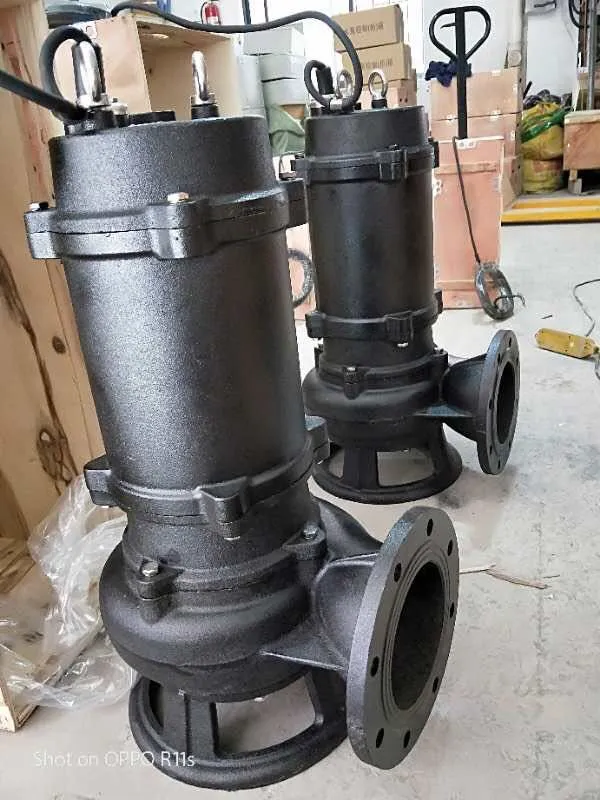
Introduction
Sewage pump systems are critical components of wastewater management infrastructure, facilitating the transfer of effluent from collection points to treatment facilities. These systems are utilized in a wide range of applications, including municipal wastewater treatment plants, industrial facilities generating process water, commercial buildings, and residential sump applications. Their technical position within the wastewater treatment chain is immediately downstream of collection networks (gravity sewers, vacuum sewers) and upstream of preliminary and primary treatment stages. Core performance characteristics are defined by flow rate (gallons per minute or cubic meters per hour), total dynamic head (TDH – the vertical distance the pump can lift the fluid plus friction losses in the piping system), solids handling capability (diameter and concentration), pump efficiency (hydraulic and electrical), and overall system reliability. The increasing demand for sustainable wastewater management practices and stringent environmental regulations drives continuous advancements in sewage pump system design, materials, and control methodologies. Understanding the nuances of these systems is paramount for ensuring efficient, dependable, and environmentally responsible wastewater handling.
Material Science & Manufacturing
The construction of sewage pumps demands materials resistant to corrosive environments and abrasive wear. Pump casings are typically manufactured from cast iron (ASTM A48 Class 30 or higher), ductile iron (ASTM A536-89 65-45-12), or stainless steel (304, 316, or duplex stainless steel for high chloride content). Impeller materials are similarly chosen for durability; high-chrome cast iron is common for its abrasion resistance, while stainless steel and bronze are used in applications requiring higher corrosion resistance. Shafts are generally constructed from 4140 alloy steel, heat-treated for strength and hardness. Mechanical seals, critical for preventing leakage, utilize seal faces of silicon carbide or tungsten carbide against various elastomers (Viton, EPDM) selected for chemical compatibility with the conveyed fluid. Manufacturing processes include sand casting for pump casings, investment casting for impellers requiring intricate geometries, and CNC machining for precision components like shafts and wear plates. Welding processes (SMAW, GMAW, GTAW) are employed for joining casing sections and fabricating structural supports. Critical parameters during manufacturing include dimensional accuracy (achieved through precision machining and quality control inspections), material composition verification (using spectroscopic analysis), and non-destructive testing (NDT) such as radiographic inspection and ultrasonic testing to detect internal flaws. Surface treatments like epoxy coatings and ceramic linings enhance corrosion resistance in aggressive environments. The proper selection and execution of these manufacturing processes directly impact the pump's lifespan, efficiency, and reliability.
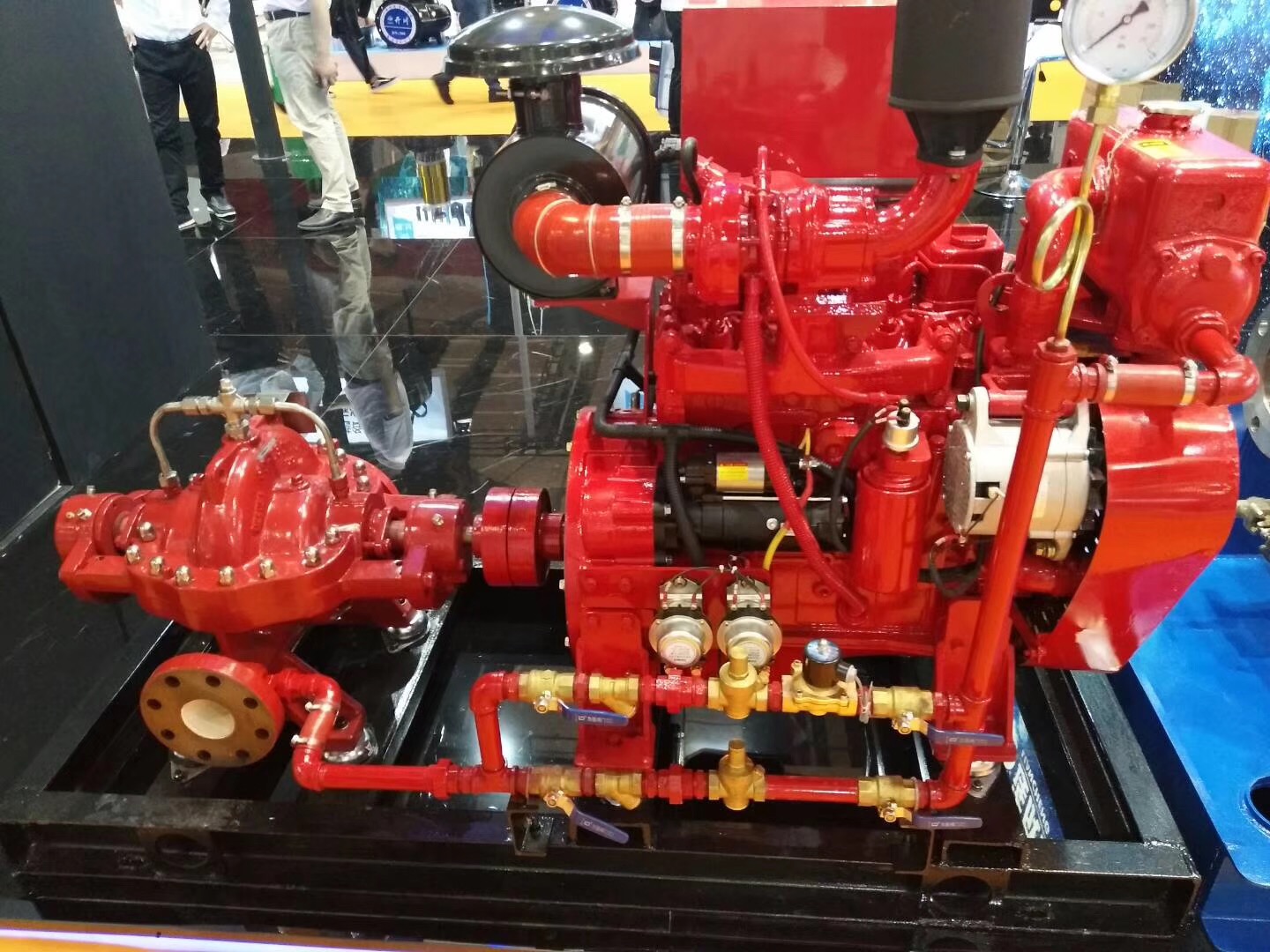
Performance & Engineering
Sewage pump performance is governed by a complex interplay of hydraulic and mechanical forces. Force analysis involves evaluating impeller loading, shaft bending moments, and bearing stresses under varying flow conditions. Cavitation, a primary concern, occurs when the pressure within the pump drops below the vapor pressure of the liquid, forming vapor bubbles that collapse and cause pitting damage to the impeller. Proper Net Positive Suction Head Required (NPSHr) calculations, based on pump geometry and operating speed, are essential to prevent cavitation. Environmental resistance is critical, particularly against corrosion induced by hydrogen sulfide (H2S) and other corrosive agents present in sewage. Pump materials must be selected to withstand these conditions, and sacrificial anodes may be used to protect metallic components. Compliance requirements include adherence to hydraulic institute standards (HI), electrical safety standards (NEMA, IEC), and environmental regulations pertaining to noise levels and energy efficiency. Functional implementation necessitates careful system design, including proper pipe sizing to minimize friction losses, the incorporation of check valves to prevent backflow, and the implementation of control systems (variable frequency drives – VFDs) to optimize pump operation based on real-time flow demand. Pump curves, generated through hydraulic testing, provide essential performance data for system designers, allowing for accurate pump selection and system optimization. Dynamic balancing of the impeller is crucial to minimize vibration and prolong bearing life.
Technical Specifications
| Parameter | Centrifugal Pump (Typical) | Positive Displacement Pump (Typical) | Submersible Pump (Typical) | Diaphragm Pump (Typical) |
|---|---|---|---|---|
| Flow Rate (GPM) | 50-5000 | 10-200 | 100-2000 | 20-500 |
| Total Dynamic Head (ft) | 50-300 | 100-400 | 30-150 | 0-100 |
| Solids Handling (in) | 2-3 | 0.5-2 | 2-4 | 1-2 |
| Pump Efficiency (%) | 65-85 | 70-90 | 50-75 | 30-60 |
| Power Range (HP) | 5-200 | 1-20 | 3-100 | 0.5-5 |
| Seal Material | Silicon Carbide/Viton | Silicon Carbide/EPDM | Silicon Carbide/Viton | PTFE/EPDM |
Failure Mode & Maintenance
Sewage pumps are susceptible to several failure modes. Fatigue cracking, particularly in the impeller and casing, can occur due to cyclic loading and stress concentrations. Corrosion, induced by H2S and other corrosive agents, leads to material degradation and eventual component failure. Abrasion, caused by solids in the sewage, wears down impeller vanes and casing surfaces. Seal failure results in leakage and potential motor damage. Bearing failure, often due to inadequate lubrication or contamination, causes vibration and eventual pump shutdown. Delamination of coatings can accelerate corrosion. Oxidation of metal components can lead to weakened structural integrity. Maintenance strategies include regular inspections for wear and corrosion, lubrication of bearings, seal replacement based on manufacturer recommendations, impeller balancing, and motor winding insulation testing. Preventive maintenance programs, incorporating scheduled inspections and component replacements, significantly extend pump lifespan and reduce downtime. Vibration analysis can detect early signs of bearing failure or impeller imbalance. When disassembling pumps, adherence to strict lockout/tagout procedures is paramount to ensure worker safety. Regular cleaning of pump wet wells to remove debris and solids reduces the load on the pump and minimizes the risk of clogging.
Industry FAQ
Q: What is the primary cause of cavitation in sewage pumps, and how can it be mitigated?
A: The primary cause of cavitation is insufficient Net Positive Suction Head Available (NPSHa) relative to the pump’s Net Positive Suction Head Required (NPSHr). This results in a pressure drop below the liquid's vapor pressure, forming vapor bubbles. Mitigation involves ensuring adequate submergence of the pump, reducing suction lift, increasing pipe diameter, and minimizing friction losses in the suction piping. Proper NPSHr calculation is critical during pump selection.
Q: How does the concentration of hydrogen sulfide (H2S) affect the longevity of a sewage pump?
A: H2S accelerates corrosion in many metals commonly used in pump construction. It forms sulfuric acid in the presence of moisture and oxygen, leading to pitting and general corrosion. Using corrosion-resistant alloys (stainless steel, duplex stainless steel), epoxy coatings, and sacrificial anodes are effective mitigation strategies.
Q: What are the advantages and disadvantages of using variable frequency drives (VFDs) with sewage pumps?
A: VFDs offer advantages such as energy savings by adjusting pump speed to match flow demand, reduced mechanical stress on the pump, and soft starting/stopping to minimize water hammer. Disadvantages include the initial cost of the VFD, potential harmonic distortion in the power supply, and the need for specialized maintenance expertise.
Q: What considerations should be made when selecting a pump for handling rags and debris?
A: Select pumps with open impeller designs, large passage sizes, and robust construction. Consider the use of grinder pumps or vortex impellers to reduce the size of solids before they enter the pump. Regular screening of influent can also minimize the amount of debris entering the system.
Q: What type of maintenance schedule is recommended for submersible sewage pumps?
A: A typical maintenance schedule includes quarterly inspections of cable connections and float switches, annual removal and inspection of the pump for wear and corrosion, lubrication of bearings (if applicable), and periodic testing of the pump's motor windings. Record keeping of maintenance activities is essential for tracking pump performance and identifying potential issues.
Conclusion
Sewage pump systems represent a vital, yet often overlooked, component of modern wastewater infrastructure. Their reliable operation is fundamental to protecting public health and the environment. Selecting the appropriate pump type – centrifugal, positive displacement, submersible, or diaphragm – necessitates a thorough understanding of the application's specific requirements, including flow rate, head, solids handling capability, and the chemical composition of the wastewater. Implementing robust maintenance programs, focused on preventing common failure modes such as cavitation, corrosion, and abrasion, is crucial for maximizing pump lifespan and minimizing operational costs.
Continued advancements in materials science, pump design, and control technologies promise to further enhance the efficiency and reliability of sewage pump systems. The integration of smart monitoring systems and predictive maintenance algorithms will enable proactive identification of potential issues, reducing downtime and optimizing system performance. Adherence to relevant industry standards and regulatory requirements is paramount for ensuring compliance and responsible wastewater management.
-
Comprehensive Guide to Waterproof ORings for Optimal Sealing Solutions
News2026-06-09
-
Waste Tank Pump Performance Analysis
News2026-06-27
-
Sewer System Pump Out Material Science
News2026-06-27
-
Sewer Ejector Pit Performance Analysis
News2026-06-27
-
septic tank pumps for sale Performance Engineering
News2026-06-27
-
septic system with lift pump Performance Engineering
News2026-06-27
-
septic system sump pump Performance Analysis
News2026-06-26
-
septic pump company Performance Analysis
News2026-06-26
-
pumps water treatment Performance Analysis
News2026-06-26
-
pumps for septic tanks Material Science and Manufacturing
News2026-06-26
-
pump for septic system Material Science Manufacturing
News2026-06-26
-
heavy duty submersible pump Performance Analysis
News2026-06-25
-
best submersible pump for septic tank Performance Analysis
News2026-06-25
-
basement sewer ejector pump Performance Analysis
News2026-06-25
-
basement pumps ejector pumps Performance Analysis
News2026-06-25




