English
- Afrikaans
- Albanian
- Amharic
- Arabic
- Armenian
- Azerbaijani
- Basque
- Belarusian
- Bengali
- Bosnian
- Bulgarian
- Catalan
- Cebuano
- Corsican
- Croatian
- Czech
- Danish
- Dutch
- English
- Esperanto
- Estonian
- Finnish
- French
- Frisian
- Galician
- Georgian
- German
- Greek
- Gujarati
- Haitian Creole
- hausa
- hawaiian
- Hebrew
- Hindi
- Miao
- Hungarian
- Icelandic
- igbo
- Indonesian
- irish
- Italian
- Japanese
- Javanese
- Kannada
- kazakh
- Khmer
- Rwandese
- Korean
- Kurdish
- Kyrgyz
- Lao
- Latin
- Latvian
- Lithuanian
- Luxembourgish
- Macedonian
- Malgashi
- Malay
- Malayalam
- Maltese
- Maori
- Marathi
- Mongolian
- Myanmar
- Nepali
- Norwegian
- Norwegian
- Occitan
- Pashto
- Persian
- Polish
- Portuguese
- Punjabi
- Romanian
- Russian
- Samoan
- Scottish Gaelic
- Serbian
- Sesotho
- Shona
- Sindhi
- Sinhala
- Slovak
- Slovenian
- Somali
- Spanish
- Sundanese
- Swahili
- Swedish
- Tagalog
- Tajik
- Tamil
- Tatar
- Telugu
- Thai
- Turkish
- Turkmen
- Ukrainian
- Urdu
- Uighur
- Uzbek
- Vietnamese
- Welsh
- Bantu
- Yiddish
- Yoruba
- Zulu

Telephone: +86 13120555503
Email: frank@cypump.com


Apr . 01, 2024 17:55 Back to list
Sewage Pump Performance Analysis
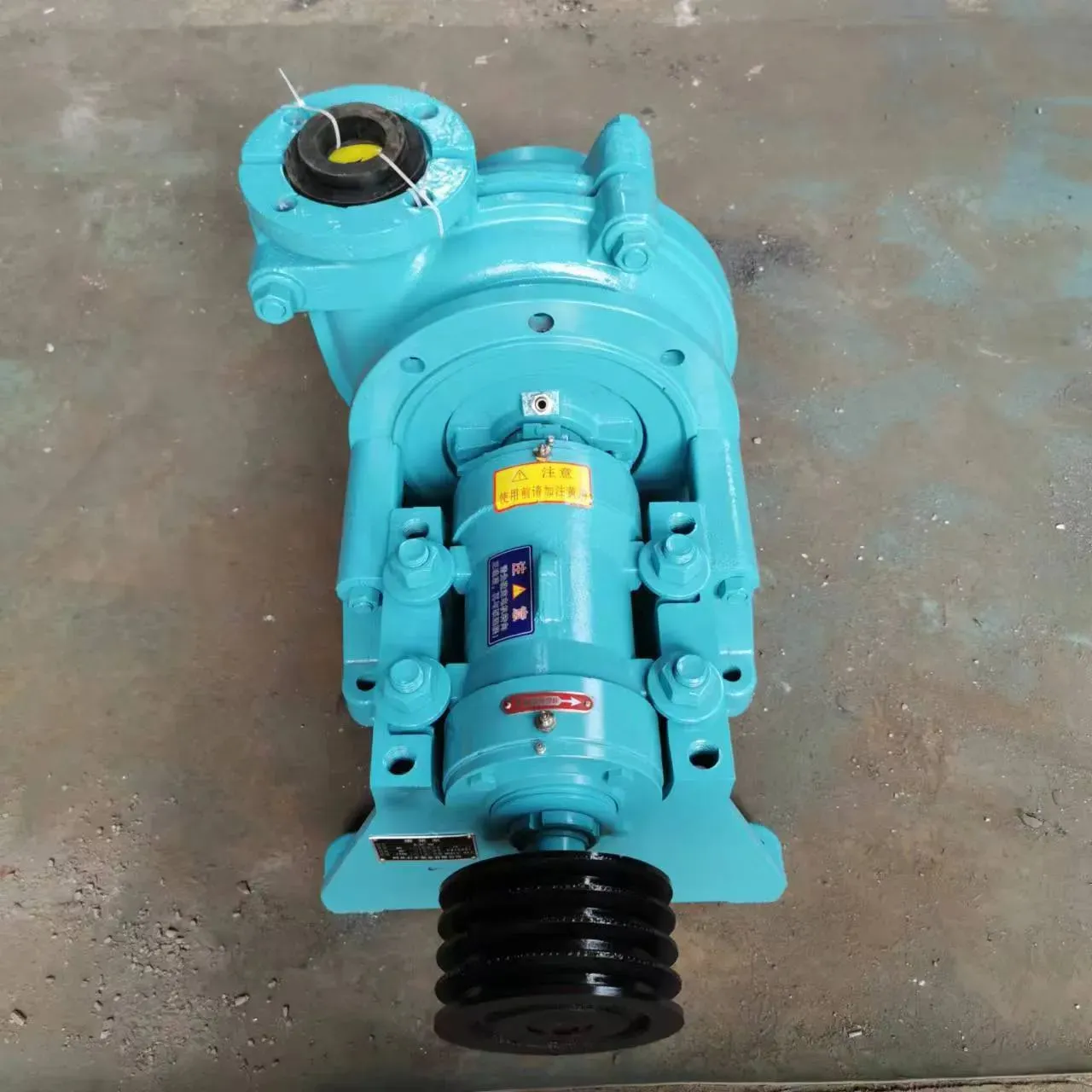
Introduction
Sewage pumps, also known as effluent pumps or wastewater pumps, are critical components in wastewater management systems. These pumps are specifically designed to handle liquids containing solids, ranging from domestic wastewater to industrial effluent. Their technical position within the wastewater treatment chain is immediately after collection and preliminary screening, preceding processes like biological treatment and disinfection. Core performance characteristics center around hydraulic efficiency, solids handling capability, corrosion resistance, and overall reliability in demanding, often submerged, environments. The growing urbanization and stricter environmental regulations drive the demand for high-performance, energy-efficient sewage pumps capable of handling increasingly complex and abrasive wastewater streams. A key pain point in the industry is premature pump failure due to abrasive wear, clogging, and corrosion, leading to costly downtime and maintenance.
Material Science & Manufacturing
The materials selection for sewage pumps is paramount, dictated by the corrosive nature of wastewater and the presence of abrasive solids. Pump housings are commonly constructed from cast iron (ASTM A48 Class 30), ductile iron (ASTM A536-89 65-45-12), or stainless steel (304/316 – ASTM A743). Stainless steel, particularly 316, offers superior corrosion resistance in sulfide-rich environments. Impellers, the rotating component responsible for fluid transport, are often manufactured from high-chrome cast iron or stainless steel. Shafts utilize alloy steels (AISI 4140) heat-treated for high tensile strength and wear resistance. Mechanical seals, vital for preventing leakage, typically employ silicon carbide (SiC) faces due to their hardness and chemical inertness. Manufacturing processes involve several critical stages. Casting forms the base for housings and impellers, followed by machining to precise tolerances. Welding (SMAW, GTAW – AWS D1.1) is employed for joining components, requiring stringent quality control to ensure structural integrity and prevent porosity. Impeller balancing is critical to minimize vibration and extend bearing life. Abrasive resistance is enhanced through surface hardening techniques like induction hardening or thermal spraying. Quality control emphasizes non-destructive testing (NDT) using methods like ultrasonic testing (UT – ASTM E797) and radiographic testing (RT – ASTM E94) to detect internal flaws.
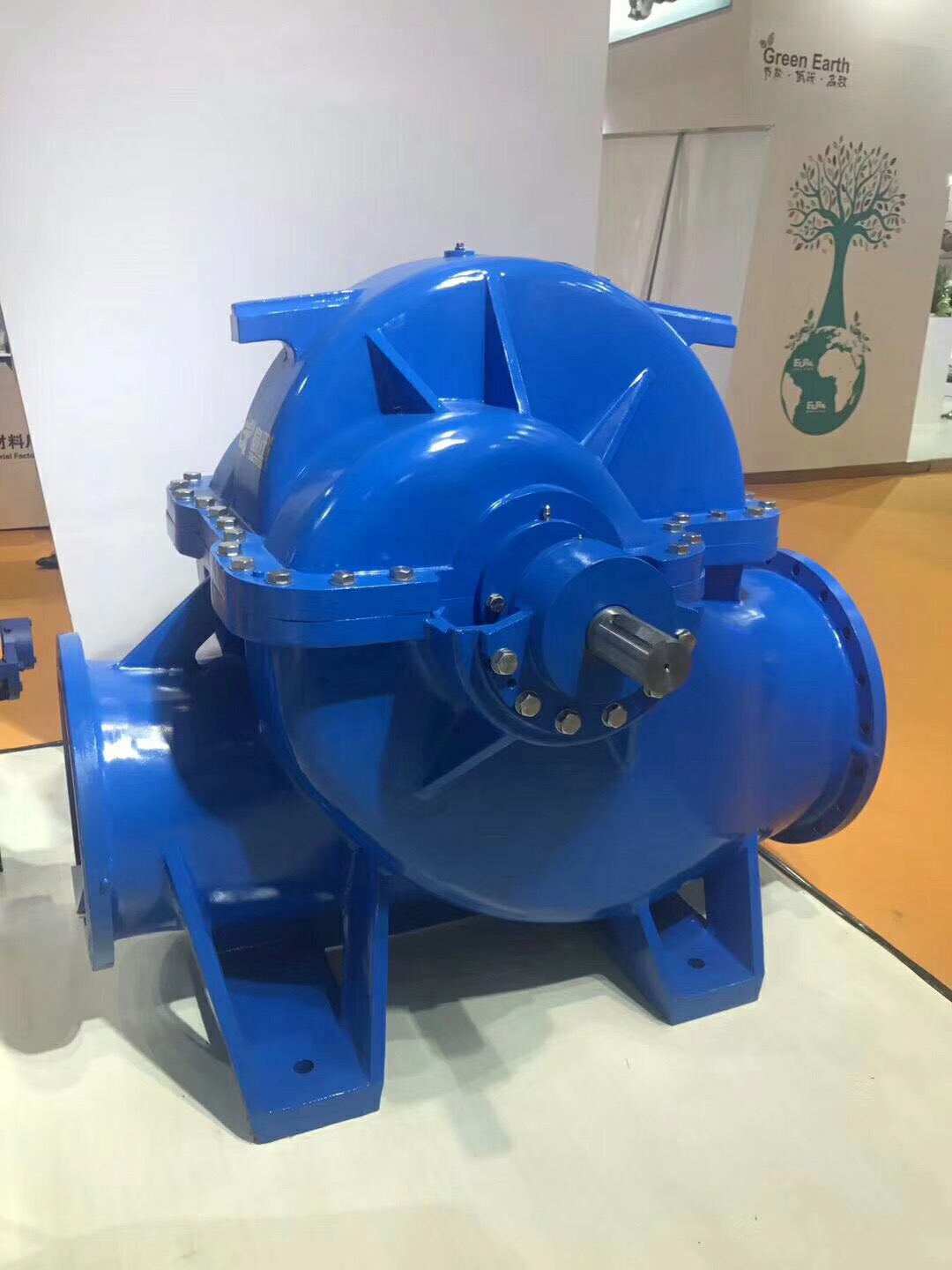
Performance & Engineering
Sewage pump performance is governed by several key engineering principles. Hydraulic design focuses on maximizing efficiency while minimizing clogging. Impeller geometry (radial, mixed-flow, or axial) is selected based on flow rate and head requirements. Force analysis, including centrifugal forces and hydraulic thrust, is critical for shaft and bearing design. Environmental resistance is a key consideration; pumps must withstand continuous submersion, fluctuating temperatures, and exposure to corrosive substances. Compliance requirements are dictated by regional regulations concerning wastewater discharge and energy efficiency. For example, pumps sold in the EU must meet the requirements of the Ecodesign Directive (2009/125/EC). Pump curves, detailing head-flow relationships, are generated through rigorous testing (ISO 9906) and are essential for system design. Motor selection is critical; submersible pumps typically utilize squirrel-cage induction motors encased in watertight housings. Bearing systems must be robust enough to withstand radial and axial loads, often employing deep-groove ball bearings or tapered roller bearings with appropriate lubrication (grease or oil bath). Vibration analysis (ISO 10816) is performed during commissioning to identify potential mechanical issues.
Technical Specifications
| Parameter | Unit | Typical Range (Residential) | Typical Range (Industrial) |
|---|---|---|---|
| Flow Rate | GPM (Gallons Per Minute) | 20-100 | 100-1000+ |
| Total Dynamic Head | ft (Feet) | 10-50 | 50-300+ |
| Motor Power | HP (Horsepower) | 1/2 - 2 | 5 - 50+ |
| Solids Handling Capacity | inches | Up to 2 | Up to 4+ |
| Maximum Submergence Depth | ft (Feet) | 20-30 | 50-100+ |
| Operating Temperature | °F (Fahrenheit) | 32-104 | 32-140 |
Failure Mode & Maintenance
Sewage pumps are susceptible to several failure modes. Abrasive wear, caused by the continuous passage of solids, leads to impeller erosion and reduced hydraulic efficiency. Clogging, resulting from the accumulation of debris (rags, plastics, etc.), causes motor overload and potential pump seizure. Corrosion, particularly in sulfide-rich environments, degrades pump materials, leading to structural failure. Fatigue cracking can occur in shafts and impellers due to cyclic loading. Bearing failure results from inadequate lubrication, excessive loads, or contamination. Electrical failures, stemming from motor winding insulation breakdown or seal leakage, are also common. Maintenance strategies involve regular inspection of mechanical seals, bearings, and impellers. Periodic cleaning to remove accumulated debris is crucial. Lubrication schedules must be strictly adhered to. Corrosion protection measures, such as cathodic protection or the application of corrosion-resistant coatings, can extend pump lifespan. Vibration monitoring can detect early signs of mechanical issues. For severe failures, complete pump replacement may be necessary, but component-level repairs (seal replacement, impeller reconditioning) are often cost-effective. Preventative maintenance programs, incorporating scheduled inspections and component replacements, are essential for minimizing downtime and maximizing pump reliability.
Industry FAQ
Q: What is the impact of impeller material on pump longevity in highly abrasive applications?
A: In highly abrasive applications, impeller material is paramount. While cast iron is cost-effective, it suffers rapid wear. High-chrome cast iron offers significantly improved abrasion resistance, extending impeller life by 2-3 times. Stainless steel, particularly hardened stainless steel, provides the best abrasion resistance but comes at a higher cost. Regularly inspecting and replacing impellers is crucial regardless of material, but proper material selection minimizes the frequency of replacement.
Q: How do I determine the correct pump size (flow rate and head) for my application?
A: Accurate pump sizing requires a thorough understanding of your system’s requirements. Calculate the total dynamic head (TDH), which includes static lift, friction losses in piping, and pressure requirements at the discharge point. Determine the required flow rate based on the volume of wastewater needing to be pumped within a specific timeframe. Pump curves (provided by manufacturers) should be consulted to select a pump that operates within its optimal efficiency range at your calculated TDH and flow rate.
Q: What are the common causes of mechanical seal failure in sewage pumps?
A: Common causes include abrasive particles damaging the seal faces, dry running (operating without sufficient liquid lubrication), chemical attack from aggressive wastewater constituents, and improper installation. Selecting a seal material compatible with the wastewater composition is critical. Regular inspection and replacement of seals based on operating hours or observed leakage are essential preventative measures.
Q: How can I mitigate the risk of pump clogging?
A: Implementing a robust screening system upstream of the pump is the primary defense against clogging. This involves removing large solids (rags, plastics, debris) before they reach the pump. Selecting a pump with a non-clog impeller design (e.g., vortex impeller) can also help. Regular pump cleaning and inspection for accumulated debris are also vital.
Q: What are the advantages of using a variable frequency drive (VFD) with a sewage pump?
A: VFDs offer significant advantages, including energy savings by adjusting pump speed to match demand, reduced mechanical stress on the pump and motor, and improved process control. They allow for soft starting and stopping, minimizing water hammer and extending pump life. However, VFDs add complexity to the system and require careful installation and configuration.
Conclusion
Sewage pumps represent a crucial technology in modern wastewater management, demanding careful consideration of material science, engineering principles, and operational factors. Selecting the appropriate pump requires a comprehensive assessment of the application’s specific demands, including flow rate, head requirements, solids handling capacity, and the chemical composition of the wastewater. Proactive maintenance, incorporating regular inspections, preventative component replacements, and adherence to manufacturer recommendations, is vital for maximizing pump reliability and minimizing costly downtime.
Future advancements in sewage pump technology are likely to focus on improving energy efficiency, enhancing solids handling capabilities, and incorporating smart monitoring systems for predictive maintenance. The integration of advanced materials, such as ceramic composites, and the development of more robust mechanical seals will further extend pump lifespan and reduce operational costs. Ultimately, a holistic approach encompassing proper pump selection, meticulous installation, and diligent maintenance is paramount for ensuring the long-term performance and sustainability of sewage pumping systems.
-
Comprehensive Guide to Waterproof ORings for Optimal Sealing Solutions
News2026-06-09
-
Waste Tank Pump Performance Analysis
News2026-06-27
-
Sewer System Pump Out Material Science
News2026-06-27
-
Sewer Ejector Pit Performance Analysis
News2026-06-27
-
septic tank pumps for sale Performance Engineering
News2026-06-27
-
septic system with lift pump Performance Engineering
News2026-06-27
-
septic system sump pump Performance Analysis
News2026-06-26
-
septic pump company Performance Analysis
News2026-06-26
-
pumps water treatment Performance Analysis
News2026-06-26
-
pumps for septic tanks Material Science and Manufacturing
News2026-06-26
-
pump for septic system Material Science Manufacturing
News2026-06-26
-
heavy duty submersible pump Performance Analysis
News2026-06-25
-
best submersible pump for septic tank Performance Analysis
News2026-06-25
-
basement sewer ejector pump Performance Analysis
News2026-06-25
-
basement pumps ejector pumps Performance Analysis
News2026-06-25




