English
- Afrikaans
- Albanian
- Amharic
- Arabic
- Armenian
- Azerbaijani
- Basque
- Belarusian
- Bengali
- Bosnian
- Bulgarian
- Catalan
- Cebuano
- Corsican
- Croatian
- Czech
- Danish
- Dutch
- English
- Esperanto
- Estonian
- Finnish
- French
- Frisian
- Galician
- Georgian
- German
- Greek
- Gujarati
- Haitian Creole
- hausa
- hawaiian
- Hebrew
- Hindi
- Miao
- Hungarian
- Icelandic
- igbo
- Indonesian
- irish
- Italian
- Japanese
- Javanese
- Kannada
- kazakh
- Khmer
- Rwandese
- Korean
- Kurdish
- Kyrgyz
- Lao
- Latin
- Latvian
- Lithuanian
- Luxembourgish
- Macedonian
- Malgashi
- Malay
- Malayalam
- Maltese
- Maori
- Marathi
- Mongolian
- Myanmar
- Nepali
- Norwegian
- Norwegian
- Occitan
- Pashto
- Persian
- Polish
- Portuguese
- Punjabi
- Romanian
- Russian
- Samoan
- Scottish Gaelic
- Serbian
- Sesotho
- Shona
- Sindhi
- Sinhala
- Slovak
- Slovenian
- Somali
- Spanish
- Sundanese
- Swahili
- Swedish
- Tagalog
- Tajik
- Tamil
- Tatar
- Telugu
- Thai
- Turkish
- Turkmen
- Ukrainian
- Urdu
- Uighur
- Uzbek
- Vietnamese
- Welsh
- Bantu
- Yiddish
- Yoruba
- Zulu

Telephone: +86 13120555503
Email: frank@cypump.com


Apr . 01, 2024 17:55 Back to list
Sewage Pump Performance Analysis
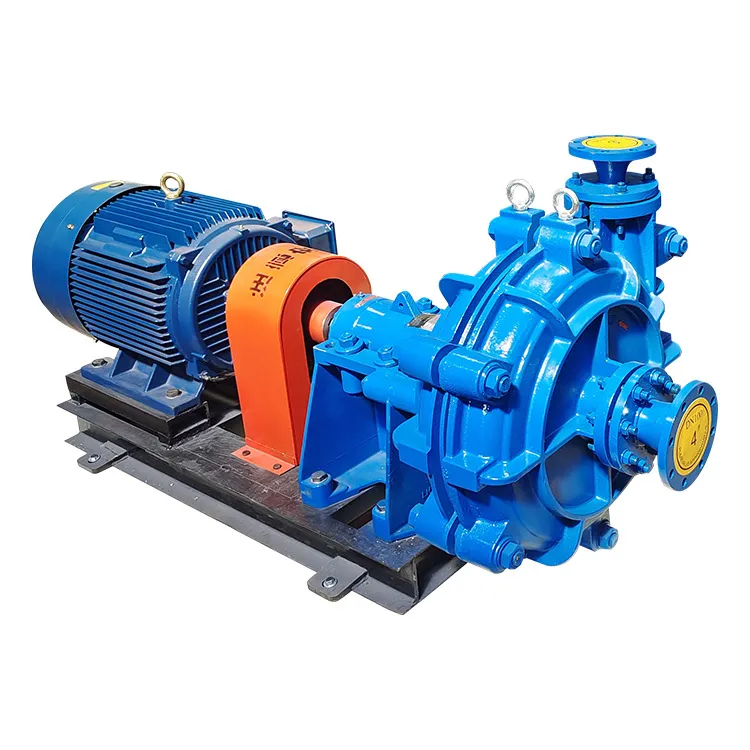
Introduction
Sewage pumps, also known as effluent pumps or wastewater pumps, are specifically engineered to handle solids and liquids found in domestic and industrial wastewater. Positioned within the broader fluid transfer industry, they are a critical component in wastewater treatment plants, municipal sewage systems, residential septic systems, and various industrial applications including construction, mining, and agriculture. Unlike conventional centrifugal pumps, sewage pumps incorporate design features to prevent clogging and ensure reliable operation with abrasive and fibrous materials. Core performance metrics include flow rate (measured in gallons per minute or liters per second), total dynamic head (TDH – the maximum height the pump can lift the fluid, measured in feet or meters), solids handling capability (expressed in diameter of solids), and power consumption (typically measured in horsepower or kilowatts). The increasing demand for efficient and reliable wastewater management, coupled with stringent environmental regulations, is driving innovation in sewage pump technology, focusing on increased efficiency, reduced energy consumption, and improved durability.
Material Science & Manufacturing
The construction of sewage pumps necessitates materials resistant to corrosion, abrasion, and the chemical composition of wastewater. Pump housings are commonly manufactured from cast iron (ASTM A48 Class 30), ductile iron (ASTM A536 65-45-12), or stainless steel (typically 304 or 316 grades) depending on the severity of the operating environment. Impellers, the rotating component responsible for fluid movement, are frequently crafted from high-chromium cast iron, providing excellent abrasion resistance against sand and grit. Shafts are typically made of high-strength alloy steel (AISI 4140) and heat-treated for enhanced durability and fatigue resistance. Seals are crucial to prevent leakage and are commonly composed of silicon carbide (SiC) or tungsten carbide (WC) mechanical seals for extended service life in abrasive conditions. Manufacturing processes vary depending on the component. Pump housings are typically produced via sand casting, followed by machining for precise dimensional accuracy. Impellers utilize investment casting for complex geometries. Shafts are manufactured through forging and precision machining. Key parameter control during manufacturing includes ensuring proper material composition, achieving specified hardness values through heat treatment, maintaining tight tolerances during machining, and rigorous quality control checks for casting defects. The impeller geometry (blade angle, vane number) is optimized using computational fluid dynamics (CFD) to maximize hydraulic efficiency.
Performance & Engineering
Sewage pump performance is fundamentally governed by hydraulic principles and mechanical engineering considerations. Force analysis focuses on impeller loading, bearing forces, and casing stresses under varying flow conditions. Cavitation, the formation and collapse of vapor bubbles within the pump, is a critical concern, leading to impeller erosion and reduced efficiency. Pump designs incorporate features like recessed impellers and optimized inlet geometry to mitigate cavitation risk. Environmental resistance is paramount; pumps operating in outdoor environments must withstand temperature extremes, UV radiation, and potential exposure to corrosive elements. Materials selection and protective coatings (epoxy, polyurethane) are employed to enhance durability. Compliance with industry standards is crucial. In the US, pumps must meet Hydraulic Institute (HI) standards for performance testing and efficiency. European standards (EN 733) specify performance requirements for centrifugal pumps. Furthermore, pumps used in potable water applications must comply with NSF/ANSI 61 standards to ensure the water remains safe for consumption. The pump's hydraulic power is calculated based on fluid density, flow rate, and total dynamic head. Motor selection (typically induction motors) is based on the required power output and operating voltage, accounting for efficiency losses and safety factors. Pump curves, generated through performance testing, graphically represent the pump’s head-flow characteristics.
Technical Specifications
| Parameter | Unit | Typical Range (Residential) | Typical Range (Industrial) |
|---|---|---|---|
| Flow Rate | GPM (Gallons Per Minute) | 20-100 | 100-1000+ |
| Total Dynamic Head (TDH) | Feet | 10-50 | 50-200+ |
| Solids Handling Capability | Inches | Up to 2 | Up to 4+ |
| Motor Horsepower | HP | 1/2 - 2 | 5 - 100+ |
| Pump Material (Housing) | - | Cast Iron, Plastic | Ductile Iron, Stainless Steel |
| Impeller Material | - | Plastic, Cast Iron | High-Chromium Cast Iron, Stainless Steel |
Failure Mode & Maintenance
Sewage pumps are susceptible to several failure modes. Impeller wear and erosion, caused by abrasive solids in the wastewater, is a common issue. Mechanical seal failure, leading to leakage, can occur due to seal wear, debris intrusion, or improper installation. Bearing failure, manifested as excessive noise and vibration, typically results from lubrication failure or overloading. Motor winding failure can occur due to overheating, voltage fluctuations, or moisture ingress. Casing cracking, particularly in cast iron housings, can result from corrosion, fatigue loading, or thermal stress. Delamination of coatings can lead to accelerated corrosion. To mitigate these failures, regular maintenance is crucial. This includes routine visual inspections for leaks, unusual noise, or vibration. Periodic impeller inspection and replacement as needed. Seal replacement based on manufacturer recommendations or observed leakage. Bearing lubrication according to schedule. Motor winding insulation testing to detect degradation. Regular cleaning to remove debris buildup. Preventative maintenance programs, utilizing vibration analysis and oil analysis, can help predict and prevent catastrophic failures. Proper pump selection, considering the specific wastewater characteristics and operating conditions, is also essential for extending service life.
Industry FAQ
Q: What is the significance of the impeller type (e.g., recessed impeller vs. vortex impeller) in a sewage pump application?
A: The impeller type is critical for handling solids. Recessed impellers provide a larger passage for solids and are more efficient for pumping fluids with higher solids content. Vortex impellers are better suited for applications with extremely high solids content or stringy materials, as they create a vortex action that pulls the fluid in without direct contact with the impeller, minimizing clogging, but typically at a lower efficiency.
Q: How does the specific gravity of the wastewater affect pump selection?
A: Wastewater with a higher specific gravity (due to dissolved solids or heavier contaminants) requires a pump with greater power and torque to achieve the desired flow rate and head. Pump performance curves are typically based on water (specific gravity of 1.0); adjustments must be made for fluids with different specific gravities.
Q: What are the considerations for selecting a pump’s motor enclosure type (e.g., TEFC, explosion-proof)?
A: The motor enclosure type depends on the operating environment. Totally Enclosed Fan Cooled (TEFC) motors are standard for most applications. However, in hazardous locations where flammable gases or vapors are present, explosion-proof motors are required to prevent ignition. The appropriate enclosure is determined by adherence to standards like NEC (National Electrical Code) or ATEX (European directive for explosive atmospheres).
Q: What role does variable frequency drive (VFD) technology play in sewage pump systems?
A: VFDs offer significant energy savings and process control capabilities. By adjusting the pump’s speed to match the actual demand, VFDs reduce energy consumption, minimize wear and tear, and provide precise flow control. They are particularly beneficial in systems with fluctuating flow rates, such as municipal wastewater treatment plants.
Q: What is the importance of performing a Net Positive Suction Head Available (NPSHa) calculation when installing a sewage pump?
A: NPSHa is crucial to prevent cavitation. The calculation determines whether there is sufficient pressure at the pump suction to prevent the fluid from flashing into vapor. If NPSHa is less than the Net Positive Suction Head Required (NPSHr) by the pump, cavitation will occur, leading to performance degradation and potential damage.
Conclusion
Sewage pumps represent a vital element in modern wastewater management infrastructure. Their design and materials are carefully selected to address the challenges of handling abrasive, corrosive, and solid-laden fluids. Understanding the fundamental principles of pump performance, coupled with diligent maintenance practices, is essential for ensuring reliable and efficient operation. The continuous advancement in materials science, hydraulic design, and control technologies—such as VFDs—is further enhancing the performance, durability, and energy efficiency of these critical components.
Looking forward, the integration of smart technologies, including remote monitoring and predictive maintenance capabilities, will play an increasingly important role in optimizing sewage pump system performance and minimizing downtime. Furthermore, the development of more sustainable and environmentally friendly pump designs, utilizing biodegradable materials and reducing energy consumption, will be crucial for addressing the growing global demand for effective and responsible wastewater management.
-
Comprehensive Guide to Waterproof ORings for Optimal Sealing Solutions
News2026-06-09
-
Waste Tank Pump Performance Analysis
News2026-06-27
-
Sewer System Pump Out Material Science
News2026-06-27
-
Sewer Ejector Pit Performance Analysis
News2026-06-27
-
septic tank pumps for sale Performance Engineering
News2026-06-27
-
septic system with lift pump Performance Engineering
News2026-06-27
-
septic system sump pump Performance Analysis
News2026-06-26
-
septic pump company Performance Analysis
News2026-06-26
-
pumps water treatment Performance Analysis
News2026-06-26
-
pumps for septic tanks Material Science and Manufacturing
News2026-06-26
-
pump for septic system Material Science Manufacturing
News2026-06-26
-
heavy duty submersible pump Performance Analysis
News2026-06-25
-
best submersible pump for septic tank Performance Analysis
News2026-06-25
-
basement sewer ejector pump Performance Analysis
News2026-06-25
-
basement pumps ejector pumps Performance Analysis
News2026-06-25




