English
- Afrikaans
- Albanian
- Amharic
- Arabic
- Armenian
- Azerbaijani
- Basque
- Belarusian
- Bengali
- Bosnian
- Bulgarian
- Catalan
- Cebuano
- Corsican
- Croatian
- Czech
- Danish
- Dutch
- English
- Esperanto
- Estonian
- Finnish
- French
- Frisian
- Galician
- Georgian
- German
- Greek
- Gujarati
- Haitian Creole
- hausa
- hawaiian
- Hebrew
- Hindi
- Miao
- Hungarian
- Icelandic
- igbo
- Indonesian
- irish
- Italian
- Japanese
- Javanese
- Kannada
- kazakh
- Khmer
- Rwandese
- Korean
- Kurdish
- Kyrgyz
- Lao
- Latin
- Latvian
- Lithuanian
- Luxembourgish
- Macedonian
- Malgashi
- Malay
- Malayalam
- Maltese
- Maori
- Marathi
- Mongolian
- Myanmar
- Nepali
- Norwegian
- Norwegian
- Occitan
- Pashto
- Persian
- Polish
- Portuguese
- Punjabi
- Romanian
- Russian
- Samoan
- Scottish Gaelic
- Serbian
- Sesotho
- Shona
- Sindhi
- Sinhala
- Slovak
- Slovenian
- Somali
- Spanish
- Sundanese
- Swahili
- Swedish
- Tagalog
- Tajik
- Tamil
- Tatar
- Telugu
- Thai
- Turkish
- Turkmen
- Ukrainian
- Urdu
- Uighur
- Uzbek
- Vietnamese
- Welsh
- Bantu
- Yiddish
- Yoruba
- Zulu

Telephone: +86 13120555503
Email: frank@cypump.com


Apr . 01, 2024 17:55 Back to list
sewage pump for septic tank Performance Analysis
Introduction
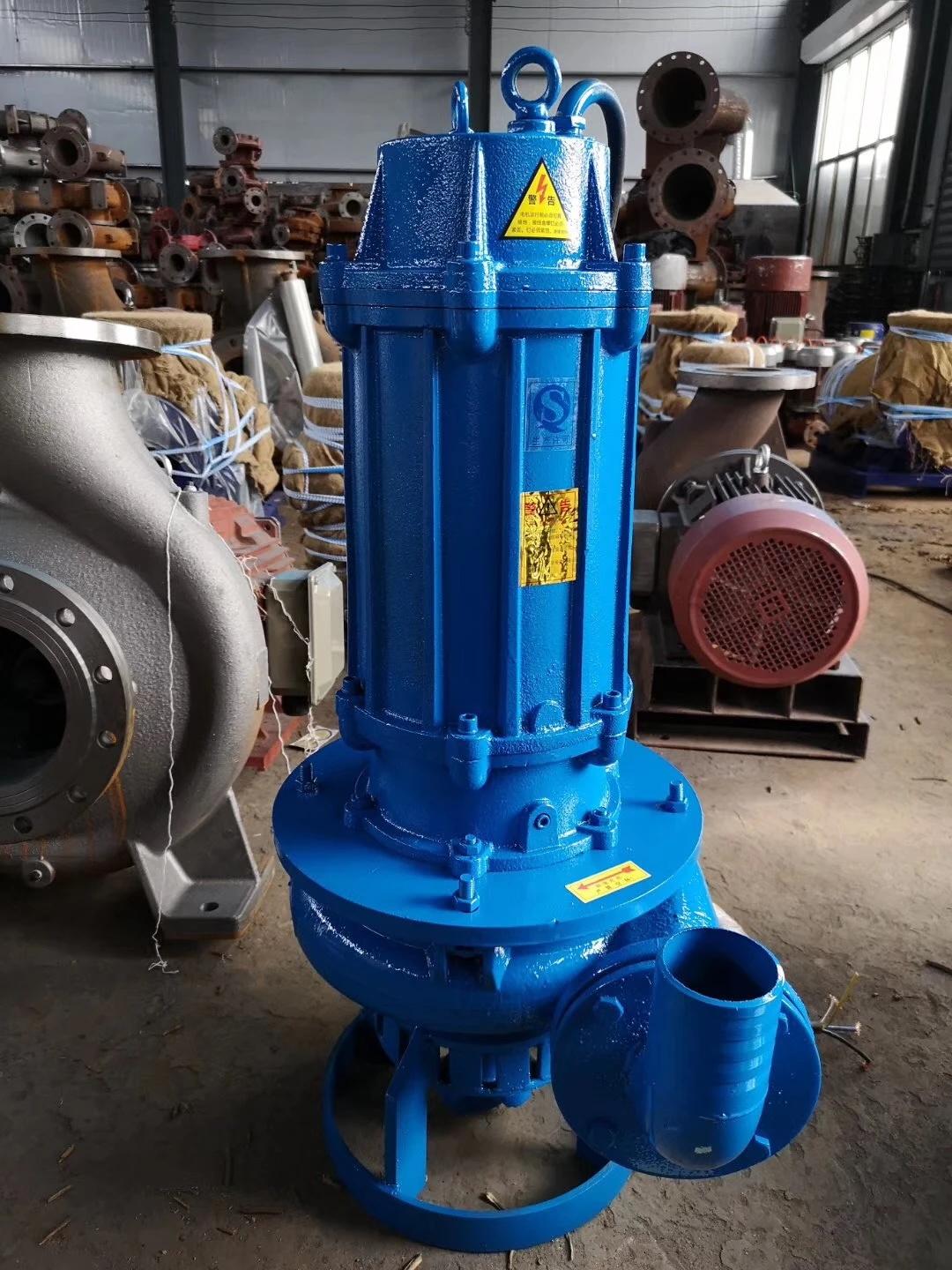
Sewage pumps for septic tanks are submersible pumps specifically designed to transfer wastewater from septic tanks to drain fields or other treatment systems. Positioned within the septic tank, these pumps overcome elevation differences and provide reliable effluent transfer, particularly when gravity flow is insufficient. Their application is critical in areas with challenging topography or where septic tank outlets are situated below the drain field. Core performance characteristics include flow rate (gallons per minute or liters per hour), head (vertical distance the pump can lift the fluid), solids handling capability (size and concentration of solids the pump can process without clogging), and power consumption. The selection of an appropriate sewage pump is paramount to maintaining efficient septic system operation and preventing system failures, potentially leading to environmental contamination and costly repairs. This guide provides a comprehensive technical overview of sewage pumps for septic tank applications, covering material science, manufacturing processes, performance parameters, failure modes, and relevant industry standards.
Material Science & Manufacturing
The construction of sewage pumps for septic tanks necessitates materials resistant to corrosive wastewater components and capable of enduring continuous submersion. Pump housings are commonly manufactured from cast iron (ASTM A48 Class 30 or equivalent), offering robustness and cost-effectiveness, though susceptible to corrosion. Increasingly, stainless steel (specifically 316 stainless steel to ASTM A743 Grade CF8M) is favored for its superior corrosion resistance, particularly against hydrogen sulfide and other aggressive elements found in septic tank effluent. Impellers, responsible for fluid movement, utilize materials such as high-chromium cast iron or reinforced polymers (like polypropylene or glass-filled nylon) to balance wear resistance and efficiency. Shafts are typically made from 4140 alloy steel, heat-treated to achieve high tensile strength and torsional rigidity. Seals are critical; Viton or EPDM elastomers are commonly used for their chemical compatibility with wastewater. Manufacturing processes include sand casting for housings, investment casting for impellers (for complex geometries), and machining for precision components like shafts and seals. Welding processes, such as shielded metal arc welding (SMAW) or gas tungsten arc welding (GTAW), are employed for joining various components. Parameter control during manufacturing is vital: dimensional accuracy of impeller vanes directly impacts pump efficiency, while the quality of welds influences structural integrity and prevents leakage. The quality of the epoxy coating applied to cast iron housings is crucial for corrosion prevention, with coating thickness and adhesion rigorously tested to ASTM D7091.
Performance & Engineering
Sewage pump performance is governed by hydraulic principles and motor characteristics. Force analysis considers hydrostatic pressure (due to fluid depth), dynamic pressure (generated by impeller rotation), and frictional losses within the pump and discharge piping. Pump curves, generated through rigorous testing (following standards like Hydraulic Institute standards), illustrate the relationship between flow rate, head, and efficiency. Environmental resistance is a key engineering consideration; pumps must operate reliably in fluctuating temperatures, high humidity environments, and exposure to corrosive gases. Electrical components require robust encapsulation and waterproofing (typically IP68 rating per IEC 60529) to prevent short circuits and ensure safe operation. Compliance requirements include UL/CSA certification for electrical safety and NSF/ANSI 42 for materials safety (ensuring components do not leach harmful substances into the wastewater). Functional implementation necessitates proper pump sizing based on septic tank volume, drain field capacity, and anticipated wastewater flow rates. Cavitation, a phenomenon where vapor bubbles form and collapse within the impeller, is a common performance concern. Engineering solutions to mitigate cavitation include optimizing impeller design, increasing inlet pressure, and controlling pump speed. The pump’s mechanical seal is engineered to handle abrasive solids and maintain a tight seal under varying pressures, utilizing spring-loaded designs and robust seal materials.
Technical Specifications
| Parameter | Typical Value (Residential Application) | Typical Value (Commercial Application) | Testing Standard |
|---|---|---|---|
| Flow Rate | 40-60 GPM (Gallons Per Minute) | 100-200 GPM | ANSI/HI 1.5 |
| Total Dynamic Head | 10-20 ft | 30-50 ft | ANSI/HI 1.5 |
| Motor Horsepower | 1/2 - 1 HP | 2 - 5 HP | NEMA MG 1 |
| Solids Handling Capacity | Up to 2 inch spherical solids | Up to 3 inch spherical solids | Manufacturer Specification |
| Impeller Type | Vortex or Recessed Impeller | Vortex, Recessed, or Chopper Impeller | ANSI/HI 10 |
| Minimum Wet Well Depth | 18 inches | 24 inches | Manufacturer Recommendation |
Failure Mode & Maintenance
Sewage pump failures commonly stem from several modes. Impeller blockage, caused by accumulation of rags, plastics, or other debris, is a frequent issue. Fatigue cracking in the impeller or housing can occur due to repeated stress cycles and corrosive attack. Seal failure leads to leakage and motor damage. Motor winding failure results from overheating or moisture ingress. Bearing failure, evidenced by excessive noise and vibration, indicates inadequate lubrication or contamination. Oxidation and corrosion of metal components reduce structural integrity. Preventive maintenance is critical. Regular inspection (every 6-12 months) should include checking for impeller blockage, seal leakage, bearing noise, and corrosion. Flushing the pump with clean water can remove accumulated solids. Lubricating bearings (if applicable) with appropriate grease extends their lifespan. Monitoring motor current and voltage can identify early signs of winding degradation. Periodic inspection of the electrical connections and wiring prevents short circuits. Replacement of seals and impellers should be performed according to manufacturer recommendations. For cast iron pumps, regular inspection of the epoxy coating and repair of any damaged areas prevents corrosion. Utilizing a pump with a chopper or grinder function minimizes blockage by reducing the size of solids entering the pump.
Industry FAQ
Q: What is the difference between a vortex and a recessed impeller pump, and which is better for septic tank applications?
A: Vortex impellers utilize a unique design that creates a swirling action to draw wastewater into the pump, minimizing contact between solids and the impeller. This makes them ideal for handling large solids without clogging, commonly used in septic tank applications. Recessed impellers have the impeller recessed within the pump housing, also offering good solids handling but potentially being more susceptible to clogging with fibrous materials than vortex designs. For standard residential septic tanks with typical waste composition, a vortex impeller is generally preferred due to its reduced risk of blockage.
Q: How do I determine the correct pump size (horsepower and flow rate) for my septic system?
A: Pump sizing depends on several factors: septic tank volume, drain field size and permeability, the vertical lift (head) from the tank to the drain field, and the expected peak flow rate. A qualified septic system professional should perform a hydraulic calculation to determine the appropriate pump size. Over-sizing the pump can lead to inefficient operation and potential damage to the drain field, while under-sizing can result in insufficient effluent transfer.
Q: What is the significance of the IP68 rating for a sewage pump?
A: IP68 is an ingress protection rating defined by IEC 60529. "IP" stands for Ingress Protection. The "6" indicates that the pump is dust-tight, meaning no ingress of dust or solid objects. The "8" signifies that the pump is protected against the effects of continuous immersion in water. This rating is crucial for sewage pumps, as they are constantly submerged in wastewater.
Q: How can I extend the lifespan of my sewage pump?
A: Regular maintenance is key. This includes periodic inspection for blockages, seal leakage, and bearing noise; flushing the pump to remove debris; and ensuring proper electrical connections. Avoiding the disposal of non-biodegradable materials (e.g., feminine hygiene products, wipes) into the septic system also significantly reduces the risk of pump failure. Consider installing a filter upstream of the pump to capture solids.
Q: What should I do if my sewage pump is making unusual noises?
A: Unusual noises, such as grinding, squealing, or rattling, can indicate several problems. Grinding sounds might suggest impeller damage or blockage. Squealing can indicate bearing failure. Rattling may be caused by loose components or debris within the pump. Immediately turn off the pump and contact a qualified service technician for inspection and repair. Continuing to operate the pump with unusual noises can lead to further damage and potentially complete failure.
Conclusion
The selection and proper maintenance of sewage pumps for septic tanks are critical for ensuring the long-term functionality and environmental safety of wastewater treatment systems. The inherent challenges of handling corrosive wastewater and abrasive solids necessitate the use of materials and designs optimized for durability and reliability. Understanding the principles of pump performance, potential failure modes, and relevant industry standards is crucial for informed decision-making and proactive maintenance strategies.
Future developments in sewage pump technology are likely to focus on increased energy efficiency, enhanced solids handling capabilities, and integration with smart monitoring systems for predictive maintenance. Advancements in materials science will continue to yield more corrosion-resistant and durable components. Adopting these innovations will contribute to more sustainable and cost-effective wastewater management solutions.
-
sump pump for septic systems Material Science Manufacturing
News2026-05-20
-
sump pump and ejector pump Material Science Manufacturing
News2026-05-20
-
sewage treatment plant pumps Performance Analysis
News2026-05-20
-
sewage tank pump Material Science and Manufacturing
News2026-05-20
-
sewage pump for septic tank Performance Analysis
News2026-05-20
-
Sewage Pump and Tank Performance Analysis
News2026-05-19
-
Sewage Ejector Pump Replacement Performance Analysis
News2026-05-19
-
sewage ejector pump for basement bathroom Material Science Manufacturing
News2026-05-19
-
sewage ejection pump Material Science and Manufacturing
News2026-05-19
-
in line sewage pump Performance Analysis
News2026-05-19
-
effluent sump pump Performance Analysis
News2026-05-18
-
best grinder pump for sewage Performance Engineering
News2026-05-18
-
basement waste water pump Performance Engineering
News2026-05-18
-
sump pump sewer Performance Analysis
News2026-05-18
-
sump pump for sewer Performance Analysis
News2026-05-18




