English
- Afrikaans
- Albanian
- Amharic
- Arabic
- Armenian
- Azerbaijani
- Basque
- Belarusian
- Bengali
- Bosnian
- Bulgarian
- Catalan
- Cebuano
- Corsican
- Croatian
- Czech
- Danish
- Dutch
- English
- Esperanto
- Estonian
- Finnish
- French
- Frisian
- Galician
- Georgian
- German
- Greek
- Gujarati
- Haitian Creole
- hausa
- hawaiian
- Hebrew
- Hindi
- Miao
- Hungarian
- Icelandic
- igbo
- Indonesian
- irish
- Italian
- Japanese
- Javanese
- Kannada
- kazakh
- Khmer
- Rwandese
- Korean
- Kurdish
- Kyrgyz
- Lao
- Latin
- Latvian
- Lithuanian
- Luxembourgish
- Macedonian
- Malgashi
- Malay
- Malayalam
- Maltese
- Maori
- Marathi
- Mongolian
- Myanmar
- Nepali
- Norwegian
- Norwegian
- Occitan
- Pashto
- Persian
- Polish
- Portuguese
- Punjabi
- Romanian
- Russian
- Samoan
- Scottish Gaelic
- Serbian
- Sesotho
- Shona
- Sindhi
- Sinhala
- Slovak
- Slovenian
- Somali
- Spanish
- Sundanese
- Swahili
- Swedish
- Tagalog
- Tajik
- Tamil
- Tatar
- Telugu
- Thai
- Turkish
- Turkmen
- Ukrainian
- Urdu
- Uighur
- Uzbek
- Vietnamese
- Welsh
- Bantu
- Yiddish
- Yoruba
- Zulu

Telephone: +86 13120555503
Email: frank@cypump.com


Apr . 01, 2024 17:55 Back to list
sewage pump for basement toilet Performance Engineering
Introduction
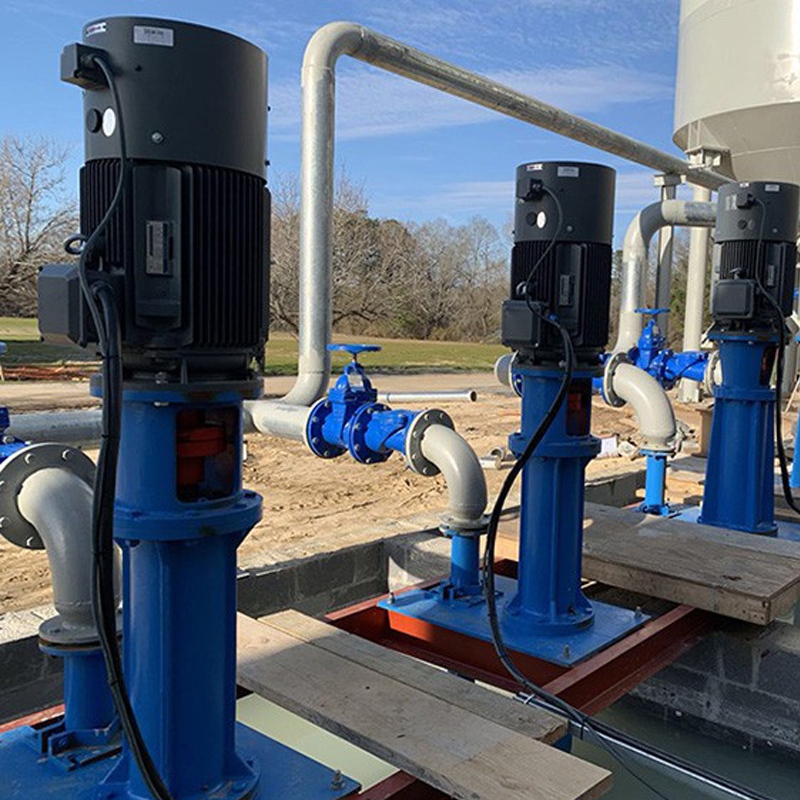
Sewage pumps designed for basement toilet applications represent a critical component in wastewater management for residential and commercial buildings lacking direct gravity drainage. These pumps are engineered to efficiently evacuate blackwater – containing toilet waste – and greywater from lower-level fixtures to the municipal sewer system or a septic tank. Their technical position within the wastewater chain is immediately post-fixture and prior to the main sewer line or septic system. Core performance characteristics are defined by flow rate (gallons per minute - GPM), total dynamic head (TDH) in feet, solids handling capacity (typically in inch diameter), and pump curve efficiency. Addressing the primary pain point of basement flooding and sewage backup, these pumps offer automated and reliable removal of wastewater, preventing costly damage and maintaining sanitary conditions. The selection process heavily considers factors like pump type (vortex, cutter, submersible), motor horsepower, and control system sophistication based on anticipated wastewater volume and solids content.
Material Science & Manufacturing
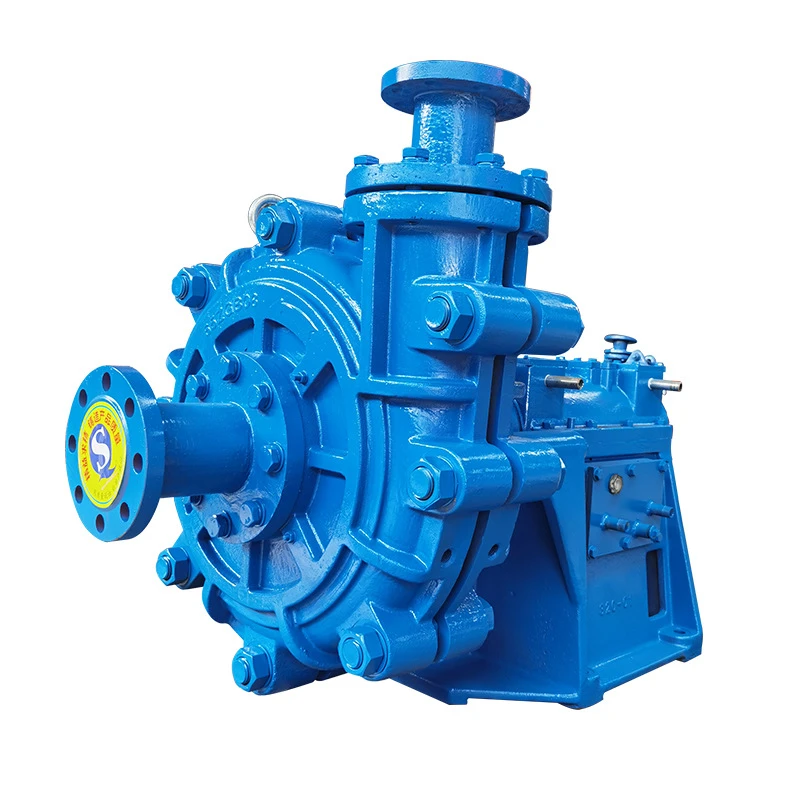
The construction of sewage pumps for basement toilets relies on a combination of materials selected for corrosion resistance, durability, and hydraulic efficiency. Pump housings are commonly cast iron (ASTM A48 Class 30) coated with epoxy or a similar protective layer to withstand prolonged exposure to corrosive wastewater components. Impellers, the rotating elements responsible for generating flow, are frequently manufactured from high-strength stainless steel (304 or 316 grade, per ASTM A240) or engineered polymers such as polypropylene (PP) or polyvinyl chloride (PVC) – chosen based on solids handling requirements and abrasive wear resistance. Shafts are typically constructed from 4140 alloy steel, heat-treated to achieve high tensile strength and torsional rigidity. Seals are critical for leak-proof operation; common materials include silicon carbide (SiC) versus SiC mechanical seals known for their exceptional wear resistance and chemical compatibility. Manufacturing processes involve several key steps: casting for the housing, precision machining for the impeller and shaft, and injection molding for polymer components. Welding (SMAW or GMAW, per AWS D1.1) is employed for certain housing connections. Critical parameter control focuses on impeller balance (to minimize vibration), seal alignment, and coating thickness to ensure long-term reliability and prevent premature failure. Quality control utilizes non-destructive testing methods like ultrasonic testing (UT) and magnetic particle inspection (MPI) to detect internal flaws in critical components.
Performance & Engineering
Performance analysis of sewage pumps centers on the relationship between flow rate and total dynamic head (TDH), graphically represented by the pump curve. TDH accounts for static lift (vertical distance to discharge point), friction losses within the piping system, and velocity head. Force analysis involves evaluating stresses on the impeller and shaft during operation, considering factors like fluid inertia and hydraulic pressure. Environmental resistance is crucial; pumps must withstand fluctuating temperatures, humidity, and potential exposure to corrosive gases. Compliance requirements include certifications like UL/CSA for electrical safety (UL 778, CSA C22.2 No. 108) and NSF/ANSI 61 for materials used in contact with potable water (even for non-potable applications, this standard demonstrates material compatibility). Functional implementation depends on the control system: float switches are common for automatic on/off operation based on water level, while more sophisticated systems employ pressure transducers and programmable logic controllers (PLCs) for precise control and remote monitoring. A key engineering challenge is preventing clogging; vortex impellers are designed to handle solids without maceration, minimizing the risk of blockage. Pump sizing is determined by peak flow rates and TDH calculations, ensuring adequate capacity to handle anticipated wastewater loads.
Technical Specifications
| Model Number | Motor Horsepower (HP) | Maximum Flow Rate (GPM) | Maximum Total Dynamic Head (ft) |
|---|---|---|---|
| SPB-100 | 1/2 | 45 | 25 |
| SPB-200 | 3/4 | 65 | 35 |
| SPB-300 | 1 | 85 | 45 |
| SPB-400 | 1.5 | 100 | 55 |
| SPB-500 | 2 | 120 | 65 |
| SPB-600 | 3 | 150 | 80 |
Failure Mode & Maintenance
Sewage pumps are susceptible to several failure modes. Fatigue cracking in the impeller or shaft can occur due to cyclical loading and stress concentration. Delamination of the epoxy coating on the housing leads to corrosion and eventual material degradation. Bearing failure, evidenced by unusual noise and vibration, results from insufficient lubrication or contamination. Clogging, a common issue, is caused by solid debris obstructing the impeller, leading to reduced flow and potential motor overload. Oxidation of electrical components, particularly in humid environments, can cause short circuits and pump failure. Maintenance solutions include regular inspection of the impeller for wear or damage, periodic cleaning of the pump basin to remove debris, and lubrication of bearings according to manufacturer specifications (typically using a lithium-based grease). Seal replacement is recommended every 1-2 years, or as indicated by leakage. Preventive maintenance also includes verifying the proper operation of the float switch and inspecting the power cord for damage. Failure analysis involves identifying the root cause of the failure – whether mechanical, electrical, or environmental – to prevent recurrence. Monitoring pump runtime hours and tracking maintenance activities is crucial for optimizing lifespan and minimizing downtime.
Industry FAQ
Q: What is the difference between a vortex and a cutter impeller pump, and which is best for a basement toilet application?
A: Vortex impellers utilize a recessed design to create a swirling motion, effectively drawing in solids without maceration. Cutter impellers employ rotating blades to chop solids into smaller pieces. For basement toilets, vortex impellers are generally preferred. While cutter impellers can handle some solids, they are more prone to clogging with fibrous materials or larger objects common in residential wastewater. Vortex pumps offer higher solids handling capacity and reduced risk of blockage, minimizing maintenance requirements.
Q: How do I determine the appropriate pump horsepower for my application?
A: Pump horsepower is dictated by the total dynamic head (TDH) and flow rate requirements. Calculate the TDH by summing the static lift (vertical distance from the pump to the discharge point) and friction losses in the piping system. Determine the peak flow rate based on the number of fixtures and anticipated usage. Utilize pump curves provided by the manufacturer to select a pump that delivers the required flow rate at the calculated TDH. It’s crucial to slightly oversize the pump to accommodate fluctuations in wastewater volume.
Q: What is the role of a check valve in a sewage pump system?
A: A check valve is essential to prevent backflow of wastewater into the pump basin when the pump shuts off. This prevents the pump from having to re-pump the same water, reducing energy consumption and extending pump life. It also helps maintain prime, ensuring the pump starts reliably. The check valve should be installed immediately after the pump discharge.
Q: What types of alarm systems are commonly used with sewage pumps?
A: Common alarm systems include high-level alarms that trigger when the water level in the basin exceeds a preset threshold, indicating a pump failure or blockage. Pump failure alarms detect motor overload or loss of power. Control panel alarms signal issues with the pump's control system. Remote monitoring systems can provide real-time alerts via email or SMS.
Q: What are the primary causes of premature pump failure, and how can they be mitigated?
A: Premature pump failure is often caused by solids buildup and clogging, corrosion, electrical issues, or improper installation. Mitigating these issues involves installing a properly sized pump with a vortex impeller, regular cleaning of the pump basin, ensuring adequate ventilation to prevent corrosion, using a surge protector to safeguard against electrical spikes, and adhering to the manufacturer's installation guidelines.
Conclusion
The selection and application of sewage pumps for basement toilets require a thorough understanding of hydraulic principles, material science, and potential failure modes. Proper sizing, based on accurate TDH and flow rate calculations, is paramount for optimal performance and longevity. Choosing a pump with a vortex impeller and implementing a robust maintenance schedule – including regular inspection, cleaning, and seal replacement – significantly reduces the risk of costly repairs and downtime. Adherence to relevant industry standards (UL/CSA, NSF/ANSI) ensures safety and material compatibility.
Looking forward, advancements in pump technology, such as variable frequency drives (VFDs) for energy-efficient operation and smart control systems with predictive maintenance capabilities, will further enhance the reliability and cost-effectiveness of basement sewage pump systems. Continued focus on durable materials and improved impeller designs will minimize clogging and extend pump lifespan, providing homeowners and building managers with a more sustainable and dependable wastewater solution.
-
sewage submersible pumps Material Science Manufacturing
News2026-05-16
-
sewage pump for basement toilet Performance Engineering
News2026-05-16
-
Sewage Ejector Pump Systems Performance Analysis
News2026-05-16
-
sewage effluent pump Material Science and Manufacturing
News2026-05-16
-
effluent pumps for septic tanks Material Science Manufacturing
News2026-05-16
-
Sewer Line Pump Material Science and Manufacturing
News2026-05-15
-
best sewage pump Performance Analysis
News2026-05-15
-
sewage pump for basement bathroom Performance and Engineering
News2026-05-15
-
submersible sewer pump Material Science and Manufacturing
News2026-05-15
-
septic tank sump pump Performance Analysis
News2026-05-15
-
effluent pump Performance and Engineering
News2026-05-14
-
basement waste pump Performance Analysis
News2026-05-14
-
sewage water pump Material Science and Manufacturing
News2026-05-14
-
Sewage Transfer Pump Performance Analysis
News2026-05-14
-
sewage submersible pump Performance Analysis
News2026-05-14




