English
- Afrikaans
- Albanian
- Amharic
- Arabic
- Armenian
- Azerbaijani
- Basque
- Belarusian
- Bengali
- Bosnian
- Bulgarian
- Catalan
- Cebuano
- Corsican
- Croatian
- Czech
- Danish
- Dutch
- English
- Esperanto
- Estonian
- Finnish
- French
- Frisian
- Galician
- Georgian
- German
- Greek
- Gujarati
- Haitian Creole
- hausa
- hawaiian
- Hebrew
- Hindi
- Miao
- Hungarian
- Icelandic
- igbo
- Indonesian
- irish
- Italian
- Japanese
- Javanese
- Kannada
- kazakh
- Khmer
- Rwandese
- Korean
- Kurdish
- Kyrgyz
- Lao
- Latin
- Latvian
- Lithuanian
- Luxembourgish
- Macedonian
- Malgashi
- Malay
- Malayalam
- Maltese
- Maori
- Marathi
- Mongolian
- Myanmar
- Nepali
- Norwegian
- Norwegian
- Occitan
- Pashto
- Persian
- Polish
- Portuguese
- Punjabi
- Romanian
- Russian
- Samoan
- Scottish Gaelic
- Serbian
- Sesotho
- Shona
- Sindhi
- Sinhala
- Slovak
- Slovenian
- Somali
- Spanish
- Sundanese
- Swahili
- Swedish
- Tagalog
- Tajik
- Tamil
- Tatar
- Telugu
- Thai
- Turkish
- Turkmen
- Ukrainian
- Urdu
- Uighur
- Uzbek
- Vietnamese
- Welsh
- Bantu
- Yiddish
- Yoruba
- Zulu

Telephone: +86 13120555503
Email: frank@cypump.com


Apr . 01, 2024 17:55 Back to list
sewage pump for basement Performance and Engineering
Introduction
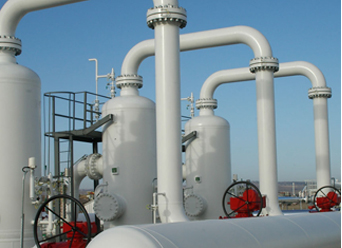
Submersible sewage pumps for basement applications are specialized centrifugal pumps designed to efficiently remove wastewater and solids from below-grade environments. Their technical position within the wastewater management chain is critical, acting as the initial stage of solids handling and preventing basement flooding or system backups. These pumps differ significantly from standard sump pumps due to their ability to handle larger solids and more abrasive materials commonly found in sewage. Core performance characteristics include flow rate (gallons per minute or liters per second), head (vertical lift capacity in feet or meters), impeller design (affecting solids handling capability), motor horsepower (determining power and efficiency), and overall durability in corrosive environments. The rising frequency of extreme weather events and aging infrastructure creates a growing need for reliable basement sewage pumps, driving demand for increased performance, longevity, and automated control systems.
Material Science & Manufacturing
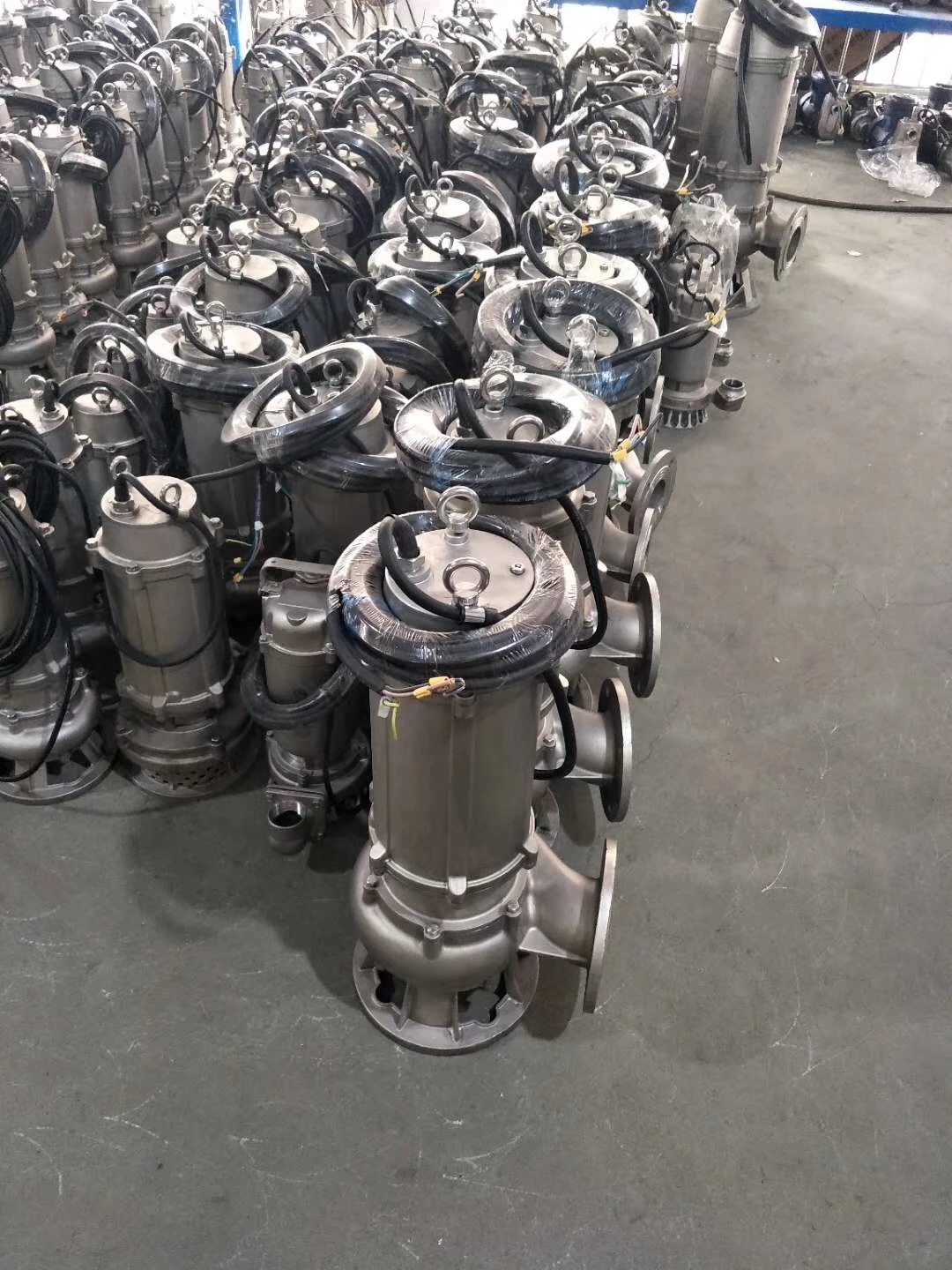
The construction of a basement sewage pump necessitates careful material selection due to the aggressive nature of sewage. Pump housings are commonly manufactured from cast iron (ASTM A48 Class 30 or equivalent), selected for its robustness, wear resistance, and cost-effectiveness. However, for enhanced corrosion resistance, stainless steel (304 or 316L grades - ASTM A240) is increasingly employed, particularly in pumps designed for frequent or continuous operation. Impellers are often made from high-grade stainless steel or engineered polymers like glass-filled polypropylene. Motor casings typically utilize cast iron or steel. Shafts are usually manufactured from 4140 or 4340 alloy steel, heat-treated for high tensile strength and wear resistance. Seals are a crucial component, generally employing silicon carbide faces with Viton or EPDM elastomers to ensure chemical compatibility and prevent leakage. The manufacturing process involves precision casting, machining, welding (following AWS D1.1 standards for structural welding), and rigorous quality control. Parameter control during casting includes precise temperature management and sand composition to avoid porosity. Machining tolerances are critical for impeller balance and bearing alignment. Coatings, such as epoxy or ceramic linings, are often applied to internal surfaces to further enhance corrosion resistance and reduce frictional losses.
Performance & Engineering
The performance of a basement sewage pump is governed by principles of fluid dynamics and mechanical engineering. Force analysis focuses on impeller loading, bearing stresses, and housing pressure. Cavitation is a significant concern; proper Net Positive Suction Head (NPSH) requirements (determined by pump speed, impeller design, and fluid temperature) must be met to prevent impeller damage. Environmental resistance is paramount. Pumps must withstand continuous submersion, fluctuating temperatures, and the presence of corrosive chemicals (hydrogen sulfide, chlorides, sulfates). Compliance requirements include UL/CSA safety certifications (indicating electrical safety) and potentially NSF/ANSI 61 certification (for potable water compatibility if backflow is a concern). Pump selection requires careful consideration of Total Dynamic Head (TDH), which encompasses static lift, friction losses in piping, and any pressure at the discharge point. Impeller design dictates solids handling capacity; vortex impellers are preferred for stringy solids, while radial impellers offer higher efficiency for cleaner fluids. Motor design considers duty cycle (intermittent vs. continuous operation) and voltage/frequency requirements. Automatic float switches or level sensors are integrated to control pump operation based on water level, preventing dry running and maximizing efficiency. Pump curves (performance charts) are essential for accurate selection based on specific application demands.
Technical Specifications
| Parameter | Unit | Typical Range | Testing Standard |
|---|---|---|---|
| Flow Rate | GPM (Gallons Per Minute) | 40-150 | ANSI/HI 1.1 |
| Total Dynamic Head | ft (Feet) | 10-50 | ANSI/HI 1.1 |
| Motor Horsepower | HP | 1/2 - 3 | NEMA MG 1 |
| Solids Handling Capability | inches | Up to 2 | Manufacturer's Specification |
| Impeller Material | - | Stainless Steel, Polymer | ASTM A240, ASTM D696 |
| Housing Material | - | Cast Iron, Stainless Steel | ASTM A48, ASTM A240 |
Failure Mode & Maintenance
Basement sewage pumps are susceptible to several failure modes. Fatigue cracking in the impeller or housing can occur due to cyclical stress and corrosion. Bearing failure results from inadequate lubrication, contamination, or excessive loading. Seal failure leads to leakage and motor damage. Clogging, caused by accumulated solids, reduces pump efficiency and can lead to motor overload. Corrosion, particularly in cast iron housings, weakens structural integrity. Oxidation of electrical components can cause intermittent operation or complete failure. Preventative maintenance is crucial. Regular inspection of the impeller for wear or damage is essential. Bearing lubrication (following manufacturer’s recommendations) should be performed periodically. Seal replacement should occur at scheduled intervals or upon detection of leakage. The pump intake should be cleared of debris regularly. Periodic voltage and current measurements can identify potential motor issues. In the event of failure, thorough failure analysis (including visual inspection, material analysis, and electrical testing) is necessary to determine the root cause and prevent recurrence. Proper storage during periods of non-use (draining and drying the pump) minimizes corrosion and extends service life.
Industry FAQ
Q: What is the primary difference between a sump pump and a sewage ejector pump?
A: Sump pumps are designed to remove clear water, typically from foundation drainage. Sewage ejector pumps, conversely, are designed to handle wastewater containing solids, like those from basement toilets or laundry facilities. Sewage pumps have a different impeller design to manage solids, and are constructed from materials more resistant to corrosion from sewage components.
Q: How do I determine the correct horsepower for my sewage pump?
A: Horsepower selection depends on the total dynamic head (TDH) and the required flow rate. Higher TDH and flow rates necessitate more horsepower. Consider the vertical lift, pipe length, pipe diameter, and any fittings that contribute to friction loss. Consulting pump curves is essential for optimal selection.
Q: What are the common causes of sewage pump failure?
A: Common failure causes include impeller clogging, bearing failure due to lack of lubrication or contamination, seal failure leading to leakage, motor burnout from overheating or overload, and corrosion of pump components. Regular maintenance can mitigate many of these issues.
Q: What material is best for the pump housing to prevent corrosion?
A: While cast iron is cost-effective, stainless steel (304 or 316L) offers significantly superior corrosion resistance, particularly in environments with high levels of hydrogen sulfide or chlorides. Epoxy or ceramic coatings can also enhance corrosion protection for cast iron housings.
Q: How often should I inspect and maintain my sewage pump?
A: Visual inspections should be conducted monthly, checking for leaks, unusual noises, or reduced flow. Bearing lubrication should be performed according to the manufacturer's recommendations, typically every 6-12 months. A thorough inspection of the impeller and internal components should be conducted annually.
Conclusion
Selecting and maintaining a basement sewage pump demands a thorough understanding of fluid dynamics, material science, and electrical engineering principles. Failure to account for factors such as Total Dynamic Head, solids handling requirements, and environmental conditions can result in premature failure and costly repairs. Prioritizing corrosion-resistant materials, implementing a robust preventative maintenance program, and adhering to industry standards are critical for ensuring long-term reliability and preventing basement flooding.
Future advancements in basement sewage pump technology are likely to focus on increased efficiency through improved impeller designs and motor technology, enhanced monitoring and control systems utilizing IoT sensors for predictive maintenance, and the development of more durable and corrosion-resistant materials. The integration of variable frequency drives (VFDs) can optimize energy consumption by adjusting pump speed to match demand. Ultimately, a holistic approach to system design and maintenance is essential for maximizing the lifespan and performance of these critical wastewater management components.
-
sewage pump for basement Performance and Engineering
News2026-05-28
-
Sewage Pump Companies Performance Analysis
News2026-05-28
-
Sewage Pit and Pump Performance Analysis
News2026-05-28
-
Sewage Lift Pumps Material Science
News2026-05-28
-
Sewage Ejector Tank Material Science and Manufacturing
News2026-05-28
-
sewage effluent pumps Material Science Manufacturing
News2026-05-27
-
septic tank effluent pump Performance Analysis
News2026-05-27
-
Septic Sewer Pump Performance Analysis
News2026-05-27
-
septic sewage pumps Performance Analysis
News2026-05-27
-
septic sewage pump Material Science and Manufacturing
News2026-05-27
-
residential sewage pumps Material Science and Manufacturing
News2026-05-26
-
residential sewage lift pump Performance Analysis
News2026-05-26
-
high head sump pump Performance and Engineering
News2026-05-26
-
effluent pump for septic tank Material Science Manufacturing
News2026-05-26
-
effluent and sewage pumps Material Science Manufacturing
News2026-05-26




