English
- Afrikaans
- Albanian
- Amharic
- Arabic
- Armenian
- Azerbaijani
- Basque
- Belarusian
- Bengali
- Bosnian
- Bulgarian
- Catalan
- Cebuano
- Corsican
- Croatian
- Czech
- Danish
- Dutch
- English
- Esperanto
- Estonian
- Finnish
- French
- Frisian
- Galician
- Georgian
- German
- Greek
- Gujarati
- Haitian Creole
- hausa
- hawaiian
- Hebrew
- Hindi
- Miao
- Hungarian
- Icelandic
- igbo
- Indonesian
- irish
- Italian
- Japanese
- Javanese
- Kannada
- kazakh
- Khmer
- Rwandese
- Korean
- Kurdish
- Kyrgyz
- Lao
- Latin
- Latvian
- Lithuanian
- Luxembourgish
- Macedonian
- Malgashi
- Malay
- Malayalam
- Maltese
- Maori
- Marathi
- Mongolian
- Myanmar
- Nepali
- Norwegian
- Norwegian
- Occitan
- Pashto
- Persian
- Polish
- Portuguese
- Punjabi
- Romanian
- Russian
- Samoan
- Scottish Gaelic
- Serbian
- Sesotho
- Shona
- Sindhi
- Sinhala
- Slovak
- Slovenian
- Somali
- Spanish
- Sundanese
- Swahili
- Swedish
- Tagalog
- Tajik
- Tamil
- Tatar
- Telugu
- Thai
- Turkish
- Turkmen
- Ukrainian
- Urdu
- Uighur
- Uzbek
- Vietnamese
- Welsh
- Bantu
- Yiddish
- Yoruba
- Zulu

Telephone: +86 13120555503
Email: frank@cypump.com


Apr . 01, 2024 17:55 Back to list
sewage pump for basement bathroom Performance and Engineering
Introduction
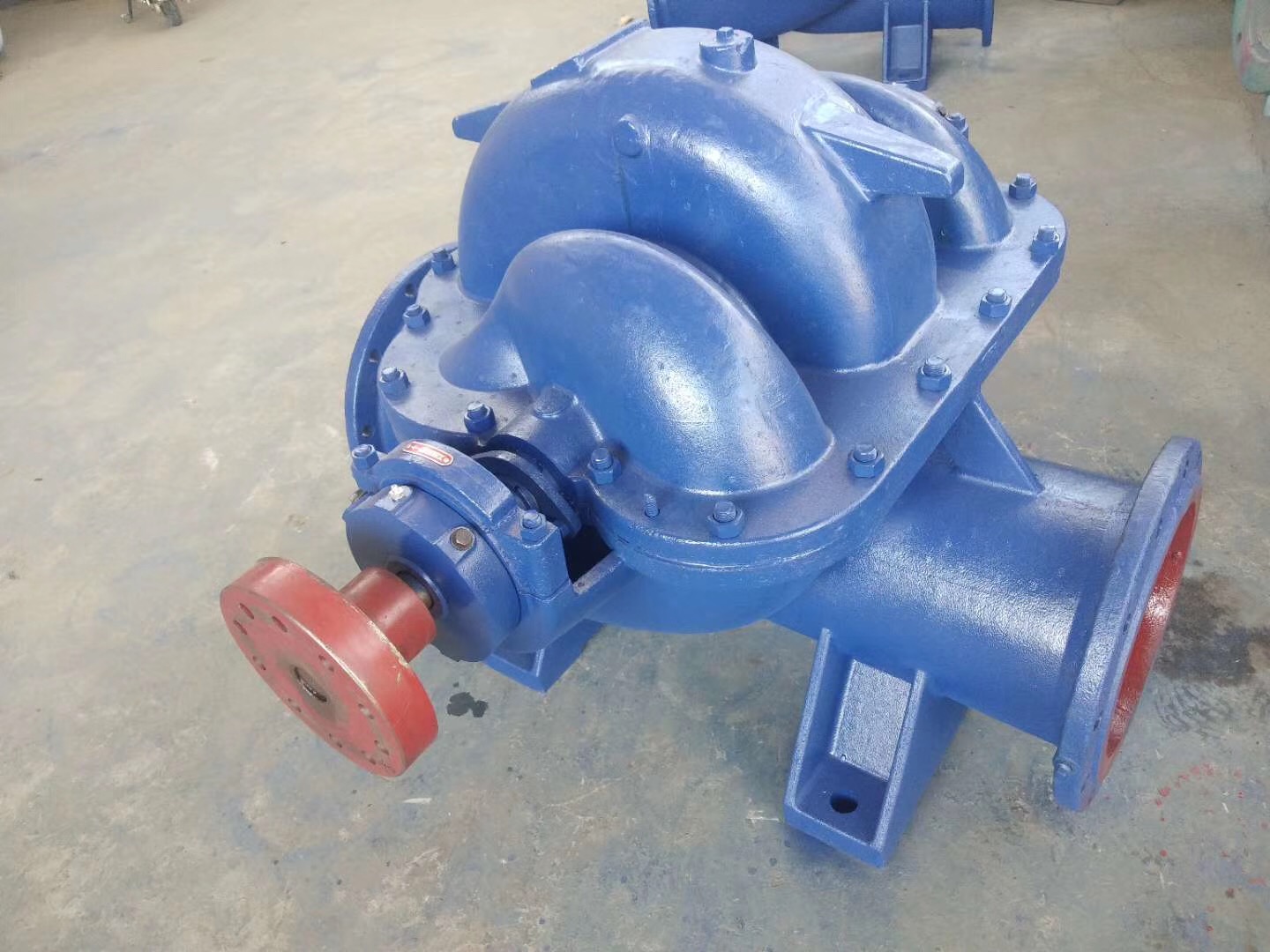
Submersible sewage pumps designed for basement bathroom applications represent a critical component in wastewater management for residential and light commercial properties. These pumps are specifically engineered to handle solids and debris commonly found in bathroom wastewater, differing significantly from clear water sump pumps. Their technical position within the building services chain lies downstream of plumbing fixtures, providing the necessary lift to discharge wastewater to the municipal sewer system or a septic tank when gravity drainage is not feasible. Core performance characteristics revolve around hydraulic capacity (gallons per minute/liter per minute), head pressure (vertical lift), solids handling capability (diameter of particles), and motor efficiency. The increasing prevalence of basement bathroom installations, coupled with stricter environmental regulations regarding wastewater discharge, drives the demand for robust, reliable, and energy-efficient sewage pumps. A significant industry pain point is premature pump failure due to improper sizing, abrasive material buildup, or insufficient protection against thermal overload, leading to costly repairs and potential property damage. Understanding the nuanced requirements of basement bathroom applications, specifically relating to intermittent usage and potential for clogging, is paramount for proper pump selection and long-term performance.
Material Science & Manufacturing
The construction of a sewage pump for basement bathroom applications involves a sophisticated interplay of material science and manufacturing processes. Pump housings are typically manufactured from cast iron (ASTM A48 Class 30), polypropylene, or high-density polyethylene (HDPE). Cast iron provides excellent weight and durability, but requires a corrosion-resistant coating (epoxy or powder coat) to prevent degradation in the wastewater environment. Polypropylene and HDPE offer inherent corrosion resistance, reducing the need for coatings, but possess lower mechanical strength. Impellers, responsible for generating hydraulic force, are commonly made from stainless steel (304 or 316), engineered polymers like glass-filled nylon, or bronze. Stainless steel offers superior wear resistance against abrasive solids but is more expensive. Motor housings are typically aluminum alloy, chosen for its lightweight nature and efficient heat dissipation. Shafts are crafted from stainless steel (410 or 420) for high tensile strength and corrosion resistance. Manufacturing processes include: 1) Casting: For iron housings, sand casting or investment casting is employed, followed by machining for dimensional accuracy. 2) Injection Molding: Polypropylene and HDPE housings are formed using injection molding, optimizing for wall thickness and structural integrity. 3) Machining: Stainless steel impellers and shafts undergo precision machining, including CNC milling and turning. 4) Welding: Certain pump components utilize welding, specifically for joining flanges and fittings. Parameter control is crucial – molten metal temperature, cooling rates during casting, injection pressure in molding, and weld penetration depth all significantly impact the final product’s performance and longevity. Chemical compatibility assessments are performed to ensure material resistance to common wastewater constituents like hydrogen sulfide, sulfates, and chlorides.
Performance & Engineering
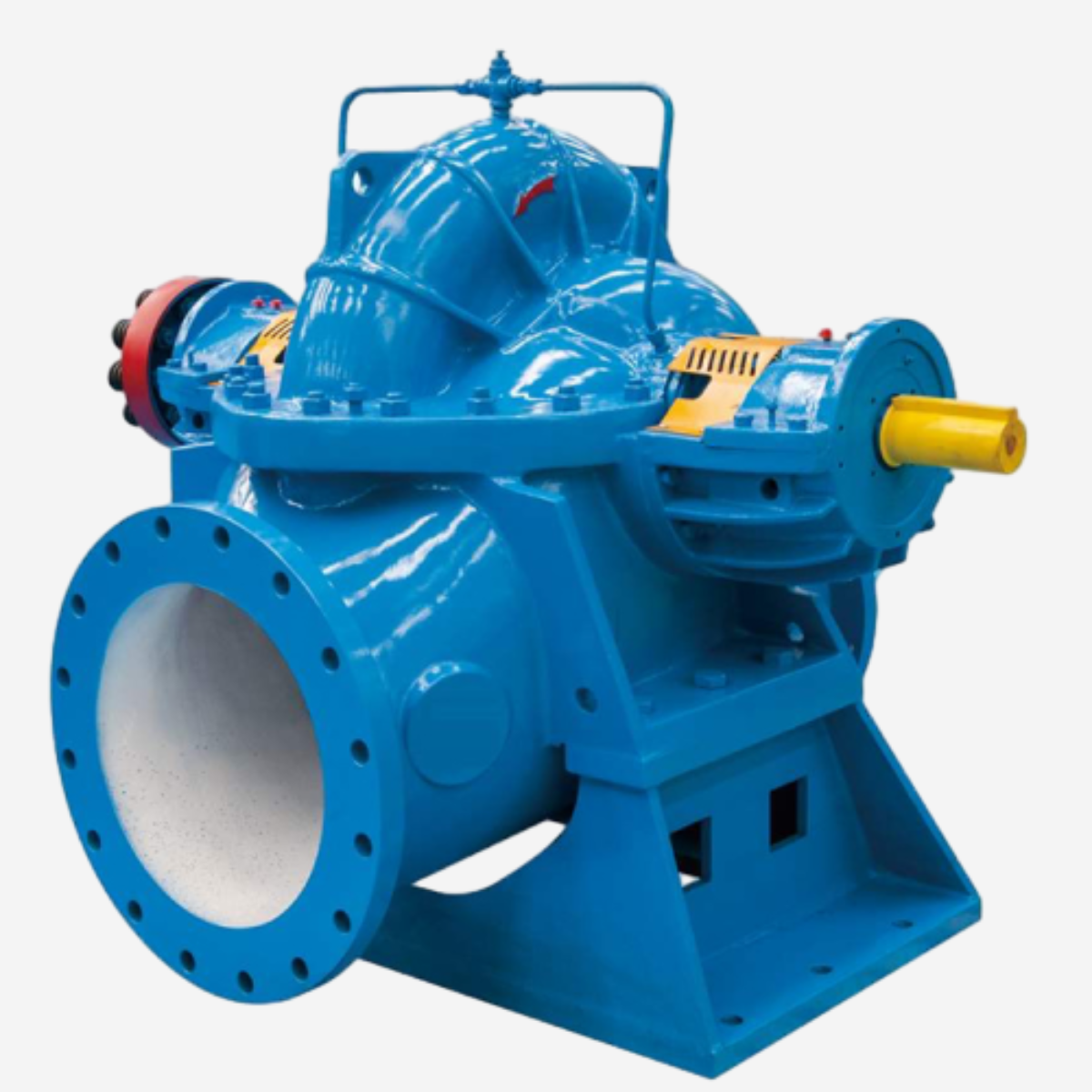
The performance of a sewage pump is fundamentally governed by hydraulic engineering principles and motor efficiency. Force analysis centers on the impeller’s design, specifically vane angle and width, to maximize fluid velocity and pressure. Head pressure, the vertical distance the pump can lift wastewater, is a critical performance parameter. Pump curves illustrate the relationship between flow rate and head pressure; selecting a pump that operates near its best efficiency point (BEP) maximizes energy efficiency and minimizes wear. Environmental resistance is vital, as basement bathrooms can experience temperature fluctuations and humidity. Pumps must meet IP68 ingress protection ratings, ensuring complete protection against dust and prolonged immersion in water. Compliance requirements include UL/CSA certification for electrical safety and NSF/ANSI 61 certification for materials in contact with potable water (applicable if the pump discharges into a potable water system). Functional implementation necessitates considering the pump's start/stop cycles, particularly in intermittent usage scenarios. Variable frequency drives (VFDs) can be integrated to optimize energy consumption and reduce mechanical stress during starts. The pump's thermal protection system (typically a thermal overload switch) is essential to prevent motor burnout. A check valve prevents backflow when the pump is off, preventing wastewater from returning to the basement. Strainer design is critical to prevent clogging, balancing flow restriction with solids handling capability. Finite element analysis (FEA) is often used during the design phase to optimize the housing geometry for stress distribution and minimize the risk of cracking.
Technical Specifications
| Parameter | Unit | Typical Range (Residential Application) | Typical Range (Light Commercial Application) |
|---|---|---|---|
| Flow Rate | GPM (Gallons Per Minute) | 40-70 | 70-120 |
| Head Pressure | Feet | 15-25 | 25-40 |
| Solids Handling Capability | Inches | Up to 2 | Up to 3 |
| Motor Power | HP (Horsepower) | 1/2 - 1 | 1 - 2 |
| Voltage | V (Volts) | 115/230 | 230/460 |
| Phase | - | Single | Three |
Failure Mode & Maintenance
Sewage pumps are susceptible to several failure modes. Fatigue cracking in the pump housing can occur due to cyclical pressure fluctuations and vibrations, particularly if the housing material is flawed or subjected to excessive stress. Delamination of coatings on cast iron housings exposes the underlying metal to corrosion. Clogging is a frequent issue, resulting from the accumulation of solids (rags, wipes, feminine hygiene products) within the impeller or discharge piping. Seal failure allows wastewater to leak into the motor, leading to electrical shorts and motor failure. Impeller wear occurs due to abrasion from solids, reducing pump efficiency and potentially causing imbalance and vibration. Oxidation of electrical components, especially in humid environments, can lead to intermittent operation or complete failure. Thermal overload results from insufficient heat dissipation or excessive pump runtime, damaging the motor windings. Preventative maintenance includes: 1) Regular inspection for leaks and unusual noises. 2) Flushing the pump and discharge piping to remove accumulated debris. 3) Checking the impeller for wear and damage. 4) Testing the thermal overload protection. 5) Verifying the integrity of the discharge check valve. 6) Periodically inspecting the power cord and connections for damage. When replacing a pump, it’s critical to address the root cause of the previous failure – improper sizing, inadequate strainer protection, or insufficient maintenance. Implementing a scheduled maintenance program significantly extends pump lifespan and reduces the risk of unexpected failures.
Industry FAQ
Q: What is the difference between a submersible sewage pump and a sump pump?
A: While both are submersible pumps, sump pumps are designed for clear water removal (e.g., rainwater intrusion) and have smaller impeller passages. Sewage pumps are specifically engineered to handle solids and wastewater containing debris, featuring larger impeller passages and more robust construction. Using a sump pump for sewage is likely to cause clogging and pump failure.
Q: How do I determine the correct pump size for my basement bathroom?
A: Pump sizing depends on several factors: the distance (head pressure) from the pump to the discharge point, the flow rate required based on the number of fixtures served, and the anticipated solids loading. Consult a pump sizing chart or a qualified plumbing engineer to determine the appropriate horsepower and flow rate.
Q: What causes a sewage pump to overheat?
A: Overheating can be caused by several factors: a clogged impeller restricting flow, excessive runtime without adequate cooling, a malfunctioning thermal overload switch, or a low voltage supply. Regular maintenance and ensuring proper ventilation are crucial for preventing overheating.
Q: What type of materials are resistant to hydrogen sulfide corrosion in sewage pumps?
A: Hydrogen sulfide (H2S) is a corrosive gas produced by the breakdown of organic matter in wastewater. Stainless steel (316), epoxy-coated cast iron, and certain engineered polymers (like HDPE) offer good resistance to H2S corrosion. Regular inspection of pump components for signs of corrosion is also recommended.
Q: How often should I replace a sewage pump?
A: The lifespan of a sewage pump varies depending on usage, maintenance, and the quality of the pump. Typically, a well-maintained pump will last 5-10 years. However, factors like abrasive solids and frequent start/stop cycles can shorten its lifespan. Monitoring pump performance and proactively addressing any issues can help maximize its longevity.
Conclusion
Sewage pumps for basement bathroom applications represent a complex intersection of mechanical engineering, material science, and wastewater management principles. Proper pump selection, informed by a thorough understanding of hydraulic performance, material compatibility, and environmental factors, is critical to ensuring long-term reliability and minimizing operational costs. Addressing industry pain points, such as premature failure due to clogging or corrosion, requires a proactive maintenance strategy focused on regular inspection, cleaning, and component replacement.
The continued evolution of pump technology, including advancements in motor efficiency, impeller design, and smart control systems, promises further improvements in performance and sustainability. Incorporating variable frequency drives and remote monitoring capabilities will allow for optimized energy consumption and predictive maintenance, reducing downtime and enhancing overall system efficiency. Adherence to relevant industry standards and regulations is paramount to ensure compliance and environmental responsibility.
-
Sewer Line Pump Material Science and Manufacturing
News2026-05-15
-
best sewage pump Performance Analysis
News2026-05-15
-
sewage pump for basement bathroom Performance and Engineering
News2026-05-15
-
submersible sewer pump Material Science and Manufacturing
News2026-05-15
-
septic tank sump pump Performance Analysis
News2026-05-15
-
effluent pump Performance and Engineering
News2026-05-14
-
basement waste pump Performance Analysis
News2026-05-14
-
sewage water pump Material Science and Manufacturing
News2026-05-14
-
Sewage Transfer Pump Performance Analysis
News2026-05-14
-
sewage submersible pump Performance Analysis
News2026-05-14
-
sewage pumps for basements Material Science Manufacturing
News2026-05-13
-
sewage pump systems Performance and Engineering
News2026-05-13
-
sewage grinding pump Material Science and Manufacturing
News2026-05-13
-
ejector pumps for sewage Performance Analysis
News2026-05-13
-
effluent pump vs sump pump Performance Analysis
News2026-05-13




