English
- Afrikaans
- Albanian
- Amharic
- Arabic
- Armenian
- Azerbaijani
- Basque
- Belarusian
- Bengali
- Bosnian
- Bulgarian
- Catalan
- Cebuano
- Corsican
- Croatian
- Czech
- Danish
- Dutch
- English
- Esperanto
- Estonian
- Finnish
- French
- Frisian
- Galician
- Georgian
- German
- Greek
- Gujarati
- Haitian Creole
- hausa
- hawaiian
- Hebrew
- Hindi
- Miao
- Hungarian
- Icelandic
- igbo
- Indonesian
- irish
- Italian
- Japanese
- Javanese
- Kannada
- kazakh
- Khmer
- Rwandese
- Korean
- Kurdish
- Kyrgyz
- Lao
- Latin
- Latvian
- Lithuanian
- Luxembourgish
- Macedonian
- Malgashi
- Malay
- Malayalam
- Maltese
- Maori
- Marathi
- Mongolian
- Myanmar
- Nepali
- Norwegian
- Norwegian
- Occitan
- Pashto
- Persian
- Polish
- Portuguese
- Punjabi
- Romanian
- Russian
- Samoan
- Scottish Gaelic
- Serbian
- Sesotho
- Shona
- Sindhi
- Sinhala
- Slovak
- Slovenian
- Somali
- Spanish
- Sundanese
- Swahili
- Swedish
- Tagalog
- Tajik
- Tamil
- Tatar
- Telugu
- Thai
- Turkish
- Turkmen
- Ukrainian
- Urdu
- Uighur
- Uzbek
- Vietnamese
- Welsh
- Bantu
- Yiddish
- Yoruba
- Zulu

Telephone: +86 13120555503
Email: frank@cypump.com


Apr . 01, 2024 17:55 Back to list
Sewage Pump Company Performance and Engineering
Introduction
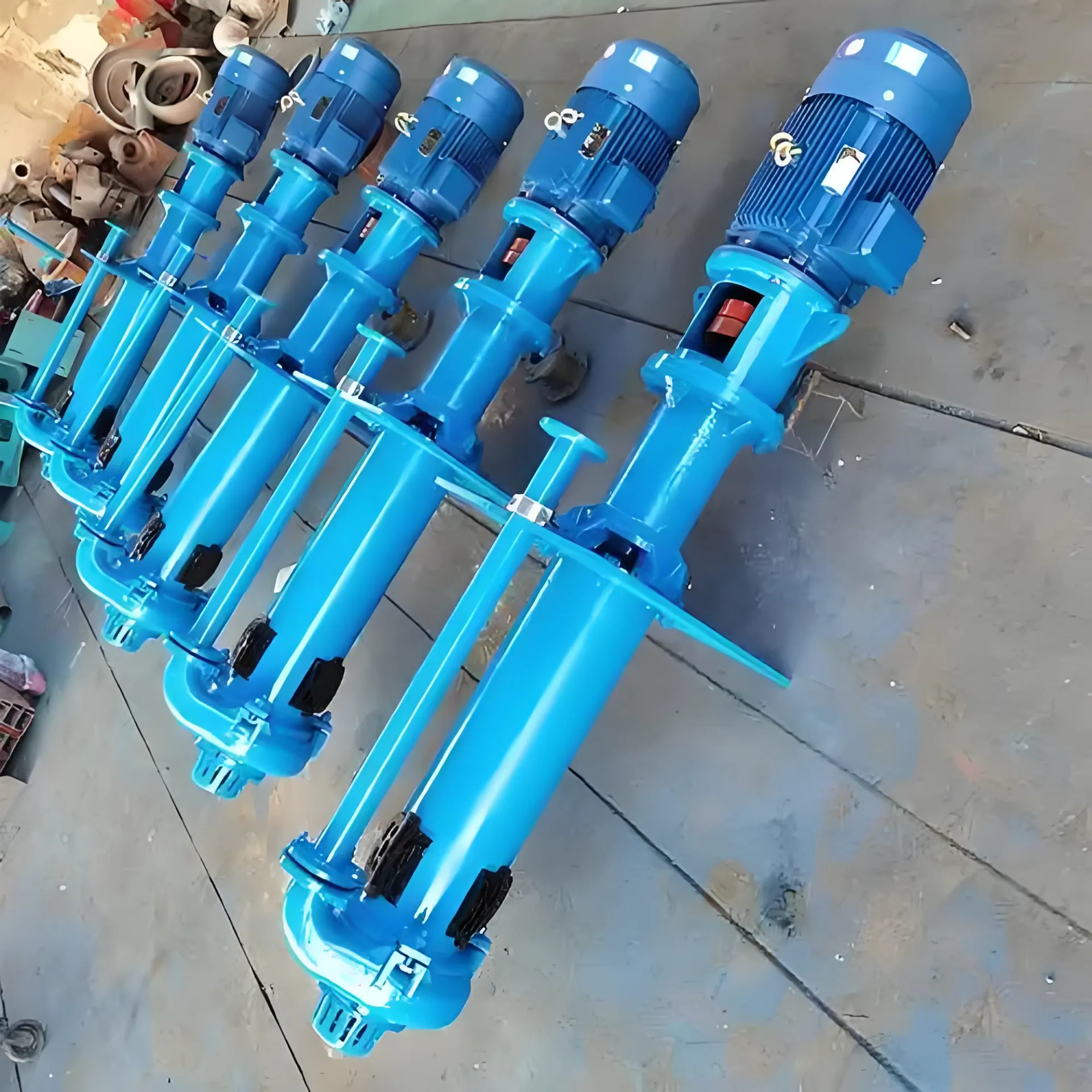
Submersible sewage pumps are critical components in wastewater management systems, designed to efficiently remove solids and liquids from various sources, including municipal wastewater treatment plants, industrial facilities, and residential septic systems. Positioned as a downstream element in water and wastewater infrastructure, these pumps address the core industry challenge of preventing blockage and maintaining consistent flow in conveyance networks. Core performance characteristics include flow rate (typically measured in gallons per minute or cubic meters per hour), total dynamic head (the maximum height the pump can lift the fluid), solids handling capability (defined by the maximum particle size the pump can process without clogging), and energy efficiency. The selection of a suitable pump is dictated by the specific application demands, encompassing influent characteristics, pumping distances, and regulatory compliance regarding discharge limits. Recent advancements focus on improved impeller designs, robust motor insulation, and intelligent control systems for optimized operation and reduced life-cycle costs.
Material Science & Manufacturing
The construction of submersible sewage pumps heavily relies on materials exhibiting high corrosion resistance, abrasion resistance, and mechanical strength. Pump casings are commonly manufactured from ductile iron (ASTM A536-83), chosen for its balance of strength and ductility, allowing it to withstand the pressures and impacts encountered in wastewater environments. Impellers, the rotating components responsible for fluid conveyance, are often produced from high-chrome cast iron (typically exceeding 15% chromium content), imparting exceptional resistance to abrasive wear from sand, grit, and other suspended solids. Shafts are usually constructed from 4140 alloy steel, heat-treated to achieve high tensile strength and fatigue resistance. Seals critical for preventing leakage utilize materials like silicon carbide (SiC) against SiC or tungsten carbide (WC) against SiC, selected for their hardness and chemical inertness.
Manufacturing processes vary depending on component complexity. Casings are generally formed via sand casting followed by machining to precise tolerances. Impellers are similarly cast, often employing centrifugal casting techniques to enhance density and minimize porosity. Shafts undergo precision turning, milling, and grinding operations. Assembly is a critical stage, requiring meticulous attention to seal installation and impeller balancing. Welding, specifically shielded metal arc welding (SMAW) or gas tungsten arc welding (GTAW), is used for joining certain components. Parameter control during casting (temperature, cooling rate) and heat treatment (hardening, tempering) is paramount to ensure material properties meet design specifications. Non-destructive testing (NDT), including radiographic inspection and ultrasonic testing, is routinely employed to verify weld integrity and detect internal flaws.
Performance & Engineering
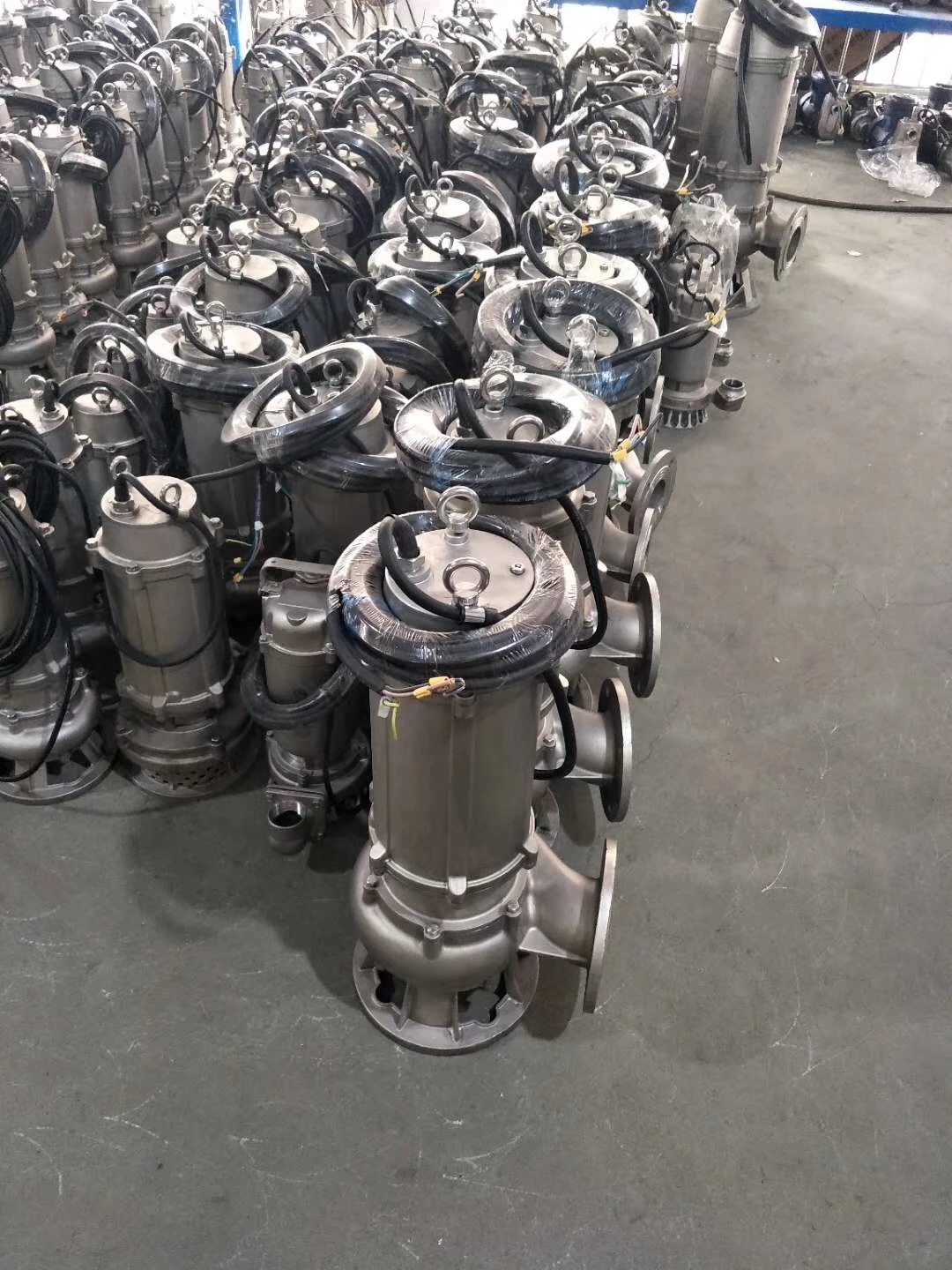
Pump performance is fundamentally governed by hydraulic principles, specifically Bernoulli's equation and the affinity laws. Force analysis centers on impeller design, optimizing blade angles and curvature to maximize hydraulic efficiency and minimize energy losses due to turbulence. The impeller’s geometry dictates the velocity and pressure of the fluid as it enters and exits the pump. Cavitation, the formation of vapor bubbles within the fluid, is a significant concern, especially at high pump speeds or low inlet pressures. Engineering designs mitigate cavitation risk through careful selection of impeller materials, optimized impeller geometry, and ensuring adequate net positive suction head (NPSH) available.
Environmental resistance is crucial, demanding consideration of factors like temperature extremes, corrosive fluids, and potential for submersion. Pump motors are typically encapsulated and sealed to prevent water ingress and protect against electrical shorts. Cable glands and connectors must be rated for continuous submersion. Compliance requirements include adherence to hydraulic institute standards (ANSI/HI) for pump performance testing and certification, as well as electrical safety standards (IEC 60034 for rotating electrical machines). Furthermore, pumps destined for potable water applications must comply with NSF/ANSI Standard 61 for drinking water system components. Functional implementation involves integrating the pump with control systems (variable frequency drives – VFDs) for automated operation, flow regulation, and remote monitoring.
Technical Specifications
| Parameter | Unit | Typical Range (Small Pump) | Typical Range (Large Pump) |
|---|---|---|---|
| Flow Rate | GPM (Gallons per Minute) | 20-100 | 500-2000 |
| Total Dynamic Head | ft (Feet) | 10-50 | 100-300 |
| Solids Handling | in (Inches) | Up to 2 | Up to 4 |
| Motor Power | HP (Horsepower) | 0.5-5 | 10-100 |
| Voltage | V (Volts) | 120/240 | 230/460 |
| Maximum Submergence | ft (Feet) | 30 | 100 |
Failure Mode & Maintenance
Common failure modes in submersible sewage pumps include impeller wear due to abrasive solids, seal failures leading to leakage, motor winding insulation breakdown, and bearing failures. Impeller wear manifests as reduced pump performance and increased energy consumption. Seal failures are often caused by abrasive particles infiltrating the seal faces or chemical attack from aggressive fluids. Motor winding insulation degrades over time due to heat, moisture, and voltage stress, leading to short circuits and pump shutdown. Bearing failures can result from inadequate lubrication, excessive loads, or corrosion.
Preventative maintenance is crucial for extending pump life and minimizing downtime. Regular inspection of seals, bearings, and motor windings is recommended. Lubrication of bearings should be performed according to manufacturer’s specifications. Periodic cleaning of the pump casing and impeller removes accumulated debris. Vibration analysis can detect early signs of bearing wear or impeller imbalance. In the event of failure, impeller replacement, seal repair, and motor rewinding are common corrective actions. Thorough post-failure analysis is essential to identify the root cause and prevent recurrence. Routine monitoring of pump parameters (current draw, voltage, flow rate) can provide early warning signs of developing problems.
Industry FAQ
Q: What is the impact of solids content on pump selection?
A: Higher solids content necessitates pumps with larger solids handling capabilities and more robust impeller designs. The impeller material (typically high-chrome cast iron) is particularly important, as it directly influences resistance to abrasive wear. The pump’s hydraulic passage must also be adequately sized to prevent clogging. Pump curves should be consulted to ensure sufficient head and flow are maintained at the expected solids concentration.
Q: How does pump efficiency relate to life-cycle costs?
A: Higher pump efficiency translates directly into lower energy consumption, which represents a significant portion of the total life-cycle cost. While a more efficient pump may have a higher initial purchase price, the long-term savings in energy costs typically outweigh the upfront investment. Furthermore, efficient pumps generate less heat, extending the life of the motor and reducing maintenance requirements.
Q: What are the key considerations for selecting a pump motor?
A: The motor must be appropriately sized for the pump’s horsepower requirements and the voltage and frequency of the power supply. The motor’s insulation class must be suitable for the operating temperature and humidity levels. Submersible motors require robust sealing to prevent water ingress. Consider energy efficiency ratings (IE3 or higher) to minimize energy consumption.
Q: What are the advantages of using variable frequency drives (VFDs) with sewage pumps?
A: VFDs allow for precise control of pump speed, enabling flow matching to system demand and minimizing energy waste. They can also provide soft starting, reducing mechanical stress on the pump and motor. VFDs can be integrated with control systems for automated operation and remote monitoring. Furthermore, VFDs can protect the pump from overload conditions.
Q: How important is corrosion resistance in sewage pump applications?
A: Corrosion resistance is paramount. Wastewater environments are highly corrosive due to the presence of hydrogen sulfide, chlorides, and other aggressive chemicals. Selecting materials with high corrosion resistance, such as ductile iron, stainless steel, and specialized coatings, is essential for ensuring long-term pump reliability and preventing premature failure. Regular inspection for corrosion is also critical.
Conclusion
Submersible sewage pumps represent a vital component in modern wastewater infrastructure. Their selection and implementation require a comprehensive understanding of material science, hydraulic principles, and regulatory compliance. Optimizing pump performance hinges on choosing appropriate materials for corrosive resistance and abrasion resistance, employing efficient impeller designs, and integrating intelligent control systems.
Continued innovation in pump technology focuses on improving energy efficiency, reducing maintenance requirements, and enhancing remote monitoring capabilities. The adoption of predictive maintenance strategies, utilizing data analytics and sensor technology, will further optimize pump life-cycle costs and ensure the reliable operation of wastewater treatment systems. Careful consideration of the specific application demands and adherence to industry best practices are crucial for achieving optimal performance and long-term sustainability.
-
Sewage Pump Company Performance and Engineering
News2026-05-24
-
sewage pump 1/2 hp Performance Analysis
News2026-05-24
-
Sewage Ejector Systems Performance Analysis
News2026-05-24
-
Sewage Ejection System Material Science and Manufacturing
News2026-05-24
-
sewage and effluent pumps Performance Engineering
News2026-05-24
-
pump for sewage water Performance Analysis
News2026-05-23
-
plumbing sewage ejector pump Performance Engineering
News2026-05-23
-
home sewer pump station Performance and Engineering
News2026-05-23
-
high pressure sump pump Performance Analysis
News2026-05-23
-
high head effluent pump Performance Analysis
News2026-05-23
-
Effluent vs Sump Pump Performance Analysis
News2026-05-22
-
effluent septic pump Performance Engineering
News2026-05-22
-
best sewer pumps Performance Engineering
News2026-05-22
-
best sewer pump Performance Analysis
News2026-05-22
-
best sewage pumps Performance Engineering
News2026-05-22




