English
- Afrikaans
- Albanian
- Amharic
- Arabic
- Armenian
- Azerbaijani
- Basque
- Belarusian
- Bengali
- Bosnian
- Bulgarian
- Catalan
- Cebuano
- Corsican
- Croatian
- Czech
- Danish
- Dutch
- English
- Esperanto
- Estonian
- Finnish
- French
- Frisian
- Galician
- Georgian
- German
- Greek
- Gujarati
- Haitian Creole
- hausa
- hawaiian
- Hebrew
- Hindi
- Miao
- Hungarian
- Icelandic
- igbo
- Indonesian
- irish
- Italian
- Japanese
- Javanese
- Kannada
- kazakh
- Khmer
- Rwandese
- Korean
- Kurdish
- Kyrgyz
- Lao
- Latin
- Latvian
- Lithuanian
- Luxembourgish
- Macedonian
- Malgashi
- Malay
- Malayalam
- Maltese
- Maori
- Marathi
- Mongolian
- Myanmar
- Nepali
- Norwegian
- Norwegian
- Occitan
- Pashto
- Persian
- Polish
- Portuguese
- Punjabi
- Romanian
- Russian
- Samoan
- Scottish Gaelic
- Serbian
- Sesotho
- Shona
- Sindhi
- Sinhala
- Slovak
- Slovenian
- Somali
- Spanish
- Sundanese
- Swahili
- Swedish
- Tagalog
- Tajik
- Tamil
- Tatar
- Telugu
- Thai
- Turkish
- Turkmen
- Ukrainian
- Urdu
- Uighur
- Uzbek
- Vietnamese
- Welsh
- Bantu
- Yiddish
- Yoruba
- Zulu

Telephone: +86 13120555503
Email: frank@cypump.com


Apr . 01, 2024 17:55 Back to list
Sewage Pump Companies Performance Analysis
Introduction
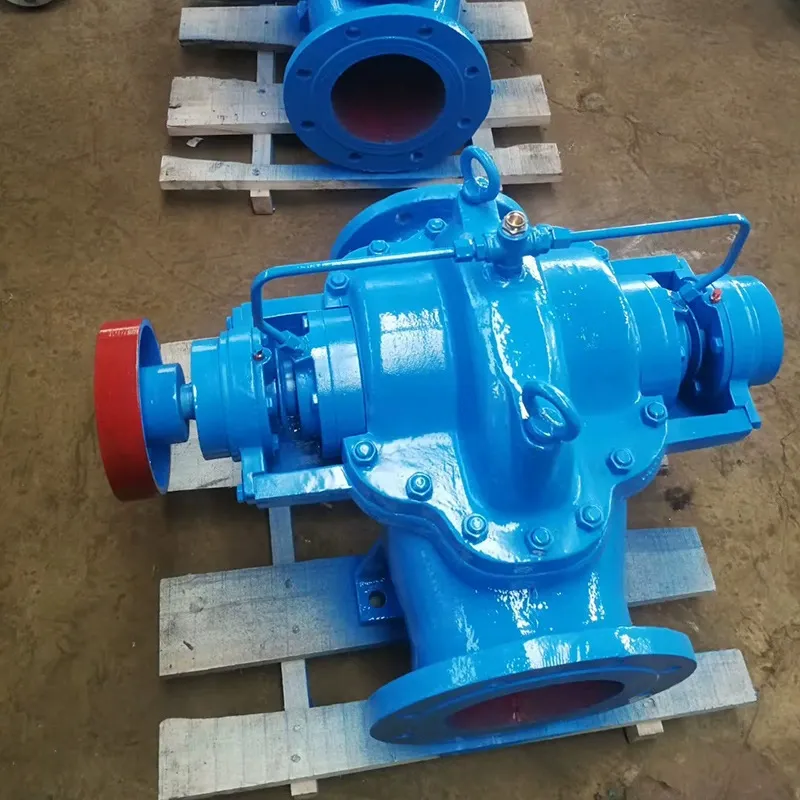
Submersible sewage pumps are critical components in wastewater treatment infrastructure, serving municipalities, industrial facilities, and commercial buildings. Positioned within the wastewater stream, they efficiently transfer raw sewage, often containing solids, to treatment plants or discharge points. Unlike centrifugal pumps relying on suction, sewage pumps are designed to handle fluids with high solid content, minimizing clogging and maximizing uptime. Core performance characteristics revolve around hydraulic efficiency, solids handling capability, motor protection, and longevity in corrosive environments. The selection of a sewage pump is dependent on flow rate, total dynamic head (TDH), solids size, and the chemical composition of the wastewater. Failure to properly specify a pump can lead to frequent breakdowns, increased maintenance costs, and potential environmental issues. This guide provides an in-depth examination of the material science, manufacturing processes, performance criteria, failure modes, and relevant industry standards associated with sewage pumps.
Material Science & Manufacturing
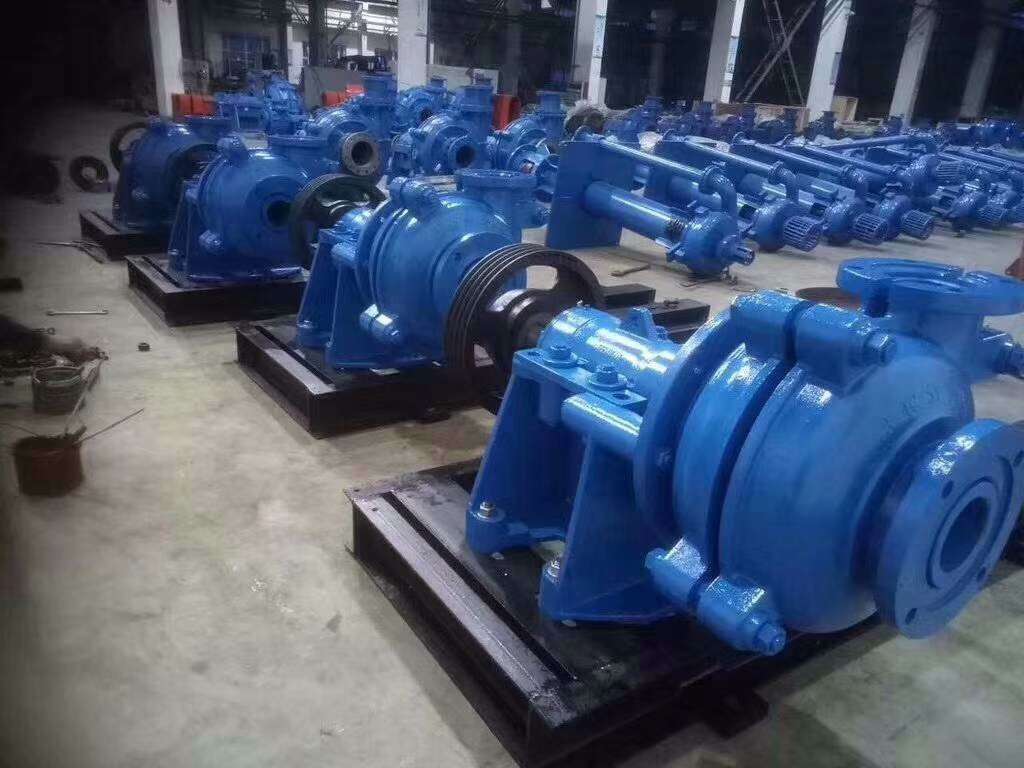
Sewage pump construction necessitates materials resistant to abrasion, corrosion, and mechanical stress. Impellers and casings are frequently manufactured from ductile iron (ASTM A536 65-45-12) due to its high tensile strength, impact resistance, and affordability. However, for highly corrosive environments (e.g., containing hydrogen sulfide or sulfuric acid), stainless steel (316L, ASTM A743 Grade CF-8M) or specialized polymer composites are preferred. Shafts typically utilize 4140 alloy steel (ASTM A193 Grade B7) offering exceptional torsional strength. Seals are predominantly composed of silicon carbide (SiC) or tungsten carbide (WC) materials, providing excellent wear resistance against abrasive particles. Manufacturing processes vary based on component complexity. Casings are often produced via sand casting followed by machining for precise dimensional accuracy and surface finish. Impellers can be cast or, increasingly, manufactured using investment casting for intricate designs and improved material properties. Welding (SMAW, GMAW, FCAW) is crucial for joining components, requiring qualified welders and strict adherence to AWS D1.1 standards to ensure weld integrity and prevent corrosion. Critical parameters during manufacturing include dimensional tolerances, surface roughness (Ra), weld quality (NDT inspection – radiography, ultrasonic testing), and material hardness testing (Brinell, Rockwell).
Performance & Engineering
Sewage pump performance is governed by hydraulic principles and motor characteristics. The pump's head-capacity curve defines the relationship between flow rate and the height the pump can lift the fluid. Net Positive Suction Head Required (NPSHr) is a crucial parameter; insufficient NPSH can lead to cavitation, damaging the impeller and reducing pump efficiency. Hydraulic design focuses on minimizing turbulence and maximizing impeller efficiency, often employing Computational Fluid Dynamics (CFD) analysis for optimization. Motor selection depends on the required horsepower, voltage, and enclosure type (submersible, surface mounted). Motor protection is paramount; features include thermal overload protection, moisture sensors, and sealed bearings. Force analysis considers radial loads from the impeller, axial thrust, and external loads from piping. Environmental resistance is assessed through temperature cycling tests (ASTM E84), humidity tests (ASTM D2260), and corrosion resistance tests (ASTM B117 – salt spray). Compliance requirements include adherence to hydraulic institute standards (HI) for pump performance testing and energy efficiency regulations (Department of Energy). Pump curves must accurately reflect performance under various operating conditions, considering fluid viscosity and solids concentration.
Technical Specifications
| Parameter | Unit | Typical Range (Municipal Sewage) | Typical Range (Industrial Wastewater) |
|---|---|---|---|
| Flow Rate | m³/h | 50 – 500 | 10 – 2000 |
| Total Dynamic Head (TDH) | m | 10 – 60 | 20 – 150 |
| Solids Handling Capability | mm | 50 – 75 | Up to 100+ (depending on impeller design) |
| Motor Power | kW | 1.5 – 30 | 0.75 – 150 |
| Impeller Material | - | Ductile Iron (65-45-12) | Stainless Steel (316L) / Polymer Composite |
| Casing Material | - | Ductile Iron (65-45-12) | Stainless Steel (316L) / Polymer Composite |
Failure Mode & Maintenance
Common sewage pump failures include impeller wear, seal failure, motor winding burnout, and bearing failure. Impeller wear is caused by abrasive solids and can lead to reduced pump efficiency and increased vibration. Seal failure allows sewage to enter the motor housing, causing corrosion and electrical short circuits. Motor winding burnout results from overheating due to overload, voltage imbalances, or inadequate cooling. Bearing failure is often a consequence of lubrication issues or excessive loading. Failure analysis techniques include visual inspection, non-destructive testing (NDT), and metallurgical analysis. Preventive maintenance is crucial: regular inspection of seals, bearings, and impellers; lubrication according to manufacturer’s recommendations; monitoring motor current and temperature; and periodic testing of pump performance. Corrective maintenance involves replacing worn components, repairing leaks, and rewinding motors. Proper shaft alignment is critical during reassembly to prevent premature bearing failure. Implementing a condition monitoring program using vibration analysis and oil analysis can provide early warning of potential failures, minimizing downtime and repair costs. Regularly cleaning the pump intake screen is essential to prevent clogging and ensure optimal performance.
Industry FAQ
Q: What is the impact of wastewater composition on pump material selection?
A: Wastewater composition directly influences material selection. High sulfide content necessitates stainless steel or specialized coatings to prevent corrosion. Aggressive chemicals require chemically resistant polymers. The size and concentration of solids dictate the impeller design and materials required for abrasion resistance. Ignoring wastewater characteristics leads to premature failure and increased life cycle costs.
Q: How does impeller design affect pump efficiency and solids handling?
A: Impeller design is paramount. Open impellers excel at handling large solids but generally have lower efficiency. Closed impellers offer higher efficiency but are more prone to clogging. Vortex impellers are suitable for rags and stringy materials. The impeller blade angle and number influence flow rate and head. Optimized impeller designs minimize turbulence and maximize hydraulic efficiency while effectively handling solids.
Q: What are the key considerations for submersible motor protection?
A: Submersible motors require robust protection. Sealed bearings prevent water ingress. Thermal overload protection safeguards against overheating. Moisture sensors detect leaks within the motor housing. Cable glands ensure watertight connections. Regular monitoring of motor current and temperature is crucial for early fault detection. Properly designed cooling systems are essential to dissipate heat generated by the motor.
Q: How important is NPSH when selecting a sewage pump?
A: NPSH is critically important. Insufficient NPSH causes cavitation, which erodes the impeller, reduces pump efficiency, and generates noise and vibration. The available NPSH (NPSHa) must always exceed the NPSHr specified by the pump manufacturer. Factors affecting NPSHa include liquid level, atmospheric pressure, and friction losses in the suction piping.
Q: What are the benefits of implementing a condition monitoring program for sewage pumps?
A: Condition monitoring provides early detection of potential failures, allowing for proactive maintenance and minimizing unplanned downtime. Vibration analysis identifies bearing wear and impeller imbalance. Oil analysis detects contaminants and assesses lubricant condition. Thermography identifies overheating motors. By analyzing these parameters, maintenance can be scheduled efficiently, reducing life cycle costs and improving system reliability.
Conclusion
Selecting and maintaining sewage pumps demands a comprehensive understanding of material science, hydraulic principles, and failure modes. The optimal pump configuration is dictated by specific application requirements, including flow rate, TDH, solids content, and wastewater composition. Prioritizing corrosion resistance, abrasion resistance, and motor protection is essential for ensuring long-term reliability and minimizing life cycle costs. Implementing a robust preventive maintenance program, coupled with condition monitoring techniques, maximizes uptime and minimizes the risk of catastrophic failures.
Future advancements in sewage pump technology will likely focus on energy efficiency, intelligent control systems, and remote monitoring capabilities. Variable frequency drives (VFDs) will become increasingly common for optimizing pump performance and reducing energy consumption. Predictive maintenance algorithms, leveraging machine learning, will enable more accurate fault diagnosis and proactive maintenance scheduling. The integration of IoT sensors and cloud-based platforms will facilitate remote monitoring and data analysis, improving operational efficiency and reducing the total cost of ownership.
-
sewage pump for basement Performance and Engineering
News2026-05-28
-
Sewage Pump Companies Performance Analysis
News2026-05-28
-
Sewage Pit and Pump Performance Analysis
News2026-05-28
-
Sewage Lift Pumps Material Science
News2026-05-28
-
Sewage Ejector Tank Material Science and Manufacturing
News2026-05-28
-
sewage effluent pumps Material Science Manufacturing
News2026-05-27
-
septic tank effluent pump Performance Analysis
News2026-05-27
-
Septic Sewer Pump Performance Analysis
News2026-05-27
-
septic sewage pumps Performance Analysis
News2026-05-27
-
septic sewage pump Material Science and Manufacturing
News2026-05-27
-
residential sewage pumps Material Science and Manufacturing
News2026-05-26
-
residential sewage lift pump Performance Analysis
News2026-05-26
-
high head sump pump Performance and Engineering
News2026-05-26
-
effluent pump for septic tank Material Science Manufacturing
News2026-05-26
-
effluent and sewage pumps Material Science Manufacturing
News2026-05-26




