English
- Afrikaans
- Albanian
- Amharic
- Arabic
- Armenian
- Azerbaijani
- Basque
- Belarusian
- Bengali
- Bosnian
- Bulgarian
- Catalan
- Cebuano
- Corsican
- Croatian
- Czech
- Danish
- Dutch
- English
- Esperanto
- Estonian
- Finnish
- French
- Frisian
- Galician
- Georgian
- German
- Greek
- Gujarati
- Haitian Creole
- hausa
- hawaiian
- Hebrew
- Hindi
- Miao
- Hungarian
- Icelandic
- igbo
- Indonesian
- irish
- Italian
- Japanese
- Javanese
- Kannada
- kazakh
- Khmer
- Rwandese
- Korean
- Kurdish
- Kyrgyz
- Lao
- Latin
- Latvian
- Lithuanian
- Luxembourgish
- Macedonian
- Malgashi
- Malay
- Malayalam
- Maltese
- Maori
- Marathi
- Mongolian
- Myanmar
- Nepali
- Norwegian
- Norwegian
- Occitan
- Pashto
- Persian
- Polish
- Portuguese
- Punjabi
- Romanian
- Russian
- Samoan
- Scottish Gaelic
- Serbian
- Sesotho
- Shona
- Sindhi
- Sinhala
- Slovak
- Slovenian
- Somali
- Spanish
- Sundanese
- Swahili
- Swedish
- Tagalog
- Tajik
- Tamil
- Tatar
- Telugu
- Thai
- Turkish
- Turkmen
- Ukrainian
- Urdu
- Uighur
- Uzbek
- Vietnamese
- Welsh
- Bantu
- Yiddish
- Yoruba
- Zulu

Telephone: +86 13120555503
Email: frank@cypump.com


Apr . 01, 2024 17:55 Back to list
Sewage Pump and Tank Performance Analysis
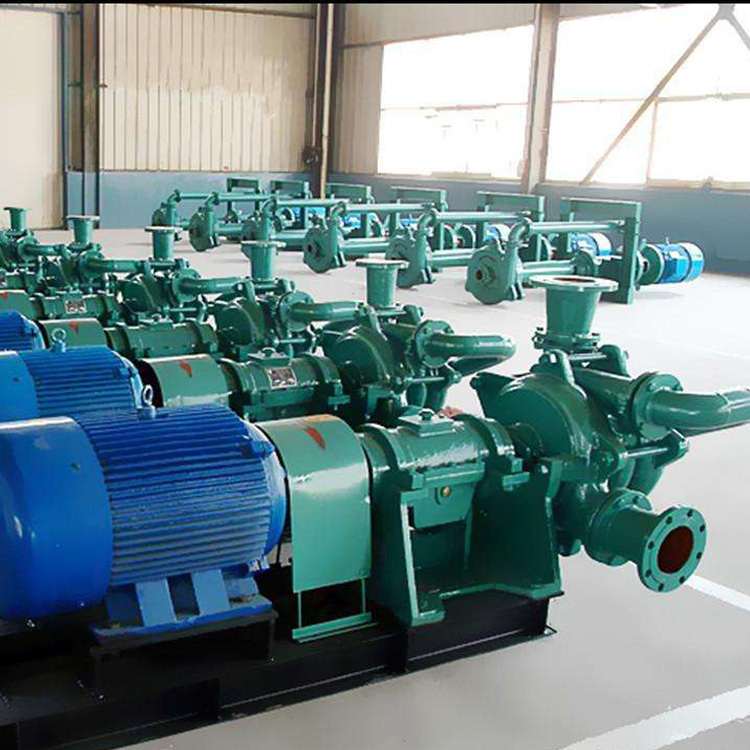
Introduction
Sewage pumps and tanks represent a critical component of wastewater management infrastructure, serving to collect, store, and transfer effluent from residential, commercial, and industrial sources. These systems are integral to preventing sanitary sewer overflows, enabling efficient wastewater treatment, and protecting public health and the environment. The technical position of sewage pump systems lies at the intersection of hydraulic engineering, materials science, and electrical/mechanical power transmission. Core performance characteristics center around flow rate (gallons per minute or liters per second), head (the vertical distance the pump can lift the fluid), pump efficiency, solids handling capability, and operational reliability. Modern systems increasingly incorporate intelligent controls for automated operation, remote monitoring, and predictive maintenance, addressing the escalating demands for efficient and sustainable wastewater handling.
Material Science & Manufacturing
The construction of sewage pumps and tanks necessitates careful material selection to withstand the corrosive nature of wastewater and ensure long-term durability. Pump casings are frequently fabricated from cast iron (ASTM A48 Class 30), ductile iron (ASTM A536 Grade 65-45-12), or stainless steel (304, 316 grades – ASTM A240) depending on the application's severity. Impellers, the rotating components responsible for fluid movement, often employ high-chrome cast iron for enhanced abrasion resistance due to the presence of sand and grit in sewage. Tank construction commonly utilizes reinforced concrete (ACI 318 standards), polyethylene (HDPE - ASTM D3350), or fiberglass reinforced plastic (FRP - ASTM D3262). Manufacturing processes for pumps involve precision casting, machining, and assembly. Impeller balancing is crucial to minimize vibration and extend bearing life. Tank manufacturing depends on the material: concrete tanks require formwork and pouring, HDPE tanks employ rotational molding, and FRP tanks are fabricated through layering and curing. Weld integrity in metal tanks (AWSD1.1) is paramount. Parameter control during tank construction focuses on wall thickness, reinforcement spacing, and leak testing to ensure structural integrity and prevent infiltration/exfiltration. Chemical compatibility assessments of seal materials (e.g., elastomers, PTFE) with typical wastewater constituents (hydrogen sulfide, sulfates, chlorides) are essential to prevent premature degradation.
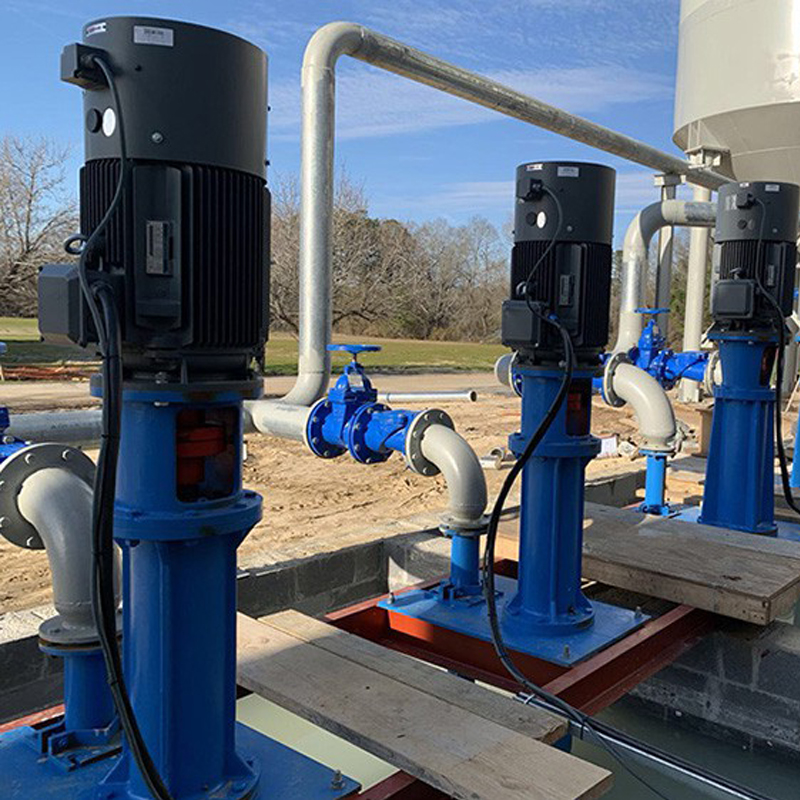
Performance & Engineering
Sewage pump performance is fundamentally governed by hydraulic principles. Pump curves, generated through rigorous testing (ISO 9906), illustrate the relationship between flow rate, head, and efficiency. Force analysis considers both static and dynamic loads, including the weight of the fluid, impeller forces, and motor torque. The Net Positive Suction Head Required (NPSHr) – a critical parameter – must be lower than the Net Positive Suction Head Available (NPSHa) to prevent cavitation, a phenomenon that can severely damage the impeller. Environmental resistance is addressed through corrosion protection measures (coatings, cathodic protection) and material selection. Compliance with regional and national regulations is paramount. For instance, in the US, EPA regulations (40 CFR Part 127) govern pretreatment standards for industrial discharges. Electrical safety is addressed via NEMA standards and proper grounding. Pump selection involves considering the specific gravity and viscosity of the wastewater, solids content, and the elevation difference between the pump and the discharge point. System design incorporates check valves to prevent backflow and surge protection devices to mitigate water hammer effects. Furthermore, the tank's volume must be adequately sized to accommodate peak flows and provide sufficient retention time for solids settling.
Technical Specifications
| Parameter | Unit | Typical Range (Residential) | Typical Range (Industrial) |
|---|---|---|---|
| Flow Rate | GPM (L/s) | 20-100 (1.3-6.3) | 100-1000+ (6.3-63+) |
| Total Dynamic Head | ft (m) | 10-50 (3-15) | 50-200+ (15-60+) |
| Motor Horsepower | HP (kW) | 1/2 - 2 (0.37-1.5) | 5-50+ (3.7-37+) |
| Solids Handling Capability | inches (mm) | Up to 2 (50) | Up to 4+ (100+) |
| Tank Volume | Gallons (Liters) | 500-2000 (1900-7600) | 2000-10000+ (7600-38000+) |
| Pump Type | - | Submersible Centrifugal | Submersible/Dry-Pit Centrifugal, Progressive Cavity |
Failure Mode & Maintenance
Sewage pump and tank systems are susceptible to several failure modes. Pump failures commonly stem from impeller wear due to abrasive solids, motor winding burnout from overheating or voltage fluctuations, seal failures leading to leakage, and bearing failures resulting from excessive load or lack of lubrication. Tank failures can arise from concrete cracking due to hydrostatic pressure or corrosion, HDPE tank deformation from overpressure or UV degradation, and FRP tank delamination due to improper curing or chemical attack. Corrosion, particularly in metallic components, is a significant concern. Hydrogen sulfide (H2S) corrosion is prevalent, leading to pitting and weakening of metal surfaces. Fatigue cracking can occur in pump casings and impellers under cyclical loading. Preventive maintenance is crucial. This includes regular inspection of pump seals, bearings, and motor windings; cleaning of tank interiors to remove accumulated solids; and corrosion monitoring. Scheduled impeller replacement based on wear rate is recommended. Lubrication of bearings should follow manufacturer's specifications. Electrical connections should be checked for tightness and corrosion. Non-destructive testing (NDT) methods, such as ultrasonic testing, can be employed to detect cracks in tank walls or pump casings. Proper ventilation of tanks is essential to mitigate H2S buildup and corrosion.
Industry FAQ
Q: What is the optimal material for a sewage lift station wet well in a highly corrosive soil environment?
A: In highly corrosive soil, HDPE (High-Density Polyethylene) is generally the optimal material for a wet well. While concrete can be treated with coatings, HDPE offers inherent resistance to a wide range of chemicals and soil conditions, eliminating the need for ongoing maintenance and repairs associated with coating failures. Furthermore, HDPE is lightweight, facilitating installation, and its smooth internal surface minimizes solids buildup.
Q: How do I determine the appropriate pump size for a new wastewater collection system?
A: Pump sizing requires a comprehensive hydraulic analysis. You must calculate the peak flow rate expected during wet weather events, consider the static head (vertical lift) and friction losses in the piping system, and factor in the anticipated future growth of the service area. Utilizing a pump curve and system head curve allows for identifying a pump that operates within its best efficiency point (BEP) for the majority of the time, maximizing energy efficiency and minimizing wear.
Q: What are the implications of cavitation on pump performance and lifespan?
A: Cavitation occurs when the absolute pressure within the pump falls below the vapor pressure of the fluid, forming vapor bubbles that collapse violently. This implosion causes significant damage to the impeller, leading to reduced pump efficiency, increased noise, and ultimately, pump failure. Ensuring that the NPSHa (Net Positive Suction Head Available) exceeds the NPSHr (Net Positive Suction Head Required) is critical for preventing cavitation.
Q: How frequently should the sensors in a sewage pump station be calibrated?
A: Sensor calibration frequency depends on the sensor type and the operating environment. Level sensors (ultrasonic, pressure transducers) should be calibrated at least annually, or more frequently if they are exposed to harsh conditions or show signs of drift. Flow meters require calibration according to manufacturer's recommendations, typically every 6-12 months. Regular calibration ensures accurate data for automated control and remote monitoring.
Q: What are the best practices for preventing odors from a sewage lift station?
A: Odor control involves a multi-faceted approach. Ensure adequate ventilation of the lift station to remove odor-causing gases (H2S). Consider using chemical odor control systems (e.g., iron salts, bioaugmentation) to neutralize H2S. Regular cleaning of the wet well and force main to remove accumulated solids is essential. Properly sealed hatches and access points prevent odor escape. Monitoring H2S levels can help assess the effectiveness of odor control measures.
Conclusion
Sewage pump and tank systems are indispensable for modern wastewater management, demanding a holistic understanding of materials science, hydraulic engineering, and regulatory compliance. Selecting appropriate materials, optimizing pump performance through careful sizing and control, and implementing robust maintenance programs are critical for ensuring long-term reliability and minimizing life-cycle costs. The increasing adoption of smart technologies and data analytics enables proactive monitoring, predictive maintenance, and enhanced operational efficiency.
Future developments will likely focus on improved energy efficiency through variable frequency drives (VFDs), advanced sensor technologies for real-time monitoring of water quality and pump performance, and the integration of renewable energy sources to power lift stations. Furthermore, sustainable materials and innovative tank designs will play a key role in minimizing environmental impact and maximizing the longevity of these vital infrastructure components.
-
sump pump for septic systems Material Science Manufacturing
News2026-05-20
-
sump pump and ejector pump Material Science Manufacturing
News2026-05-20
-
sewage treatment plant pumps Performance Analysis
News2026-05-20
-
sewage tank pump Material Science and Manufacturing
News2026-05-20
-
sewage pump for septic tank Performance Analysis
News2026-05-20
-
Sewage Pump and Tank Performance Analysis
News2026-05-19
-
Sewage Ejector Pump Replacement Performance Analysis
News2026-05-19
-
sewage ejector pump for basement bathroom Material Science Manufacturing
News2026-05-19
-
sewage ejection pump Material Science and Manufacturing
News2026-05-19
-
in line sewage pump Performance Analysis
News2026-05-19
-
effluent sump pump Performance Analysis
News2026-05-18
-
best grinder pump for sewage Performance Engineering
News2026-05-18
-
basement waste water pump Performance Engineering
News2026-05-18
-
sump pump sewer Performance Analysis
News2026-05-18
-
sump pump for sewer Performance Analysis
News2026-05-18




