English
- Afrikaans
- Albanian
- Amharic
- Arabic
- Armenian
- Azerbaijani
- Basque
- Belarusian
- Bengali
- Bosnian
- Bulgarian
- Catalan
- Cebuano
- Corsican
- Croatian
- Czech
- Danish
- Dutch
- English
- Esperanto
- Estonian
- Finnish
- French
- Frisian
- Galician
- Georgian
- German
- Greek
- Gujarati
- Haitian Creole
- hausa
- hawaiian
- Hebrew
- Hindi
- Miao
- Hungarian
- Icelandic
- igbo
- Indonesian
- irish
- Italian
- Japanese
- Javanese
- Kannada
- kazakh
- Khmer
- Rwandese
- Korean
- Kurdish
- Kyrgyz
- Lao
- Latin
- Latvian
- Lithuanian
- Luxembourgish
- Macedonian
- Malgashi
- Malay
- Malayalam
- Maltese
- Maori
- Marathi
- Mongolian
- Myanmar
- Nepali
- Norwegian
- Norwegian
- Occitan
- Pashto
- Persian
- Polish
- Portuguese
- Punjabi
- Romanian
- Russian
- Samoan
- Scottish Gaelic
- Serbian
- Sesotho
- Shona
- Sindhi
- Sinhala
- Slovak
- Slovenian
- Somali
- Spanish
- Sundanese
- Swahili
- Swedish
- Tagalog
- Tajik
- Tamil
- Tatar
- Telugu
- Thai
- Turkish
- Turkmen
- Ukrainian
- Urdu
- Uighur
- Uzbek
- Vietnamese
- Welsh
- Bantu
- Yiddish
- Yoruba
- Zulu

Telephone: +86 13120555503
Email: frank@cypump.com


Apr . 01, 2024 17:55 Back to list
sewage pump 1/2 hp Performance Analysis
Introduction
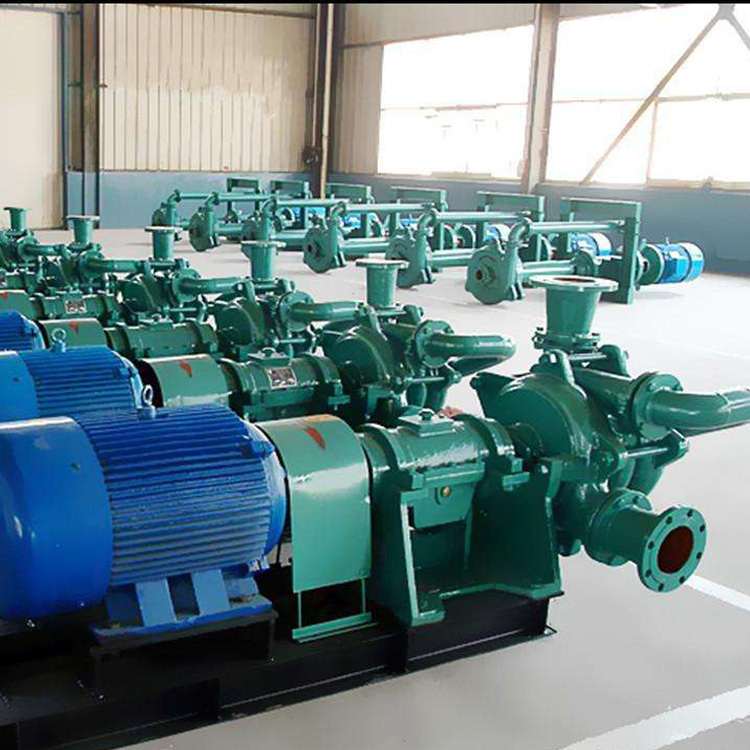
The 1/2 horsepower sewage pump represents a critical component in wastewater management systems, serving both residential and light commercial applications. Positioned within the fluid handling industry chain, these pumps are responsible for the efficient removal of solids-laden wastewater, preventing backups and maintaining sanitation. Core performance characteristics are defined by flow rate (gallons per minute - GPM), total dynamic head (TDH), solids handling capability (inch diameter), and pump efficiency. Unlike clear water pumps, sewage pumps are specifically engineered to handle abrasive and shear-sensitive materials, necessitating robust construction and specialized impeller designs. A primary industry pain point lies in balancing pump efficiency with clog resistance; impellers that maximize flow rate can be prone to blockage, leading to costly downtime and maintenance. Furthermore, ensuring long-term corrosion resistance in aggressive wastewater environments is a constant engineering challenge. Selecting the appropriate pump material and employing protective coatings are therefore paramount.
Material Science & Manufacturing
The construction of a 1/2 hp sewage pump typically involves several key materials. The pump housing is commonly fabricated from cast iron (ASTM A48 Class 30) due to its cost-effectiveness, rigidity, and resistance to corrosion, though ductile iron (ASTM A536-89) is increasingly preferred for improved impact strength and ductility. Impellers are often constructed from high-chromium cast iron or stainless steel (304/316) to withstand abrasive wear and resist corrosion from sulfides and other aggressive compounds present in sewage. Shafts are typically made from 4140 alloy steel, heat-treated for increased hardness and tensile strength. Seals utilize materials like silicon carbide and Viton to ensure leak-proof operation and compatibility with wastewater components. Manufacturing processes involve several stages. The housing is created through sand casting, followed by machining to precise tolerances. Impellers are typically investment cast for complex geometries. Shafts undergo turning, milling, and hardening processes. Critical parameter control during manufacturing includes dimensional accuracy of impeller vanes (influencing hydraulic performance), concentricity of shaft and housing (minimizing vibration), and proper heat treatment of metal components (optimizing mechanical properties). Welding, if employed for certain housing configurations, must adhere to AWS D1.1 standards to ensure structural integrity.
Performance & Engineering
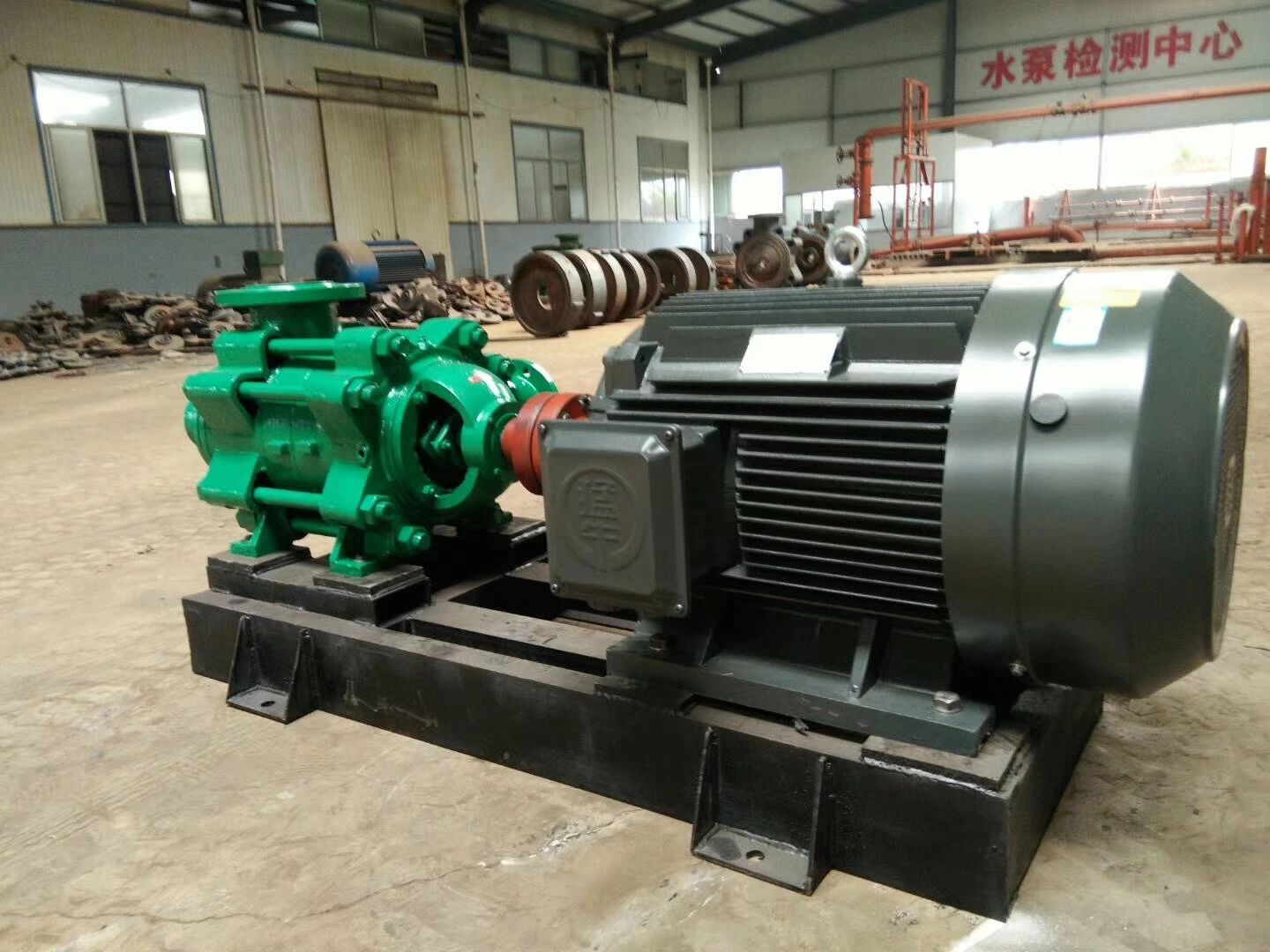
Performance analysis of a 1/2 hp sewage pump focuses on hydraulic efficiency, head-capacity curves, and motor performance characteristics. Force analysis considers impeller loading, bearing forces, and the stress distribution within the pump housing. Environmental resistance is critical; pumps must withstand continuous immersion in corrosive fluids, fluctuating temperatures, and potential exposure to UV radiation. Compliance requirements mandate adherence to standards such as NSF/ANSI 61 for potable water safety (relevant for some applications involving treated effluent) and UL/CSA certifications for electrical safety. Functional implementation involves proper pump sizing to match the specific application requirements, including flow rate, head, and solids content. Selecting the correct impeller type (vortex, recessed, or cutter) is crucial for optimal performance and clog resistance. Vortex impellers excel at handling stringy solids, recessed impellers are suitable for highly abrasive fluids, and cutter impellers can macerate solids to prevent clogging. Pump curves, generated through hydraulic testing according to Hydraulic Institute standards, are essential for selecting the appropriate pump for a given application. Consideration must also be given to motor efficiency (NEMA Premium efficiency is preferred) and power factor to minimize energy consumption.
Technical Specifications
| Horsepower | Voltage | Max Flow Rate (GPM) | Max Head (ft) |
|---|---|---|---|
| 0.5 HP | 120V / 240V | 60 | 25 |
| 0.5 HP | 120V / 240V | 75 | 20 |
| 0.5 HP | 230V | 50 | 30 |
| 0.5 HP | 230V | 65 | 22 |
| 0.5 HP | 460V | 80 | 18 |
| 0.5 HP | 460V | 90 | 15 |
Failure Mode & Maintenance
Common failure modes in 1/2 hp sewage pumps include impeller wear due to abrasive particles, seal failure leading to leakage, motor overheating due to inadequate ventilation or voltage fluctuations, and bearing failure resulting from excessive load or improper lubrication. Fatigue cracking can occur in the pump housing or impeller due to cyclical stress. Delamination of protective coatings (e.g., epoxy) can expose underlying metal to corrosion. Oxidation and corrosion are accelerated in highly sulfide-containing wastewater. Failure analysis should involve visual inspection for cracks, erosion, or corrosion; testing of seal materials for degradation; and monitoring motor temperature and current draw. Preventive maintenance includes regular lubrication of bearings (using a suitable grease compatible with wastewater environments), inspection of seals for wear or damage, cleaning of impeller and housing to remove debris, and testing of motor insulation resistance. Annual inspection and overhaul are recommended. Clogging is a frequent issue; regular removal of debris and proper pump sizing are critical to prevent blockages. Use of a strainer upstream of the pump can further mitigate clogging. When replacing components, always use OEM-approved parts to ensure compatibility and performance.
Industry FAQ
Q: What is the expected lifespan of a 1/2 hp sewage pump in a typical residential application?
A: The expected lifespan varies significantly based on usage frequency and wastewater composition, but generally ranges from 5 to 10 years. Regular maintenance, including annual inspections and seal replacements, can extend this lifespan. The presence of highly abrasive solids will shorten the pump’s life.
Q: How do I determine the correct pump size (flow rate and head) for my application?
A: Proper pump sizing requires calculating the total dynamic head (TDH), which includes static head (vertical lift) and friction losses within the piping system. Flow rate should be determined based on the expected wastewater volume. Consulting pump curves and using sizing software is recommended.
Q: What are the key differences between vortex, recessed, and cutter impellers?
A: Vortex impellers handle stringy solids effectively but have lower efficiency. Recessed impellers are best for abrasive fluids and reduce clogging. Cutter impellers macerate solids but require more power and are susceptible to damage from hard objects.
Q: What type of motor protection is recommended for a sewage pump?
A: Thermal overload protection is essential to prevent motor burnout. Current sensing relays can detect overloads and shut down the pump. Proper ventilation is also crucial to dissipate heat.
Q: What materials are most resistant to hydrogen sulfide (H2S) corrosion in sewage applications?
A: Stainless steel (316SS), duplex stainless steel, and epoxy-coated cast iron offer the best resistance to H2S corrosion. Regular inspection for corrosion and timely replacement of affected components are also important.
Conclusion
The 1/2 hp sewage pump represents a vital, yet often overlooked, element in maintaining operational efficiency and sanitation within wastewater management systems. Its functionality is predicated on a complex interplay of material science, precise manufacturing processes, and a thorough understanding of hydraulic principles. Successful application necessitates careful consideration of the specific operating environment, accurate pump sizing, and a proactive approach to preventive maintenance.
Looking ahead, advancements in pump technology will likely focus on increasing energy efficiency, enhancing clog resistance through improved impeller designs, and developing more durable materials with superior corrosion resistance. Furthermore, the integration of smart sensors and remote monitoring capabilities will enable predictive maintenance and optimize pump performance. Continuous refinement of these factors is critical to address the evolving challenges within the wastewater treatment industry.
-
Sewage Pump Company Performance and Engineering
News2026-05-24
-
sewage pump 1/2 hp Performance Analysis
News2026-05-24
-
Sewage Ejector Systems Performance Analysis
News2026-05-24
-
Sewage Ejection System Material Science and Manufacturing
News2026-05-24
-
sewage and effluent pumps Performance Engineering
News2026-05-24
-
pump for sewage water Performance Analysis
News2026-05-23
-
plumbing sewage ejector pump Performance Engineering
News2026-05-23
-
home sewer pump station Performance and Engineering
News2026-05-23
-
high pressure sump pump Performance Analysis
News2026-05-23
-
high head effluent pump Performance Analysis
News2026-05-23
-
Effluent vs Sump Pump Performance Analysis
News2026-05-22
-
effluent septic pump Performance Engineering
News2026-05-22
-
best sewer pumps Performance Engineering
News2026-05-22
-
best sewer pump Performance Analysis
News2026-05-22
-
best sewage pumps Performance Engineering
News2026-05-22




