English
- Afrikaans
- Albanian
- Amharic
- Arabic
- Armenian
- Azerbaijani
- Basque
- Belarusian
- Bengali
- Bosnian
- Bulgarian
- Catalan
- Cebuano
- Corsican
- Croatian
- Czech
- Danish
- Dutch
- English
- Esperanto
- Estonian
- Finnish
- French
- Frisian
- Galician
- Georgian
- German
- Greek
- Gujarati
- Haitian Creole
- hausa
- hawaiian
- Hebrew
- Hindi
- Miao
- Hungarian
- Icelandic
- igbo
- Indonesian
- irish
- Italian
- Japanese
- Javanese
- Kannada
- kazakh
- Khmer
- Rwandese
- Korean
- Kurdish
- Kyrgyz
- Lao
- Latin
- Latvian
- Lithuanian
- Luxembourgish
- Macedonian
- Malgashi
- Malay
- Malayalam
- Maltese
- Maori
- Marathi
- Mongolian
- Myanmar
- Nepali
- Norwegian
- Norwegian
- Occitan
- Pashto
- Persian
- Polish
- Portuguese
- Punjabi
- Romanian
- Russian
- Samoan
- Scottish Gaelic
- Serbian
- Sesotho
- Shona
- Sindhi
- Sinhala
- Slovak
- Slovenian
- Somali
- Spanish
- Sundanese
- Swahili
- Swedish
- Tagalog
- Tajik
- Tamil
- Tatar
- Telugu
- Thai
- Turkish
- Turkmen
- Ukrainian
- Urdu
- Uighur
- Uzbek
- Vietnamese
- Welsh
- Bantu
- Yiddish
- Yoruba
- Zulu

Telephone: +86 13120555503
Email: frank@cypump.com


Apr . 01, 2024 17:55 Back to list
Sewage Pit and Pump Performance Analysis
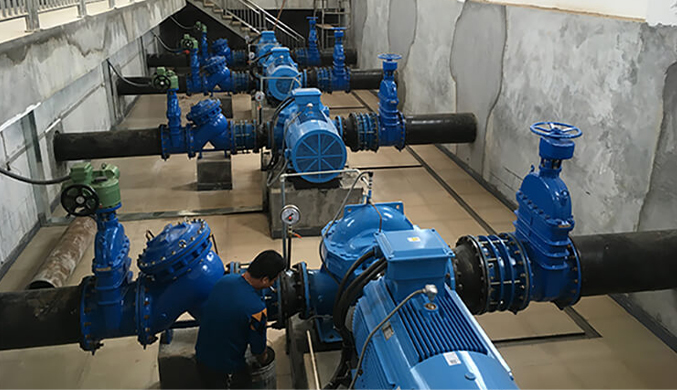
Introduction
Sewage pits and pumps represent a critical component of wastewater management infrastructure, facilitating the collection, transfer, and initial processing of sanitary and industrial effluent. This guide details the engineering principles, material science, performance characteristics, failure modes, and maintenance procedures associated with these systems. Sewage pits, also known as wet wells, serve as collection basins for wastewater, while pumps provide the hydraulic force to convey the effluent to treatment facilities. Their performance is inextricably linked to public health, environmental protection, and the reliable operation of municipal and industrial processes. The industry faces challenges related to corrosion, pump efficiency, solids handling, and adherence to increasingly stringent environmental regulations. This document provides a technical deep-dive for engineers, procurement managers, and maintenance personnel involved in the specification, operation, and longevity of sewage pit and pump systems.
Material Science & Manufacturing
Sewage pits are commonly constructed from reinforced concrete, offering high structural integrity and resistance to soil loads. The concrete mix design is crucial, requiring sulfate resistance additives (ASTM C150 Type V cement) to mitigate corrosion from hydrogen sulfide (H2S) and other aggressive compounds present in sewage. Polypropylene or epoxy coatings are often applied internally to create a chemical barrier, further enhancing durability. Pump components are typically manufactured from cast iron (ASTM A48 Class 30), stainless steel (316/316L – ASTM A743 Grade CF8M offering superior corrosion resistance), and specialized polymers (e.g., Viton for seals). Pump impellers often employ hardened alloys to resist abrasive wear from grit and sand. Manufacturing processes involve concrete pouring and curing for pits, followed by meticulous quality control including slump tests, compressive strength tests, and chloride permeability assessments. Pumps utilize precision casting, machining, and welding techniques. Pump shaft alignment is critical (typically within 0.05mm using laser alignment tools) to minimize vibration and bearing wear. Welding procedures (AWS D1.1) must be qualified to ensure weld integrity, particularly in stainless steel components to prevent sensitization and intergranular corrosion. The selection of elastomers for seals is determined by chemical compatibility with the wastewater stream, considering pH levels and the presence of hydrocarbons.
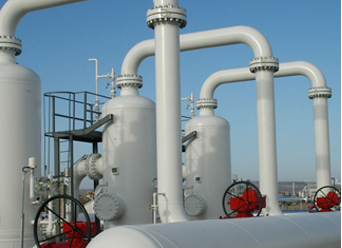
Performance & Engineering
Pump performance is characterized by head-capacity curves, efficiency curves, and Net Positive Suction Head Required (NPSHr). Head, measured in meters, represents the total dynamic head the pump can generate, including static lift, friction losses in piping, and pressure at the discharge point. Capacity, measured in cubic meters per hour, defines the flow rate. Pump selection requires careful matching of the pump curve to the system curve, representing the total head loss at various flow rates. Impeller design (radial, mixed-flow, or axial) impacts performance characteristics. Variable Frequency Drives (VFDs) are frequently employed to optimize pump speed and energy consumption based on fluctuating flow demands. Force analysis is crucial in pit design, considering hydrostatic pressure, soil loading, and potential surcharge from peak flows. Finite Element Analysis (FEA) is used to validate structural integrity. Environmental resistance is paramount. Pits must be designed to withstand groundwater infiltration and prevent structural damage from freeze-thaw cycles (ASTM C666). Pump motors must be protected to IP68 standards (Ingress Protection) for complete submersion. Compliance with local and national wastewater discharge regulations (e.g., EPA standards in the US, EU Water Framework Directive) is essential, requiring appropriate screening and grit removal systems integrated with the pit and pump configuration.
Technical Specifications
| Parameter | Unit | Typical Range (Sewage Pit) | Typical Range (Submersible Pump) |
|---|---|---|---|
| Pit Volume | m³ | 5 – 500 | N/A |
| Concrete Compressive Strength | MPa | 30 – 50 | N/A |
| Pit Depth | m | 3 – 15 | N/A |
| Pump Flow Rate | m³/h | N/A | 10 – 1000 |
| Pump Head | m | N/A | 5 – 80 |
| Pump Motor Power | kW | N/A | 0.75 – 300 |
| Solids Handling Capacity | mm | N/A | >50 |
Failure Mode & Maintenance
Common failure modes in sewage pits include concrete cracking (due to sulfate attack, freeze-thaw, or structural overload), coating delamination, and inflow/infiltration leading to hydraulic overload. Pump failures stem from impeller wear (caused by abrasive solids), bearing failure (due to misalignment or lubrication issues), seal failure (resulting in motor damage), and motor winding insulation breakdown. Fatigue cracking can occur in pump shafts under cyclic loading. Hydrogen sulfide corrosion is a major concern, leading to pitting and accelerated degradation of metal components. Preventive maintenance is crucial. For pits, this includes regular visual inspections for cracks, coating integrity assessment, and cleaning to remove sediment buildup. For pumps, maintenance involves routine bearing lubrication, seal replacement, impeller inspection/replacement, motor winding insulation testing (Megger testing), and vibration analysis to detect early signs of imbalance or misalignment. Non-Destructive Testing (NDT) methods, such as ultrasonic testing and dye penetrant inspection, can identify hidden cracks or flaws. Regular monitoring of pump performance parameters (current draw, vibration levels, discharge pressure) provides valuable insights into system health. Automated pit cleaning systems can reduce the frequency of manual cleaning and minimize exposure to hazardous environments.
Industry FAQ
Q: What are the key considerations when selecting a pump material for highly corrosive sewage applications?
A: The primary consideration is corrosion resistance. While cast iron is cost-effective, it's susceptible to corrosion, particularly in environments with high H2S levels. Stainless steel (316/316L) offers significantly improved corrosion resistance but is more expensive. Specialized alloys like duplex stainless steel may be required for extreme conditions. Polymer impellers can also be used in certain applications, but their abrasion resistance must be carefully evaluated.
Q: How does VFD control impact the lifecycle cost of sewage pumps?
A: VFDs can significantly reduce energy consumption by matching pump speed to flow demand, minimizing energy waste. They also reduce mechanical stress on the pump and piping system, extending component life and reducing maintenance frequency. While the initial investment in a VFD is higher, the long-term savings in energy and maintenance typically outweigh the cost.
Q: What preventative measures can be taken to mitigate concrete degradation in sewage pits?
A: Using sulfate-resistant cement (Type V) is essential. Applying a high-quality epoxy or polyurethane coating provides a chemical barrier. Proper drainage around the pit foundation prevents groundwater infiltration. Regular inspections and timely repairs of any cracks or coating damage are crucial to prevent further deterioration.
Q: What are the implications of improper pump alignment?
A: Improper alignment causes excessive vibration, leading to premature bearing failure, seal failure, and shaft fatigue. It also increases energy consumption and can damage the pump motor. Regular laser alignment checks and adjustments are essential to maintain optimal performance.
Q: How important is solids handling capability in pump selection, and what factors influence it?
A: Solids handling is critical. Pump impeller design (open, semi-open, or closed) significantly influences its ability to handle solids. Larger impeller passages and hardened impeller materials improve solids handling capability. The size and type of solids expected in the wastewater stream must be considered during pump selection. Integrating a grit removal system upstream of the pump protects the pump from abrasive wear.
Conclusion
Sewage pit and pump systems are essential for effective wastewater management, demanding a holistic approach encompassing robust material selection, precise engineering design, and diligent maintenance practices. The selection of appropriate materials, particularly those resistant to corrosion and abrasion, is paramount for long-term reliability. Employing advanced control systems like VFDs enhances energy efficiency and reduces mechanical stress, contributing to lower lifecycle costs. Proactive maintenance, coupled with regular inspections utilizing NDT techniques, is vital for identifying and addressing potential failure modes before they escalate into costly repairs or system downtime.
Looking forward, advancements in sensor technology and data analytics will enable predictive maintenance strategies, allowing for proactive intervention based on real-time system performance data. Further research into novel coating materials and corrosion inhibitors will enhance the durability of concrete structures and metal components. Continued emphasis on regulatory compliance and sustainable wastewater management practices will drive innovation in sewage pit and pump technologies, ultimately contributing to a cleaner and healthier environment.
-
sewage pump for basement Performance and Engineering
News2026-05-28
-
Sewage Pump Companies Performance Analysis
News2026-05-28
-
Sewage Pit and Pump Performance Analysis
News2026-05-28
-
Sewage Lift Pumps Material Science
News2026-05-28
-
Sewage Ejector Tank Material Science and Manufacturing
News2026-05-28
-
sewage effluent pumps Material Science Manufacturing
News2026-05-27
-
septic tank effluent pump Performance Analysis
News2026-05-27
-
Septic Sewer Pump Performance Analysis
News2026-05-27
-
septic sewage pumps Performance Analysis
News2026-05-27
-
septic sewage pump Material Science and Manufacturing
News2026-05-27
-
residential sewage pumps Material Science and Manufacturing
News2026-05-26
-
residential sewage lift pump Performance Analysis
News2026-05-26
-
high head sump pump Performance and Engineering
News2026-05-26
-
effluent pump for septic tank Material Science Manufacturing
News2026-05-26
-
effluent and sewage pumps Material Science Manufacturing
News2026-05-26




