English
- Afrikaans
- Albanian
- Amharic
- Arabic
- Armenian
- Azerbaijani
- Basque
- Belarusian
- Bengali
- Bosnian
- Bulgarian
- Catalan
- Cebuano
- Corsican
- Croatian
- Czech
- Danish
- Dutch
- English
- Esperanto
- Estonian
- Finnish
- French
- Frisian
- Galician
- Georgian
- German
- Greek
- Gujarati
- Haitian Creole
- hausa
- hawaiian
- Hebrew
- Hindi
- Miao
- Hungarian
- Icelandic
- igbo
- Indonesian
- irish
- Italian
- Japanese
- Javanese
- Kannada
- kazakh
- Khmer
- Rwandese
- Korean
- Kurdish
- Kyrgyz
- Lao
- Latin
- Latvian
- Lithuanian
- Luxembourgish
- Macedonian
- Malgashi
- Malay
- Malayalam
- Maltese
- Maori
- Marathi
- Mongolian
- Myanmar
- Nepali
- Norwegian
- Norwegian
- Occitan
- Pashto
- Persian
- Polish
- Portuguese
- Punjabi
- Romanian
- Russian
- Samoan
- Scottish Gaelic
- Serbian
- Sesotho
- Shona
- Sindhi
- Sinhala
- Slovak
- Slovenian
- Somali
- Spanish
- Sundanese
- Swahili
- Swedish
- Tagalog
- Tajik
- Tamil
- Tatar
- Telugu
- Thai
- Turkish
- Turkmen
- Ukrainian
- Urdu
- Uighur
- Uzbek
- Vietnamese
- Welsh
- Bantu
- Yiddish
- Yoruba
- Zulu

Telephone: +86 13120555503
Email: frank@cypump.com


Apr . 01, 2024 17:55 Back to list
Sewage Lift Pump Performance Analysis
Introduction
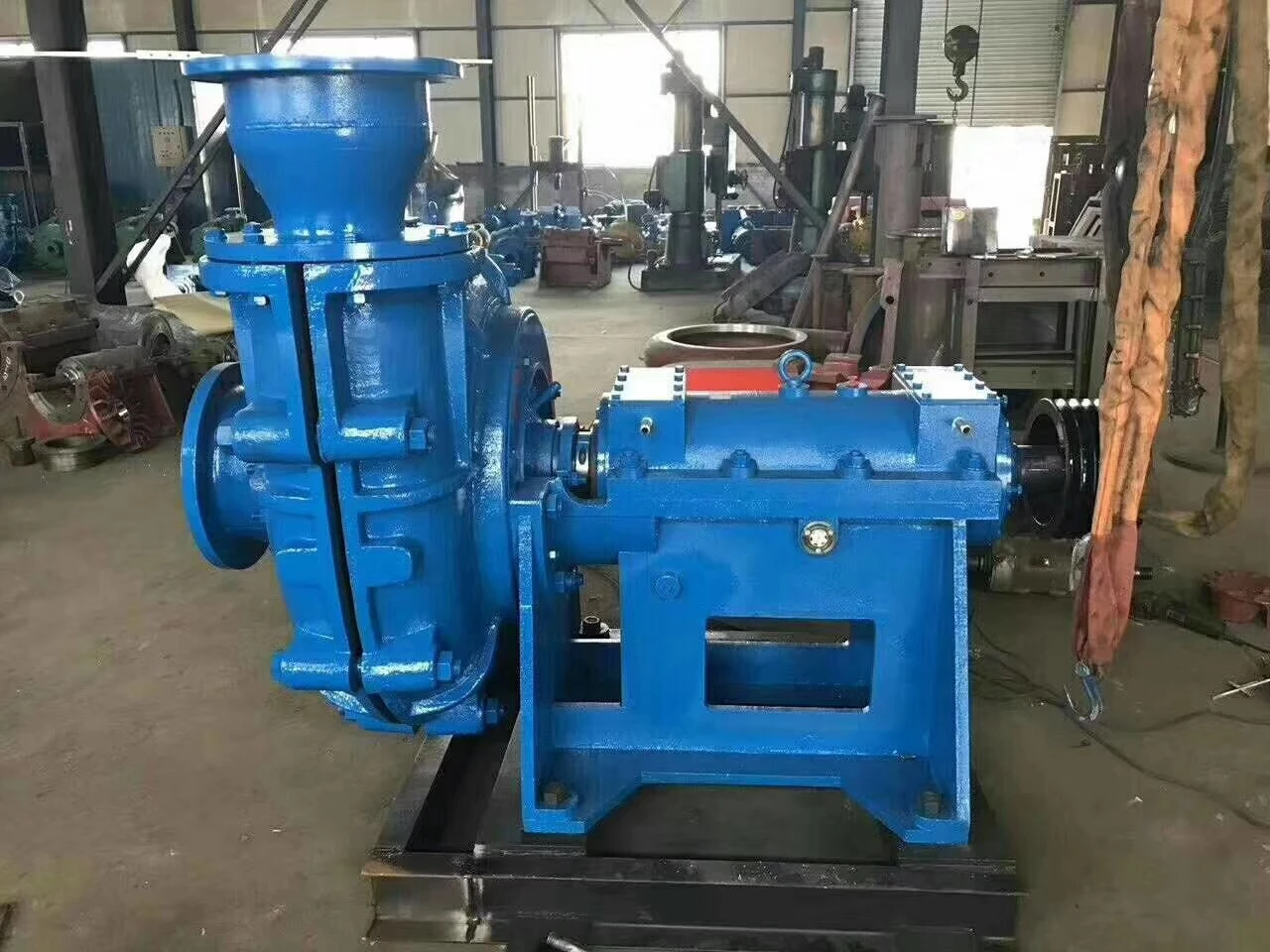
Sewage lift pumps, also known as grinder pumps or ejector pumps, are critical components in wastewater management systems. Positioned within the industrial chain, they function as a bridge between gravity-dependent sewage networks and treatment facilities, particularly in challenging topographical scenarios or where gravity flow is insufficient. These pumps are engineered to handle wastewater containing solids, effectively lifting it to overcome elevation differences and maintain consistent flow. Core performance metrics include pumping capacity (gallons per minute or liters per second), head (vertical distance the pump can lift the fluid), motor horsepower, and solids handling capability. The industry faces persistent challenges regarding pump longevity in abrasive environments, energy efficiency, and minimizing clogging incidents, driving innovation in impeller design, motor technology, and control systems. Proper selection and maintenance are paramount for reliable operation and prevention of costly system failures.
Material Science & Manufacturing
The core components of a sewage lift pump are constructed from materials selected for corrosion resistance, durability, and mechanical strength. Impellers and pump housings are frequently manufactured from ductile iron (ASTM A536 Grade 65-45-12), chosen for its high tensile strength and resistance to fracture. Stainless steel (specifically 304 or 316 grades – ASTM A240) is employed for components exposed to highly corrosive fluids, such as check valves and shaft seals. Pump housings may also be constructed from high-density polyethylene (HDPE) or polypropylene (PP) – materials selected for their chemical inertness and cost-effectiveness, especially in residential applications. Motor housings are typically cast iron or aluminum. Manufacturing processes include sand casting for iron components, investment casting for complex impeller designs, and rotational molding for plastic housings. Key parameter control during manufacturing includes precise machining tolerances to ensure impeller balance and minimize vibration, rigorous quality control of welds (AWS D1.1 compliant for structural welds) to prevent failures, and comprehensive material testing (ASTM E8 tensile testing, ASTM A247 corrosion resistance testing) to verify conformity to specifications. Surface treatments like epoxy coatings or zinc plating are applied to iron components to enhance corrosion protection. The selection of elastomer materials for seals (typically nitrile rubber or Viton) is crucial for chemical compatibility and maintaining a reliable seal under varying temperatures and pressures.
Performance & Engineering
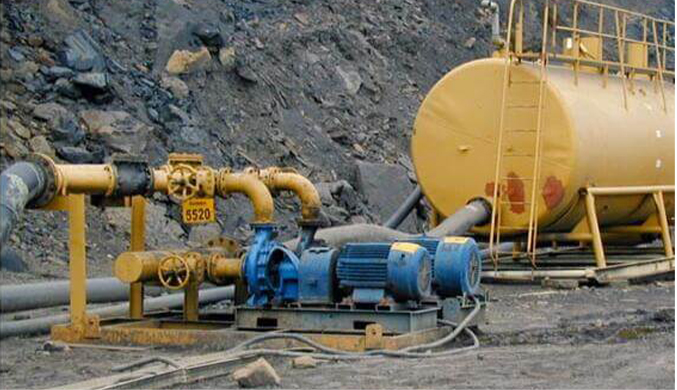
Performance analysis of sewage lift pumps hinges on understanding hydraulic principles and motor characteristics. Force analysis involves calculating the torque required to drive the impeller against fluid resistance, considering factors such as pump speed, impeller diameter, and fluid viscosity. Cavitation – the formation of vapor bubbles within the pump due to low pressure – is a primary concern, leading to impeller erosion and reduced efficiency. Engineering designs mitigate cavitation through optimized impeller geometry and maintaining adequate Net Positive Suction Head Available (NPSHA). Environmental resistance is addressed through material selection (as detailed above) and sealing systems. Pumps intended for outdoor installation must withstand UV radiation, temperature fluctuations, and ingress of moisture (IP68 rating for submersible pumps – IEC 60529). Compliance requirements vary by region, encompassing standards related to electrical safety (UL 508A for industrial control panels), pump efficiency (Department of Energy regulations in the US), and wastewater discharge limits (EPA standards). Functional implementation relies on sophisticated control systems, including level sensors (float switches, pressure transducers) and variable frequency drives (VFDs) to optimize pump speed based on flow demand, reducing energy consumption and minimizing wear and tear. Pump curves, generated through hydraulic testing (ISO 9906), are essential for selecting the appropriate pump for a given application and predicting its performance characteristics.
Technical Specifications
| Parameter | Typical Range (Residential) | Typical Range (Industrial) | Unit |
|---|---|---|---|
| Flow Rate | 25-100 | 100-500 | GPM (Gallons Per Minute) |
| Total Head | 10-50 | 50-200 | Feet |
| Motor Horsepower | 1/2 - 1 | 3-10 | HP (Horsepower) |
| Solids Handling | Up to 1 inch | Up to 3 inches | Diameter |
| Impeller Material | Cast Iron/Plastic | Ductile Iron/Stainless Steel | - |
| Housing Material | Plastic | Cast Iron/Stainless Steel | - |
Failure Mode & Maintenance
Sewage lift pump failures typically fall into several categories. Fatigue cracking of the impeller, particularly around the vanes, is a common issue, often exacerbated by abrasive solids. This can be identified through visual inspection and non-destructive testing (NDT) techniques like dye penetrant inspection (ASTM E165). Seal failures, leading to leakage, are often caused by wear, chemical incompatibility, or improper installation. Delamination of epoxy coatings can expose the underlying metal to corrosion. Motor failures can stem from overheating (due to inadequate cooling or voltage imbalances) or bearing wear. Oxidation and corrosion are prevalent issues, particularly in coastal environments. Regular maintenance is crucial for preventing these failures. This includes routine inspection of seals and bearings, cleaning of the pump housing to remove debris, and monitoring motor current and voltage. Preventive maintenance schedules should incorporate lubrication of bearings (following manufacturer’s recommendations), impeller inspection (for wear and damage), and electrical connection checks. In the event of a pump failure, a comprehensive failure analysis should be conducted to determine the root cause and implement corrective actions. This may involve metallurgical analysis of failed components and review of operational data.
Industry FAQ
Q: What are the key differences between a submersible and a non-submersible sewage lift pump, and when would you choose one over the other?
A: Submersible pumps are designed to operate fully submerged in the sewage, offering quieter operation and self-priming capabilities. They are ideal for installations where space is limited and noise is a concern. Non-submersible pumps are positioned above ground and require priming. They are generally easier to access for maintenance but require a more complex installation with piping and priming systems. Non-submersible pumps are often chosen for higher flow rate applications and where frequent maintenance is anticipated.
Q: How does the impeller design impact the pump's ability to handle solids and prevent clogging?
A: Impeller design is critical. Open impellers are more resistant to clogging but generally have lower efficiency. Vortex impellers create a swirling motion that pulls solids into the center of the pump, reducing clogging potential but also lowering pumping efficiency. Grinder impellers incorporate rotating blades that macerate solids before they enter the pump, maximizing solids handling capability but requiring more energy and potentially increasing wear. The choice depends on the expected solids content and the desired balance between efficiency and clog resistance.
Q: What considerations are important when selecting the appropriate motor for a sewage lift pump application?
A: Motor selection must account for the pump’s horsepower requirements, the operating voltage and frequency, and the environment. Totally Enclosed Fan Cooled (TEFC) motors are commonly used, providing protection against dust and moisture. For submersible applications, watertight motors are essential. Consider the motor’s service factor (the ability to handle temporary overloads) and insulation class (determines the maximum operating temperature). Energy efficiency ratings (IE3 or IE4) are also important for reducing operating costs.
Q: What role do control systems play in optimizing the performance and extending the lifespan of a sewage lift pump?
A: Control systems, particularly those incorporating Variable Frequency Drives (VFDs), are vital for optimizing performance. VFDs allow the pump speed to be adjusted based on flow demand, reducing energy consumption and minimizing mechanical stress. Level sensors provide accurate monitoring of liquid levels, preventing dry running and overflow. Advanced control systems can also monitor motor current and voltage, detecting potential problems before they lead to failures. Remote monitoring and diagnostic capabilities enable proactive maintenance and reduce downtime.
Q: How do different materials of construction affect the long-term cost of ownership of a sewage lift pump?
A: Material selection directly impacts the pump’s lifespan and maintenance requirements. While plastic pumps may have a lower initial cost, they are less durable and more susceptible to damage. Stainless steel pumps offer superior corrosion resistance but come at a higher price. Ductile iron provides a good balance of strength, durability, and cost-effectiveness. Choosing materials appropriate for the specific wastewater composition and environmental conditions is critical for minimizing long-term costs associated with repairs and replacements.
Conclusion
Sewage lift pumps represent a crucial piece of infrastructure in modern wastewater management, bridging the gap between collection systems and treatment facilities. Successful implementation relies on a thorough understanding of material science, hydraulic principles, and electrical engineering. Selecting the appropriate pump configuration, considering factors such as flow rate, head, solids handling requirements, and environmental conditions, is paramount. Furthermore, a proactive maintenance program, incorporating regular inspections, lubrication, and failure analysis, is essential for maximizing pump longevity, minimizing downtime, and reducing overall life cycle costs.
Future trends in sewage lift pump technology are focused on increasing energy efficiency through advanced motor designs and control systems, developing more robust materials to withstand abrasive environments, and integrating smart sensors and data analytics for predictive maintenance. The adoption of IoT-enabled pumps will enable remote monitoring, automated diagnostics, and optimized operation, contributing to more sustainable and resilient wastewater infrastructure.
-
Comprehensive Guide to Waterproof ORings for Optimal Sealing Solutions
News2026-06-09
-
septic system sump pump Performance Analysis
News2026-06-26
-
septic pump company Performance Analysis
News2026-06-26
-
pumps water treatment Performance Analysis
News2026-06-26
-
pumps for septic tanks Material Science and Manufacturing
News2026-06-26
-
pump for septic system Material Science Manufacturing
News2026-06-26
-
heavy duty submersible pump Performance Analysis
News2026-06-25
-
best submersible pump for septic tank Performance Analysis
News2026-06-25
-
basement sewer ejector pump Performance Analysis
News2026-06-25
-
basement pumps ejector pumps Performance Analysis
News2026-06-25
-
basement lift pump Performance and Engineering
News2026-06-25
-
basement bathroom pump systems Performance Analysis
News2026-06-24
-
basement bathroom ejector pump system Performance Engineering
News2026-06-24
-
2 hp sewage pump Performance Engineering
News2026-06-24
-
1 hp septic pump Performance Engineering
News2026-06-24




