English
- Afrikaans
- Albanian
- Amharic
- Arabic
- Armenian
- Azerbaijani
- Basque
- Belarusian
- Bengali
- Bosnian
- Bulgarian
- Catalan
- Cebuano
- Corsican
- Croatian
- Czech
- Danish
- Dutch
- English
- Esperanto
- Estonian
- Finnish
- French
- Frisian
- Galician
- Georgian
- German
- Greek
- Gujarati
- Haitian Creole
- hausa
- hawaiian
- Hebrew
- Hindi
- Miao
- Hungarian
- Icelandic
- igbo
- Indonesian
- irish
- Italian
- Japanese
- Javanese
- Kannada
- kazakh
- Khmer
- Rwandese
- Korean
- Kurdish
- Kyrgyz
- Lao
- Latin
- Latvian
- Lithuanian
- Luxembourgish
- Macedonian
- Malgashi
- Malay
- Malayalam
- Maltese
- Maori
- Marathi
- Mongolian
- Myanmar
- Nepali
- Norwegian
- Norwegian
- Occitan
- Pashto
- Persian
- Polish
- Portuguese
- Punjabi
- Romanian
- Russian
- Samoan
- Scottish Gaelic
- Serbian
- Sesotho
- Shona
- Sindhi
- Sinhala
- Slovak
- Slovenian
- Somali
- Spanish
- Sundanese
- Swahili
- Swedish
- Tagalog
- Tajik
- Tamil
- Tatar
- Telugu
- Thai
- Turkish
- Turkmen
- Ukrainian
- Urdu
- Uighur
- Uzbek
- Vietnamese
- Welsh
- Bantu
- Yiddish
- Yoruba
- Zulu

Telephone: +86 13120555503
Email: frank@cypump.com


Apr . 01, 2024 17:55 Back to list
sewage injector pump Performance Engineering
Introduction
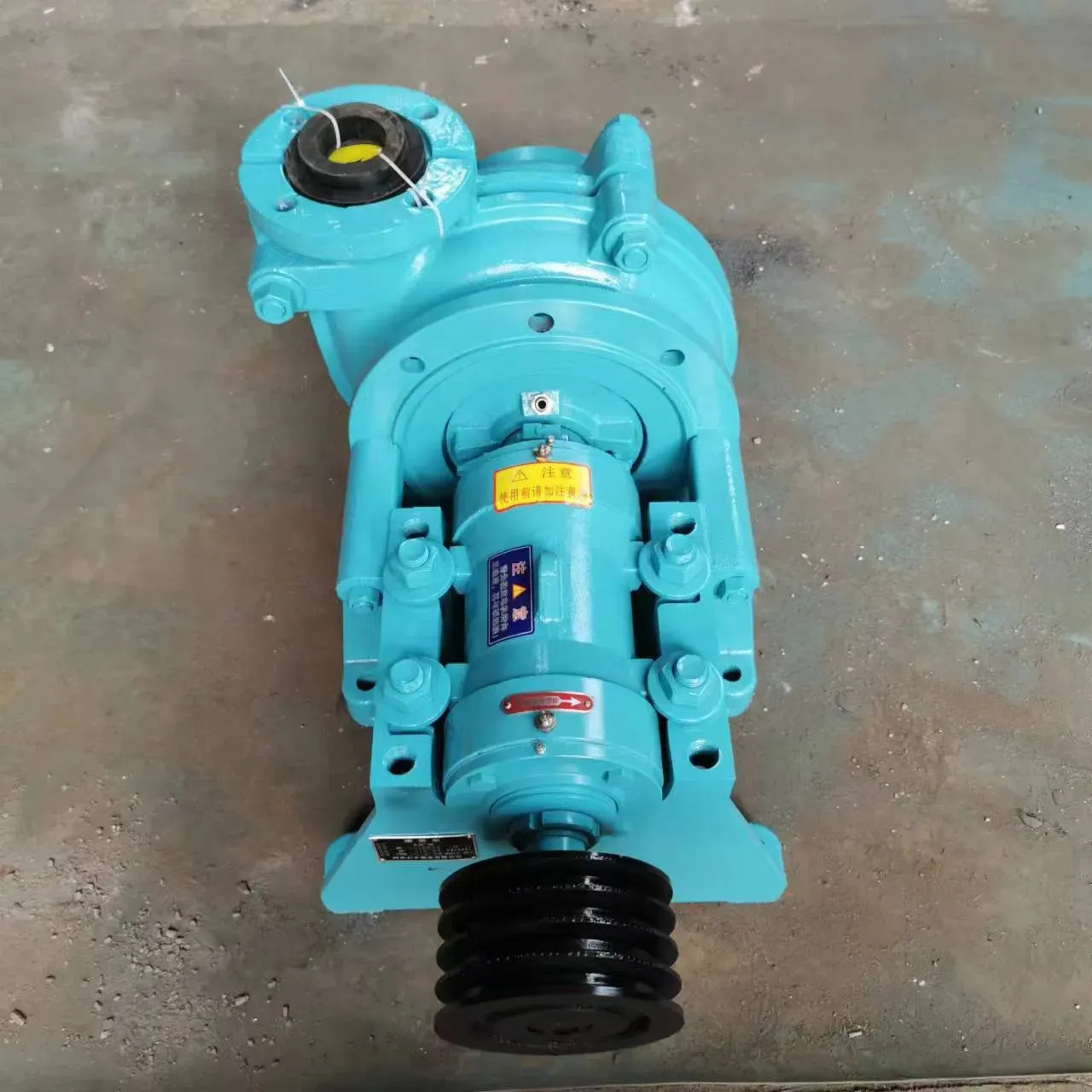
Sewage injector pumps, also known as ejector pumps, are specialized centrifugal pumps designed to lift wastewater from below grade to the main sewer line. They differ from standard centrifugal pumps by incorporating a jet nozzle assembly within the pump casing. This assembly utilizes a high-velocity jet of pumped fluid to create a vacuum, drawing wastewater into the impeller. Positioned within the wastewater management infrastructure, these pumps act as a crucial link between buildings and municipal sewage systems, particularly in situations where gravity drainage is insufficient. Their core performance characteristics are defined by flow rate (gallons per minute or liters per second), head (vertical lift capability in feet or meters), solids handling capacity (diameter and concentration), and motor horsepower. A primary industry pain point revolves around the corrosive nature of sewage, demanding robust material selection and sealing solutions to prevent failures and ensure long-term reliability. Furthermore, efficient energy consumption and adherence to increasingly stringent environmental regulations regarding wastewater discharge are critical concerns.
Material Science & Manufacturing
The primary materials used in sewage injector pump construction are cast iron (typically ASTM A48 Class 30), stainless steel (304, 316 for wetted parts), and engineered polymers (polypropylene, PVC, or Viton for seals and impellers). Cast iron provides cost-effective robustness and good vibration damping properties but requires protective coatings (epoxy or fusion-bonded powder) to mitigate corrosion from hydrogen sulfide (H₂S) and other corrosive elements present in sewage. Stainless steel offers superior corrosion resistance, especially grade 316 which contains molybdenum for enhanced chloride resistance, but is significantly more expensive. Polymer selection depends on the specific fluid composition and temperature; Viton offers excellent chemical resistance but has limitations in temperature range.
Manufacturing typically involves several key processes. The pump casing is produced via sand casting followed by machining for precise dimensions and surface finish. Impellers can be manufactured using investment casting for complex geometries or injection molding for polymer impellers. The jet nozzle assembly requires high-precision drilling and threading. Critical parameter control during manufacturing includes impeller balancing to minimize vibration, dimensional accuracy of the casing and impeller to ensure proper clearances, and coating thickness for corrosion protection. Welding, if used for repairs or component fabrication, must adhere to AWS D1.1 standards for structural welding. Seal integrity is paramount; mechanical seals (typically silicon carbide vs. ceramic) are assembled and tested rigorously to prevent leakage and ensure reliable operation. Quality control includes hydrostatic testing to verify casing integrity and performance testing to validate flow rate and head characteristics.
Performance & Engineering
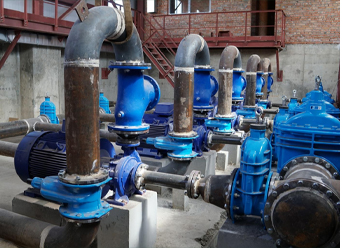
Performance analysis of sewage injector pumps centers around hydraulic efficiency, net positive suction head required (NPSHr), and solids handling capability. Hydraulic efficiency is impacted by impeller design, casing geometry, and internal clearances. NPSHr is a critical parameter to prevent cavitation, which can cause significant damage to the impeller. Cavitation occurs when the absolute pressure at the impeller inlet falls below the vapor pressure of the liquid, forming vapor bubbles that collapse violently. Force analysis considers the static and dynamic loads on the pump components, including the weight of the pump, the fluid pressure, and the stresses induced by vibration.
Environmental resistance is crucial. Pumps operating in wet pit applications must withstand continuous immersion in corrosive sewage. Motor enclosures are typically rated to NEMA 6P or IP68 standards for complete protection against ingress of solids and liquids. Compliance requirements include adherence to local plumbing codes, NSF/ANSI Standard 61 for drinking water system components (relevant for pumps indirectly impacting potable water), and potentially EPA guidelines for wastewater discharge. Functional implementation involves careful system design, including proper sizing of the pump to meet the expected flow rate and head requirements, selection of appropriate piping and valves, and installation of a control panel with level sensors and automatic on/off control.
Technical Specifications
| Parameter | Unit | Typical Value (Residential Application) | Typical Value (Commercial Application) |
|---|---|---|---|
| Flow Rate | GPM (Gallons Per Minute) | 40-70 | 100-300 |
| Total Head | ft (Feet) | 15-30 | 30-60 |
| Solids Handling | in (Inches) | 2 | 3 |
| Motor Horsepower | HP | 1/2 - 1 | 1.5 - 5 |
| Voltage | V | 115/230 | 230/460 |
| Pump Casing Material | - | Cast Iron (Epoxy Coated) | Stainless Steel (316) |
Failure Mode & Maintenance
Common failure modes in sewage injector pumps include impeller wear and corrosion, seal failure, motor burnout, and blockage of the jet nozzle. Impeller wear is accelerated by abrasive solids in the sewage. Corrosion, especially in cast iron casings, leads to weakening of the structure and eventual leakage. Seal failures result in leakage and potential motor damage. Motor burnout is often caused by overheating due to inadequate ventilation or excessive load. Blockage of the jet nozzle reduces pump efficiency and can lead to complete failure. Fatigue cracking in the impeller and casing can also occur over time due to cyclical loading.
Professional maintenance includes regular inspection of the pump for leaks, corrosion, and vibration. Impeller and casing should be inspected for wear and replaced as needed. Mechanical seals should be replaced preventatively based on operating hours or if leakage is detected. The jet nozzle should be cleaned periodically to remove any blockages. Motor windings should be inspected for signs of overheating. Lubrication of bearings is critical and should be performed according to manufacturer’s recommendations. Preventive maintenance programs, including scheduled inspections and component replacements, significantly extend pump life and reduce the risk of catastrophic failures. A thorough failure analysis, including metallurgical examination of failed components, is crucial to identify root causes and implement corrective actions.
Industry FAQ
Q: What is the impact of H₂S on pump lifespan and what mitigation strategies are most effective?
A: Hydrogen sulfide (H₂S) is a corrosive gas commonly found in sewage. It accelerates corrosion of cast iron and steel components, significantly reducing pump lifespan. Effective mitigation strategies include the use of epoxy or fusion-bonded powder coatings on cast iron components, utilizing stainless steel (316) for wetted parts, and implementing chemical addition programs to control H₂S levels in the wastewater.
Q: How does impeller design influence the pump's solids handling capacity and efficiency?
A: Impeller design is crucial. Impellers with open or semi-open designs are better suited for handling solids as they reduce the risk of clogging. However, open impellers generally have lower efficiency than closed impellers. Optimizing the impeller blade angle and shape, as well as the impeller diameter, is essential to balance solids handling capability and hydraulic efficiency.
Q: What are the key considerations when selecting a mechanical seal for a sewage injector pump?
A: Key considerations include the fluid composition, temperature, pressure, and solids content. Silicon carbide vs. ceramic seals are commonly used due to their hardness and corrosion resistance. The seal material must be compatible with the chemicals present in the sewage. Proper seal lubrication and cooling are also critical to prevent premature failure.
Q: How do you determine the appropriate NPSHr for a given application, and what are the consequences of insufficient NPSH?
A: NPSHr is determined based on the pump’s design and operating speed. It is provided by the pump manufacturer. The available NPSH (NPSHa) must be greater than the NPSHr to prevent cavitation. Insufficient NPSH results in vapor bubble formation and collapse, causing noise, vibration, reduced pump performance, and eventual impeller damage.
Q: What is the role of the jet nozzle in an ejector pump, and how does its condition impact performance?
A: The jet nozzle creates a high-velocity jet of fluid that generates a vacuum, drawing wastewater into the pump. A damaged or blocked jet nozzle significantly reduces pump efficiency and can lead to complete failure. Regular inspection and cleaning of the jet nozzle are essential for maintaining optimal performance.
Conclusion
Sewage injector pumps are vital components of wastewater infrastructure, reliant on robust material science, precise manufacturing, and diligent maintenance. Understanding the interplay between hydraulic performance, corrosion resistance, and solids handling capability is paramount for selecting the appropriate pump for a given application. The industry's continuous drive for improved efficiency and compliance with environmental regulations necessitates a focus on optimized impeller designs, advanced materials, and proactive failure prevention strategies.
Future developments will likely focus on smart pump technology incorporating sensors for real-time monitoring of performance parameters, predictive maintenance algorithms to anticipate failures, and variable frequency drives (VFDs) to optimize energy consumption. Furthermore, research into more corrosion-resistant materials and innovative sealing solutions will continue to extend pump lifespan and reduce operating costs. Effective system design and proper installation remain critical for ensuring the long-term reliability and efficiency of these essential wastewater management assets.
-
Comprehensive Guide to Waterproof ORings for Optimal Sealing Solutions
News2026-06-09
-
Waste Tank Pump Performance Analysis
News2026-06-27
-
Sewer System Pump Out Material Science
News2026-06-27
-
Sewer Ejector Pit Performance Analysis
News2026-06-27
-
septic tank pumps for sale Performance Engineering
News2026-06-27
-
septic system with lift pump Performance Engineering
News2026-06-27
-
septic system sump pump Performance Analysis
News2026-06-26
-
septic pump company Performance Analysis
News2026-06-26
-
pumps water treatment Performance Analysis
News2026-06-26
-
pumps for septic tanks Material Science and Manufacturing
News2026-06-26
-
pump for septic system Material Science Manufacturing
News2026-06-26
-
heavy duty submersible pump Performance Analysis
News2026-06-25
-
best submersible pump for septic tank Performance Analysis
News2026-06-25
-
basement sewer ejector pump Performance Analysis
News2026-06-25
-
basement pumps ejector pumps Performance Analysis
News2026-06-25




