English
- Afrikaans
- Albanian
- Amharic
- Arabic
- Armenian
- Azerbaijani
- Basque
- Belarusian
- Bengali
- Bosnian
- Bulgarian
- Catalan
- Cebuano
- Corsican
- Croatian
- Czech
- Danish
- Dutch
- English
- Esperanto
- Estonian
- Finnish
- French
- Frisian
- Galician
- Georgian
- German
- Greek
- Gujarati
- Haitian Creole
- hausa
- hawaiian
- Hebrew
- Hindi
- Miao
- Hungarian
- Icelandic
- igbo
- Indonesian
- irish
- Italian
- Japanese
- Javanese
- Kannada
- kazakh
- Khmer
- Rwandese
- Korean
- Kurdish
- Kyrgyz
- Lao
- Latin
- Latvian
- Lithuanian
- Luxembourgish
- Macedonian
- Malgashi
- Malay
- Malayalam
- Maltese
- Maori
- Marathi
- Mongolian
- Myanmar
- Nepali
- Norwegian
- Norwegian
- Occitan
- Pashto
- Persian
- Polish
- Portuguese
- Punjabi
- Romanian
- Russian
- Samoan
- Scottish Gaelic
- Serbian
- Sesotho
- Shona
- Sindhi
- Sinhala
- Slovak
- Slovenian
- Somali
- Spanish
- Sundanese
- Swahili
- Swedish
- Tagalog
- Tajik
- Tamil
- Tatar
- Telugu
- Thai
- Turkish
- Turkmen
- Ukrainian
- Urdu
- Uighur
- Uzbek
- Vietnamese
- Welsh
- Bantu
- Yiddish
- Yoruba
- Zulu

Telephone: +86 13120555503
Email: frank@cypump.com


Apr . 01, 2024 17:55 Back to list
sewage grinding pump Material Science and Manufacturing
Introduction
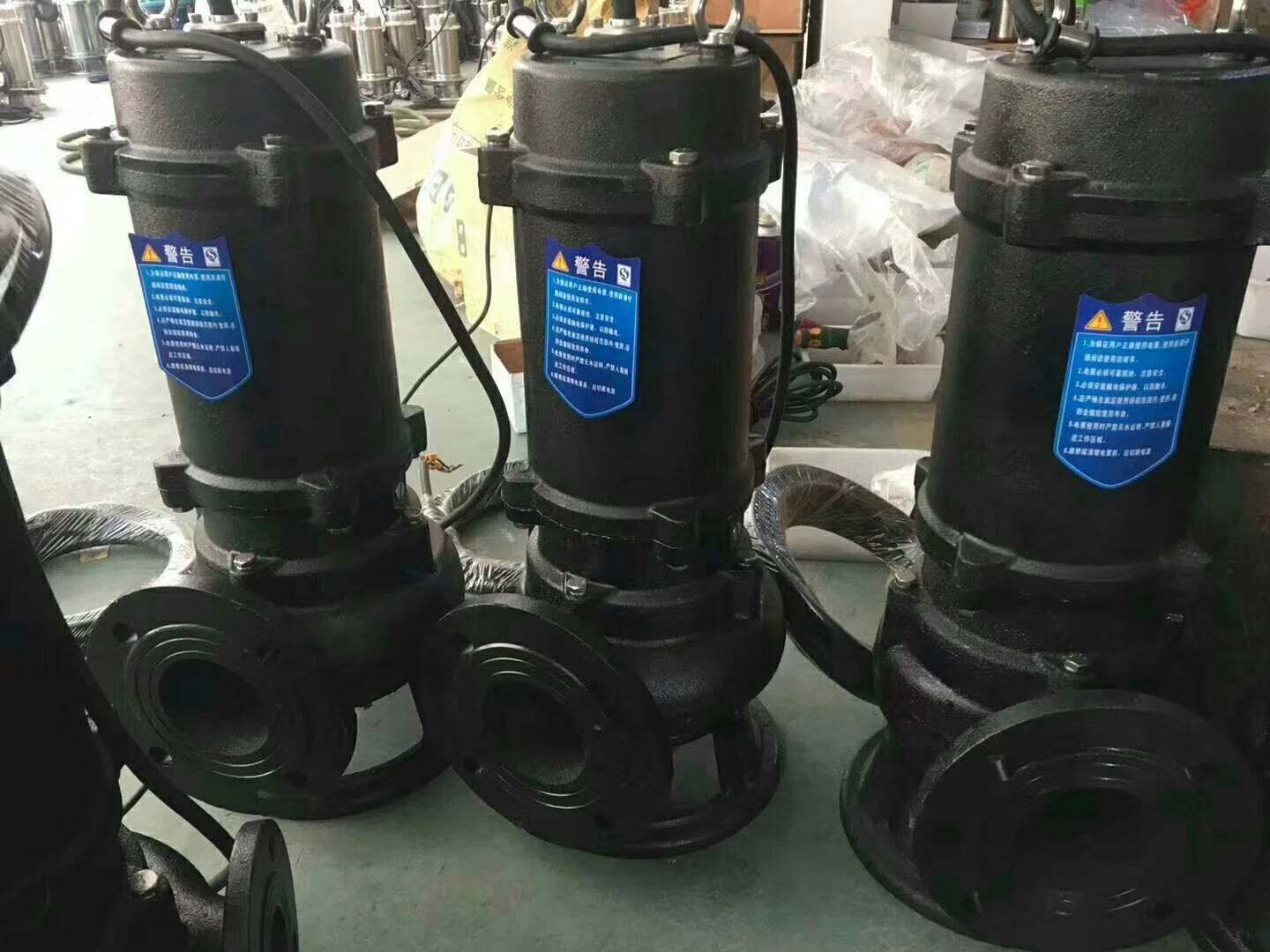
Sewage grinding pumps, also known as macerating pumps, represent a critical component in modern wastewater management systems. Positioned downstream of initial solids separation in a treatment plant, or as a standalone unit for residential or commercial applications, these pumps are designed to reduce the size of solid waste present in sewage. Unlike traditional centrifugal pumps which struggle with fibrous materials and large solids, grinding pumps incorporate a rotating cutter assembly that mechanically reduces waste size, preventing clogging and ensuring continuous flow. Their core performance revolves around hydraulic capacity (flow rate in gallons per minute or liters per second), head pressure (the vertical distance the pump can lift the fluid), solids handling capability (expressed in terms of maximum particle size), and the pump’s resistance to abrasive wear. The inherent pain point addressed by these pumps is the operational inefficiency and costly downtime associated with clogged sewage systems, particularly in scenarios with high concentrations of non-degradable solids.
Material Science & Manufacturing
The construction of a sewage grinding pump relies heavily on materials resistant to corrosion, abrasion, and impact. Impeller and cutter materials are typically manufactured from high-chromium cast iron (e.g., ASTM A532 Grade III) for its exceptional hardness and wear resistance, essential for grinding solids. Pump housings often utilize ductile iron (ASTM A536 Grade 65-45-12) providing high tensile strength and impact resistance. Shaft materials are commonly AISI 4140 alloy steel, heat treated for high strength and fatigue resistance. Seals are a crucial element, typically utilizing silicon carbide mechanical seals due to their superior resistance to abrasive particles and chemical attack from sewage components. Manufacturing processes include: sand casting for the housing and impeller, precision machining for the cutter and shaft, and heat treatment processes (quenching and tempering) to achieve desired material properties. Critical parameter control includes maintaining precise tolerances during machining to ensure proper impeller-cutter clearance, rigorous quality control of casting integrity to prevent porosity and cracking, and verification of heat treatment parameters to ensure optimal material hardness and ductility. Welding processes, when used for housing assembly, require qualified procedures (AWS D1.1) and non-destructive testing (NDT) such as radiographic inspection to ensure weld soundness.
Performance & Engineering
The performance of a sewage grinding pump is governed by several key engineering principles. Hydraulic design focuses on maximizing efficiency while minimizing clogging. Impeller geometry is carefully designed to create a strong cutting action and ensure positive displacement of macerated solids. Force analysis centers on the impact forces generated during grinding and the structural integrity of the impeller and cutter assembly to withstand these forces without fatigue failure. Environmental resistance is paramount, with pumps needing to operate reliably in continuously wet and corrosive environments. Materials selection and protective coatings (epoxy or polyurethane) are employed to mitigate corrosion. Compliance requirements include adherence to standards such as UL 778 (USA) for safety, and CE marking (Europe) ensuring compliance with relevant European directives. Functional implementation involves considerations for motor selection (typically submersible electric motors conforming to NEMA standards), pump control systems (variable frequency drives for flow control and energy optimization), and installation requirements (proper alignment and support to minimize vibration and wear). The pump’s Net Positive Suction Head Required (NPSHr) must be carefully considered to prevent cavitation, a major cause of impeller damage.
Technical Specifications
| Parameter | Unit | Typical Range | Testing Standard |
|---|---|---|---|
| Flow Rate | GPM (Gallons Per Minute) | 50 – 500 | ANSI/HI 1.1 |
| Total Dynamic Head | ft (feet) | 20 – 150 | ANSI/HI 1.6 |
| Solids Handling Capability | in (inches) | Up to 3 | In-house testing based on simulated waste composition |
| Motor Power | HP (Horsepower) | 1 – 10 | NEMA MG 1 |
| Impeller Material | - | High Chromium Cast Iron (A532 Grade III) | ASTM A532 |
| Housing Material | - | Ductile Iron (A536 Grade 65-45-12) | ASTM A536 |
Failure Mode & Maintenance
Sewage grinding pumps are susceptible to several failure modes. Fatigue cracking of the impeller or cutter blades can occur due to repeated impact forces and cyclic stress. Delamination of protective coatings on the impeller or housing can accelerate corrosion. Bearing failure, resulting from abrasive particles and insufficient lubrication, is common. Seal failure, allowing sewage ingress into the motor compartment, is another frequent issue. Cavitation erosion, caused by vapor bubble collapse, damages the impeller. Abrasion from sand and grit causes progressive wear of the impeller and cutter. Preventative maintenance is crucial. This includes regular inspection of the impeller and cutter for wear and damage, lubrication of bearings according to manufacturer’s specifications, replacement of seals at scheduled intervals, and monitoring motor current for signs of overloading. Vibration analysis can detect bearing wear and misalignment. Periodic flushing of the pump housing can remove accumulated solids and prevent clogging. Failure analysis should involve visual inspection, dimensional measurements, and metallurgical examination to determine the root cause of failure and prevent recurrence. Use of appropriate strainers upstream of the pump can mitigate abrasive wear.
Industry FAQ
Q: What is the optimal impeller speed for maximizing grinding efficiency without inducing excessive wear?
A: The optimal impeller speed is a balance between grinding efficiency and wear rate. Generally, higher speeds promote finer grinding but also increase abrasive wear. Manufacturers typically specify a recommended operating speed based on the pump's design and intended application. Variable frequency drives (VFDs) allow for speed adjustment to optimize performance based on influent solids characteristics. Monitoring impeller wear rates and adjusting speed accordingly is best practice.
Q: How does the chemical composition of sewage affect the selection of pump materials?
A: Sewage contains a complex mix of corrosive substances, including hydrogen sulfide (H2S), sulfates, and chlorides. These chemicals can cause significant corrosion of pump materials. High-chromium cast iron is preferred for its resistance to corrosion. Epoxy or polyurethane coatings provide an additional barrier against chemical attack. Material selection should consider the specific chemical composition of the sewage being handled, particularly in industrial applications with unusual waste streams.
Q: What are the primary causes of pump clogging, and how can they be prevented?
A: Pump clogging is primarily caused by large, non-degradable solids, such as rags, plastics, and wipes. Insufficient grinding efficiency, improper pump sizing, and inadequate upstream screening contribute to clogging. Prevention strategies include using pumps with aggressive cutter designs, ensuring proper pump sizing for the expected flow rate and solids load, and installing effective upstream screens to remove large debris before it reaches the pump.
Q: What are the key considerations for selecting a pump for variable flow conditions?
A: For variable flow conditions, a pump with a wide performance curve and the ability to operate efficiently at different flow rates is crucial. Variable frequency drives (VFDs) enable precise flow control and energy optimization. Consider the pump’s NPSHr characteristics to ensure adequate suction pressure at all flow rates. Pump selection should also account for the potential for increased solids loading during peak flow events.
Q: What is the expected lifespan of a typical sewage grinding pump impeller, and what factors influence it?
A: The expected lifespan of an impeller varies depending on operating conditions and maintenance practices. Typically, impellers can last between 5 to 10 years. Factors influencing lifespan include the abrasive content of the sewage, the impeller material, the operating speed, and the frequency of maintenance. Regular inspection and replacement of worn impellers are essential to prevent pump failure.
Conclusion
Sewage grinding pumps represent a sophisticated solution to the challenges of wastewater management, offering reliable solids reduction and preventing clogging in critical infrastructure. The efficacy of these pumps hinges on careful material selection, precision manufacturing, and adherence to stringent performance standards. Understanding the nuances of material science – specifically the abrasion resistance and corrosion protection offered by high-chromium cast iron and ductile iron – is paramount for longevity.
Looking ahead, advancements in pump design, such as improved impeller geometries and the integration of predictive maintenance technologies, will further enhance performance and reduce lifecycle costs. Continued research into more durable materials and optimized control systems will be vital to address the evolving demands of wastewater treatment facilities and maintain the efficiency of sewage systems.
-
Comprehensive Guide to Waterproof ORings for Optimal Sealing Solutions
News2026-06-09
-
septic system sump pump Performance Analysis
News2026-06-26
-
septic pump company Performance Analysis
News2026-06-26
-
pumps water treatment Performance Analysis
News2026-06-26
-
pumps for septic tanks Material Science and Manufacturing
News2026-06-26
-
pump for septic system Material Science Manufacturing
News2026-06-26
-
heavy duty submersible pump Performance Analysis
News2026-06-25
-
best submersible pump for septic tank Performance Analysis
News2026-06-25
-
basement sewer ejector pump Performance Analysis
News2026-06-25
-
basement pumps ejector pumps Performance Analysis
News2026-06-25
-
basement lift pump Performance and Engineering
News2026-06-25
-
basement bathroom pump systems Performance Analysis
News2026-06-24
-
basement bathroom ejector pump system Performance Engineering
News2026-06-24
-
2 hp sewage pump Performance Engineering
News2026-06-24
-
1 hp septic pump Performance Engineering
News2026-06-24




