English
- Afrikaans
- Albanian
- Amharic
- Arabic
- Armenian
- Azerbaijani
- Basque
- Belarusian
- Bengali
- Bosnian
- Bulgarian
- Catalan
- Cebuano
- Corsican
- Croatian
- Czech
- Danish
- Dutch
- English
- Esperanto
- Estonian
- Finnish
- French
- Frisian
- Galician
- Georgian
- German
- Greek
- Gujarati
- Haitian Creole
- hausa
- hawaiian
- Hebrew
- Hindi
- Miao
- Hungarian
- Icelandic
- igbo
- Indonesian
- irish
- Italian
- Japanese
- Javanese
- Kannada
- kazakh
- Khmer
- Rwandese
- Korean
- Kurdish
- Kyrgyz
- Lao
- Latin
- Latvian
- Lithuanian
- Luxembourgish
- Macedonian
- Malgashi
- Malay
- Malayalam
- Maltese
- Maori
- Marathi
- Mongolian
- Myanmar
- Nepali
- Norwegian
- Norwegian
- Occitan
- Pashto
- Persian
- Polish
- Portuguese
- Punjabi
- Romanian
- Russian
- Samoan
- Scottish Gaelic
- Serbian
- Sesotho
- Shona
- Sindhi
- Sinhala
- Slovak
- Slovenian
- Somali
- Spanish
- Sundanese
- Swahili
- Swedish
- Tagalog
- Tajik
- Tamil
- Tatar
- Telugu
- Thai
- Turkish
- Turkmen
- Ukrainian
- Urdu
- Uighur
- Uzbek
- Vietnamese
- Welsh
- Bantu
- Yiddish
- Yoruba
- Zulu

Telephone: +86 13120555503
Email: frank@cypump.com


Apr . 01, 2024 17:55 Back to list
Sewage Ejector Tank Material Science and Manufacturing
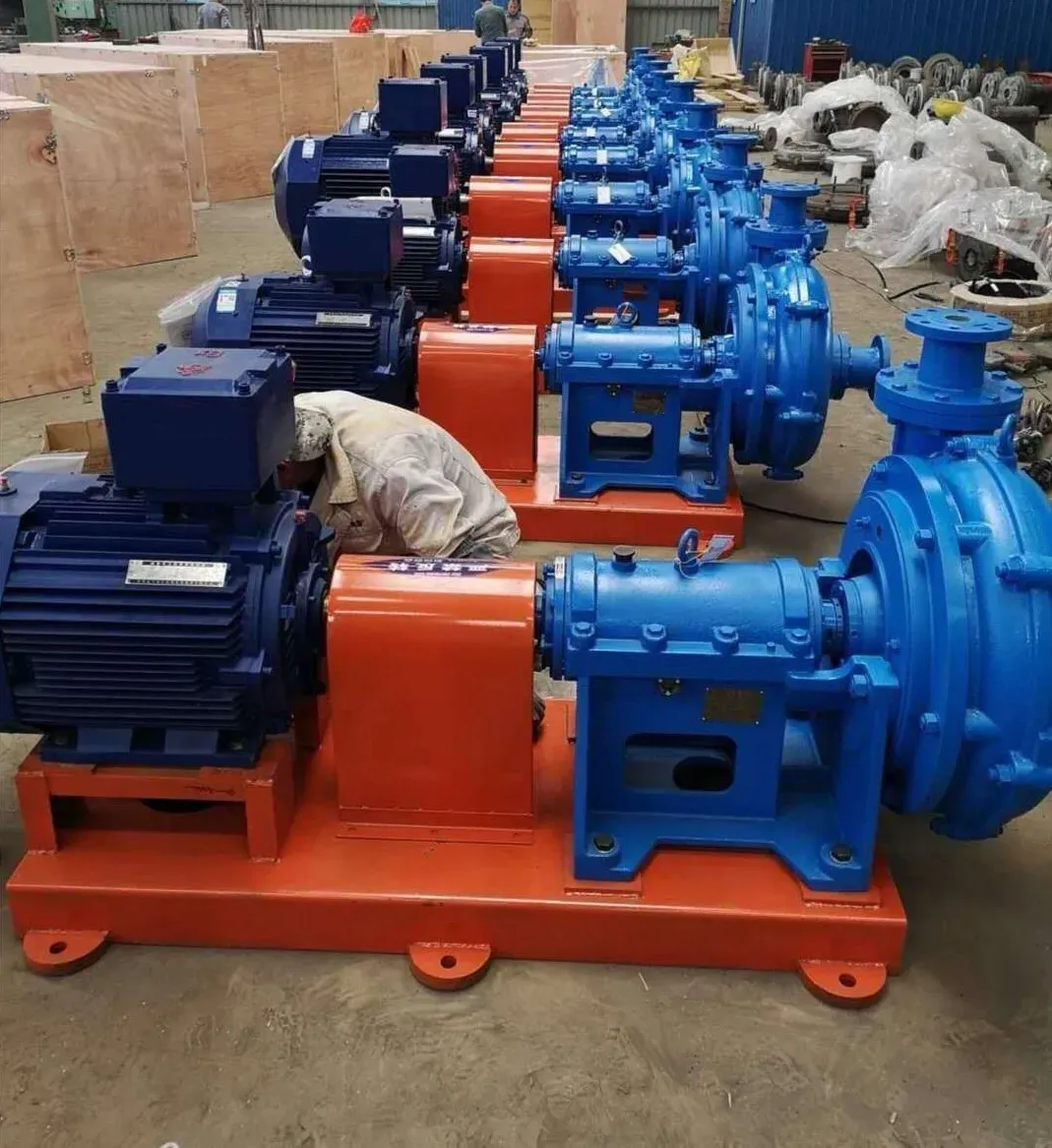
Introduction
Sewage ejector tanks, also known as lift stations, are critical components in wastewater management systems serving properties located below the municipal sewer line. These tanks function as submersible pumping stations, collecting wastewater and then utilizing a pump to transport it to the main sewer system. Their technical position within the wastewater infrastructure chain is as a bridge between on-site sanitation and public sewage networks. Core performance characteristics revolve around reliable fluid handling, efficient pumping capacity against head pressure, alarm functionality for operational awareness, and robust containment to prevent environmental contamination. The demand for efficient and reliable sewage ejector tanks is driven by increasing urbanization, expanding basement living spaces, and the limitations of gravity-fed sewer systems in challenging topographical conditions. A key pain point in the industry is ensuring long-term reliability in harsh, corrosive environments while minimizing maintenance requirements and lifecycle costs.
Material Science & Manufacturing
The construction of sewage ejector tanks commonly involves materials selected for their chemical resistance, structural integrity, and longevity. Polyethylene (HDPE) is a frequent choice for tank bodies due to its excellent resistance to a broad range of chemicals found in sewage, including sulfates, acids, and bases. HDPE possesses a density of approximately 0.95 g/cm³, a tensile strength ranging from 8 to 12 MPa, and a relatively low coefficient of friction, easing pump operation. Manufacturing utilizes rotational molding (rotomolding) which allows for seamless, one-piece tank construction eliminating weld seams, a common point of failure. Control parameters include mold temperature (60-80°C), rotation speed (40-60 RPM), and cooling rates to ensure uniform wall thickness and minimize residual stress. Pump components are typically constructed from cast iron (ASTM A48 Class 30) for impeller and volute housings, providing durability and wear resistance. Stainless steel (304 or 316) is used for shafting, fasteners, and critical sealing components to prevent corrosion. Manufacturing processes include sand casting for pump housings followed by machining to precise tolerances. Float switches, essential for automatic pump operation, often utilize encapsulated reed switches within a buoyant, chemically resistant polymer housing (e.g., polypropylene). Proper material selection and precise manufacturing control are paramount to prevent premature failure due to chemical attack, structural fatigue, or pump cavitation.
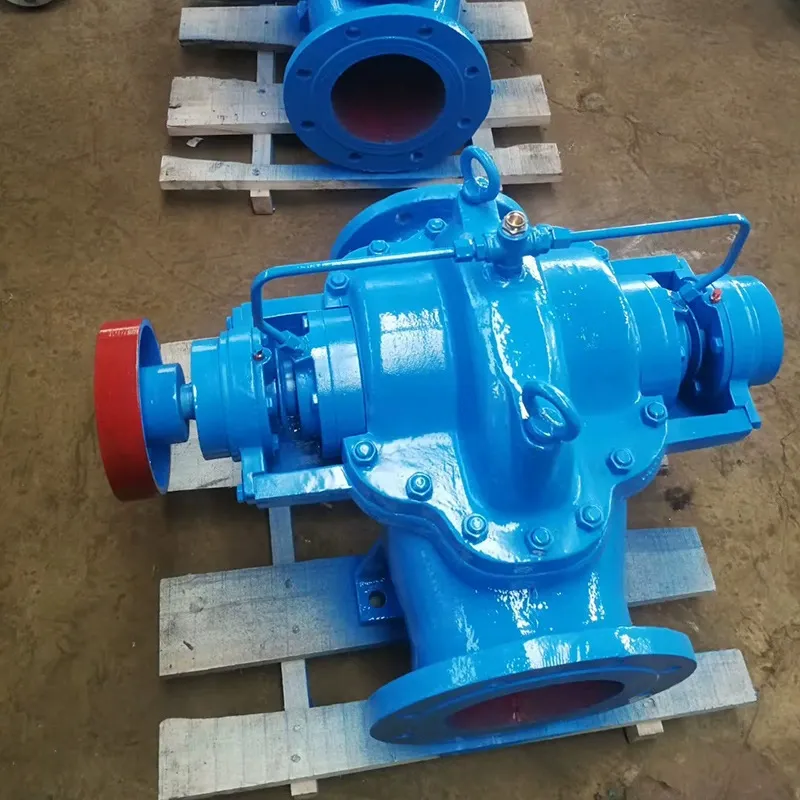
Performance & Engineering
The performance of a sewage ejector tank is fundamentally governed by hydraulic principles and pump characteristics. Key engineering considerations include static head (vertical distance to the sewer line), dynamic head (friction losses in piping), and flow rate. The pump must be sized to overcome the total dynamic head (TDH) while delivering the required flow rate to prevent solids buildup and maintain efficient operation. Force analysis involves calculating the hydrostatic pressure on the tank walls, the weight of the wastewater, and the mechanical stresses induced by pump operation. Environmental resistance is crucial, requiring tanks to withstand soil loads, groundwater pressure, and temperature fluctuations. Tanks must also comply with relevant safety standards for electrical components and watertight integrity. Compliance requirements typically include adherence to NSF/ANSI Standard 40 for plastic septic tanks and related components, ensuring environmental protection. The pump's impeller design (e.g., vortex, non-clog) directly impacts its ability to handle solids-laden wastewater without clogging. The electrical control system must include overload protection, phase loss detection, and alarm circuits to signal pump failures or high liquid level conditions. Proper ventilation is also critical to prevent the buildup of harmful gases (e.g., hydrogen sulfide).
Technical Specifications
| Tank Capacity (Gallons) | Pump Horsepower (HP) | Maximum Head (Feet) | Pump Flow Rate (GPM) |
|---|---|---|---|
| 50 | 1/3 | 20 | 30 |
| 75 | 1/2 | 25 | 45 |
| 100 | 3/4 | 30 | 60 |
| 150 | 1 | 35 | 80 |
| 200 | 1.5 | 40 | 100 |
| 300 | 2 | 45 | 150 |
Failure Mode & Maintenance
Sewage ejector tanks are susceptible to several failure modes. Corrosion of metallic components (pump casings, fasteners) is a common issue, particularly in aggressive sewage environments. Hydrogen sulfide (H2S) corrosion is especially prevalent, leading to pitting and weakening of metal surfaces. Fatigue cracking can occur in the tank body or pump components due to cyclic loading from pump operation and fluid pressure fluctuations. Delamination of HDPE tanks can result from improper manufacturing or exposure to UV radiation. Pump impeller wear and cavitation, caused by abrasive solids or air entrainment, can significantly reduce pump efficiency and lead to failure. Float switch malfunctions, due to fouling or mechanical wear, can cause pump over-run or failure to activate. Maintenance solutions include regular inspection for corrosion, cleaning of the tank to remove solids buildup, lubrication of pump bearings, and replacement of worn or damaged components. Applying corrosion inhibitors to metallic surfaces can extend their service life. Implementing a preventative maintenance schedule, including periodic pump testing and float switch calibration, is critical for long-term reliability. For HDPE tanks, UV protection measures (e.g., coating, burial) are recommended. Careful pump selection to match the solids loading of the sewage is also crucial.
Industry FAQ
Q: What is the optimal material for a sewage ejector tank in highly corrosive soil conditions?
A: In highly corrosive soil conditions, a fully encased HDPE tank is the optimal choice. HDPE’s inherent chemical resistance surpasses that of steel or concrete, mitigating the risk of corrosion from soil sulfates, chlorides, and other corrosive agents. Furthermore, HDPE tanks do not require sacrificial coatings or cathodic protection, reducing long-term maintenance costs. If metallic components (e.g., pump inlets) are unavoidable, using 316 stainless steel is recommended over 304 for enhanced corrosion resistance.
Q: How often should the pump in a sewage ejector tank be inspected?
A: The pump should be inspected at least annually, and preferably semi-annually, as part of a preventative maintenance program. Inspections should include checking for impeller wear, bearing lubrication, seal integrity, and electrical connections. Monitoring pump amperage draw can indicate potential issues such as impeller blockage or motor degradation. Regular inspections allow for early detection of potential failures, minimizing costly downtime and repairs.
Q: What are the implications of undersizing the pump for the application?
A: Undersizing the pump leads to several negative consequences. It will cause the pump to cycle on and off frequently, resulting in increased energy consumption and premature wear and tear. Insufficient pumping capacity can lead to solids buildup in the tank, increasing the risk of clogging and requiring more frequent cleaning. Furthermore, undersizing can compromise the system's ability to handle peak flow events, potentially leading to backups and overflows.
Q: How can I prevent hydrogen sulfide (H2S) corrosion in a sewage ejector tank system?
A: Preventing H2S corrosion involves several strategies. Maintaining adequate ventilation to remove H2S gas is crucial. Using corrosion-resistant materials, such as 316 stainless steel for critical components, minimizes the attack. Chemical treatment with corrosion inhibitors can be employed, but requires careful monitoring to ensure effectiveness and environmental compliance. Minimizing the detention time of wastewater in the tank also reduces H2S generation.
Q: What are the key considerations when selecting a float switch for a sewage ejector tank?
A: Key considerations include the float switch’s chemical resistance, reliability, and sensitivity. The float material must be compatible with the sewage environment to prevent degradation. A robust and sealed design is essential to ensure long-term operation in a corrosive atmosphere. The switch’s sensitivity should be adjustable to accommodate variations in liquid level and solids content. Redundant float switches are recommended for critical applications to provide backup in case of failure.
Conclusion
Sewage ejector tanks are essential infrastructure components for wastewater management, requiring a deep understanding of material science, hydraulic engineering, and corrosion prevention. The selection of appropriate materials, meticulous manufacturing processes, and proactive maintenance protocols are critical to ensuring long-term reliability and minimizing operational costs. Failure to address these factors can lead to premature failures, environmental contamination, and significant economic consequences.
The industry is continually evolving, with a growing emphasis on energy efficiency, remote monitoring capabilities, and sustainable materials. Future development will likely focus on integrating smart sensors and data analytics to optimize pump performance, predict maintenance needs, and enhance overall system resilience. Adopting these advancements will be crucial for meeting the increasing demands of modern wastewater management systems and protecting public health and the environment.
-
sewer pump for basement Material Science Manufacturing
News2026-05-29
-
sewage sump pumps Performance and Engineering
News2026-05-29
-
sewage pumps for septic tanks Material Science and Manufacturing
News2026-05-29
-
Sewage Pumping Companies Performance Analysis
News2026-05-29
-
Sewage Pump Manufacturers Performance Engineering
News2026-05-29
-
sewage pump for basement Performance and Engineering
News2026-05-28
-
Sewage Pump Companies Performance Analysis
News2026-05-28
-
Sewage Pit and Pump Performance Analysis
News2026-05-28
-
Sewage Lift Pumps Material Science
News2026-05-28
-
Sewage Ejector Tank Material Science and Manufacturing
News2026-05-28
-
sewage effluent pumps Material Science Manufacturing
News2026-05-27
-
septic tank effluent pump Performance Analysis
News2026-05-27
-
Septic Sewer Pump Performance Analysis
News2026-05-27
-
septic sewage pumps Performance Analysis
News2026-05-27
-
septic sewage pump Material Science and Manufacturing
News2026-05-27




