English
- Afrikaans
- Albanian
- Amharic
- Arabic
- Armenian
- Azerbaijani
- Basque
- Belarusian
- Bengali
- Bosnian
- Bulgarian
- Catalan
- Cebuano
- Corsican
- Croatian
- Czech
- Danish
- Dutch
- English
- Esperanto
- Estonian
- Finnish
- French
- Frisian
- Galician
- Georgian
- German
- Greek
- Gujarati
- Haitian Creole
- hausa
- hawaiian
- Hebrew
- Hindi
- Miao
- Hungarian
- Icelandic
- igbo
- Indonesian
- irish
- Italian
- Japanese
- Javanese
- Kannada
- kazakh
- Khmer
- Rwandese
- Korean
- Kurdish
- Kyrgyz
- Lao
- Latin
- Latvian
- Lithuanian
- Luxembourgish
- Macedonian
- Malgashi
- Malay
- Malayalam
- Maltese
- Maori
- Marathi
- Mongolian
- Myanmar
- Nepali
- Norwegian
- Norwegian
- Occitan
- Pashto
- Persian
- Polish
- Portuguese
- Punjabi
- Romanian
- Russian
- Samoan
- Scottish Gaelic
- Serbian
- Sesotho
- Shona
- Sindhi
- Sinhala
- Slovak
- Slovenian
- Somali
- Spanish
- Sundanese
- Swahili
- Swedish
- Tagalog
- Tajik
- Tamil
- Tatar
- Telugu
- Thai
- Turkish
- Turkmen
- Ukrainian
- Urdu
- Uighur
- Uzbek
- Vietnamese
- Welsh
- Bantu
- Yiddish
- Yoruba
- Zulu

Telephone: +86 13120555503
Email: frank@cypump.com


Apr . 01, 2024 17:55 Back to list
Sewage Ejector Systems Performance Analysis
Introduction
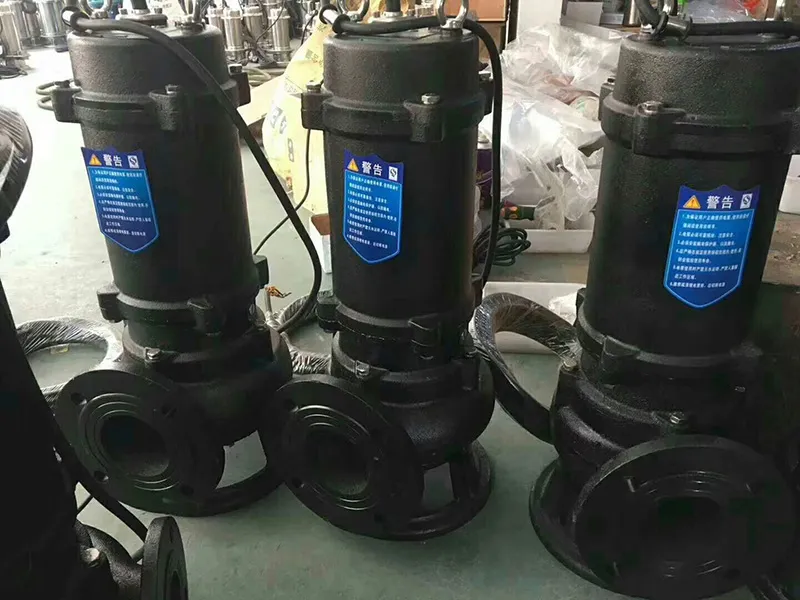
Sewage ejector systems are engineered solutions for the relocation of wastewater from areas below the municipal sewer line. These systems, critical components of residential and commercial plumbing infrastructure, prevent sewage backup and ensure proper sanitation. Functionally, a sewage ejector system utilizes a holding tank, a pump, and a discharge pipe to transfer wastewater to the main sewer line or a septic system. Their technical position within the wastewater management chain is as a critical intermediary between the building’s plumbing and the broader municipal or private treatment infrastructure. Core performance characteristics include pumping capacity (gallons per minute), head pressure (vertical lift), solids handling capability, and alarm system reliability. A key industry pain point revolves around pump failure due to solids accumulation and corrosion, necessitating robust design and preventative maintenance strategies.
Material Science & Manufacturing
The construction of sewage ejector systems relies on several key materials, each selected for specific properties. Holding tanks are commonly fabricated from high-density polyethylene (HDPE), polypropylene (PP), or concrete. HDPE and PP offer excellent chemical resistance to the corrosive elements found in sewage, as well as good impact strength and ease of molding. Concrete tanks, while durable, require specialized coatings to prevent leaching and corrosion from sulfuric acid produced by anaerobic bacteria. Pump components, exposed to constant abrasion and chemical attack, are typically constructed from cast iron (ASTM A48 Class 30), stainless steel (304 or 316 grades – ASTM A240), and engineered polymers like Viton® for seals and impellers. Manufacturing processes vary depending on the component. HDPE/PP tanks are produced via rotational molding, allowing for seamless, one-piece construction. Cast iron pump housings are manufactured through sand casting followed by machining and surface treatment (epoxy coating). Stainless steel components undergo precision casting, machining, and passivation to enhance corrosion resistance. Critical parameter control during manufacturing includes wall thickness consistency in plastic tanks, dimensional accuracy of cast iron housings, and proper heat treatment of stainless steel to achieve optimal mechanical properties. The selection of elastomers for seals is vital, requiring resistance to hydrogen sulfide and other aggressive compounds.
Performance & Engineering
Performance of sewage ejector systems is governed by hydraulic principles and mechanical engineering considerations. Force analysis focuses on the pump’s ability to overcome static head (vertical distance to the discharge point) and dynamic head (friction losses in the piping system). The pump’s impeller design, rotational speed, and motor power directly influence pumping capacity and head pressure. Environmental resistance is paramount, requiring the system to withstand temperature fluctuations, humidity, and exposure to corrosive gases. Compliance requirements, dictated by local and national plumbing codes (IPC, UPC), specify minimum tank capacity, pump performance standards, and alarm system functionality. The NEMA 3D enclosure standard protects electrical components from moisture and dust. Functional implementation includes a float switch system to automatically activate the pump when the liquid level reaches a predetermined threshold and deactivate it when the tank is empty. Redundancy is often incorporated through duplex pump systems, providing backup in case of primary pump failure. Proper vent piping is crucial to prevent pressure imbalances and ensure efficient operation. The selection of check valves is critical to prevent backflow and maintain prime. Corrosion mitigation strategies, such as sacrificial anodes in concrete tanks and epoxy coatings on metal components, extend the system’s service life.
Technical Specifications
| Tank Capacity (Gallons) | Pump Horsepower (HP) | Maximum Head (Feet) | Solids Handling (Inches) |
|---|---|---|---|
| 40 | 1/3 | 25 | 2 |
| 60 | 1/2 | 35 | 2.5 |
| 80 | 3/4 | 45 | 3 |
| 100 | 1 | 50 | 3.5 |
| 120 | 1.5 | 60 | 4 |
| 150 | 2 | 70 | 4.5 |
Failure Mode & Maintenance
Sewage ejector systems are susceptible to several failure modes. Fatigue cracking in cast iron pump housings can occur due to cyclical stress and corrosion. Delamination of epoxy coatings exposes metal surfaces to corrosive attack. Degradation of rubber components (seals, impellers) results in leaks and reduced pumping efficiency. Oxidation of stainless steel components can occur in environments with insufficient oxygen. Pump impeller clogging is a common issue, particularly with systems processing significant solids. Float switch failure can lead to continuous pump operation or pump failure to activate. Electrical failures, including motor burnout and wiring corrosion, can disrupt system functionality. Preventative maintenance is crucial to mitigate these risks. Regular inspection of all components for signs of wear, corrosion, or damage is essential. Periodic cleaning of the holding tank removes accumulated solids and prevents clogging. Lubrication of pump bearings reduces friction and extends pump life. Testing of float switches and alarm systems ensures proper functionality. Monitoring pump run times can identify potential issues. Replacement of worn components, such as seals and impellers, should be performed proactively. Routine inspection and cleaning of vent pipes are also necessary to maintain optimal performance.
Industry FAQ
Q: What is the expected lifespan of a typical sewage ejector pump?
A: The expected lifespan of a sewage ejector pump is typically between 7 and 10 years, but this can vary significantly based on usage frequency, the type of solids handled, and the quality of maintenance performed. Pumps operating in consistently corrosive environments or with frequent solids buildup will likely have a shorter lifespan.
Q: How do I determine the appropriate tank size for my application?
A: Tank size is determined by several factors including the frequency of sewage flow, the volume of wastewater generated between pump cycles, and the pump's recovery rate. A general rule of thumb is to select a tank with a capacity of at least 2.5 times the pump's recovery rate. Local plumbing codes often specify minimum tank size requirements.
Q: What are the common causes of alarm activation in a sewage ejector system?
A: Common causes of alarm activation include high water levels due to pump failure, float switch malfunction, power outages, or clogged discharge pipes. It’s crucial to investigate the cause of the alarm promptly to prevent sewage backup.
Q: What type of pump is best suited for handling sewage with high solids content?
A: Submersible centrifugal pumps with vortex impellers are generally best suited for handling sewage with high solids content. Vortex impellers are designed to pass solids without clogging, making them ideal for these applications. Grinder pumps can also be used, but they require more frequent maintenance due to their tendency to clog.
Q: What are the benefits of installing a duplex pump system?
A: A duplex pump system provides redundancy, ensuring continuous operation in case of primary pump failure. It also allows for alternating pump operation, extending the lifespan of both pumps by reducing individual run times and distributing wear. Duplex systems are particularly beneficial for critical applications where sewage backup is unacceptable.
Conclusion
Sewage ejector systems represent a critical component of modern plumbing infrastructure, enabling the effective management of wastewater in challenging topographical conditions. The selection, installation, and maintenance of these systems require a thorough understanding of material science, hydraulic principles, and relevant industry standards. Addressing common failure modes through preventative maintenance and utilizing robust materials are essential for maximizing system longevity and minimizing operational disruptions.
Future advancements in sewage ejector technology are likely to focus on improved pump efficiency, intelligent control systems, and remote monitoring capabilities. The integration of IoT sensors will allow for real-time performance monitoring, predictive maintenance, and automated alarm notifications, further enhancing system reliability and reducing lifecycle costs. Continued development of corrosion-resistant materials will also play a key role in extending the service life of these vital systems.
-
Sewage Pump Company Performance and Engineering
News2026-05-24
-
sewage pump 1/2 hp Performance Analysis
News2026-05-24
-
Sewage Ejector Systems Performance Analysis
News2026-05-24
-
Sewage Ejection System Material Science and Manufacturing
News2026-05-24
-
sewage and effluent pumps Performance Engineering
News2026-05-24
-
pump for sewage water Performance Analysis
News2026-05-23
-
plumbing sewage ejector pump Performance Engineering
News2026-05-23
-
home sewer pump station Performance and Engineering
News2026-05-23
-
high pressure sump pump Performance Analysis
News2026-05-23
-
high head effluent pump Performance Analysis
News2026-05-23
-
Effluent vs Sump Pump Performance Analysis
News2026-05-22
-
effluent septic pump Performance Engineering
News2026-05-22
-
best sewer pumps Performance Engineering
News2026-05-22
-
best sewer pump Performance Analysis
News2026-05-22
-
best sewage pumps Performance Engineering
News2026-05-22




