English
- Afrikaans
- Albanian
- Amharic
- Arabic
- Armenian
- Azerbaijani
- Basque
- Belarusian
- Bengali
- Bosnian
- Bulgarian
- Catalan
- Cebuano
- Corsican
- Croatian
- Czech
- Danish
- Dutch
- English
- Esperanto
- Estonian
- Finnish
- French
- Frisian
- Galician
- Georgian
- German
- Greek
- Gujarati
- Haitian Creole
- hausa
- hawaiian
- Hebrew
- Hindi
- Miao
- Hungarian
- Icelandic
- igbo
- Indonesian
- irish
- Italian
- Japanese
- Javanese
- Kannada
- kazakh
- Khmer
- Rwandese
- Korean
- Kurdish
- Kyrgyz
- Lao
- Latin
- Latvian
- Lithuanian
- Luxembourgish
- Macedonian
- Malgashi
- Malay
- Malayalam
- Maltese
- Maori
- Marathi
- Mongolian
- Myanmar
- Nepali
- Norwegian
- Norwegian
- Occitan
- Pashto
- Persian
- Polish
- Portuguese
- Punjabi
- Romanian
- Russian
- Samoan
- Scottish Gaelic
- Serbian
- Sesotho
- Shona
- Sindhi
- Sinhala
- Slovak
- Slovenian
- Somali
- Spanish
- Sundanese
- Swahili
- Swedish
- Tagalog
- Tajik
- Tamil
- Tatar
- Telugu
- Thai
- Turkish
- Turkmen
- Ukrainian
- Urdu
- Uighur
- Uzbek
- Vietnamese
- Welsh
- Bantu
- Yiddish
- Yoruba
- Zulu

Telephone: +86 13120555503
Email: frank@cypump.com


Apr . 01, 2024 17:55 Back to list
Sewage Ejector System Performance Analysis
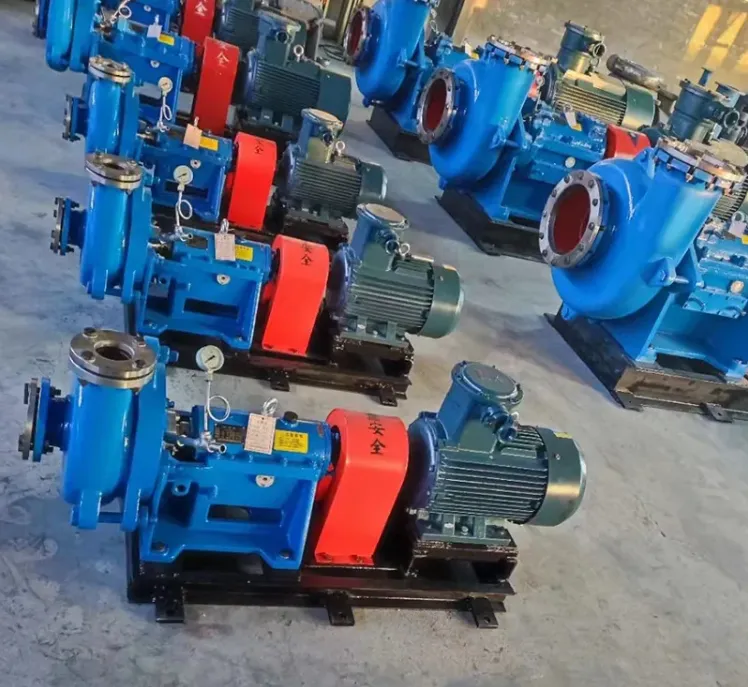
Introduction
Sewage ejector systems are critical components in wastewater management, specifically designed to relocate sewage from areas below the municipal sewer line to the main sewage system. These systems rely on a holding tank, a pump, and a discharge pipe to overcome gravitational limitations. They are essential in basements, low-lying properties, and areas where natural drainage is insufficient. The technical position of sewage ejector systems lies within the broader realm of fluid transfer technology, integrating principles of pump mechanics, basin hydraulics, and control systems. Core performance parameters include pumping capacity (gallons per minute or liters per minute), head pressure (vertical lift the pump can achieve), solids handling capability (size and type of solids the pump can process without clogging), and alarm system reliability. Addressing common industry pain points, such as frequent pump failures due to solids buildup, inefficient energy consumption, and inadequate alarm functionalities, is paramount in the design and application of these systems.
Material Science & Manufacturing
The construction of sewage ejector systems involves a range of materials selected for durability, corrosion resistance, and compatibility with wastewater. Holding tanks are commonly manufactured from polyethylene, polypropylene, or concrete. Polyethylene and polypropylene offer excellent chemical resistance and are lightweight, facilitating installation. Concrete tanks provide structural integrity for larger capacities and in-ground installations but require proper sealing to prevent leaching. Pumps typically utilize cast iron, stainless steel (304 or 316 grade), or engineered plastics for impellers and housings. Stainless steel is preferred for its superior corrosion resistance, particularly in aggressive environments. Check valves, crucial for preventing backflow, employ materials like nitrile rubber, EPDM, or PVC. Manufacturing processes include rotational molding for plastic tanks, concrete casting for concrete tanks, and investment casting or sand casting for metallic pump components. Weld integrity in metallic components is verified through non-destructive testing, such as radiographic inspection and ultrasonic testing. Key parameter control during manufacturing focuses on dimensional accuracy of pump components to ensure optimal hydraulic efficiency, uniform wall thickness in tanks to prevent structural failure, and precise material composition to achieve desired mechanical properties. The specific gravity and pH of wastewater must be considered during material selection to prevent premature degradation or corrosion.
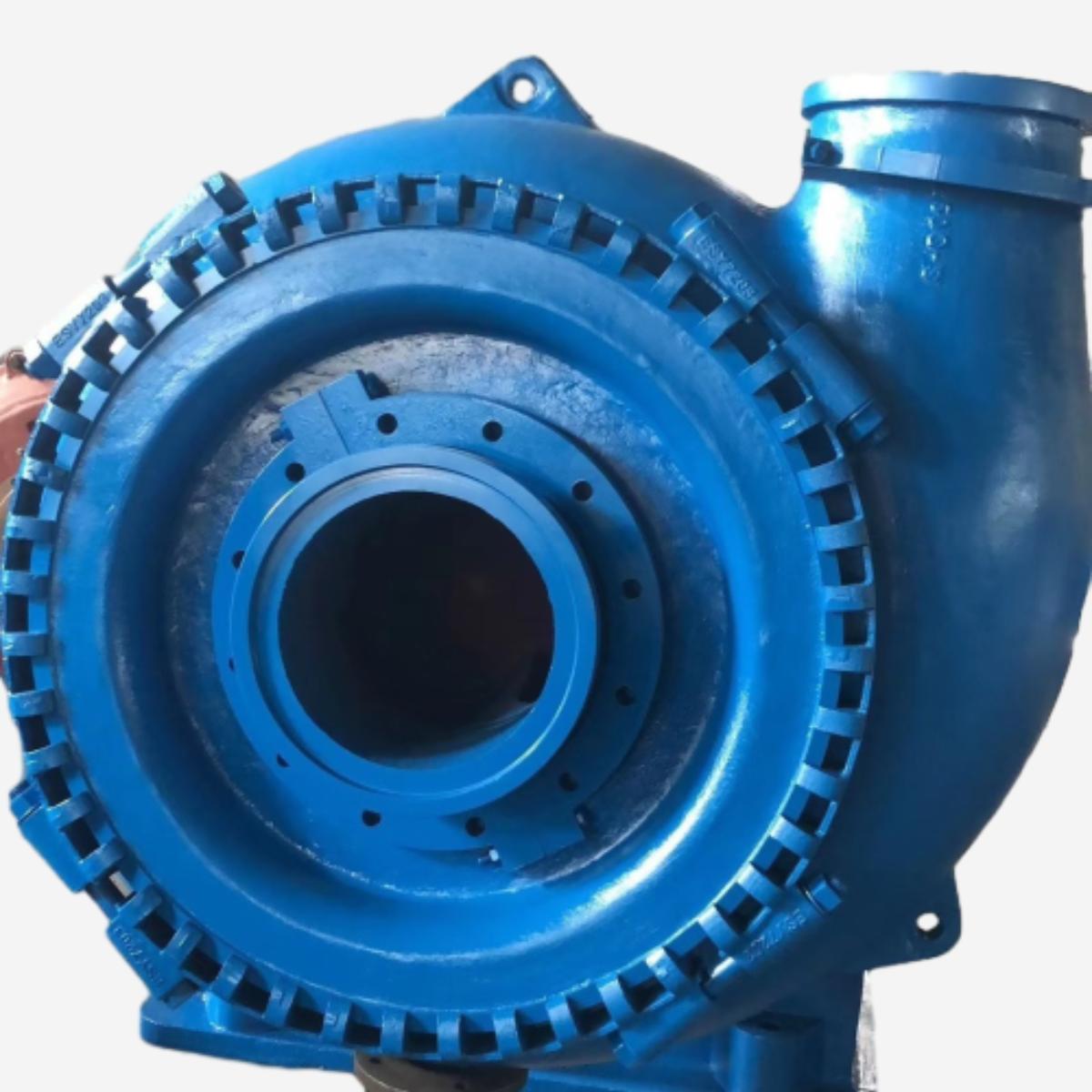
Performance & Engineering
Performance analysis of sewage ejector systems centers around hydraulic head calculations, pump affinity laws, and system curve analysis. Hydraulic head, the total dynamic head (TDH) the pump must overcome, incorporates static lift (vertical distance from the ejector to the discharge point), friction losses in the piping system, and velocity head. Pump affinity laws dictate the relationship between pump speed, flow rate, and head. System curve analysis, plotting TDH against flow rate for the entire piping system, determines the optimal operating point of the pump. Environmental resistance is a key engineering consideration. Systems must withstand temperature fluctuations, potential freezing conditions (requiring freeze protection measures), and exposure to corrosive gases (hydrogen sulfide, methane). Compliance requirements, governed by local plumbing codes and environmental regulations, dictate discharge limits for pollutants and necessitate features like alarms for high liquid levels or pump failures. Force analysis focuses on the structural integrity of the tank under full load and the mechanical stresses on the pump components during operation. Finite element analysis (FEA) is often employed to optimize tank design and minimize stress concentrations. Proper venting is crucial to prevent pressure buildup and ensure safe operation, particularly during pump start-up and shut-down. The selection of appropriate pump curves matching anticipated flow and head requirements prevents cavitation and prolongs pump life.
Technical Specifications
| Tank Capacity (Gallons) | Pump Horsepower (HP) | Maximum Head (Feet) | Solids Handling Capability (Inches) |
|---|---|---|---|
| 50 | 1/3 | 25 | 2 |
| 100 | 1/2 | 35 | 3 |
| 200 | 3/4 | 45 | 3 |
| 300 | 1 | 50 | 4 |
| 400 | 1.5 | 60 | 4 |
| 500 | 2 | 70 | 4 |
Failure Mode & Maintenance
Sewage ejector systems are susceptible to several failure modes. Pump failures are common, stemming from impeller wear, bearing failure, or motor burnout. Impeller wear is often accelerated by abrasive solids in the wastewater. Bearing failure results from lubrication issues or excessive load. Motor burnout occurs due to overheating or electrical faults. Clogging is a frequent problem, caused by the accumulation of solids (rags, plastics, debris) in the pump intake or discharge pipe. This can lead to pump overload and eventual failure. Corrosion, particularly in metallic components, can weaken structural integrity over time. Delamination of tank linings (in concrete tanks) can lead to leakage and contamination. Oxidation of electrical connections can cause intermittent operation or complete failure. Maintenance involves regular inspection of pump components, lubrication of bearings, cleaning of the tank and discharge pipe to remove accumulated solids, and testing of alarm systems. Preventive maintenance schedules should include annual pump inspections, check valve replacements (every 3-5 years), and tank cleaning (every 2-3 years). Failure analysis, including visual inspection, dimensional measurements, and material testing, is crucial for identifying the root cause of failures and implementing corrective actions. Regular monitoring of pump performance parameters (current draw, vibration levels) can provide early warning of potential problems.
Industry FAQ
Q: What is the proper sizing criteria for a sewage ejector system?
A: Proper sizing requires a careful assessment of peak flow rates, static lift, and horizontal pipe length. Peak flow rates are determined by the number of fixtures served and their anticipated usage. Static lift is the vertical distance from the ejector tank to the discharge point. Horizontal pipe length contributes to friction losses, which must be factored into the hydraulic head calculation. Oversizing the pump can lead to inefficient operation and increased energy consumption, while undersizing will result in inadequate performance and potential backups.
Q: What type of alarm system is recommended for a sewage ejector system?
A: A comprehensive alarm system should include high-level alarms (indicating the tank is nearing capacity), pump failure alarms (indicating the pump is not operating), and potentially a loss-of-power alarm. Alarms should be audible and visual, and preferably connected to a building management system (BMS) or remote monitoring service for prompt notification of issues.
Q: What is the best material for the pump impeller in a corrosive environment?
A: In corrosive environments, stainless steel (316 grade) is generally the preferred material for the pump impeller due to its superior resistance to chemical attack. However, specialized polymers, such as polypropylene or PVDF, can also be considered depending on the specific composition of the wastewater.
Q: How often should the check valve be inspected and replaced?
A: The check valve should be inspected annually for signs of wear or debris buildup. Replacement is typically recommended every 3-5 years, depending on the operating conditions and the quality of the wastewater. A malfunctioning check valve can lead to backflow and pump damage.
Q: What are the key considerations for preventing clogging in a sewage ejector system?
A: Preventing clogging involves several strategies. Installing a strainer or screen at the pump intake can capture large solids. Regular tank cleaning to remove accumulated sediment is essential. Educating users about proper disposal practices (avoiding flushing inappropriate items down the drain) can minimize the introduction of clogging materials. Consider using a grinder pump if the wastewater contains a significant amount of solids.
Conclusion
Sewage ejector systems represent a vital infrastructure component for managing wastewater in challenging topographical scenarios. Their effective operation relies on a sophisticated interplay of material science, hydraulic engineering, and diligent maintenance practices. The selection of appropriate materials, coupled with precise manufacturing control, is paramount to ensure longevity and resistance to the corrosive nature of wastewater. Furthermore, proactive maintenance, encompassing regular inspections, cleaning, and component replacements, is crucial for mitigating common failure modes such as pump burnout and clogging.
Looking forward, advancements in sensor technology and remote monitoring systems promise to enhance the efficiency and reliability of sewage ejector systems. Integrating smart controls with predictive maintenance algorithms will allow for proactive intervention, minimizing downtime and reducing operational costs. Continued research into corrosion-resistant materials and innovative pump designs will further improve the performance and sustainability of these critical wastewater management solutions.
-
Comprehensive Guide to Waterproof ORings for Optimal Sealing Solutions
News2026-06-09
-
heavy duty submersible pump Performance Analysis
News2026-06-25
-
best submersible pump for septic tank Performance Analysis
News2026-06-25
-
basement sewer ejector pump Performance Analysis
News2026-06-25
-
basement pumps ejector pumps Performance Analysis
News2026-06-25
-
basement lift pump Performance and Engineering
News2026-06-25
-
basement bathroom pump systems Performance Analysis
News2026-06-24
-
basement bathroom ejector pump system Performance Engineering
News2026-06-24
-
2 hp sewage pump Performance Engineering
News2026-06-24
-
1 hp septic pump Performance Engineering
News2026-06-24
-
submersible effluent pump Performance Analysis
News2026-06-24
-
submergable pump Material Science
News2026-06-23
-
sewer injection pump Performance Engineering
News2026-06-23
-
Sewer Ejector Pump System Performance Analysis
News2026-06-23
-
septic tank pump for sale Performance Engineering
News2026-06-23




