English
- Afrikaans
- Albanian
- Amharic
- Arabic
- Armenian
- Azerbaijani
- Basque
- Belarusian
- Bengali
- Bosnian
- Bulgarian
- Catalan
- Cebuano
- Corsican
- Croatian
- Czech
- Danish
- Dutch
- English
- Esperanto
- Estonian
- Finnish
- French
- Frisian
- Galician
- Georgian
- German
- Greek
- Gujarati
- Haitian Creole
- hausa
- hawaiian
- Hebrew
- Hindi
- Miao
- Hungarian
- Icelandic
- igbo
- Indonesian
- irish
- Italian
- Japanese
- Javanese
- Kannada
- kazakh
- Khmer
- Rwandese
- Korean
- Kurdish
- Kyrgyz
- Lao
- Latin
- Latvian
- Lithuanian
- Luxembourgish
- Macedonian
- Malgashi
- Malay
- Malayalam
- Maltese
- Maori
- Marathi
- Mongolian
- Myanmar
- Nepali
- Norwegian
- Norwegian
- Occitan
- Pashto
- Persian
- Polish
- Portuguese
- Punjabi
- Romanian
- Russian
- Samoan
- Scottish Gaelic
- Serbian
- Sesotho
- Shona
- Sindhi
- Sinhala
- Slovak
- Slovenian
- Somali
- Spanish
- Sundanese
- Swahili
- Swedish
- Tagalog
- Tajik
- Tamil
- Tatar
- Telugu
- Thai
- Turkish
- Turkmen
- Ukrainian
- Urdu
- Uighur
- Uzbek
- Vietnamese
- Welsh
- Bantu
- Yiddish
- Yoruba
- Zulu

Telephone: +86 13120555503
Email: frank@cypump.com


Apr . 01, 2024 17:55 Back to list
Sewage Ejector Pumps Material Science
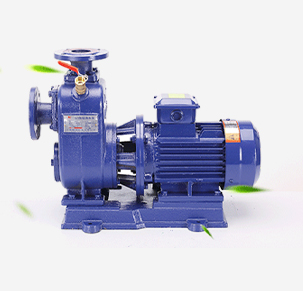
Introduction
Sewage ejector pumps are specialized submersible pumps designed to relocate wastewater from areas below the municipal sewer line, or from locations where gravity drainage is insufficient. Positioned within a basin, typically constructed of polyethylene or concrete, these pumps facilitate the transfer of raw sewage, including solids, to the main sewer system. Their critical function addresses the inherent limitations of gravity-based wastewater disposal, particularly in basements, low-lying areas, and remote installations. Core performance metrics revolve around flow rate (gallons per minute - GPM), total dynamic head (TDH – feet), impeller type (vortex, cutter, non-clog), motor horsepower (HP), and solids handling capability (inch diameter). The primary industry pain point centers on pump failures due to solids build-up, corrosion from aggressive waste streams, and the cost of unscheduled maintenance and downtime impacting operational continuity and potentially leading to environmental concerns.
Material Science & Manufacturing
The construction of sewage ejector pumps necessitates materials resistant to corrosive substances and capable of enduring continuous immersion. Pump housings are frequently manufactured from cast iron (ASTM A48 Class 30) due to its durability and cost-effectiveness. However, for highly corrosive environments – specifically those containing high sulfide concentrations – stainless steel (316 stainless steel conforming to ASTM A743 Grade CA) is preferred, offering superior resistance to pitting and crevice corrosion. Impellers are commonly constructed from high-chromium cast iron or stainless steel, chosen based on the abrasive nature of the wastewater being handled. Shafts utilize 4140 alloy steel, heat-treated for enhanced strength and resistance to torsional stress. Seals are critical components; Viton (fluoroelastomer) is often employed for its chemical resistance and temperature stability. Manufacturing processes involve sand casting for the housing, precision machining for the impeller and shaft, and automated winding for the electric motor. Key parameter control during manufacturing includes dimensional accuracy of impeller vanes to maximize hydraulic efficiency, balancing of rotating components to minimize vibration and bearing wear, and rigorous quality control of welding procedures (AWS D1.1) for structural integrity. The electric motor itself utilizes Class H insulation (IEC 60034-18-41) to withstand the humid and potentially corrosive environment.
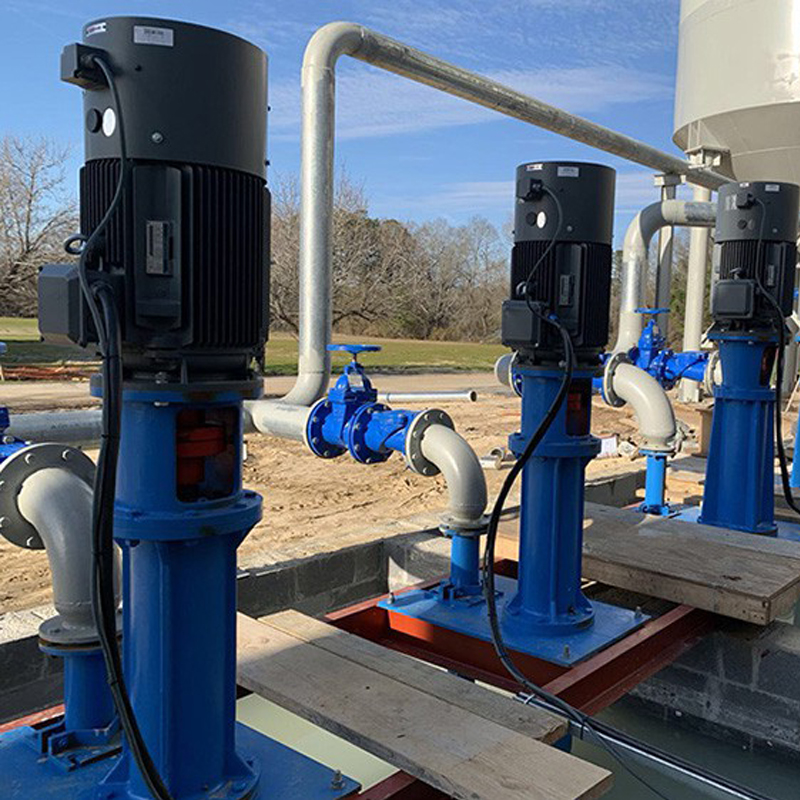
Performance & Engineering
Performance engineering for sewage ejector pumps revolves around hydraulic design and motor selection to optimize flow rate and head. Force analysis considers hydrostatic pressure, dynamic pressure from fluid flow, and mechanical stresses on the impeller and shaft. Environmental resistance is paramount; pumps must operate reliably in a continuously submerged environment, often exposed to varying temperatures and chemical compositions. Compliance requirements dictate adherence to National Electrical Manufacturers Association (NEMA) standards for motor performance and safety (NEMA MG 1), and Environmental Protection Agency (EPA) guidelines for effluent discharge. Functional implementation involves consideration of pump curve characteristics – relating flow rate to head – to match the pump to the specific system requirements. Vortex impellers are favoured for solids handling, while cutter impellers are utilized for macerating solids. The pump’s lifting capacity (TDH) is a critical factor, calculated considering friction losses in the discharge pipe, elevation difference between the pump and discharge point, and velocity head. Bearing design utilizes sealed, lubricated-for-life bearings to minimize maintenance and prevent ingress of contaminants. Pump basin design also impacts performance, requiring adequate volume to prevent frequent cycling and allowing for solids settling.
Technical Specifications
| Parameter | Unit | Typical Range (Residential) | Typical Range (Commercial) |
|---|---|---|---|
| Flow Rate | GPM (Gallons Per Minute) | 25-75 | 100-500 |
| Total Dynamic Head (TDH) | Feet | 10-30 | 30-100 |
| Motor Horsepower | HP | 1/2 - 1 | 1-5 |
| Solids Handling Capability | Inches | Up to 2 | Up to 4 |
| Discharge Pipe Size | Inches | 1.25 – 2 | 2 – 4 |
| Power Supply | Volts | 120/240V Single Phase | 208-230/460V Three Phase |
Failure Mode & Maintenance
Sewage ejector pumps are susceptible to several failure modes. Fatigue cracking in the impeller, particularly at the base of the vanes, can occur due to cyclical stress and the abrasive nature of the pumped fluid. Delamination of the pump housing coating (if applicable) leads to corrosion. Bearing failure is common due to lack of lubrication, contamination, or excessive load. Seal failure results in leakage and potential motor damage. Clogging, caused by fibrous materials or large solids, is a frequent issue, leading to motor overload and eventual burnout. Oxidation of electrical components due to humidity can also occur. Preventative maintenance includes regular inspection of seals and bearings, periodic cleaning of the pump basin to remove accumulated solids, and monitoring motor current to detect potential overloads. Flushing the pump periodically can dislodge minor obstructions. Scheduled replacement of seals and bearings based on operating hours is recommended. For major failures, professional repair involving impeller replacement or motor rewind is typically required. Analysis of failure components (using metallurgical examination or visual inspection) can identify root causes and inform future preventative measures.
Industry FAQ
Q: What is the primary difference between a vortex and a cutter impeller in a sewage ejector pump, and when should each be utilized?
A: Vortex impellers utilize a recessed design to draw sewage in, creating a swirling action that allows solids to pass through without being macerated. They are ideal for applications with high solids content and stringy materials, minimizing clogging. Cutter impellers, conversely, feature sharpened blades that shred solids before pumping. These are best suited for applications where solids reduction is desired, but require more robust solids handling capabilities and are more prone to clogging if not properly maintained.
Q: How does the material of construction (cast iron vs. stainless steel) affect the lifespan of a sewage ejector pump in a specific application?
A: Cast iron housings offer excellent durability and are cost-effective for typical residential sewage applications. However, in environments with high levels of hydrogen sulfide (H2S) or other corrosive agents, cast iron is prone to corrosion and will have a shorter lifespan. Stainless steel (316SS) provides superior corrosion resistance, significantly extending the pump's service life in these aggressive environments, albeit at a higher initial cost.
Q: What are the key considerations when sizing a sewage ejector pump for a specific installation?
A: Accurate sizing requires calculating the total dynamic head (TDH), which includes static lift, friction losses in the discharge piping, and velocity head. The required flow rate must also be determined based on the anticipated wastewater volume. Pump curves should be consulted to ensure the selected pump operates within its optimal efficiency range for the calculated TDH and flow rate. Oversizing can lead to inefficient operation and increased energy consumption.
Q: What types of safety features should be incorporated into a sewage ejector pump system?
A: Essential safety features include a float switch to prevent the pump from running dry, an overload protector to protect the motor from overheating, and a check valve to prevent backflow. A high-level alarm should also be installed to alert operators to potential system failures or excessive wastewater accumulation. Proper grounding and electrical safety measures are also crucial.
Q: What maintenance procedures are critical for prolonging the operational life of a sewage ejector pump?
A: Regular maintenance includes inspecting and cleaning the pump basin, verifying float switch functionality, checking for leaks, and monitoring motor current. Lubricating bearings (if applicable) and replacing seals at recommended intervals are also essential. Periodic flushing of the pump can help remove accumulated solids and prevent clogging.
Conclusion
Sewage ejector pumps represent a critical component of wastewater management systems in numerous applications where gravity drainage is inadequate. The selection and implementation of these pumps necessitates a thorough understanding of material science, hydraulic principles, and industry standards. Prioritizing corrosion resistance, optimizing pump sizing based on specific site requirements, and implementing a robust preventative maintenance program are paramount to ensuring long-term reliability and minimizing operational disruptions.
Future advancements in sewage ejector pump technology are likely to focus on enhanced solids handling capabilities, improved energy efficiency through variable frequency drives (VFDs), and the integration of smart monitoring systems for predictive maintenance. These innovations will further reduce the total cost of ownership and contribute to more sustainable wastewater management practices.
-
Comprehensive Guide to Waterproof ORings for Optimal Sealing Solutions
News2026-06-09
-
heavy duty submersible pump Performance Analysis
News2026-06-25
-
best submersible pump for septic tank Performance Analysis
News2026-06-25
-
basement sewer ejector pump Performance Analysis
News2026-06-25
-
basement pumps ejector pumps Performance Analysis
News2026-06-25
-
basement lift pump Performance and Engineering
News2026-06-25
-
basement bathroom pump systems Performance Analysis
News2026-06-24
-
basement bathroom ejector pump system Performance Engineering
News2026-06-24
-
2 hp sewage pump Performance Engineering
News2026-06-24
-
1 hp septic pump Performance Engineering
News2026-06-24
-
submersible effluent pump Performance Analysis
News2026-06-24
-
submergable pump Material Science
News2026-06-23
-
sewer injection pump Performance Engineering
News2026-06-23
-
Sewer Ejector Pump System Performance Analysis
News2026-06-23
-
septic tank pump for sale Performance Engineering
News2026-06-23




