English
- Afrikaans
- Albanian
- Amharic
- Arabic
- Armenian
- Azerbaijani
- Basque
- Belarusian
- Bengali
- Bosnian
- Bulgarian
- Catalan
- Cebuano
- Corsican
- Croatian
- Czech
- Danish
- Dutch
- English
- Esperanto
- Estonian
- Finnish
- French
- Frisian
- Galician
- Georgian
- German
- Greek
- Gujarati
- Haitian Creole
- hausa
- hawaiian
- Hebrew
- Hindi
- Miao
- Hungarian
- Icelandic
- igbo
- Indonesian
- irish
- Italian
- Japanese
- Javanese
- Kannada
- kazakh
- Khmer
- Rwandese
- Korean
- Kurdish
- Kyrgyz
- Lao
- Latin
- Latvian
- Lithuanian
- Luxembourgish
- Macedonian
- Malgashi
- Malay
- Malayalam
- Maltese
- Maori
- Marathi
- Mongolian
- Myanmar
- Nepali
- Norwegian
- Norwegian
- Occitan
- Pashto
- Persian
- Polish
- Portuguese
- Punjabi
- Romanian
- Russian
- Samoan
- Scottish Gaelic
- Serbian
- Sesotho
- Shona
- Sindhi
- Sinhala
- Slovak
- Slovenian
- Somali
- Spanish
- Sundanese
- Swahili
- Swedish
- Tagalog
- Tajik
- Tamil
- Tatar
- Telugu
- Thai
- Turkish
- Turkmen
- Ukrainian
- Urdu
- Uighur
- Uzbek
- Vietnamese
- Welsh
- Bantu
- Yiddish
- Yoruba
- Zulu

Telephone: +86 13120555503
Email: frank@cypump.com


Apr . 01, 2024 17:55 Back to list
Sewage Ejector Pump Systems Performance Analysis
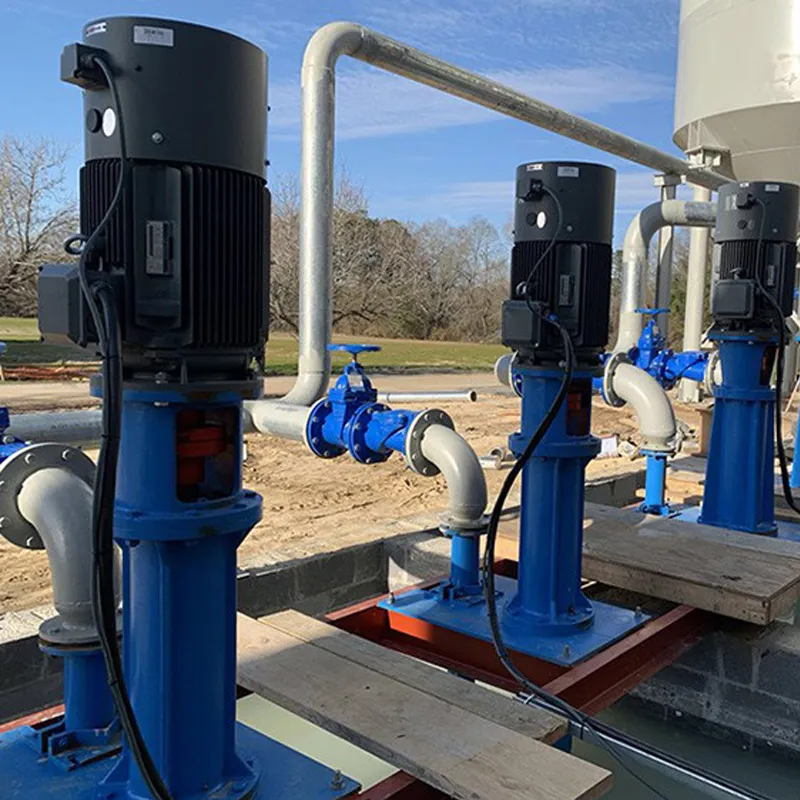
Introduction
Sewage ejector pump systems represent a critical component in wastewater management, specifically designed for handling effluent from sources located below the municipal sewer line. These systems address the fundamental challenge of gravity-dependent sewage flow by providing a means to lift wastewater to a level where it can enter the main sewer system. Unlike standard submersible pumps that move fluids horizontally, ejector pumps focus on vertical lift, often incorporating a sealed basin to prevent backflow and odor issues. Their application spans residential, commercial, and industrial settings, encompassing basements, low-lying properties, and areas where natural drainage is insufficient. Core performance characteristics center around pumping capacity (gallons per minute – GPM), head (vertical lift in feet), impeller type, and solids handling capability. A well-designed ejector pump system minimizes the risk of backups, overflows, and associated health hazards, making it an indispensable part of modern sanitation infrastructure. The industry faces increasing pressure to improve energy efficiency, reduce noise pollution, and enhance system reliability through advanced sensor technology and intelligent controls.
Material Science & Manufacturing
The construction of sewage ejector pump systems necessitates a careful selection of materials resistant to corrosive environments and mechanical stress. Pump housings are commonly manufactured from cast iron (ASTM A48 Class 30 or higher) due to its robustness and cost-effectiveness, though stainless steel (304 or 316) is increasingly preferred for enhanced corrosion resistance, particularly in aggressive chemical environments. Impellers are typically constructed from high-strength polymers, such as glass-filled polypropylene, or stainless steel, balancing wear resistance with efficiency. Shafts utilize 4140 alloy steel, heat-treated for tensile strength and durability. Seals are a critical component, often employing silicon carbide faces with EPDM rubber housings to prevent leakage and accommodate abrasive particles. The basin, responsible for holding sewage prior to pumping, is typically fabricated from high-density polyethylene (HDPE) – chosen for its chemical inertness and impact resistance – or concrete, requiring a waterproof coating. Manufacturing processes include sand casting for housings, injection molding for polymer components, and CNC machining for precise impeller and shaft fabrication. Weld integrity is paramount in steel components, requiring adherence to AWS D1.1 standards for structural welding. Parameter control focuses on dimensional accuracy, material hardness (Rockwell C scale), and coating thickness (for concrete basins). The selection of elastomers (rubber seals) requires consideration of chemical compatibility, specifically resistance to hydrogen sulfide and other constituents commonly found in sewage.
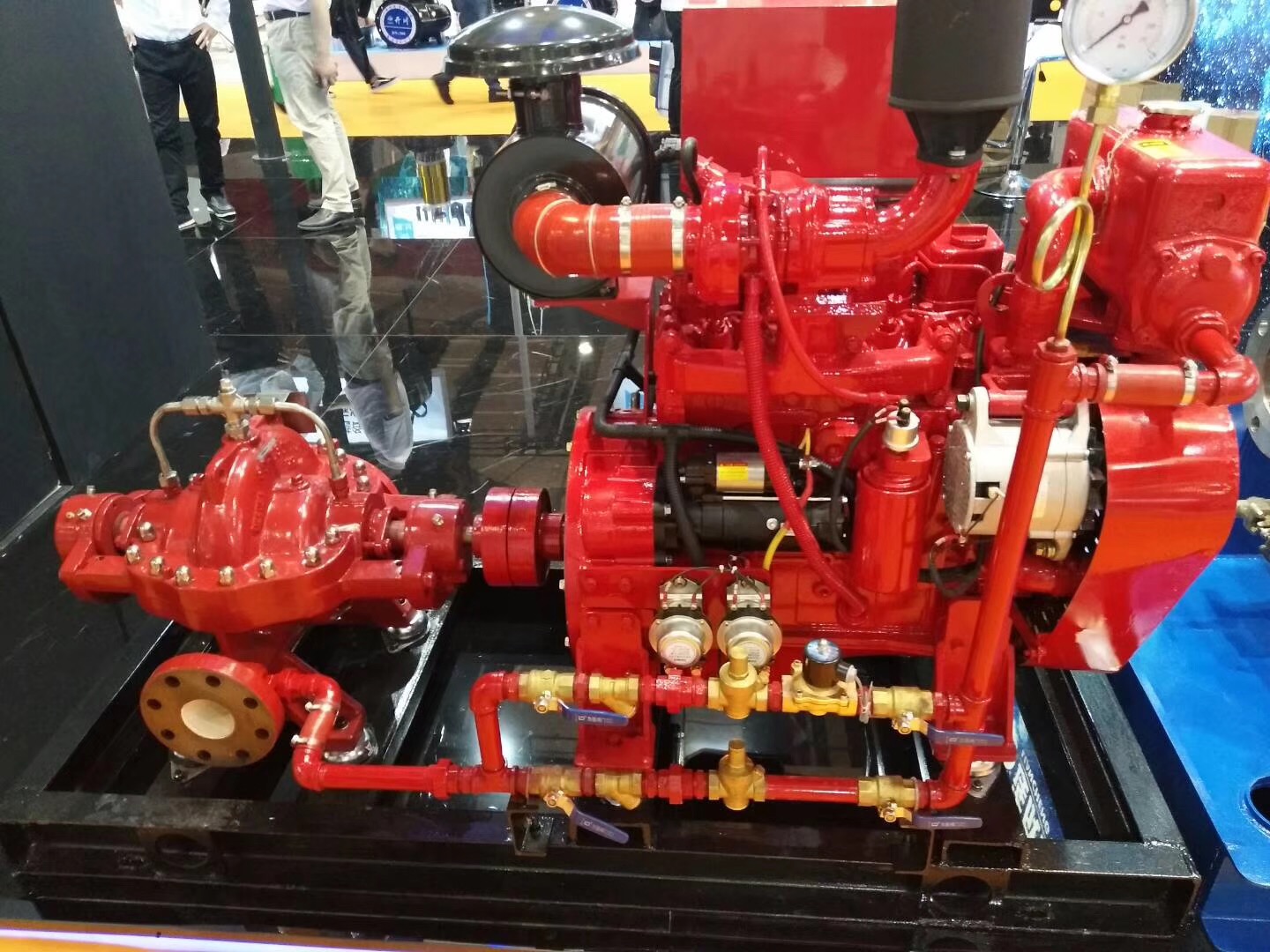
Performance & Engineering
The performance of a sewage ejector pump system is dictated by a complex interplay of hydraulic forces and mechanical engineering principles. Force analysis centers around calculating the static head (vertical distance the fluid needs to be lifted) and dynamic head (pressure losses due to friction within the pipes and fittings). Pump curves, generated through rigorous testing (ANSI/HI standards), depict the relationship between flow rate (GPM) and head, allowing for optimal pump selection. Environmental resistance is a key consideration. Pumps must withstand continuous submersion, fluctuating temperatures, and the corrosive effects of sewage. Corrosion mitigation strategies include sacrificial anodes (for cast iron pumps) and the use of corrosion-resistant alloys. Compliance requirements include adherence to local plumbing codes, electrical safety standards (NEC), and environmental regulations concerning wastewater discharge. Functional implementation involves integrating a float switch system to automatically activate and deactivate the pump based on liquid level in the basin. A check valve prevents backflow, while an alarm system alerts users to pump failure or basin overflow. The pump’s motor must be adequately sized to handle the required torque and power demands, accounting for potential solids loading. Finite element analysis (FEA) is frequently used to optimize impeller design and ensure structural integrity under high stress conditions. The system’s piping layout is optimized to minimize friction losses and prevent air locking.
Technical Specifications
| Pump Capacity (GPM) | Maximum Head (Feet) | Motor Horsepower (HP) | Solids Handling Capability (Inches) |
|---|---|---|---|
| 40-60 | 25-30 | 1/2 - 3/4 | 1-1/2 |
| 60-80 | 30-40 | 1 - 1.5 | 2 |
| 80-120 | 40-50 | 1.5 - 2 | 2.5 |
| 120-150 | 50-60 | 2 - 3 | 3 |
| 150-200 | 60-70 | 3 - 5 | 3.5 |
| 200-300 | 70-80 | 5 - 7.5 | 4 |
Failure Mode & Maintenance
Sewage ejector pump systems are susceptible to several failure modes. Fatigue cracking in the impeller, often initiated by abrasive solids, is a common issue. Delamination of polymer impellers can also occur due to prolonged exposure to corrosive chemicals. Seal failure, resulting in leakage, is frequently caused by wear, debris accumulation, or incompatibility with the wastewater composition. Motor burnout can occur due to overheating (caused by insufficient cooling or overload) or electrical faults. Corrosion of metal components (especially cast iron) leads to structural weakening and eventual failure. Solids buildup within the basin or pump volute reduces pumping efficiency and can cause impeller blockage. Oxidation of electrical connections creates resistance, potentially leading to motor failure. Preventive maintenance includes regular inspection of seals, bearings, and electrical connections. Routine cleaning of the basin to remove accumulated solids is essential. Annual inspection of the pump’s performance curve and comparison to the original specifications can identify signs of wear or degradation. Lubrication of bearings per manufacturer's recommendations extends their lifespan. When replacing components, use materials that meet or exceed original specifications. In cases of frequent failures, a water quality analysis can help identify aggressive constituents contributing to corrosion. Routine testing of the float switch is essential to confirm proper operation and prevent overflows.
Industry FAQ
Q: What is the optimal basin size for a residential sewage ejector pump system?
A: The optimal basin size depends on the expected inflow volume and pump cycle frequency. A general rule of thumb is to provide a minimum capacity of 1.5 times the average daily inflow, allowing for peak usage periods. Consider the number of fixtures contributing to the system and the potential for simultaneous use. Larger basins reduce pump cycling, extending pump life, but also increase initial cost and space requirements.
Q: How does the impeller type affect the performance of the pump?
A: Different impeller types are suited for different applications. Vortex impellers are effective at handling solids but typically have lower pumping efficiency. Non-clog impellers incorporate a more open design to minimize blockage but may still struggle with large or fibrous materials. Centrifugal impellers offer the highest efficiency but are more prone to clogging. The choice depends on the expected solids content and flow rate.
Q: What level of redundancy is recommended for critical applications, such as hospitals or commercial buildings?
A: For critical applications, a duplex pump system with alternating lead and lag pumps is highly recommended. This provides immediate backup in case of pump failure, minimizing downtime and preventing sewage backups. An automatic transfer switch seamlessly switches between pumps. Consider incorporating a high-water alarm system with remote notification capabilities.
Q: What are the key considerations when selecting a pump motor?
A: Motor selection hinges on horsepower, voltage, and enclosure type. Ensure the motor is adequately sized to handle the maximum head and flow rate requirements. Choose a motor with a thermal overload protection to prevent overheating. For submersible applications, a waterproof enclosure is essential. Consider the motor’s energy efficiency rating (IE3 or higher) to minimize operating costs.
Q: What are the common causes of alarm activation in a sewage ejector pump system?
A: Common causes include pump failure (motor burnout, impeller blockage), float switch malfunction, high water level in the basin (due to excessive inflow or pump inability to discharge), power outage, and blocked discharge piping. Troubleshooting involves checking the pump's electrical connections, verifying the float switch operation, and inspecting the discharge piping for obstructions.
Conclusion
Sewage ejector pump systems are essential for managing wastewater in challenging topographical situations, demanding careful consideration of material science, hydraulic engineering, and operational reliability. The selection process requires a detailed understanding of flow rates, head requirements, solids handling capabilities, and environmental conditions. Proper installation, routine maintenance, and adherence to industry standards are crucial for ensuring long-term performance and minimizing the risk of costly failures.
Future trends in sewage ejector pump technology focus on energy efficiency, smart controls, and predictive maintenance. Variable frequency drives (VFDs) optimize pump speed based on demand, reducing energy consumption. Remote monitoring systems utilizing IoT sensors provide real-time data on pump performance and allow for proactive maintenance interventions. Advanced diagnostic tools enable early detection of potential failures, minimizing downtime and reducing lifecycle costs.
-
sewage submersible pumps Material Science Manufacturing
News2026-05-16
-
sewage pump for basement toilet Performance Engineering
News2026-05-16
-
Sewage Ejector Pump Systems Performance Analysis
News2026-05-16
-
sewage effluent pump Material Science and Manufacturing
News2026-05-16
-
effluent pumps for septic tanks Material Science Manufacturing
News2026-05-16
-
Sewer Line Pump Material Science and Manufacturing
News2026-05-15
-
best sewage pump Performance Analysis
News2026-05-15
-
sewage pump for basement bathroom Performance and Engineering
News2026-05-15
-
submersible sewer pump Material Science and Manufacturing
News2026-05-15
-
septic tank sump pump Performance Analysis
News2026-05-15
-
effluent pump Performance and Engineering
News2026-05-14
-
basement waste pump Performance Analysis
News2026-05-14
-
sewage water pump Material Science and Manufacturing
News2026-05-14
-
Sewage Transfer Pump Performance Analysis
News2026-05-14
-
sewage submersible pump Performance Analysis
News2026-05-14




