English
- Afrikaans
- Albanian
- Amharic
- Arabic
- Armenian
- Azerbaijani
- Basque
- Belarusian
- Bengali
- Bosnian
- Bulgarian
- Catalan
- Cebuano
- Corsican
- Croatian
- Czech
- Danish
- Dutch
- English
- Esperanto
- Estonian
- Finnish
- French
- Frisian
- Galician
- Georgian
- German
- Greek
- Gujarati
- Haitian Creole
- hausa
- hawaiian
- Hebrew
- Hindi
- Miao
- Hungarian
- Icelandic
- igbo
- Indonesian
- irish
- Italian
- Japanese
- Javanese
- Kannada
- kazakh
- Khmer
- Rwandese
- Korean
- Kurdish
- Kyrgyz
- Lao
- Latin
- Latvian
- Lithuanian
- Luxembourgish
- Macedonian
- Malgashi
- Malay
- Malayalam
- Maltese
- Maori
- Marathi
- Mongolian
- Myanmar
- Nepali
- Norwegian
- Norwegian
- Occitan
- Pashto
- Persian
- Polish
- Portuguese
- Punjabi
- Romanian
- Russian
- Samoan
- Scottish Gaelic
- Serbian
- Sesotho
- Shona
- Sindhi
- Sinhala
- Slovak
- Slovenian
- Somali
- Spanish
- Sundanese
- Swahili
- Swedish
- Tagalog
- Tajik
- Tamil
- Tatar
- Telugu
- Thai
- Turkish
- Turkmen
- Ukrainian
- Urdu
- Uighur
- Uzbek
- Vietnamese
- Welsh
- Bantu
- Yiddish
- Yoruba
- Zulu

Telephone: +86 13120555503
Email: frank@cypump.com


Apr . 01, 2024 17:55 Back to list
sewage ejector pump system Performance Analysis
Introduction
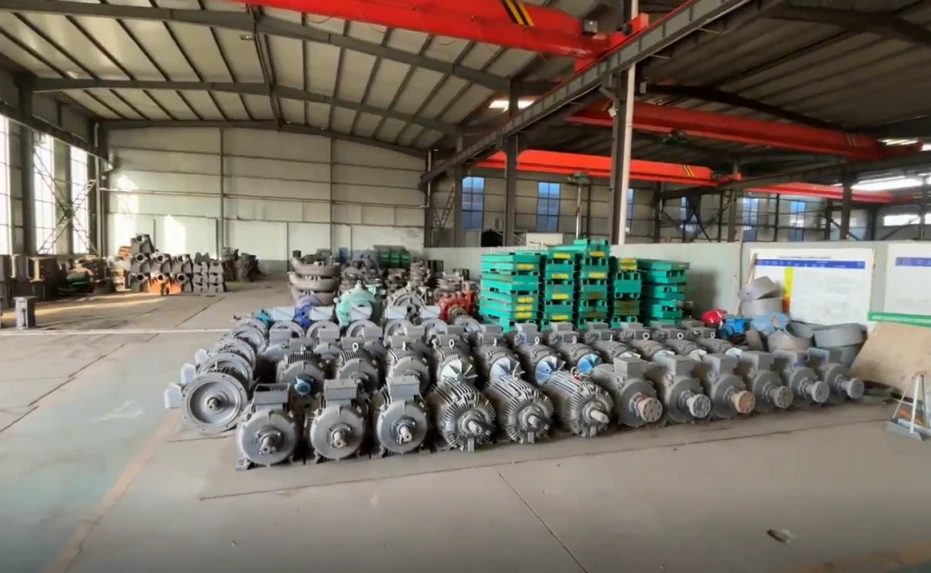
Sewage ejector pump systems are critical components in wastewater management, designed to transfer wastewater from areas below the municipal sewer line to a point where gravity flow can resume. These systems are prevalent in residential, commercial, and industrial applications where natural drainage is insufficient. Unlike standard sewage pumps, ejector systems utilize a sealed tank and a pump to overcome elevation differences. Their technical position within the wastewater treatment chain is as a primary lift station for low-lying properties, preventing backflow and ensuring efficient conveyance to the main sewer system. Core performance characteristics revolve around pumping capacity (gallons per minute – GPM), head pressure (feet), solids handling capability (diameter and concentration), and overall system reliability, directly influencing operational costs and environmental compliance. A significant industry pain point is pump failure due to abrasive solids, corrosion, and inadequate system sizing, leading to costly downtime and potential environmental hazards.
Material Science & Manufacturing
The construction of a sewage ejector pump system involves several materials, each selected for specific properties. Pump housings are commonly cast iron (ASTM A48 Class 30) due to its durability, corrosion resistance, and cost-effectiveness. However, stainless steel (316L grade) is preferred in highly corrosive environments, such as those exposed to hydrogen sulfide or saline intrusion. Impellers are typically manufactured from high-strength, abrasion-resistant materials like ductile iron or engineered polymers (e.g., polypropylene). The pump’s motor housing is typically constructed from cast iron or steel, and motors are insulated with Class H insulation to withstand harsh operating conditions. Tanks are often constructed from polyethylene (high-density polyethylene – HDPE) for its chemical resistance and lightweight properties, or concrete for larger, below-ground installations. Manufacturing processes include sand casting for iron components, injection molding for plastic parts, and automated winding for motor stators. Critical parameter control during manufacturing includes dimensional accuracy of impeller vanes to optimize hydraulic efficiency, precise balancing of rotating components to minimize vibration, and rigorous quality control of seals (typically nitrile or Viton) to prevent leakage. Welding procedures, if applicable for steel components, must adhere to AWS D1.1 standards to ensure structural integrity. Material compatibility is paramount; for example, selecting the correct seal material is crucial to resist degradation from specific wastewater constituents.
Performance & Engineering
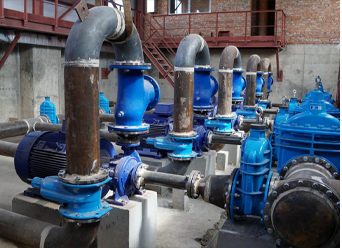
The performance of a sewage ejector pump system is governed by several engineering principles. Force analysis involves evaluating the hydrostatic pressure exerted by the wastewater column, the dynamic head (friction losses in the piping system), and the pump’s static head (vertical distance water is lifted). Environmental resistance is critical; systems must withstand temperature fluctuations, potential flooding, and the corrosive effects of wastewater components. Compliance requirements include adherence to local plumbing codes, EPA regulations regarding wastewater discharge, and UL/CSA certifications for electrical safety. Functional implementation involves proper sizing of the pump and tank based on anticipated flow rates, solids loading, and cycle times. Pump curves (head vs. capacity) are used to select the appropriate pump model. Float switches control pump activation and deactivation, preventing dry running and overflow. Proper vent piping is essential to prevent vacuum formation and ensure efficient operation. System design must consider the Net Positive Suction Head Available (NPSHA) to prevent cavitation, a destructive phenomenon that reduces pump efficiency and lifespan. Hydraulic institute standards are frequently referenced in performance testing and verification. Furthermore, systems often incorporate check valves to prevent backflow and maintain prime.
Technical Specifications
| Pump Capacity (GPM) | Total Dynamic Head (ft) | Motor Horsepower (HP) | Solids Handling (in) |
|---|---|---|---|
| 20-40 | 15-30 | 1/2 - 1 | 2 |
| 40-60 | 30-50 | 1 - 2 | 3 |
| 60-80 | 50-70 | 2 - 3 | 4 |
| 80-100 | 70-90 | 3 - 5 | 4 |
| 100-150 | 90-120 | 5 - 7.5 | 6 |
| 150-200 | 120-150 | 7.5 - 10 | 6 |
Failure Mode & Maintenance
Sewage ejector pump systems are susceptible to several failure modes. Fatigue cracking of the impeller or pump housing can occur due to cyclical loading and corrosion. Delamination of coatings on pump components reduces corrosion resistance and can lead to erosion. Bearing failure is common due to lubrication issues or abrasive solids. Seal failure results in leakage and potential motor damage. Blockage of the impeller by solids prevents proper pumping and can overload the motor. Motor winding failure can occur due to overheating or moisture ingress. Corrosion, particularly in cast iron components, weakens the material and leads to structural failure. Preventive maintenance is crucial. Regularly inspect seals for wear and replace as needed. Lubricate bearings according to manufacturer specifications. Flush the system to remove accumulated solids. Monitor motor current and temperature to detect potential overheating. Periodically inspect the tank for cracks or leaks. Implement a routine inspection schedule and maintain detailed records of maintenance activities. Failure analysis should include visual inspection for cracks, corrosion, and wear; impeller balance checks; and motor winding resistance measurements. Proper system design, including a debris screen upstream of the pump, can significantly reduce the risk of blockage.
Industry FAQ
Q: What is the optimal tank size for a residential sewage ejector system, and how is it determined?
A: Optimal tank size is determined by the peak flow rate anticipated, the frequency of pump cycles, and the volume of wastewater generated between pump cycles. A general rule of thumb is to provide a minimum of 2-3 times the average daily flow rate. Detailed calculations require assessing the number of fixtures, estimated water usage per fixture, and potential peak demand factors. Undersizing the tank leads to frequent pump cycles and reduced pump lifespan, while oversizing increases costs and requires more space.
Q: How does the type of wastewater affect the selection of pump and tank materials?
A: Highly corrosive wastewater, containing significant levels of hydrogen sulfide or industrial chemicals, necessitates the use of corrosion-resistant materials like stainless steel (316L grade) for the pump housing and impeller. HDPE tanks are generally suitable for most wastewater compositions, but chemical compatibility should be verified. Seal materials must also be selected based on the chemical composition of the wastewater.
Q: What are the key considerations for selecting a float switch system?
A: Float switch systems must be reliable and accurately control pump activation and deactivation. Considerations include the type of float switch (vertical, horizontal, cable float), the number of floats required (typically two for lead/lag operation), and the switch’s electrical ratings. The floats must be properly positioned to avoid interference and ensure accurate level sensing. Cable floats are preferable in situations with high solids content.
Q: What safety features are essential for a sewage ejector pump system?
A: Essential safety features include a high-level alarm to alert operators of potential overflow conditions, a thermal overload protection device for the motor, and a lockable access cover to prevent accidental entry. Electrical connections must be properly grounded and protected by a ground fault circuit interrupter (GFCI). Systems should also comply with all relevant electrical safety standards.
Q: How can I minimize the risk of pump clogging in a high-solids environment?
A: Minimizing clogging requires a multi-faceted approach. Install a debris screen upstream of the pump to remove large solids. Select a pump with a non-clog impeller design. Consider using a grinder pump to reduce the size of solids entering the system. Regularly flush the system to remove accumulated sediment. Implement proper wastewater pretreatment to remove excessive solids before they enter the ejector system.
Conclusion
Sewage ejector pump systems represent a vital infrastructure element for effectively managing wastewater in challenging topographical conditions. Their performance and longevity are directly tied to careful material selection, meticulous manufacturing processes, and adherence to stringent engineering principles. Addressing the inherent industry pain points—such as pump failure due to abrasive solids and corrosion—requires a proactive approach to preventative maintenance and a thorough understanding of potential failure modes.
Future advancements in this field are likely to focus on smart pump technologies with integrated sensors for real-time performance monitoring and predictive maintenance. Further research into corrosion-resistant materials and improved impeller designs will also contribute to increased system reliability and reduced life-cycle costs. Selecting and maintaining these systems requires a deep understanding of their technical intricacies, ensuring long-term operational efficiency and environmental protection.
-
Comprehensive Guide to Waterproof ORings for Optimal Sealing Solutions
News2026-06-09
-
septic system sump pump Performance Analysis
News2026-06-26
-
septic pump company Performance Analysis
News2026-06-26
-
pumps water treatment Performance Analysis
News2026-06-26
-
pumps for septic tanks Material Science and Manufacturing
News2026-06-26
-
pump for septic system Material Science Manufacturing
News2026-06-26
-
heavy duty submersible pump Performance Analysis
News2026-06-25
-
best submersible pump for septic tank Performance Analysis
News2026-06-25
-
basement sewer ejector pump Performance Analysis
News2026-06-25
-
basement pumps ejector pumps Performance Analysis
News2026-06-25
-
basement lift pump Performance and Engineering
News2026-06-25
-
basement bathroom pump systems Performance Analysis
News2026-06-24
-
basement bathroom ejector pump system Performance Engineering
News2026-06-24
-
2 hp sewage pump Performance Engineering
News2026-06-24
-
1 hp septic pump Performance Engineering
News2026-06-24




