English
- Afrikaans
- Albanian
- Amharic
- Arabic
- Armenian
- Azerbaijani
- Basque
- Belarusian
- Bengali
- Bosnian
- Bulgarian
- Catalan
- Cebuano
- Corsican
- Croatian
- Czech
- Danish
- Dutch
- English
- Esperanto
- Estonian
- Finnish
- French
- Frisian
- Galician
- Georgian
- German
- Greek
- Gujarati
- Haitian Creole
- hausa
- hawaiian
- Hebrew
- Hindi
- Miao
- Hungarian
- Icelandic
- igbo
- Indonesian
- irish
- Italian
- Japanese
- Javanese
- Kannada
- kazakh
- Khmer
- Rwandese
- Korean
- Kurdish
- Kyrgyz
- Lao
- Latin
- Latvian
- Lithuanian
- Luxembourgish
- Macedonian
- Malgashi
- Malay
- Malayalam
- Maltese
- Maori
- Marathi
- Mongolian
- Myanmar
- Nepali
- Norwegian
- Norwegian
- Occitan
- Pashto
- Persian
- Polish
- Portuguese
- Punjabi
- Romanian
- Russian
- Samoan
- Scottish Gaelic
- Serbian
- Sesotho
- Shona
- Sindhi
- Sinhala
- Slovak
- Slovenian
- Somali
- Spanish
- Sundanese
- Swahili
- Swedish
- Tagalog
- Tajik
- Tamil
- Tatar
- Telugu
- Thai
- Turkish
- Turkmen
- Ukrainian
- Urdu
- Uighur
- Uzbek
- Vietnamese
- Welsh
- Bantu
- Yiddish
- Yoruba
- Zulu

Telephone: +86 13120555503
Email: frank@cypump.com


Apr . 01, 2024 17:55 Back to list
Sewage Ejector Pump Replacement Performance Analysis
Introduction
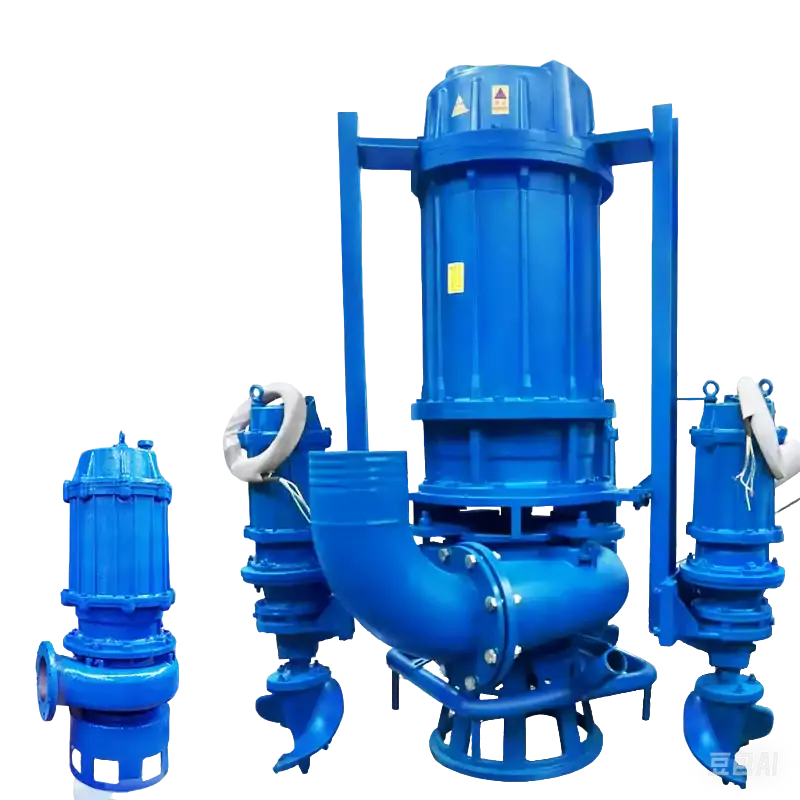
Sewage ejector pumps are critical components in wastewater management systems, specifically designed to transfer sewage from below-grade plumbing fixtures to the municipal sewer system. Their application is prevalent in basements, low-lying properties, and locations where gravity drainage is insufficient. Replacement of these pumps is a common maintenance task, often driven by component failure, aging, or increasing system demand. This guide provides a comprehensive technical overview of sewage ejector pump replacement, covering material science, manufacturing considerations, performance characteristics, failure analysis, and relevant industry standards. Understanding these facets is essential for ensuring a robust and reliable wastewater transfer system, mitigating potential hazards associated with sewage backup, and minimizing long-term operational costs. The core pain point in the industry lies in selecting a replacement pump that not only matches the hydraulic requirements but also withstands the corrosive environment and abrasive solids inherent in sewage, thus extending service life and preventing premature failure. Proper installation and adherence to relevant codes are paramount.
Material Science & Manufacturing
Sewage ejector pumps are typically constructed from materials selected for their resistance to corrosion, abrasion, and chemical attack from the wastewater they handle. The pump housing is commonly cast iron (ASTM A48 Class 30) coated with an epoxy or fusion-bonded powder coating for enhanced corrosion protection. Impellers are often made from stainless steel (304 or 316) due to its superior resistance to chloride-induced pitting corrosion. Shaft materials are similarly stainless steel (410 or 17-4 PH) offering high tensile strength and corrosion resistance. Seals are a critical component, typically utilizing materials like Viton (fluoroelastomer) or EPDM (ethylene propylene diene monomer) for compatibility with sewage constituents. Manufacturing processes involve sand casting for the housing, followed by machining for precise dimensional accuracy and surface finish. Impellers are typically investment cast for complex geometries and refined surface characteristics. The motor housing is often aluminum or cast iron, providing structural support and housing the electrical components. Key parameter control during manufacturing includes dimensional tolerances (ISO 2768-mK), surface roughness (ISO 4287), and coating thickness (ASTM B244). The quality of the epoxy coating significantly impacts the pump's longevity in a corrosive environment; improper application or defects can lead to premature failure. Weldments, where present, must be performed by certified welders (AWS D1.1) and subjected to non-destructive testing (NDT) such as liquid penetrant inspection to ensure structural integrity.
Performance & Engineering
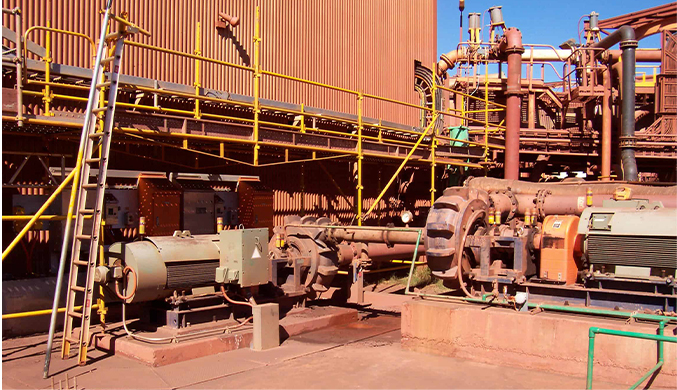
The performance of a sewage ejector pump is defined by its hydraulic characteristics – flow rate (GPM) and total dynamic head (TDH). Force analysis is crucial, considering the impeller’s centrifugal force, fluid dynamic forces, and bearing loads. The pump’s design must account for solids handling capability, typically expressed as maximum sphere size. Environmental resistance is a significant factor, particularly resistance to hydrogen sulfide (H2S) corrosion which generates sulfuric acid and accelerates material degradation. Compliance requirements include National Electrical Code (NEC) standards for electrical safety, and local plumbing codes governing wastewater systems. Functional implementation necessitates proper sizing of the pump to the specific application, considering factors such as lift height, pipe friction losses, and anticipated flow rates. Cavitation, caused by low pressure at the impeller inlet, is a common performance issue; proper submergence depth and appropriate pump speed are critical to prevent cavitation damage. Motor overload protection, typically achieved through thermal overload relays, is essential to prevent motor failure. Pump curves, generated through hydraulic testing (ANSI/HI standards), provide a graphical representation of pump performance at various flow rates and heads. Proper impeller design and volute geometry optimize hydraulic efficiency and minimize noise levels.
Technical Specifications
| Pump Type | Motor Horsepower (HP) | Maximum Flow Rate (GPM) | Maximum Head (ft) |
|---|---|---|---|
| Submersible Sewage Pump | 1/2 HP | 75 | 25 |
| Submersible Sewage Pump | 3/4 HP | 100 | 35 |
| Submersible Sewage Pump | 1 HP | 150 | 45 |
| Submersible Sewage Pump | 1.5 HP | 200 | 55 |
| Submersible Sewage Pump | 2 HP | 250 | 65 |
| Submersible Sewage Pump | 3 HP | 350 | 80 |
Failure Mode & Maintenance
Common failure modes in sewage ejector pumps include impeller wear due to abrasive solids, seal failure leading to leakage, motor winding burnout due to overload or moisture ingress, and switch malfunction causing pump cycling. Fatigue cracking can occur in the pump housing or impeller due to repeated stress. Delamination of the epoxy coating exposes the cast iron to corrosion. Degradation of the seals results in loss of pressure and potential motor damage. Oxidation of electrical connections leads to increased resistance and eventual failure. Preventive maintenance is crucial, including regular inspection of seals, cleaning of the impeller, and testing of the float switch. Routine checks for unusual noise or vibration can indicate bearing wear or impeller imbalance. Electrical connections should be inspected for corrosion and tightened as needed. A comprehensive failure analysis (RCA - Root Cause Analysis) should be conducted on any pump failure to identify the underlying cause and prevent recurrence. For seal failures, ensure correct seal type compatibility with the sewage composition. For motor failures, verify proper voltage and current draw. Proper pump sizing and installation, minimizing solids loading, and adherence to a regular maintenance schedule are key to extending pump life.
Industry FAQ
Q: What is the best material for a pump impeller in a highly corrosive sewage environment?
A: 316 Stainless Steel is generally the preferred material for impellers in corrosive sewage environments. While 304 Stainless Steel offers good corrosion resistance, 316 contains molybdenum, which significantly enhances its resistance to chloride-induced pitting corrosion, a common issue in sewage applications. Alternatively, ceramic impellers offer exceptional corrosion resistance but are more brittle and susceptible to impact damage.
Q: How often should the pump's float switch be inspected and tested?
A: The float switch should be inspected and tested at least quarterly, and ideally monthly. Buildup of solids can impede its movement, leading to pump malfunction. Testing involves manually activating the switch to verify proper pump cycling. Regular cleaning of the float switch and surrounding area is also essential.
Q: What are the common causes of pump overheating?
A: Common causes of pump overheating include low voltage, a locked impeller (due to solids buildup), excessive pump cycling (caused by a malfunctioning float switch), and motor overload. Insufficient ventilation around the motor can also contribute to overheating. Inspect the impeller for obstructions, verify proper voltage, and ensure the float switch is functioning correctly.
Q: What level of maintenance is required for the epoxy coating on the pump housing?
A: The epoxy coating requires periodic inspection for chips, scratches, or blisters. Any damaged areas should be repaired promptly using an epoxy repair kit specifically designed for cast iron. Avoid abrasive cleaning methods that could damage the coating. Proper coating application during manufacturing is critical to long-term performance.
Q: What are the key considerations when selecting a replacement pump with a different horsepower than the original?
A: Careful hydraulic analysis is essential. A pump with insufficient horsepower will not provide adequate flow and may overheat. A pump with excessive horsepower may cause excessive pressure and potentially damage the piping system. Consider the lift height, pipe friction losses, and anticipated flow rates to determine the appropriate horsepower rating. Consult pump performance curves to ensure the selected pump meets the system requirements.
Conclusion
Replacing a sewage ejector pump necessitates a thorough understanding of material science, hydraulic principles, and potential failure modes. Selecting a pump constructed from corrosion-resistant materials like stainless steel and featuring a durable epoxy coating is vital for long-term reliability. Proper installation, adherence to electrical and plumbing codes, and a proactive maintenance program – including regular inspection of seals, float switches, and impeller condition – are crucial for preventing premature failure and minimizing operational disruptions.
The industry trend towards more efficient and reliable pump designs, coupled with advancements in coating technologies, is driving improvements in service life and reducing maintenance requirements. Future developments may include the integration of smart sensors for remote monitoring of pump performance and predictive maintenance capabilities. A comprehensive approach encompassing careful pump selection, proper installation, and diligent maintenance will ensure a robust and dependable wastewater transfer system.
-
sump pump for septic systems Material Science Manufacturing
News2026-05-20
-
sump pump and ejector pump Material Science Manufacturing
News2026-05-20
-
sewage treatment plant pumps Performance Analysis
News2026-05-20
-
sewage tank pump Material Science and Manufacturing
News2026-05-20
-
sewage pump for septic tank Performance Analysis
News2026-05-20
-
Sewage Pump and Tank Performance Analysis
News2026-05-19
-
Sewage Ejector Pump Replacement Performance Analysis
News2026-05-19
-
sewage ejector pump for basement bathroom Material Science Manufacturing
News2026-05-19
-
sewage ejection pump Material Science and Manufacturing
News2026-05-19
-
in line sewage pump Performance Analysis
News2026-05-19
-
effluent sump pump Performance Analysis
News2026-05-18
-
best grinder pump for sewage Performance Engineering
News2026-05-18
-
basement waste water pump Performance Engineering
News2026-05-18
-
sump pump sewer Performance Analysis
News2026-05-18
-
sump pump for sewer Performance Analysis
News2026-05-18




