English
- Afrikaans
- Albanian
- Amharic
- Arabic
- Armenian
- Azerbaijani
- Basque
- Belarusian
- Bengali
- Bosnian
- Bulgarian
- Catalan
- Cebuano
- Corsican
- Croatian
- Czech
- Danish
- Dutch
- English
- Esperanto
- Estonian
- Finnish
- French
- Frisian
- Galician
- Georgian
- German
- Greek
- Gujarati
- Haitian Creole
- hausa
- hawaiian
- Hebrew
- Hindi
- Miao
- Hungarian
- Icelandic
- igbo
- Indonesian
- irish
- Italian
- Japanese
- Javanese
- Kannada
- kazakh
- Khmer
- Rwandese
- Korean
- Kurdish
- Kyrgyz
- Lao
- Latin
- Latvian
- Lithuanian
- Luxembourgish
- Macedonian
- Malgashi
- Malay
- Malayalam
- Maltese
- Maori
- Marathi
- Mongolian
- Myanmar
- Nepali
- Norwegian
- Norwegian
- Occitan
- Pashto
- Persian
- Polish
- Portuguese
- Punjabi
- Romanian
- Russian
- Samoan
- Scottish Gaelic
- Serbian
- Sesotho
- Shona
- Sindhi
- Sinhala
- Slovak
- Slovenian
- Somali
- Spanish
- Sundanese
- Swahili
- Swedish
- Tagalog
- Tajik
- Tamil
- Tatar
- Telugu
- Thai
- Turkish
- Turkmen
- Ukrainian
- Urdu
- Uighur
- Uzbek
- Vietnamese
- Welsh
- Bantu
- Yiddish
- Yoruba
- Zulu

Telephone: +86 13120555503
Email: frank@cypump.com


Apr . 01, 2024 17:55 Back to list
Sewage Ejector Pump Material Science and Manufacturing
Introduction
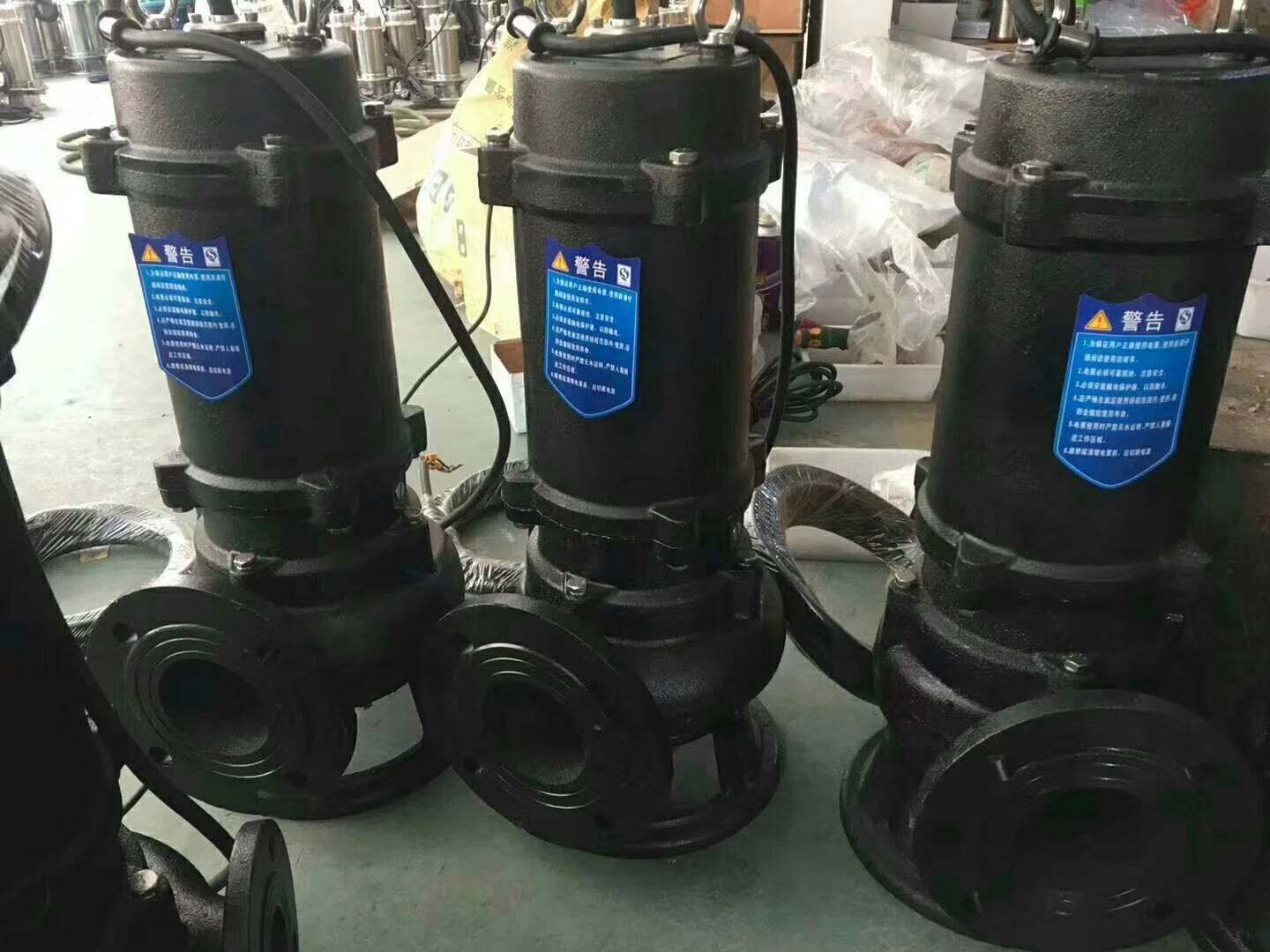
Sewage ejector pumps are engineered systems designed to relocate wastewater from below-grade plumbing fixtures to the municipal sewer system or a suitable septic tank. Positioned within the wastewater infrastructure, these pumps function as crucial intermediaries, particularly in situations where gravity drainage is insufficient. Their technical positioning centers around overcoming elevation differences and managing solids-laden flows. Core performance characteristics encompass pumping capacity (gallons per minute – GPM), head (vertical distance the pump can lift the fluid), motor horsepower, impeller design for solids handling, and the overall system’s ability to maintain consistent effluent flow. A critical industry pain point is premature pump failure due to abrasive wear, clogging, and corrosion, leading to costly downtime and maintenance. Selection criteria emphasize compatibility with wastewater composition (pH, solids content), pump materials’ resistance to degradation, and conformance to relevant safety and environmental regulations. Furthermore, reliable level sensing and automatic operation are vital to prevent overflows and ensure efficient wastewater management.
Material Science & Manufacturing
The construction of sewage ejector pumps relies on materials selected for their chemical resistance, durability, and ability to withstand continuous submersion in wastewater. Pump housings are typically manufactured from cast iron (ASTM A48 Class 30) coated with epoxy or a similar protective layer to mitigate corrosion. Impellers are commonly produced from high-strength stainless steel (304 or 316 stainless steel – ASTM A581) or engineered polymers like polypropylene, chosen for their resistance to abrasion and impact. Shafts are often fabricated from 4140 alloy steel, heat treated for enhanced strength and wear resistance. Seals are critical components, often utilizing silicon carbide faces (according to DIN EN 12176) in conjunction with elastomers like Viton or EPDM for chemical compatibility and leak prevention.
Manufacturing processes involve several key steps. Cast iron housings are created via sand casting, followed by machining to precise tolerances. Impellers are typically manufactured using investment casting or precision machining. The motor housing is often die-cast aluminum (A380 alloy – ASTM B85) to provide lightweight strength and thermal dissipation. Assembly is a highly controlled process, ensuring proper alignment and sealing of all components. Quality control measures include hydrostatic testing to verify leak tightness, electrical safety testing (IEC 60335-2-40), and performance testing to confirm flow rates and head pressure. Parameter control focuses on maintaining close tolerances during machining, ensuring accurate material composition, and consistently applying protective coatings. Weld integrity, particularly in fabricated components, is validated using non-destructive testing methods like radiography and ultrasonic inspection.
Performance & Engineering
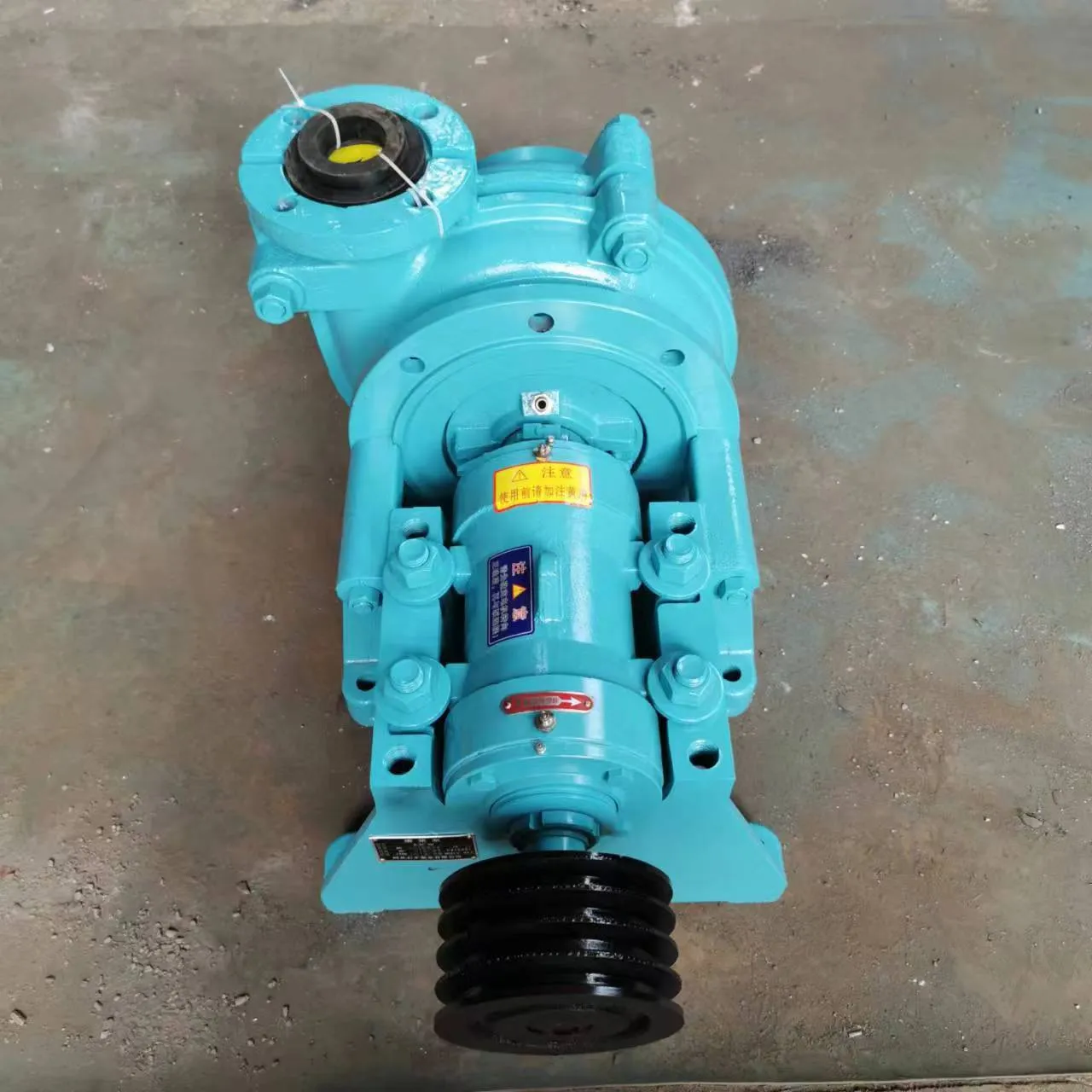
The performance of a sewage ejector pump is governed by hydraulic principles and motor characteristics. Force analysis considers the pump’s required torque to overcome fluid resistance and gravity. The impeller design (radial, vortex, or mixed flow) dictates the pump’s flow rate and head pressure. Vortex impellers are preferred for handling solids as they minimize clogging. Environmental resistance is paramount, with pumps designed to operate in corrosive wastewater environments. Pump materials must resist degradation from hydrogen sulfide, sulfates, and other aggressive chemicals. Proper ventilation and cooling are essential to prevent motor overheating. Compliance requirements are extensive, including adherence to UL 508A (Industrial Control Panels) for electrical safety, NSF/ANSI 61 (Drinking Water System Components) for material compatibility if the pump handles potable water discharge, and local plumbing codes. Functional implementation requires accurate level sensing (float switches, pressure transducers) to automatically initiate and terminate pump operation, preventing dry running and overflows. Pump curves, generated through rigorous testing (according to Hydraulic Institute standards), define the pump’s performance characteristics across a range of flow rates and heads. Motor selection must consider the required horsepower to handle peak loads and maintain consistent performance. The entire system must be designed for easy access and maintenance, minimizing downtime.
Technical Specifications
| Pump Type | Motor Horsepower (HP) | Maximum Head (ft) | Maximum Flow Rate (GPM) |
|---|---|---|---|
| Submersible Sewage Ejector | 1/2 HP | 30 | 60 |
| Submersible Sewage Ejector | 3/4 HP | 40 | 90 |
| Submersible Sewage Ejector | 1 HP | 50 | 120 |
| Submersible Sewage Ejector | 1.5 HP | 60 | 150 |
| Submersible Sewage Ejector | 2 HP | 70 | 180 |
| Submersible Sewage Ejector | 3 HP | 80 | 240 |
Failure Mode & Maintenance
Sewage ejector pumps are susceptible to several failure modes. Fatigue cracking in the impeller or housing can occur due to cyclical loading and stress corrosion. Clogging is a common issue, caused by debris, rags, and solids accumulating within the pump. Delamination of epoxy coatings can expose the underlying metal to corrosion. Seal failure leads to leakage and reduced pump efficiency. Motor burnout results from overheating due to inadequate cooling or electrical faults. Oxidation of electrical components can cause intermittent operation or complete failure.
Preventative maintenance is crucial. Regular inspection (every 6-12 months) should include checking for leaks, corrosion, and unusual noises. Impellers should be cleaned to remove accumulated debris. Seals should be replaced periodically (based on manufacturer recommendations). Electrical connections should be inspected for corrosion and tightness. The pump’s control panel should be checked for proper operation. Lubrication of bearings is essential to reduce friction and wear. In the event of failure, a thorough failure analysis should be conducted to identify the root cause and prevent recurrence. This may involve visual inspection, non-destructive testing, and material analysis. Replacement parts should be of equivalent or higher quality than the original components. Professional installation and commissioning are essential to ensure optimal performance and longevity.
Industry FAQ
Q: What is the optimal material selection for the pump housing in a highly corrosive environment?
A: In highly corrosive environments, a stainless steel (316 stainless steel) housing, or a cast iron housing with a thick epoxy coating specifically formulated for chemical resistance, is recommended. The epoxy coating should be regularly inspected for damage and reapplied as needed. Consider duplex stainless steels for enhanced corrosion resistance in severe applications.
Q: What are the implications of choosing a pump with an improperly sized impeller for solids handling?
A: An undersized impeller will lack the capacity to effectively process solids, leading to frequent clogging and reduced pump efficiency. An oversized impeller may consume excessive power and cause hydraulic instability. Selecting the correct impeller type (vortex for solids handling) and size based on the anticipated solids content is critical.
Q: How does the type of level sensing technology impact the reliability of the pump system?
A: The reliability of level sensing is paramount. Float switches are susceptible to fouling and mechanical failure. Pressure transducers offer greater accuracy and reliability, but require proper calibration and maintenance. Ultrasonic sensors are a non-contact option, minimizing maintenance, but can be affected by temperature and humidity. Redundancy with multiple level sensors is often implemented for critical applications.
Q: What are the key considerations when specifying a variable frequency drive (VFD) for a sewage ejector pump?
A: VFDs provide energy savings and improved process control. Key considerations include motor compatibility, pump curve characteristics, and the required speed range. The VFD must be properly sized to handle the pump’s starting current and continuous operating load. Electromagnetic compatibility (EMC) is crucial to prevent interference with other equipment.
Q: What is the recommended maintenance schedule for a submersible sewage ejector pump operating in a typical residential application?
A: A typical residential application requires inspection every 6-12 months. This includes checking for leaks, cleaning the impeller, inspecting electrical connections, and verifying proper float switch operation. The pump should be completely removed and inspected annually for wear and corrosion.
Conclusion
Sewage ejector pumps are vital components of wastewater management systems, enabling the efficient relocation of wastewater from challenging locations. Their performance hinges on robust material selection, precise manufacturing processes, and adherence to stringent industry standards. Understanding the potential failure modes and implementing a comprehensive preventative maintenance program are critical to maximizing pump longevity and minimizing operational disruptions. The correct specification of pump type, motor horsepower, and control systems is paramount for optimal system performance and reliability.
Looking ahead, advancements in pump technology are focused on improving energy efficiency, reducing noise levels, and enhancing remote monitoring capabilities. The integration of smart sensors and data analytics will enable predictive maintenance, allowing for proactive interventions and minimizing downtime. Continued research into corrosion-resistant materials and improved impeller designs will further enhance the durability and reliability of these critical wastewater infrastructure components.
-
Comprehensive Guide to Waterproof ORings for Optimal Sealing Solutions
News2026-06-09
-
heavy duty submersible pump Performance Analysis
News2026-06-25
-
best submersible pump for septic tank Performance Analysis
News2026-06-25
-
basement sewer ejector pump Performance Analysis
News2026-06-25
-
basement pumps ejector pumps Performance Analysis
News2026-06-25
-
basement lift pump Performance and Engineering
News2026-06-25
-
basement bathroom pump systems Performance Analysis
News2026-06-24
-
basement bathroom ejector pump system Performance Engineering
News2026-06-24
-
2 hp sewage pump Performance Engineering
News2026-06-24
-
1 hp septic pump Performance Engineering
News2026-06-24
-
submersible effluent pump Performance Analysis
News2026-06-24
-
submergable pump Material Science
News2026-06-23
-
sewer injection pump Performance Engineering
News2026-06-23
-
Sewer Ejector Pump System Performance Analysis
News2026-06-23
-
septic tank pump for sale Performance Engineering
News2026-06-23




