English
- Afrikaans
- Albanian
- Amharic
- Arabic
- Armenian
- Azerbaijani
- Basque
- Belarusian
- Bengali
- Bosnian
- Bulgarian
- Catalan
- Cebuano
- Corsican
- Croatian
- Czech
- Danish
- Dutch
- English
- Esperanto
- Estonian
- Finnish
- French
- Frisian
- Galician
- Georgian
- German
- Greek
- Gujarati
- Haitian Creole
- hausa
- hawaiian
- Hebrew
- Hindi
- Miao
- Hungarian
- Icelandic
- igbo
- Indonesian
- irish
- Italian
- Japanese
- Javanese
- Kannada
- kazakh
- Khmer
- Rwandese
- Korean
- Kurdish
- Kyrgyz
- Lao
- Latin
- Latvian
- Lithuanian
- Luxembourgish
- Macedonian
- Malgashi
- Malay
- Malayalam
- Maltese
- Maori
- Marathi
- Mongolian
- Myanmar
- Nepali
- Norwegian
- Norwegian
- Occitan
- Pashto
- Persian
- Polish
- Portuguese
- Punjabi
- Romanian
- Russian
- Samoan
- Scottish Gaelic
- Serbian
- Sesotho
- Shona
- Sindhi
- Sinhala
- Slovak
- Slovenian
- Somali
- Spanish
- Sundanese
- Swahili
- Swedish
- Tagalog
- Tajik
- Tamil
- Tatar
- Telugu
- Thai
- Turkish
- Turkmen
- Ukrainian
- Urdu
- Uighur
- Uzbek
- Vietnamese
- Welsh
- Bantu
- Yiddish
- Yoruba
- Zulu

Telephone: +86 13120555503
Email: frank@cypump.com


Apr . 01, 2024 17:55 Back to list
sewage ejector pump for basement bathroom Material Science Manufacturing
Introduction
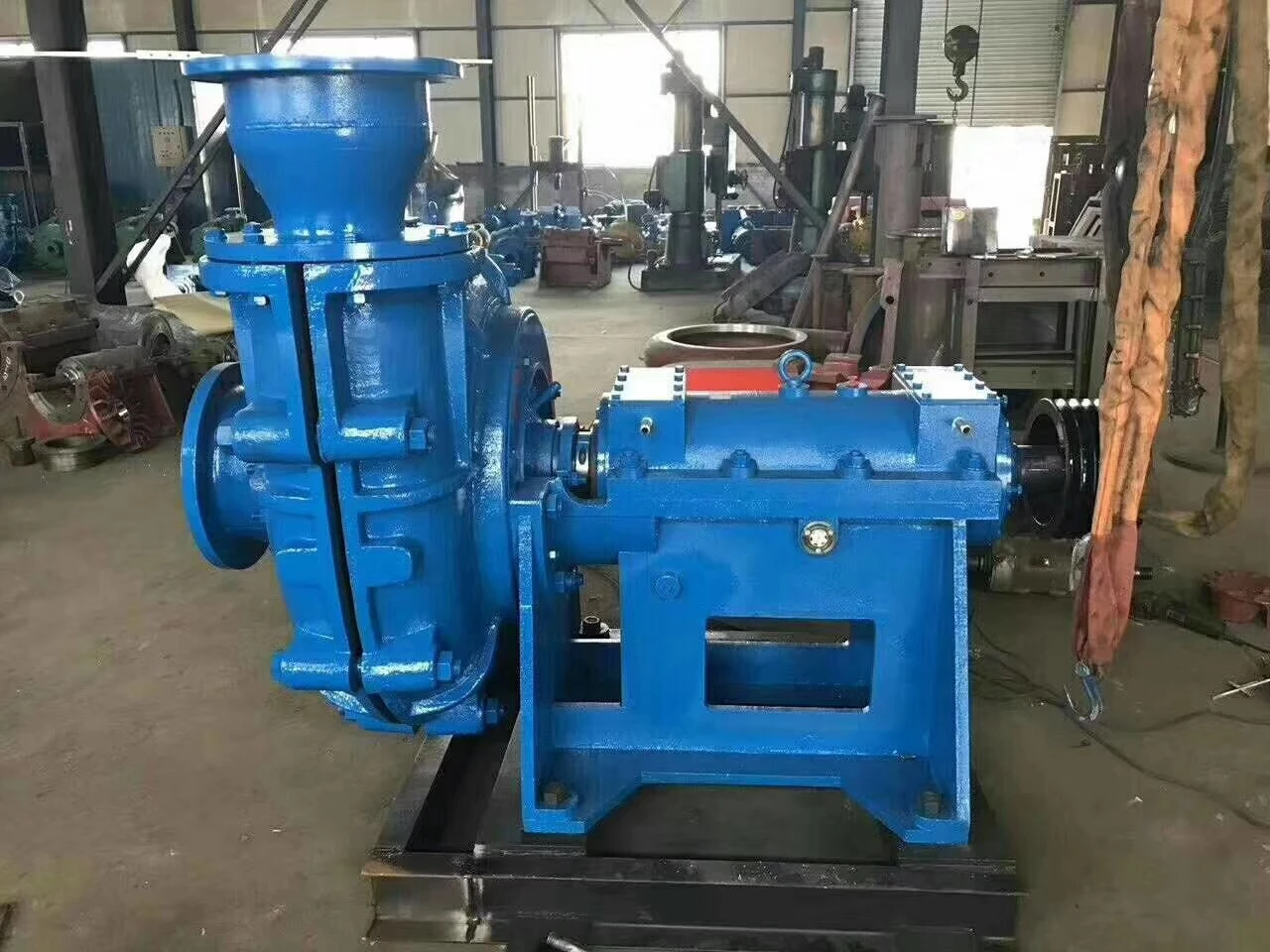
Sewage ejector pumps for basement bathrooms are critical components in residential and commercial plumbing systems where gravity drainage is insufficient. These pumps, often referred to as lift stations, are specifically designed to collect wastewater from fixtures below the sewer line and transfer it to the main sewer system. Their function is predicated on overcoming the elevation differential, preventing backflow, and ensuring sanitary waste disposal. Within the industry chain, these pumps represent a specialized segment of the broader pump market, requiring unique design considerations related to solids handling, corrosion resistance, and automatic operation. Core performance indicators include pumping capacity (gallons per minute – GPM), head (vertical lift in feet), motor horsepower (HP), and solids handling capability (diameter of particles the pump can process). Increasingly, demand is driven by the proliferation of basement bathroom additions and the need for reliable flood prevention in low-lying areas. A significant pain point in the industry is premature pump failure due to inappropriate selection for the application, improper installation, or lack of routine maintenance. Understanding the material science, engineering principles, and failure modes of these pumps is paramount to ensuring long-term, reliable operation.
Material Science & Manufacturing
The construction of sewage ejector pumps involves several key materials chosen for their resistance to corrosive waste and durability. Pump housings are typically manufactured from cast iron (ASTM A48 Class 30) due to its strength, rigidity, and cost-effectiveness. However, in particularly aggressive environments, stainless steel (specifically 316 stainless steel – ASTM A743 Grade CF8M) is used for enhanced corrosion resistance. Impellers, which are subjected to abrasive wear, are commonly made from high-strength polymers like glass-filled polypropylene or epoxy-coated cast iron. Shafts are generally constructed from 4140 alloy steel, heat-treated for increased tensile strength and wear resistance. Seals are a critical component, often utilizing materials like Viton (fluoroelastomer) or EPDM (ethylene propylene diene monomer) rubber, selected for their compatibility with a wide range of chemicals and their ability to maintain a tight seal.
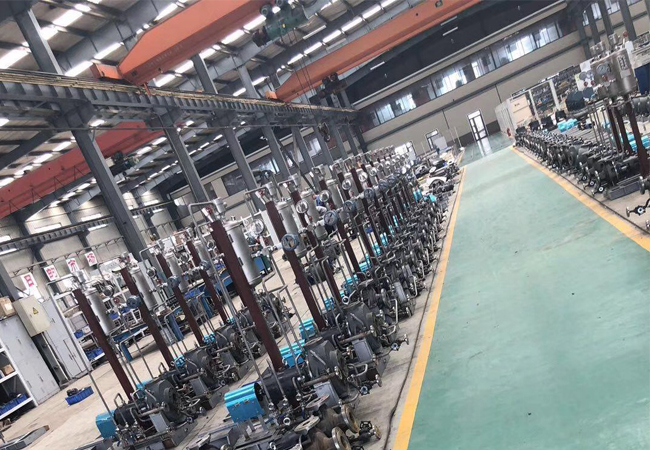
Manufacturing processes involve several stages. Cast iron housings are created using sand casting, followed by machining to precise tolerances. Impellers are typically manufactured using injection molding for polymer components or investment casting for metal impellers. The motor housing is often aluminum die-cast. Assembly involves meticulous fitting of the impeller to the shaft, ensuring proper seal installation, and rigorous quality control checks. Key parameter control during manufacturing includes dimensional accuracy of the impeller and housing, concentricity of the shaft, and the integrity of the seals. Proper epoxy coating application and curing are crucial for cast iron components to prevent corrosion. The welding of seams, if present, must meet AWS D1.1 standards to ensure structural integrity.
Performance & Engineering
The performance of a sewage ejector pump is governed by hydraulic principles and motor characteristics. Force analysis focuses on the torque required to drive the impeller, the head pressure generated, and the dynamic forces acting on the pump components. Pump curves, provided by manufacturers, illustrate the relationship between flow rate and head. Environmental resistance is critical, as these pumps operate in potentially harsh conditions. Factors such as temperature fluctuations, humidity, and exposure to corrosive gases must be considered. The pump’s enclosure must be rated appropriately for the environment (NEMA 4 or higher for wet locations).
Compliance requirements are stringent. Pumps must meet UL 778 standards for safety and performance. In many jurisdictions, pumps must also comply with local plumbing codes regarding backflow prevention and discharge requirements. Functional implementation necessitates a float switch system to automatically activate and deactivate the pump based on liquid level. This system must be redundant to prevent pump burnout or overflow. The pump’s electrical components must be properly grounded and protected by a circuit breaker. The discharge pipe must be adequately sized to prevent flow restrictions and ensure efficient operation, complying with local code requirements for slope and material. Proper venting of the discharge line is essential to prevent air locking. Solids handling capability is directly related to impeller design and pump volute geometry, optimized to minimize clogging and wear.
Technical Specifications
| Parameter | Typical Value (Residential Application) | Typical Value (Commercial Application) | Units |
|---|---|---|---|
| Flow Rate | 40-70 | 75-150 | GPM |
| Total Head | 10-20 | 25-50 | Feet |
| Motor Horsepower | 1/2 - 1 | 1.5 - 3 | HP |
| Solids Handling | 2 | 3 | Inches |
| Discharge Pipe Size | 1.5 - 2 | 2 - 4 | Inches |
| Voltage | 115/230 | 230/460 | Volts |
Failure Mode & Maintenance
Sewage ejector pumps are susceptible to several failure modes. Fatigue cracking in the impeller, often due to repeated stress from solids impact, is a common issue. Delamination of epoxy coatings on cast iron components can lead to corrosion. Bearing failure, stemming from lack of lubrication or overload, can cause pump seizure. Seal failure, resulting from chemical attack or wear, leads to leakage and reduced pumping efficiency. Oxidation of electrical components, particularly in humid environments, can cause motor failure. Clogging from excessive solids or debris is a frequent cause of pump malfunction, leading to overheating and potential burnout.
Preventative maintenance is crucial. Regular inspection of the impeller for wear and damage is essential. Periodic lubrication of bearings, as per manufacturer recommendations, extends pump life. Checking the float switch for proper operation ensures automatic control. Regularly flushing the pump basin removes accumulated solids. Inspecting and replacing seals proactively prevents leakage. Monitoring the motor’s amperage draw can indicate potential overload or winding issues. Annual professional inspection and servicing, including a full pump disassembly and inspection, is recommended. If the pump frequently cycles on and off, it may indicate a leak in the check valve, which needs replacement. Avoiding the introduction of non-biodegradable materials into the system minimizes clogging.
Industry FAQ
Q: What is the optimal horsepower for a basement bathroom ejector pump serving a standard three-piece bathroom (toilet, sink, shower)?
A: For a standard three-piece basement bathroom, a 1/2 to 1 horsepower pump is typically sufficient. The key consideration is the distance (head) and elevation difference between the bathroom and the sewer line. Greater distances and higher elevations necessitate a higher horsepower pump to overcome the increased frictional losses and gravitational forces. A professional assessment is recommended to determine the optimal size.
Q: How often should the check valve be inspected and replaced?
A: The check valve should be inspected annually as part of routine maintenance. Signs of wear, such as leakage or slow closing, indicate the need for replacement. A malfunctioning check valve causes backflow, leading to pump cycling and potential premature failure.
Q: What type of alarm system is recommended for a sewage ejector pump installation?
A: A high-level alarm system, triggered by a second independent float switch set slightly above the pump activation level, is highly recommended. This alarm provides early warning of pump failure or excessive inflow, preventing potential flooding. Some systems also include a notification feature that can alert homeowners remotely via mobile app.
Q: What are the advantages of a cast iron pump housing versus a thermoplastic housing?
A: Cast iron housings offer superior durability and resistance to impact damage. They are also inherently heavier, providing stability during operation. Thermoplastic housings are lighter and corrosion resistant, making them suitable for less demanding applications. However, they are more susceptible to cracking under stress. The choice depends on the severity of the environment and the expected service life.
Q: What is the best method for preventing clogging in the pump and discharge line?
A: Preventing the introduction of non-biodegradable materials (wipes, feminine hygiene products, etc.) is the most effective method. Regular flushing of the pump basin removes accumulated solids. Ensure the discharge pipe is adequately sized and free of sharp bends that can trap debris. Consider installing a strainer or filter upstream of the pump to capture larger objects.
Conclusion
Sewage ejector pumps for basement bathrooms are complex electromechanical systems requiring careful consideration of material science, hydraulic engineering, and operational factors. Selecting the appropriately sized pump for the specific application, ensuring proper installation according to local codes, and implementing a rigorous preventative maintenance schedule are critical to maximizing performance and extending service life. Ignoring these aspects often results in premature failure and costly repairs.
Future trends in sewage ejector pump technology include the development of more energy-efficient motors, smarter control systems with remote monitoring capabilities, and advanced impeller designs for improved solids handling. The integration of IoT sensors for predictive maintenance will further enhance reliability and reduce downtime. Continued research into corrosion-resistant materials and improved seal technologies will also contribute to the longevity and overall performance of these essential plumbing components.
-
sump pump for septic systems Material Science Manufacturing
News2026-05-20
-
sump pump and ejector pump Material Science Manufacturing
News2026-05-20
-
sewage treatment plant pumps Performance Analysis
News2026-05-20
-
sewage tank pump Material Science and Manufacturing
News2026-05-20
-
sewage pump for septic tank Performance Analysis
News2026-05-20
-
Sewage Pump and Tank Performance Analysis
News2026-05-19
-
Sewage Ejector Pump Replacement Performance Analysis
News2026-05-19
-
sewage ejector pump for basement bathroom Material Science Manufacturing
News2026-05-19
-
sewage ejection pump Material Science and Manufacturing
News2026-05-19
-
in line sewage pump Performance Analysis
News2026-05-19
-
effluent sump pump Performance Analysis
News2026-05-18
-
best grinder pump for sewage Performance Engineering
News2026-05-18
-
basement waste water pump Performance Engineering
News2026-05-18
-
sump pump sewer Performance Analysis
News2026-05-18
-
sump pump for sewer Performance Analysis
News2026-05-18




