English
- Afrikaans
- Albanian
- Amharic
- Arabic
- Armenian
- Azerbaijani
- Basque
- Belarusian
- Bengali
- Bosnian
- Bulgarian
- Catalan
- Cebuano
- Corsican
- Croatian
- Czech
- Danish
- Dutch
- English
- Esperanto
- Estonian
- Finnish
- French
- Frisian
- Galician
- Georgian
- German
- Greek
- Gujarati
- Haitian Creole
- hausa
- hawaiian
- Hebrew
- Hindi
- Miao
- Hungarian
- Icelandic
- igbo
- Indonesian
- irish
- Italian
- Japanese
- Javanese
- Kannada
- kazakh
- Khmer
- Rwandese
- Korean
- Kurdish
- Kyrgyz
- Lao
- Latin
- Latvian
- Lithuanian
- Luxembourgish
- Macedonian
- Malgashi
- Malay
- Malayalam
- Maltese
- Maori
- Marathi
- Mongolian
- Myanmar
- Nepali
- Norwegian
- Norwegian
- Occitan
- Pashto
- Persian
- Polish
- Portuguese
- Punjabi
- Romanian
- Russian
- Samoan
- Scottish Gaelic
- Serbian
- Sesotho
- Shona
- Sindhi
- Sinhala
- Slovak
- Slovenian
- Somali
- Spanish
- Sundanese
- Swahili
- Swedish
- Tagalog
- Tajik
- Tamil
- Tatar
- Telugu
- Thai
- Turkish
- Turkmen
- Ukrainian
- Urdu
- Uighur
- Uzbek
- Vietnamese
- Welsh
- Bantu
- Yiddish
- Yoruba
- Zulu

Telephone: +86 13120555503
Email: frank@cypump.com


Apr . 01, 2024 17:55 Back to list
Sewage Ejector Material Science and Manufacturing
Introduction
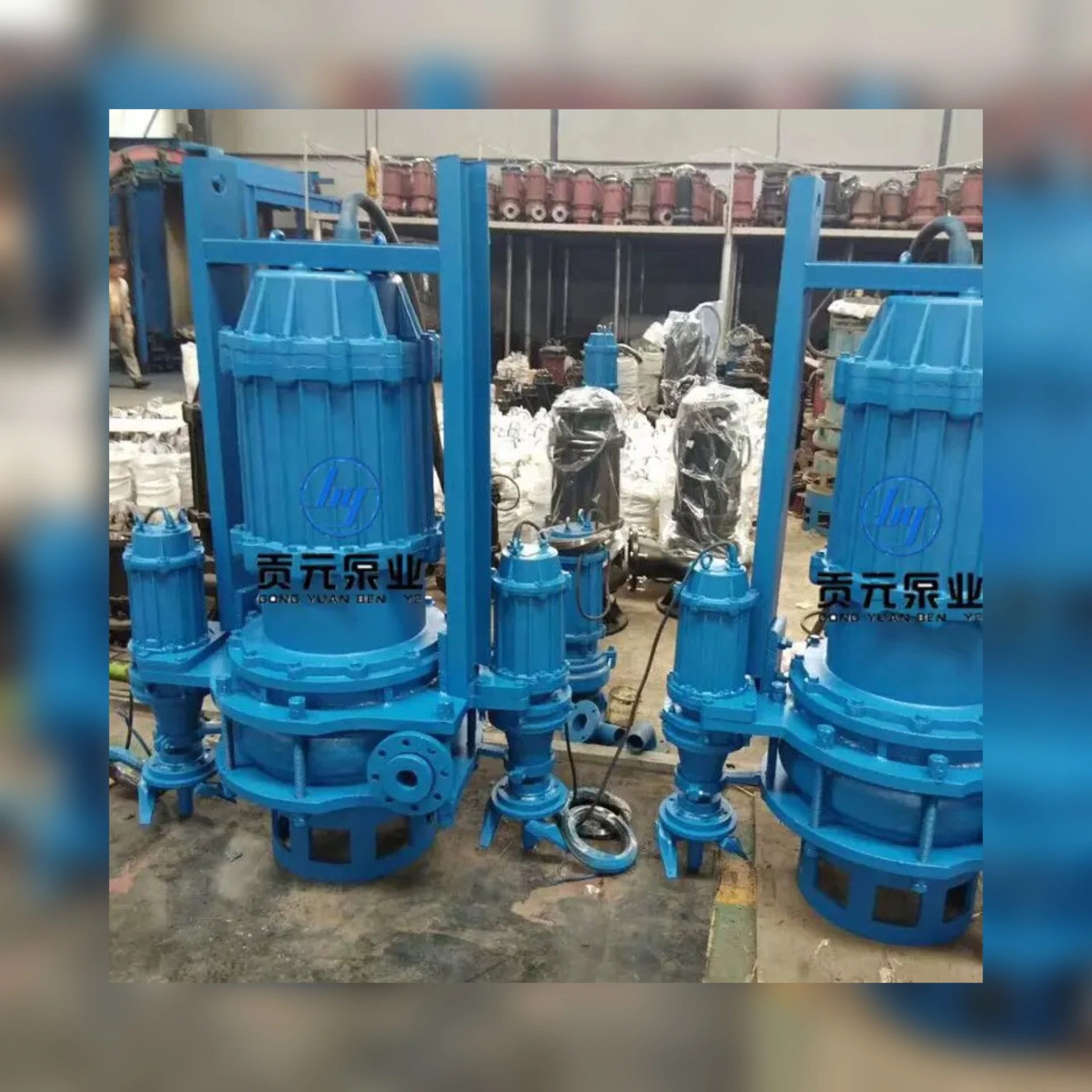
Sewage ejectors are engineered solutions for the relocation of wastewater from areas situated below the municipal sewer line. Functionally, they act as submersible pumps housed within a sealed basin, utilizing mechanical and electrical components to overcome gravity and transfer effluent to the main sewer system. This is critical for basements, low-lying properties, and areas where natural drainage is insufficient. The core performance characteristic of a sewage ejector is its ability to handle solids without clogging, differentiating it from simpler sump pumps. A key industry pain point is consistent reliability and resistance to the corrosive nature of sewage, leading to demand for robust materials and advanced pump designs. Proper sizing and control systems are also paramount to avoid system overload and premature failure. Ejectors are commonly found in residential, commercial, and light industrial applications, representing a significant component of decentralized wastewater management.
Material Science & Manufacturing
The primary material for sewage ejector basins is typically high-density polyethylene (HDPE) or polypropylene (PP), chosen for their chemical resistance, impact strength, and cost-effectiveness. HDPE exhibits excellent resistance to acids, alkalis, and solvents commonly found in sewage. The pump itself is generally constructed from cast iron (ASTM A48 Class 30) for its durability and weight, though stainless steel (304 or 316) is increasingly used for enhanced corrosion resistance, particularly in aggressive environments. Impellers can be made from reinforced thermoplastic or stainless steel, dictating wear resistance and solids handling capabilities. Shaft seals are a crucial element, often employing Viton or EPDM rubber for resistance to sewage’s chemical composition and abrasion. Manufacturing involves rotational molding for the basin, creating a seamless, watertight structure. Pump construction employs investment casting or sand casting for the housing, followed by machining for precise tolerances. Impeller blades are often manufactured using investment casting or forging, followed by balancing to minimize vibration. Key parameter control during manufacturing centers on weld integrity (for steel components), material thickness consistency (for HDPE/PP basins), and dynamic balancing of rotating components to prevent premature bearing failure. The proper selection of elastomers for seals and diaphragms is critical, with degradation rates heavily influenced by temperature and chemical exposure.
Performance & Engineering
The performance of a sewage ejector is governed by hydraulic engineering principles, specifically Bernoulli’s equation and the principles of fluid dynamics. Force analysis focuses on the pump’s torque requirements to overcome the hydrostatic head (vertical distance between the ejector and the sewer line), friction losses in the discharge piping, and the kinetic energy of the fluid. Environmental resistance is paramount; ejectors must withstand constant exposure to moisture, corrosive gases (hydrogen sulfide, methane), and fluctuating temperatures. Compliance requirements include National Electrical Code (NEC) for electrical safety, and local plumbing codes dictating basin size and discharge piping specifications. Functional implementation relies on a float switch system (mechanical or electronic) to automatically activate the pump when the liquid level reaches a predetermined threshold, and to deactivate it when the liquid level drops sufficiently. Pump curves (head vs. flow rate) are critical for selecting the correct pump size for a given application. Cavitation, a common failure mode, is addressed through proper pump selection and ensuring adequate inlet pressure. The impeller design directly impacts solids handling capability, with recessed or vortex impellers preferred for handling stringy materials and larger solids without clogging. Vibration analysis is crucial during commissioning to identify potential mechanical imbalances and prevent premature wear.
Technical Specifications
| Pump Flow Rate (GPM) | Total Dynamic Head (ft) | Motor Horsepower (HP) | Solids Handling Capacity (in) |
|---|---|---|---|
| 40-60 | 20-30 | 1/2 | 2 |
| 60-80 | 30-40 | 3/4 | 2.5 |
| 80-120 | 40-50 | 1 | 3 |
| 120-180 | 50-60 | 1.5 | 3.5 |
| 180-250 | 60-70 | 2 | 4 |
| 250-350 | 70-80 | 3 | 4.5 |
Failure Mode & Maintenance
Common failure modes for sewage ejectors include impeller clogging (leading to reduced flow and motor overload), seal failure (resulting in leakage and potential motor damage), motor burnout (caused by overheating or electrical faults), and float switch malfunction (preventing automatic operation). Fatigue cracking in the cast iron pump housing can occur over time due to cyclical loading and corrosion. Delamination of the HDPE/PP basin can occur due to UV exposure and temperature fluctuations. Degradation of rubber components (seals, diaphragms) is accelerated by exposure to chemicals and abrasion. Oxidation of metal components can lead to corrosion and reduced performance. Preventative maintenance includes regular inspection of the basin for cracks or leaks, cleaning the impeller and intake screen to remove debris, lubricating motor bearings, and testing the float switch system. Seal replacement should be performed periodically based on operating conditions and manufacturer recommendations. Electrical connections should be inspected for corrosion and tightness. In the event of a motor burnout, a thorough electrical assessment is required to identify the root cause and prevent recurrence. Regular monitoring of pump runtime and amperage draw can provide early warning signs of potential issues.
Industry FAQ
Q: What is the impact of solids size on ejector pump selection?
A: Solids size directly influences impeller type. Standard impellers are suitable for typical sewage with minimal solids. However, if the wastewater contains significant rags, wipes, or other large debris, a recessed or vortex impeller is essential to prevent clogging. The specifications sheet will explicitly state the maximum solids handling capacity in inches.
Q: How does the discharge pipe material affect system performance?
A: PVC is commonly used for discharge piping, but its temperature limitations must be considered. For longer runs or warmer effluent, CPVC or ductile iron may be necessary to prevent deformation or failure. Proper pipe sizing is crucial to minimize friction losses and maintain adequate flow rates. Insufficient pipe diameter will significantly reduce performance.
Q: What are the key considerations for electrical grounding and safety?
A: Electrical grounding is paramount to prevent electric shock hazards. All metal components must be properly grounded in accordance with the NEC. A ground fault circuit interrupter (GFCI) is required to protect against ground faults. Proper wiring practices and adherence to local electrical codes are essential.
Q: How often should the ejector basin be inspected for leaks and structural integrity?
A: The basin should be visually inspected at least annually, or more frequently in corrosive environments. Pay close attention to weld seams, fittings, and areas prone to stress. Any cracks or leaks should be addressed immediately to prevent wastewater contamination and structural failure. A pressure test can be conducted to verify basin integrity.
Q: What maintenance steps can minimize odor issues associated with sewage ejectors?
A: Regular cleaning of the basin and discharge piping can reduce the buildup of organic matter that contributes to odor. Ensuring a tight seal on the basin lid is crucial to prevent the escape of gases. Ventilation of the ejector pit can also help dissipate odors. Bio-enzymatic treatments can be used to break down organic waste and reduce odor-causing compounds.
Conclusion
Sewage ejectors represent a vital component of wastewater management systems, particularly in scenarios where gravity drainage is insufficient. Their effective operation hinges on careful material selection, precise manufacturing processes, and diligent maintenance. The industry’s continued focus on durability, corrosion resistance, and reliable performance drives innovation in pump designs and basin materials. Understanding the interplay between hydraulic engineering principles, material science, and relevant compliance standards is paramount for selecting and maintaining an ejector system that meets specific application requirements.
Future developments will likely concentrate on intelligent control systems that optimize pump runtime and energy consumption, and the incorporation of remote monitoring capabilities for predictive maintenance. The adoption of advanced materials, such as reinforced polymers and corrosion-resistant alloys, will further enhance the longevity and reliability of these critical wastewater management assets. A holistic approach, encompassing proper design, installation, and maintenance, is essential to ensure long-term system performance and minimize environmental impact.
-
Comprehensive Guide to Waterproof ORings for Optimal Sealing Solutions
News2026-06-09
-
Septic Pump Replacement Performance Analysis
News2026-06-10
-
Septic Pump Price Performance Analysis
News2026-06-10
-
pumps for septic systems Material Science Manufacturing
News2026-06-10
-
ejector pumps for basement bathrooms Performance Analysis
News2026-06-10
-
Ejector Pump Cost Analysis
News2026-06-10
-
drainage pumps Performance and Engineering
News2026-06-09
-
basement bathroom ejector pump Material Science
News2026-06-09
-
Sewer Ejector Pump Cost Performance Analysis
News2026-06-09
-
Septic Tank Pump Replacement Performance Analysis
News2026-06-09
-
septic sump pump Performance and Engineering
News2026-06-09
-
Septic Pump System Performance Analysis
News2026-06-08
-
pump for septic Material Science
News2026-06-08
-
basement sewer pump Performance Analysis
News2026-06-08
-
submerged pump Performance Engineering
News2026-06-08




