English
- Afrikaans
- Albanian
- Amharic
- Arabic
- Armenian
- Azerbaijani
- Basque
- Belarusian
- Bengali
- Bosnian
- Bulgarian
- Catalan
- Cebuano
- Corsican
- Croatian
- Czech
- Danish
- Dutch
- English
- Esperanto
- Estonian
- Finnish
- French
- Frisian
- Galician
- Georgian
- German
- Greek
- Gujarati
- Haitian Creole
- hausa
- hawaiian
- Hebrew
- Hindi
- Miao
- Hungarian
- Icelandic
- igbo
- Indonesian
- irish
- Italian
- Japanese
- Javanese
- Kannada
- kazakh
- Khmer
- Rwandese
- Korean
- Kurdish
- Kyrgyz
- Lao
- Latin
- Latvian
- Lithuanian
- Luxembourgish
- Macedonian
- Malgashi
- Malay
- Malayalam
- Maltese
- Maori
- Marathi
- Mongolian
- Myanmar
- Nepali
- Norwegian
- Norwegian
- Occitan
- Pashto
- Persian
- Polish
- Portuguese
- Punjabi
- Romanian
- Russian
- Samoan
- Scottish Gaelic
- Serbian
- Sesotho
- Shona
- Sindhi
- Sinhala
- Slovak
- Slovenian
- Somali
- Spanish
- Sundanese
- Swahili
- Swedish
- Tagalog
- Tajik
- Tamil
- Tatar
- Telugu
- Thai
- Turkish
- Turkmen
- Ukrainian
- Urdu
- Uighur
- Uzbek
- Vietnamese
- Welsh
- Bantu
- Yiddish
- Yoruba
- Zulu

Telephone: +86 13120555503
Email: frank@cypump.com


Apr . 01, 2024 17:55 Back to list
Sewage Ejection System Material Science and Manufacturing
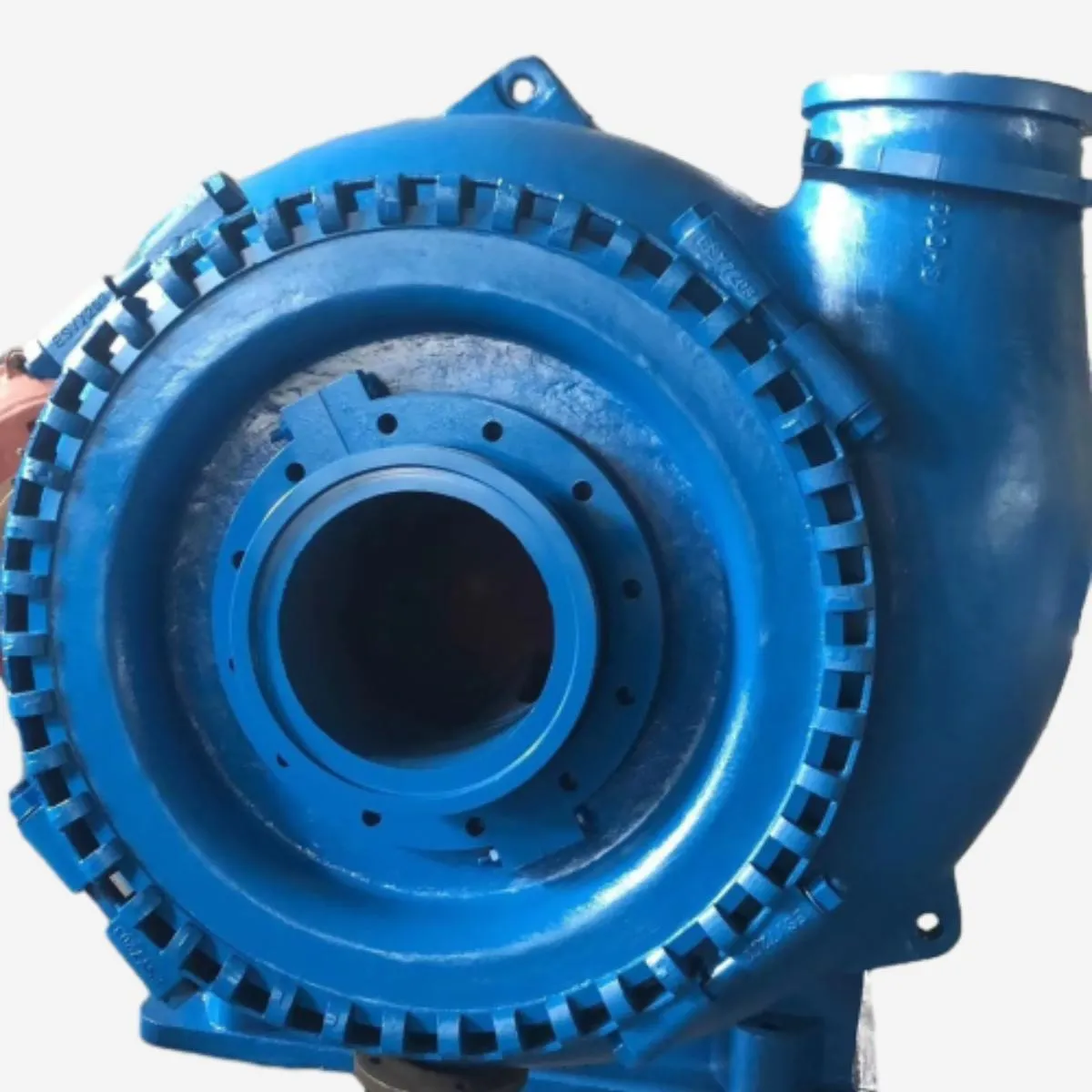
Introduction
Sewage ejection systems are engineered solutions designed to relocate wastewater from areas below the municipal sewer line to a point where gravity flow can resume. These systems are critical infrastructure components in residential, commercial, and industrial buildings, particularly those with basements or low-lying plumbing fixtures. The primary function is to overcome elevation differences, preventing sewage backups and ensuring proper sanitation. Technically, a sewage ejection system comprises a basin, a submersible pump, check valves, discharge piping, and a control system. Its performance is defined by pumping capacity (gallons per minute – GPM), head pressure (feet), solids handling capability, and alarm system reliability. Core to their industrial application is the mitigation of costly downtime associated with flooding and associated environmental remediation. Failure to maintain adequate sewage handling can result in significant financial losses, regulatory fines, and health hazards. These systems are positioned within the larger wastewater management chain, interfacing with municipal sewer infrastructure and building plumbing systems.
Material Science & Manufacturing
The construction of a sewage ejection system relies heavily on materials resistant to corrosive waste products and capable of withstanding continuous submersion. Basins are typically manufactured from High-Density Polyethylene (HDPE) – chosen for its chemical resistance, impact strength, and cost-effectiveness. HDPE exhibits a density between 0.941 to 0.965 g/cm³, and a tensile strength ranging from 8 to 12 MPa. Alternative basin materials include polypropylene (PP) and fiberglass-reinforced plastic (FRP). Pumps are predominantly constructed from cast iron (ASTM A48 Class 30) with epoxy or powder coat finishes to prevent corrosion. Impellers are often made from stainless steel (304 or 316) for enhanced wear resistance. The selection of elastomers (seals, gaskets) is crucial; EPDM (Ethylene Propylene Diene Monomer) rubber is commonly used due to its excellent resistance to sewage components, temperature stability (-40°C to 150°C), and aging characteristics. Manufacturing processes involve rotational molding for basins, investment casting for pump housings, and CNC machining for impellers. Critical parameter control during HDPE rotational molding includes mold temperature (60-80°C), rotation speed (40-60 RPM), and cooling rate to ensure uniform wall thickness and prevent warping. Pump assembly necessitates precise alignment of the impeller and motor shaft to minimize vibration and maximize efficiency. Welding processes, specifically polyethylene welding, are used for joining basin components and require stringent quality control to prevent leaks. The control systems frequently utilize encapsulated electronic components and are sealed to IP68 standards to withstand prolonged submersion.
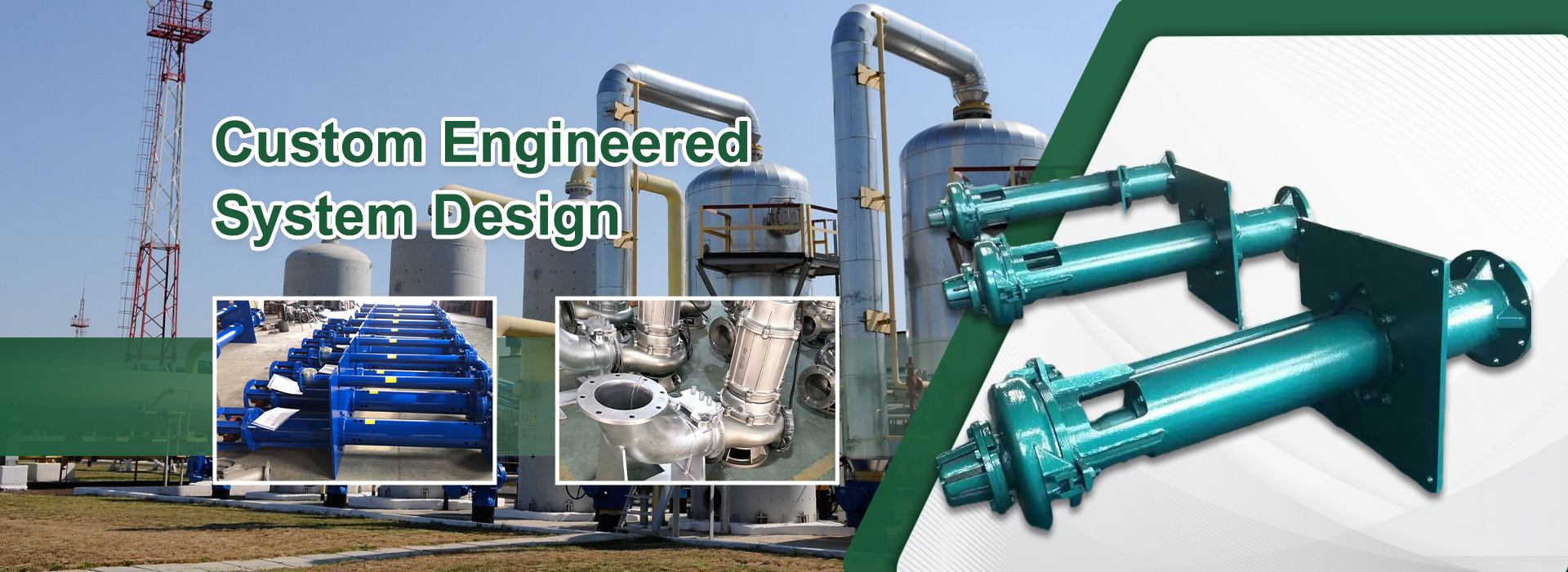
Performance & Engineering
Performance of sewage ejection systems is fundamentally governed by fluid dynamics and pump characteristics. Bernoulli's principle dictates the relationship between fluid velocity, pressure, and elevation; the system must generate sufficient head pressure to overcome the static lift and frictional losses within the discharge piping. Force analysis considers the weight of the sewage, the pump's centrifugal force, and the resistance to flow. Environmental resistance is a critical factor, with systems needing to operate reliably in potentially corrosive atmospheres and fluctuating temperatures. The pump motor must be thermally protected to prevent overheating, and the entire system must be designed to withstand hydrostatic pressure. Compliance with local plumbing codes and environmental regulations (EPA guidelines in the US) is paramount. Functional implementation involves a float switch mechanism to automatically activate the pump when the liquid level reaches a predetermined threshold and deactivate it when the basin is sufficiently emptied. Check valves prevent backflow, minimizing the risk of siphoning and maintaining prime. System sizing is based on peak flow rates, the volume of the basin, and the vertical lift. Proper venting is crucial to prevent vacuum formation, ensuring efficient pump operation. The choice of pump type (centrifugal, vortex, or grinder) is dependent on the anticipated solids content of the wastewater. A vortex pump is frequently preferred when handling significant solids, as it reduces the risk of clogging, though at a slightly reduced efficiency. Electrical safety, specifically grounding and GFCI protection, is critical to prevent electrical shock hazards.
Technical Specifications
| Parameter | Unit | Typical Range | Testing Standard |
|---|---|---|---|
| Basin Capacity | Gallons | 20-100 | ASTM D1928 (Volume Determination) |
| Pump Flow Rate | GPM | 40-150 | ANSI/HI 1.1 (Centrifugal Pump Testing) |
| Maximum Head | Feet | 10-50 | ANSI/HI 1.1 |
| Motor Horsepower | HP | 1/2 - 3 | NEMA MG 1 (Motors and Generators) |
| Solids Handling Capacity | Inches | Up to 2 | Manufacturer's Specifications |
| Discharge Pipe Diameter | Inches | 2-4 | Local Plumbing Codes |
Failure Mode & Maintenance
Sewage ejection systems are susceptible to several failure modes. Fatigue cracking of the pump housing or impeller can occur due to continuous stress and vibration. Corrosion, particularly pitting corrosion in cast iron components, can lead to leaks and pump failure. Delamination of epoxy coatings can accelerate corrosion. Seal failure, often caused by abrasive particles or chemical degradation of the EPDM rubber, results in leakage around the pump shaft. Clogging is a common issue, particularly with systems that handle excessive solids; this can overload the motor and cause it to burn out. Electrical failures, including motor winding shorts and control system malfunctions, are also frequent. Oxidation of electrical connections can lead to intermittent operation. Preventive maintenance is crucial. This includes regular inspection of the basin for cracks or leaks, cleaning of the basin to remove debris, and lubrication of pump bearings. The check valve should be inspected for proper operation and replaced if necessary. The float switch should be tested for accurate level sensing. Electrical connections should be inspected for corrosion and tightened as needed. Annual pump servicing, including impeller inspection and seal replacement, is recommended. A log of maintenance activities should be maintained to track system performance and identify potential problems. In the event of pump failure, a thorough failure analysis should be conducted to determine the root cause and prevent recurrence.
Industry FAQ
Q: What is the optimal basin material when handling highly acidic or alkaline wastewater?
A: For highly acidic or alkaline wastewater, HDPE is generally preferred due to its superior chemical resistance compared to polypropylene or fiberglass. However, specific chemical compatibility charts should be consulted to ensure long-term material integrity. Consider using a specialized HDPE grade formulated for enhanced chemical resistance if the wastewater contains particularly aggressive compounds.
Q: How does impeller design impact the system’s ability to handle solids?
A: Vortex impellers are specifically designed to handle solids by creating a swirling motion that draws solids into the center of the pump without macerating them. This reduces the risk of clogging but typically results in lower overall efficiency compared to centrifugal impellers. Centrifugal impellers are more efficient but require a strainer or grinder pump upstream to prevent clogging.
Q: What are the key considerations when selecting a pump motor for a sewage ejection system?
A: The motor should be appropriately sized for the required flow rate and head pressure. It must also be designed for submersible operation and be thermally protected to prevent overheating. Considerations include the motor's efficiency, starting torque, and the type of enclosure (e.g., totally enclosed fan-cooled -TEFC).
Q: What are the implications of improper check valve installation or maintenance?
A: Improper check valve installation or failure can lead to backflow, potentially causing sewage to overflow into the basin or back into the building's plumbing system. This can create unsanitary conditions, damage equipment, and require costly cleanup. Regular inspection and maintenance are crucial to ensure proper valve operation.
Q: How frequently should the alarm system be tested, and what procedures should be followed?
A: The alarm system should be tested monthly. The testing procedure should involve simulating a high-level condition in the basin to verify that the alarm activates correctly and that the notification system (e.g., audible alarm, remote monitoring) functions as intended. Record the test results in a maintenance log.
Conclusion
Sewage ejection systems represent a critical component of modern sanitation infrastructure, enabling effective wastewater management in challenging architectural scenarios. The selection and implementation of these systems necessitate a thorough understanding of material science, fluid dynamics, and relevant industry standards. The durability and longevity of these systems are intrinsically linked to the quality of materials, precision manufacturing processes, and diligent preventative maintenance practices.
Future advancements will likely focus on improved pump efficiency, smart control systems with remote monitoring capabilities, and the integration of predictive maintenance algorithms to minimize downtime and optimize performance. A continued emphasis on robust materials and corrosion resistance will be paramount, particularly in environments with aggressive wastewater compositions. Ultimately, a proactive and informed approach to sewage ejection system management is vital for ensuring reliable operation, protecting public health, and minimizing environmental impact.
-
Sewage Pump Company Performance and Engineering
News2026-05-24
-
sewage pump 1/2 hp Performance Analysis
News2026-05-24
-
Sewage Ejector Systems Performance Analysis
News2026-05-24
-
Sewage Ejection System Material Science and Manufacturing
News2026-05-24
-
sewage and effluent pumps Performance Engineering
News2026-05-24
-
pump for sewage water Performance Analysis
News2026-05-23
-
plumbing sewage ejector pump Performance Engineering
News2026-05-23
-
home sewer pump station Performance and Engineering
News2026-05-23
-
high pressure sump pump Performance Analysis
News2026-05-23
-
high head effluent pump Performance Analysis
News2026-05-23
-
Effluent vs Sump Pump Performance Analysis
News2026-05-22
-
effluent septic pump Performance Engineering
News2026-05-22
-
best sewer pumps Performance Engineering
News2026-05-22
-
best sewer pump Performance Analysis
News2026-05-22
-
best sewage pumps Performance Engineering
News2026-05-22




