English
- Afrikaans
- Albanian
- Amharic
- Arabic
- Armenian
- Azerbaijani
- Basque
- Belarusian
- Bengali
- Bosnian
- Bulgarian
- Catalan
- Cebuano
- Corsican
- Croatian
- Czech
- Danish
- Dutch
- English
- Esperanto
- Estonian
- Finnish
- French
- Frisian
- Galician
- Georgian
- German
- Greek
- Gujarati
- Haitian Creole
- hausa
- hawaiian
- Hebrew
- Hindi
- Miao
- Hungarian
- Icelandic
- igbo
- Indonesian
- irish
- Italian
- Japanese
- Javanese
- Kannada
- kazakh
- Khmer
- Rwandese
- Korean
- Kurdish
- Kyrgyz
- Lao
- Latin
- Latvian
- Lithuanian
- Luxembourgish
- Macedonian
- Malgashi
- Malay
- Malayalam
- Maltese
- Maori
- Marathi
- Mongolian
- Myanmar
- Nepali
- Norwegian
- Norwegian
- Occitan
- Pashto
- Persian
- Polish
- Portuguese
- Punjabi
- Romanian
- Russian
- Samoan
- Scottish Gaelic
- Serbian
- Sesotho
- Shona
- Sindhi
- Sinhala
- Slovak
- Slovenian
- Somali
- Spanish
- Sundanese
- Swahili
- Swedish
- Tagalog
- Tajik
- Tamil
- Tatar
- Telugu
- Thai
- Turkish
- Turkmen
- Ukrainian
- Urdu
- Uighur
- Uzbek
- Vietnamese
- Welsh
- Bantu
- Yiddish
- Yoruba
- Zulu

Telephone: +86 13120555503
Email: frank@cypump.com


Apr . 01, 2024 17:55 Back to list
sewage ejection pump Material Science and Manufacturing
Introduction
Sewage ejection pumps are specialized submersible pumps designed to transfer wastewater from locations below the municipal sewer line or where gravity drainage is insufficient. These pumps are critical components in residential, commercial, and industrial wastewater management systems, preventing backups and ensuring efficient sewage disposal. Their technical position within the wastewater treatment chain is as the initial lift station, moving effluent to a point where gravity or further pumping can facilitate its journey to a treatment facility. Core performance characteristics are defined by flow rate (gallons per minute or liters per second), head (vertical distance the pump can lift the fluid), solids handling capability (diameter and concentration), and motor horsepower. A key industry pain point revolves around pump failure due to abrasive solids, corrosion from aggressive wastewater components, and the overall reliability and longevity of the pump’s electrical and mechanical systems. Proper selection, installation, and maintenance are paramount to mitigate these issues.
Material Science & Manufacturing
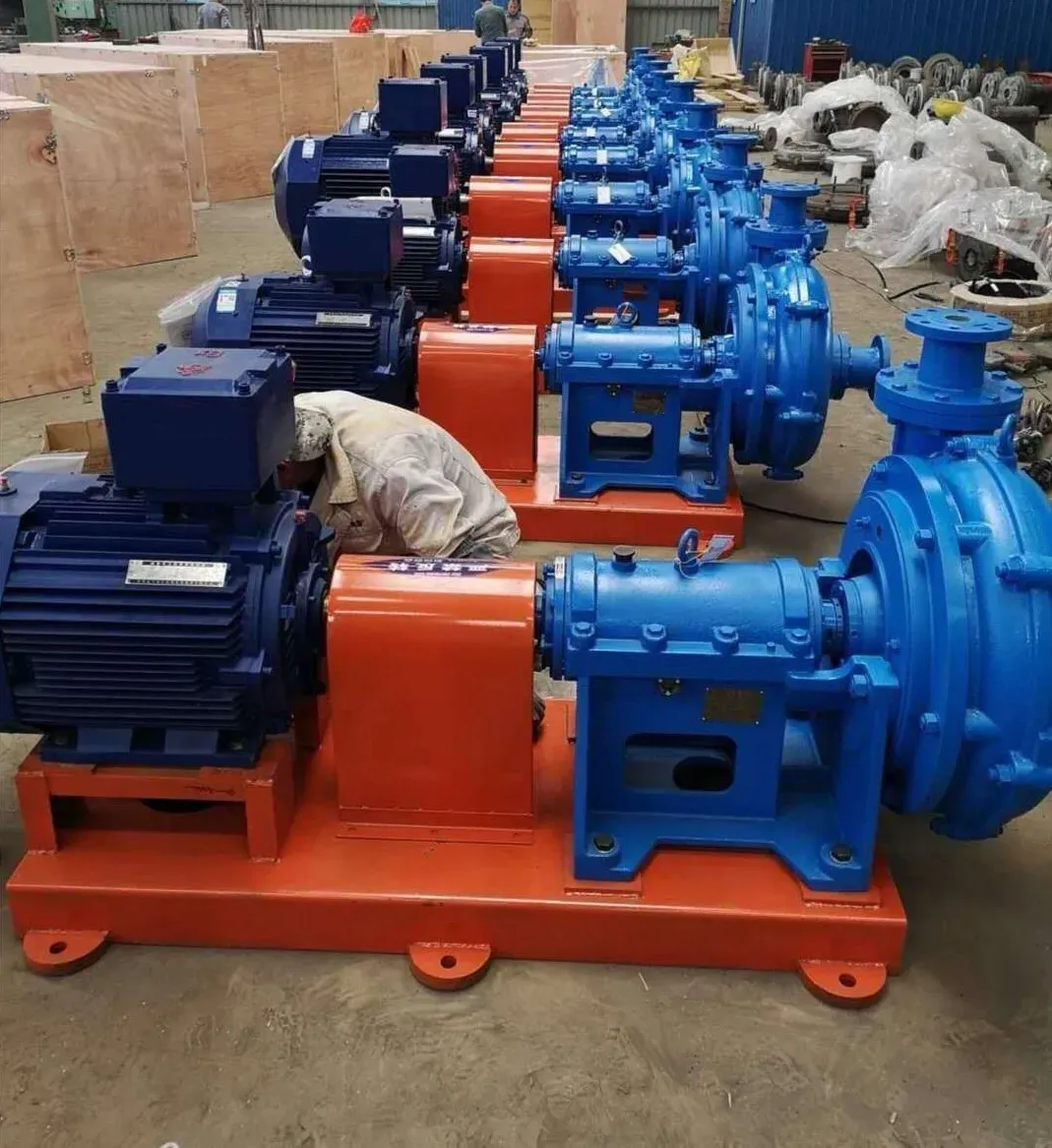
The construction of sewage ejection pumps necessitates careful material selection to withstand the corrosive and abrasive nature of wastewater. Pump housings are commonly manufactured from cast iron (ASTM A48 Class 30), ductile iron (ASTM A536-89), or high-density polyethylene (HDPE). Cast iron offers cost-effectiveness and good wear resistance, but is susceptible to corrosion. Ductile iron provides superior strength and impact resistance, and is often coated with epoxy or other protective coatings to enhance corrosion resistance. HDPE is a lightweight, corrosion-resistant plastic increasingly used in pump construction, particularly for smaller capacity pumps. Impellers are frequently made from stainless steel (304 or 316) or engineered polymers like Polypropylene. Shafts are typically constructed from 4140 alloy steel, heat-treated and often chrome-plated for wear and corrosion resistance. Seals are usually comprised of silicon carbide or tungsten carbide mechanical seals, selected for their abrasion resistance and compatibility with various wastewater chemistries. Manufacturing processes involve sand casting for iron housings, rotational molding for HDPE bodies, and precision machining for impellers and shafts. Key parameter control during manufacturing includes dimensional accuracy of impeller blades (to maintain hydraulic efficiency), concentricity of the shaft (to minimize vibration), and the quality of the sealing surfaces (to prevent leaks). Welding processes, when used (e.g., for mounting brackets), must adhere to AWS D1.1 standards for structural welding.
Performance & Engineering
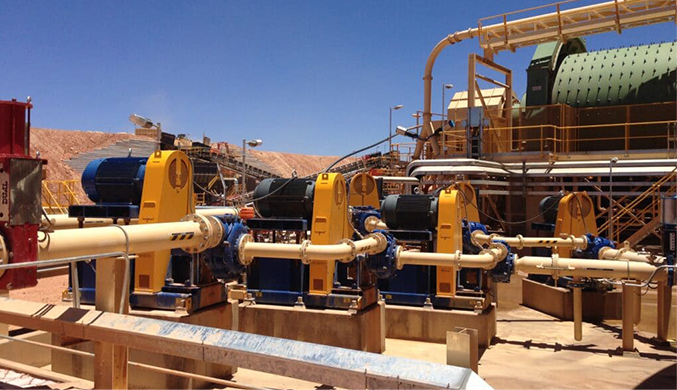
The performance of a sewage ejection pump is governed by a complex interplay of hydraulic and mechanical engineering principles. Force analysis focuses on the radial and axial loads imposed on the impeller and shaft due to fluid flow and solids impact. These forces dictate the bearing selection (typically ball or roller bearings lubricated with grease resistant to water washout) and shaft design to prevent deflection and fatigue failure. Environmental resistance is critical; pumps must withstand continuous submersion in wastewater, fluctuating temperatures, and potential exposure to chemicals. The pump's motor must be fully encapsulated and designed for continuous duty in a wet environment (typically Class H insulation). Compliance requirements vary by region but often include UL/CSA certification for electrical safety, and adherence to NSF/ANSI Standard 61 for materials safety in contact with potable water (even in wastewater systems). Functional implementation involves designing the pump curve (head vs. flow rate) to match the specific application requirements. Proper sizing is crucial; an undersized pump will struggle to maintain flow, while an oversized pump will cycle frequently, reducing its lifespan. Vortex impellers are often preferred for handling solids without clogging, while chopper pumps can macerate solids for smoother flow. Discharge pipe sizing and check valve selection also play significant roles in system performance.
Technical Specifications
| Parameter | Unit | Typical Range | Testing Standard |
|---|---|---|---|
| Flow Rate | GPM (Gallons Per Minute) | 20-200 | ANSI/HI 1.1 |
| Total Dynamic Head | Feet | 10-50 | ANSI/HI 1.6 |
| Motor Horsepower | HP | 1/2 - 5 | NEMA MG 1 |
| Solids Handling Capability | Inches | Up to 3 | Manufacturer Specification |
| Impeller Type | - | Vortex, Chopper | ANSI/HI 1.5 |
| Minimum Submersible Depth | Inches | 12 | Manufacturer Specification |
Failure Mode & Maintenance
Sewage ejection pumps are susceptible to several failure modes. Fatigue cracking in the impeller or housing can occur due to cyclic loading and stress corrosion cracking. Delamination of epoxy coatings on cast iron housings can accelerate corrosion. Degradation of mechanical seals leads to leakage and motor damage. Oxidation of electrical components (particularly wiring and connections) results in short circuits and pump failure. Clogging due to oversized solids is a common issue, causing motor overload and potentially damaging the impeller. Bearing failure, often indicated by excessive noise or vibration, can result from lack of lubrication or contamination. Maintenance solutions include regular inspection of seals and bearings, periodic cleaning to remove accumulated solids, and preventative replacement of wear components. Annual inspection of the float switch (which controls pump activation) is crucial to ensure proper operation. Electrical connections should be checked for corrosion and tightness. If corrosion is detected on the housing, consider applying a new epoxy coating or replacing the pump. Avoid running the pump dry, as this can quickly damage the seals and impeller. Routine monitoring of pump amperage can indicate developing issues like clogging or bearing wear.
Industry FAQ
Q: What is the impact of wastewater temperature on pump performance and longevity?
A: Elevated wastewater temperatures can reduce the lifespan of pump seals and motor insulation. High temperatures accelerate chemical reactions, increasing corrosion rates and seal degradation. It's crucial to select a pump with temperature-rated seals and motor insulation suitable for the expected wastewater temperature range. Continuous operation at temperatures exceeding the pump's specifications will significantly shorten its service life.
Q: How do you select the correct pump horsepower for a specific application?
A: Correct horsepower selection is based on the total dynamic head (TDH) and required flow rate. TDH includes the static lift (vertical distance from the pump to the discharge point), friction losses in the piping, and any pressure at the discharge point. Pump manufacturers provide performance curves that show the relationship between head, flow rate, and horsepower. Selecting a pump with too little horsepower will result in insufficient flow; selecting a pump with excessive horsepower will lead to short-cycling and increased energy consumption.
Q: What are the benefits of using a duplex pump system versus a single pump system?
A: A duplex pump system utilizes two pumps in parallel, offering redundancy and increased reliability. If one pump fails, the other can continue operating, preventing a complete system shutdown. Duplex systems also allow for staged operation, using only one pump during periods of low flow and activating both pumps during peak demand, improving energy efficiency. The added cost of a duplex system is often justified in critical applications where uninterrupted wastewater removal is essential.
Q: What is the role of the check valve in a sewage ejection pump system?
A: The check valve prevents backflow of wastewater into the pump chamber when the pump is off. This is crucial to prevent the pump from having to re-lift the same water with each cycle, reducing energy consumption and preventing water hammer. A properly functioning check valve also protects the pump from reverse rotation and potential damage. Regular inspection and maintenance of the check valve are essential to ensure its proper operation.
Q: How does solids handling capability affect pump selection, and what are the differences between vortex and chopper impellers?
A: Solids handling capability refers to the maximum size and concentration of solids the pump can process without clogging. Vortex impellers are designed with recessed blades that create a swirling motion, drawing solids into the center of the impeller without directly impacting the blades, minimizing clogging. They are ideal for applications with high solids content but limited maceration needs. Chopper pumps feature rotating cutters that macerate solids before they enter the impeller, allowing for the passage of larger solids and reducing the risk of clogging, but they require more energy and are prone to wear.
Conclusion
Sewage ejection pumps represent a crucial technology in modern wastewater management, demanding careful consideration of material science, engineering principles, and regulatory compliance. Selecting the appropriate pump requires a thorough understanding of the application's specific requirements, including flow rate, head, solids content, and environmental conditions. Proactive maintenance and regular inspection are vital to maximizing pump longevity and preventing costly failures.
Future advancements in sewage ejection pump technology are likely to focus on improved motor efficiency, smart controls for automated operation and diagnostics, and the development of more durable and corrosion-resistant materials. The integration of IoT sensors will enable predictive maintenance, allowing for the early detection of potential problems and minimizing downtime. Continued innovation in impeller design will further enhance solids handling capability and reduce energy consumption.
-
sump pump for septic systems Material Science Manufacturing
News2026-05-20
-
sump pump and ejector pump Material Science Manufacturing
News2026-05-20
-
sewage treatment plant pumps Performance Analysis
News2026-05-20
-
sewage tank pump Material Science and Manufacturing
News2026-05-20
-
sewage pump for septic tank Performance Analysis
News2026-05-20
-
Sewage Pump and Tank Performance Analysis
News2026-05-19
-
Sewage Ejector Pump Replacement Performance Analysis
News2026-05-19
-
sewage ejector pump for basement bathroom Material Science Manufacturing
News2026-05-19
-
sewage ejection pump Material Science and Manufacturing
News2026-05-19
-
in line sewage pump Performance Analysis
News2026-05-19
-
effluent sump pump Performance Analysis
News2026-05-18
-
best grinder pump for sewage Performance Engineering
News2026-05-18
-
basement waste water pump Performance Engineering
News2026-05-18
-
sump pump sewer Performance Analysis
News2026-05-18
-
sump pump for sewer Performance Analysis
News2026-05-18




