English
- Afrikaans
- Albanian
- Amharic
- Arabic
- Armenian
- Azerbaijani
- Basque
- Belarusian
- Bengali
- Bosnian
- Bulgarian
- Catalan
- Cebuano
- Corsican
- Croatian
- Czech
- Danish
- Dutch
- English
- Esperanto
- Estonian
- Finnish
- French
- Frisian
- Galician
- Georgian
- German
- Greek
- Gujarati
- Haitian Creole
- hausa
- hawaiian
- Hebrew
- Hindi
- Miao
- Hungarian
- Icelandic
- igbo
- Indonesian
- irish
- Italian
- Japanese
- Javanese
- Kannada
- kazakh
- Khmer
- Rwandese
- Korean
- Kurdish
- Kyrgyz
- Lao
- Latin
- Latvian
- Lithuanian
- Luxembourgish
- Macedonian
- Malgashi
- Malay
- Malayalam
- Maltese
- Maori
- Marathi
- Mongolian
- Myanmar
- Nepali
- Norwegian
- Norwegian
- Occitan
- Pashto
- Persian
- Polish
- Portuguese
- Punjabi
- Romanian
- Russian
- Samoan
- Scottish Gaelic
- Serbian
- Sesotho
- Shona
- Sindhi
- Sinhala
- Slovak
- Slovenian
- Somali
- Spanish
- Sundanese
- Swahili
- Swedish
- Tagalog
- Tajik
- Tamil
- Tatar
- Telugu
- Thai
- Turkish
- Turkmen
- Ukrainian
- Urdu
- Uighur
- Uzbek
- Vietnamese
- Welsh
- Bantu
- Yiddish
- Yoruba
- Zulu

Telephone: +86 13120555503
Email: frank@cypump.com


Apr . 01, 2024 17:55 Back to list
sewage effluent pumps Material Science Manufacturing
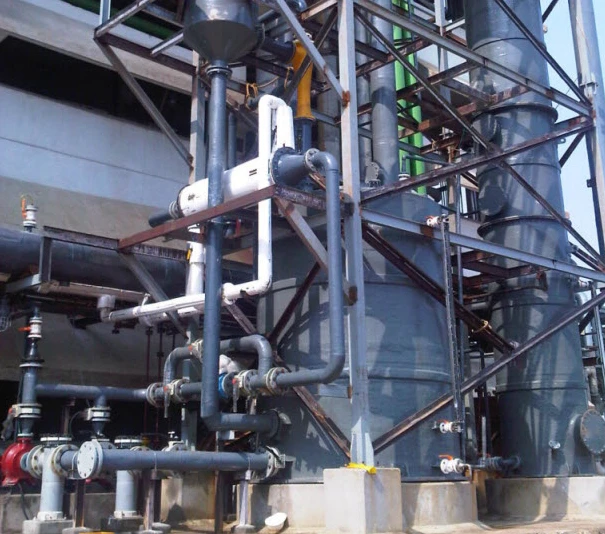
Introduction
Sewage effluent pumps are specialized centrifugal pumps designed for the reliable and efficient transfer of wastewater following primary and secondary treatment processes. Positioned downstream in municipal and industrial wastewater treatment plants, these pumps facilitate the discharge of treated effluent into receiving bodies of water, irrigation systems, or for reuse applications. Unlike standard centrifugal pumps, effluent pumps are engineered to handle low solids content fluids, typically exhibiting high levels of biodegradability and potential corrosivity. Core performance characteristics include consistent flow rate, minimal shear stress to maintain biological activity in tertiary treatment stages, and long-term reliability in a continuously wet environment. A primary industry pain point is balancing operational efficiency with stringent discharge permit requirements relating to nutrient levels (nitrogen and phosphorus) and biochemical oxygen demand (BOD). Selecting the correct pump materials and hydraulic design is critical to prevent corrosion, erosion, and biological fouling, thus minimizing downtime and ensuring compliance.
Material Science & Manufacturing
The construction of sewage effluent pumps demands careful material selection to withstand prolonged exposure to treated wastewater. Pump casings are commonly manufactured from ductile iron (ASTM A536 Grade 65-45-12) due to its high tensile strength, ductility, and corrosion resistance, particularly when internally coated with epoxy or polyurethane linings. Impeller materials often include stainless steel (316L or 304L – ASTM A743 Type CF-8M) chosen for its exceptional corrosion resistance in aqueous environments. Shafts typically utilize duplex stainless steel (e.g., 2205 – ASTM A938 Grade DP3) to enhance resistance to pitting and crevice corrosion. Seals are frequently constructed from silicon carbide (SiC) against silicon carbide, providing superior abrasion resistance and chemical compatibility. Manufacturing processes primarily involve sand casting for the casing, followed by precision machining to ensure dimensional accuracy and smooth flow passages. Impellers are produced via investment casting or centrifugal casting for complex geometries and optimal hydrodynamic performance. Welding processes, such as shielded metal arc welding (SMAW) and gas tungsten arc welding (GTAW), are employed for joining components, requiring strict adherence to AWS D1.1 standards to ensure weld integrity. Critical parameter control focuses on surface finish (Ra < 0.8 μm) to minimize friction and promote laminar flow, and dimensional tolerances (±0.1 mm) to maintain hydraulic efficiency. Polymer coatings (epoxy, polyurethane) are applied through electrostatic spraying, with coating thickness meticulously controlled to provide optimal corrosion protection without impeding impeller balance.
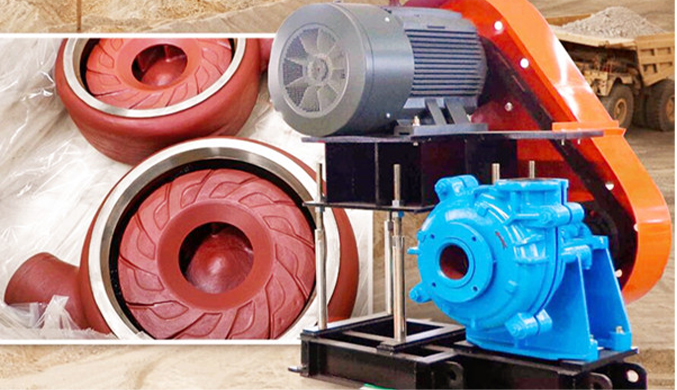
Performance & Engineering
The performance of sewage effluent pumps is governed by hydraulic principles and engineering considerations focused on minimizing energy consumption and maximizing reliability. Force analysis is crucial to determine impeller stress and casing pressure under varying flow conditions, ensuring structural integrity. Hydraulic design optimizes impeller geometry (blade angle, width, and number) to achieve high efficiency and low net positive suction head (NPSH) requirements. Environmental resistance is addressed through material selection and protective coatings, combating corrosion from dissolved gases (sulfides, chlorides) and biological activity. Compliance requirements mandate adherence to stringent discharge regulations concerning total suspended solids (TSS), BOD, and nutrient levels. Pumps must operate efficiently across a wide range of flow rates and head pressures to accommodate fluctuations in effluent volume. Shear stress within the pump is carefully engineered to minimize damage to microorganisms in the effluent, particularly in systems employing biological nutrient removal (BNR) processes. Pump curves (head vs. flow rate, power vs. flow rate) are generated through computational fluid dynamics (CFD) modeling and validated via physical testing (ANSI/HI standards) to ensure accurate performance prediction. Pump selection also considers system head loss calculations, accounting for pipe friction, elevation changes, and discharge structures. Variable Frequency Drives (VFDs) are commonly integrated to optimize pump speed and energy consumption based on real-time demand.
Technical Specifications
| Parameter | Typical Value (Small Pump) | Typical Value (Medium Pump) | Typical Value (Large Pump) |
|---|---|---|---|
| Flow Rate (m³/hr) | 10 – 50 | 50 – 200 | 200 – 500+ |
| Total Dynamic Head (m) | 5 – 20 | 20 – 50 | 50 – 100+ |
| Power (kW) | 1.5 – 5.5 | 5.5 – 22 | 22 – 75+ |
| Impeller Diameter (mm) | 150 – 250 | 250 – 400 | 400 – 600+ |
| Pump Speed (RPM) | 1450 – 3600 | 1450 – 3600 | 900 – 1800 |
| Solids Handling (mm) | Up to 6 | Up to 12 | Up to 25 |
Failure Mode & Maintenance
Sewage effluent pumps are susceptible to several failure modes, primarily related to corrosion, erosion, and biological fouling. Fatigue cracking can occur in the pump casing and impeller due to cyclical loading and stress concentration, especially around weld points. Cavitation, resulting from insufficient NPSH, leads to impeller erosion and reduced pump efficiency. Corrosion, particularly pitting and crevice corrosion, affects stainless steel components exposed to chlorides and sulfides. Delamination of protective coatings (epoxy, polyurethane) compromises corrosion resistance. Biological fouling, caused by microbial growth on pump surfaces, reduces hydraulic performance and can clog impellers. Oxidation of metallic components can lead to material degradation and loss of structural integrity. Proactive maintenance is crucial. This includes regular visual inspections for corrosion and coating damage, vibration analysis to detect bearing wear or impeller imbalance, and performance monitoring (flow rate, head, power consumption) to identify efficiency losses. Scheduled maintenance should involve seal replacement (every 1-2 years), bearing lubrication (every 6-12 months), and impeller cleaning to remove biofouling. Non-destructive testing (NDT) methods like ultrasonic testing (UT) and radiographic testing (RT) can detect internal cracks and flaws. Flush the pump regularly with clean water to remove accumulated solids and prevent clogging. Implement a corrosion monitoring program to assess the effectiveness of protective coatings and adjust maintenance schedules accordingly.
Industry FAQ
Q: What is the impact of varying effluent pH on pump material selection?
A: Effluent pH significantly affects corrosion rates. Low pH (acidic) effluents accelerate corrosion of carbon steel and require more robust corrosion-resistant alloys like stainless steel or specialized coatings. High pH (alkaline) effluents can promote scaling and deposit formation, reducing pump efficiency and potentially causing impeller blockage. Material selection must align with the expected pH range of the effluent.
Q: How do you mitigate the risk of cavitation in effluent pumps?
A: Cavitation is minimized by ensuring sufficient Net Positive Suction Head Available (NPSHA) exceeds the Net Positive Suction Head Required (NPSHR) by a safe margin (typically >1 meter). This can be achieved by optimizing pump installation height, minimizing suction pipe length and bends, and maintaining adequate effluent levels in the wet well. Impeller design also plays a role, with low NPSHR impellers being preferred.
Q: What are the key considerations when specifying a pump for handling effluent containing filamentous bacteria?
A: Filamentous bacteria can form ropes and masses that clog pump impellers and passages. Pumps with open or semi-open impellers are preferred as they are less prone to clogging. High impeller speeds can also help shear the filaments and prevent buildup. Regular pump cleaning and maintenance are essential in such applications.
Q: What are the benefits of utilizing variable frequency drives (VFDs) with effluent pumps?
A: VFDs enable precise control of pump speed, allowing for optimized flow rates based on actual demand. This results in significant energy savings, reduced wear and tear on pump components, and improved process control. VFDs also offer soft starting capabilities, minimizing stress on the electrical system and pump.
Q: How often should pump seals be inspected and replaced in a typical effluent pump application?
A: Pump seals should be visually inspected at least annually, and replaced every 1-2 years, depending on operating conditions and effluent composition. Signs of seal failure include leakage, excessive vibration, and reduced pump performance. Proactive seal replacement prevents catastrophic pump failure and minimizes downtime.
Conclusion
Sewage effluent pumps represent a critical component of modern wastewater treatment infrastructure, demanding a nuanced understanding of material science, hydraulic engineering, and operational best practices. Their effective performance is directly linked to stringent compliance with environmental regulations, operational efficiency, and long-term reliability. Careful consideration of material selection, impeller design, and maintenance protocols is paramount to mitigate failure modes such as corrosion, cavitation, and biological fouling.
Future advancements in effluent pump technology will likely focus on integrating smart sensors and predictive maintenance algorithms to optimize performance and minimize downtime. Development of novel corrosion-resistant materials and improved impeller designs will further enhance pump efficiency and longevity. Increased adoption of energy-efficient technologies, such as high-efficiency motors and VFDs, will contribute to reduced operating costs and a smaller environmental footprint.
-
sewage effluent pumps Material Science Manufacturing
News2026-05-27
-
septic tank effluent pump Performance Analysis
News2026-05-27
-
Septic Sewer Pump Performance Analysis
News2026-05-27
-
septic sewage pumps Performance Analysis
News2026-05-27
-
septic sewage pump Material Science and Manufacturing
News2026-05-27
-
residential sewage pumps Material Science and Manufacturing
News2026-05-26
-
residential sewage lift pump Performance Analysis
News2026-05-26
-
high head sump pump Performance and Engineering
News2026-05-26
-
effluent pump for septic tank Material Science Manufacturing
News2026-05-26
-
effluent and sewage pumps Material Science Manufacturing
News2026-05-26
-
1 2 hp sewage ejector pump Performance Engineering
News2026-05-25
-
Zoeller 1/2 hp sewage pump Performance Analysis
News2026-05-25
-
Effluent Pump Performance Analysis
News2026-05-25
-
sump pump vs effluent pump Performance Analysis
News2026-05-25
-
sewer pumps residential Performance Analysis
News2026-05-25




