English
- Afrikaans
- Albanian
- Amharic
- Arabic
- Armenian
- Azerbaijani
- Basque
- Belarusian
- Bengali
- Bosnian
- Bulgarian
- Catalan
- Cebuano
- Corsican
- Croatian
- Czech
- Danish
- Dutch
- English
- Esperanto
- Estonian
- Finnish
- French
- Frisian
- Galician
- Georgian
- German
- Greek
- Gujarati
- Haitian Creole
- hausa
- hawaiian
- Hebrew
- Hindi
- Miao
- Hungarian
- Icelandic
- igbo
- Indonesian
- irish
- Italian
- Japanese
- Javanese
- Kannada
- kazakh
- Khmer
- Rwandese
- Korean
- Kurdish
- Kyrgyz
- Lao
- Latin
- Latvian
- Lithuanian
- Luxembourgish
- Macedonian
- Malgashi
- Malay
- Malayalam
- Maltese
- Maori
- Marathi
- Mongolian
- Myanmar
- Nepali
- Norwegian
- Norwegian
- Occitan
- Pashto
- Persian
- Polish
- Portuguese
- Punjabi
- Romanian
- Russian
- Samoan
- Scottish Gaelic
- Serbian
- Sesotho
- Shona
- Sindhi
- Sinhala
- Slovak
- Slovenian
- Somali
- Spanish
- Sundanese
- Swahili
- Swedish
- Tagalog
- Tajik
- Tamil
- Tatar
- Telugu
- Thai
- Turkish
- Turkmen
- Ukrainian
- Urdu
- Uighur
- Uzbek
- Vietnamese
- Welsh
- Bantu
- Yiddish
- Yoruba
- Zulu

Telephone: +86 13120555503
Email: frank@cypump.com


Apr . 01, 2024 17:55 Back to list
sewage effluent pump Material Science and Manufacturing
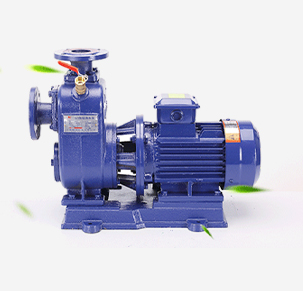
Introduction
Sewage effluent pumps are submersible centrifugal pumps specifically designed for the transfer of treated or partially treated wastewater. Positioned at the end of the wastewater treatment process, these pumps facilitate the discharge of effluent into receiving bodies of water, irrigation systems, or for further tertiary treatment. Unlike standard wastewater pumps handling raw sewage, effluent pumps deal with a fluid containing significantly lower solid concentrations, but often requiring careful management of remaining suspended solids and potential biological growth. Core performance characteristics center around hydraulic efficiency, resistance to corrosion from remaining chemical constituents, reliable operation in potentially abrasive conditions, and adherence to stringent discharge regulations concerning water quality. The industry faces ongoing pressure to improve energy efficiency, reduce maintenance downtime, and ensure compliance with evolving environmental standards, making advancements in pump design and materials crucial.
Material Science & Manufacturing
The construction of sewage effluent pumps necessitates materials resistant to prolonged exposure to wastewater constituents. Pump housings are commonly manufactured from cast iron (ASTM A48 Class 30) with epoxy or polyurethane coatings for enhanced corrosion protection. Impellers are frequently made of stainless steel (typically 304 or 316, adhering to ASTM A743) chosen for its resistance to pitting and crevice corrosion in chloride-rich environments. Shafts utilize similarly graded stainless steel alloys to prevent galvanic corrosion. Mechanical seals, a critical component, are constructed from silicon carbide (SiC) faces paired with elastomers like Viton or EPDM, selected for their chemical compatibility with effluent components and abrasive resistance (measured by hardness testing – Rockwell C scale).
Manufacturing processes involve several key stages. Housing fabrication utilizes sand casting followed by surface preparation for coating application. Impeller production often employs investment casting or centrifugal casting for complex geometries. Critical dimensions are maintained using CNC machining ensuring tight tolerances. Seal assembly is a precision process requiring cleanroom environments to prevent contamination. Welding, where applicable (e.g., for certain mounting brackets), adheres to AWS D1.1 standards, employing shielded metal arc welding (SMAW) or gas tungsten arc welding (GTAW) with low-hydrogen electrodes to minimize porosity. Quality control incorporates non-destructive testing (NDT) such as liquid penetrant inspection (LPI) and radiographic testing (RT) to verify weld integrity and identify subsurface defects. Post-assembly, pumps undergo hydrostatic testing to verify pressure integrity and performance testing to validate flow rate and head characteristics.
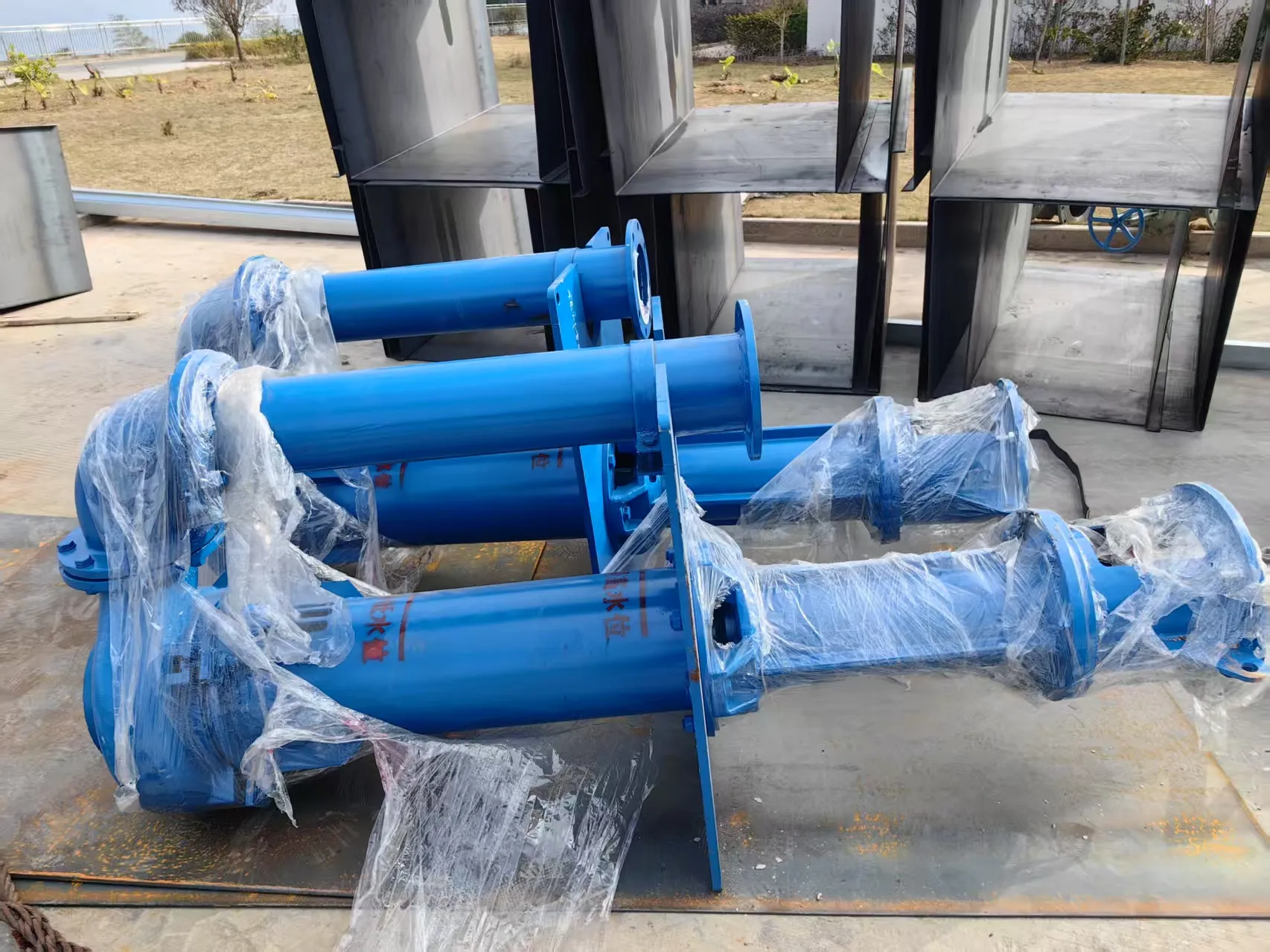
Performance & Engineering
Pump performance is fundamentally governed by affinity laws relating flow rate (Q), head (H), and power (P) to impeller speed (N). The pump’s hydraulic power output must overcome the total dynamic head (TDH) which comprises static head (elevation difference), friction losses within the piping system (calculated using the Darcy-Weisbach equation), and any pressure head requirements at the discharge point. Force analysis considers impeller stresses induced by centrifugal forces and fluid dynamic pressures. Finite element analysis (FEA) is frequently employed to optimize impeller design and minimize stress concentrations. Environmental resistance is paramount; pumps must withstand immersion in potentially corrosive fluids over extended periods. Motor housings typically achieve an IP68 ingress protection rating, ensuring complete protection against dust and prolonged immersion in water.
Compliance requirements dictate stringent performance standards. Discharge limits are governed by national and local regulations (e.g., NPDES permits in the US, EU Water Framework Directive in Europe), requiring minimal environmental impact. Pump efficiency is often evaluated according to ISO 9906 standards, with minimum efficiency requirements specified in procurement contracts. Vibration analysis (ISO 10816) is crucial for predictive maintenance, identifying potential bearing failures or impeller imbalances. Pump selection necessitates careful consideration of the specific effluent characteristics (solids content, pH, temperature, chemical composition) and the required flow rate and head for the intended application. System curve analysis, matching the pump performance curve to the system resistance curve, ensures optimal operating point and avoids cavitation.
Technical Specifications
| Parameter | Unit | Typical Value (Small Pump) | Typical Value (Large Pump) |
|---|---|---|---|
| Flow Rate | m³/h | 10-50 | 200-800 |
| Total Dynamic Head | m | 5-20 | 40-100 |
| Motor Power | kW | 0.75-3 | 15-75 |
| Impeller Diameter | mm | 100-200 | 400-800 |
| Solids Handling Capability | mm | 6-12 | 25-50 |
| Operating Temperature | °C | 0-40 | 0-40 |
Failure Mode & Maintenance
Common failure modes in sewage effluent pumps include impeller wear due to abrasive solids, mechanical seal failure leading to leakage, motor winding insulation breakdown from moisture ingress, and bearing failure resulting from overloading or contamination. Impeller wear manifests as reduced hydraulic performance and increased vibration. Failure analysis often reveals erosion patterns indicating the type and concentration of abrasive particles. Mechanical seal failure is frequently attributed to dry running, incompatibility with effluent chemicals, or particulate contamination. Motor winding failures typically occur due to insulation degradation caused by humidity, temperature cycling, or voltage spikes. Bearing failures are often identified through increased noise and vibration, indicating lubricant degradation or contamination.
Preventive maintenance is critical. Regular inspection of mechanical seals, impellers, and bearings is recommended. Lubrication schedules should adhere to manufacturer's specifications, utilizing appropriate greases compatible with the operating environment. Monitoring motor winding insulation resistance (using a megohmmeter) can detect early signs of degradation. Periodic vibration analysis can identify imbalances or bearing wear before catastrophic failure occurs. Cleaning of pump wet wells and suction screens prevents clogging and reduces the load on the pump. In the event of failure, root cause analysis should be performed to identify the underlying issue and prevent recurrence. Seal replacement should follow strict procedures to avoid contamination and ensure proper installation. Rewinding motors requires specialized expertise and adherence to IEEE standards.
Industry FAQ
Q: What is the impact of varying effluent pH levels on pump material selection?
A: Effluent pH significantly impacts material compatibility. Highly acidic (low pH) effluents accelerate corrosion of cast iron and some stainless steel alloys. In such cases, higher-grade stainless steels (e.g., 316L) or alternative materials like duplex stainless steel are necessary. Alkaline (high pH) environments can cause caustic cracking in certain alloys. Careful consideration of the effluent’s chemical composition and pH range is crucial during material selection.
Q: How do you mitigate the risk of cavitation in effluent pumps?
A: Cavitation occurs when the absolute pressure within the pump falls below the vapor pressure of the liquid, forming vapor bubbles that collapse violently, causing damage to the impeller. Mitigation strategies include ensuring adequate Net Positive Suction Head Available (NPSHa), optimizing pump speed, reducing suction pipe losses (using larger diameter pipes and minimizing bends), and avoiding excessive suction lift.
Q: What are the advantages of variable frequency drives (VFDs) in effluent pump applications?
A: VFDs allow for precise control of pump speed, enabling optimization of flow rate to match demand and reducing energy consumption. They also provide soft starting, minimizing stress on the pump and electrical system. Furthermore, VFDs can protect against dry running by automatically shutting down the pump if flow is detected.
Q: How does solids handling capability impact pump selection?
A: The concentration and size of solids in the effluent dictate the pump’s required solids handling capability. Pumps with open impellers or vortex impellers are better suited for handling solids than pumps with closed impellers. The impeller design and pump casing geometry must prevent clogging and minimize wear from abrasive particles.
Q: What are the key considerations for submersible pump cable longevity?
A: Submersible pump cables are exposed to continuous immersion and potential mechanical stress. Key considerations include cable material (typically EPR or XLPE insulation), cable diameter (adequate current-carrying capacity), cable support (properly secured to prevent strain), and regular inspection for damage or deterioration. Use of shielded cables minimizes electromagnetic interference.
Conclusion
Sewage effluent pumps represent a vital component in wastewater treatment infrastructure, demanding careful consideration of material science, hydraulic performance, and long-term reliability. The selection process necessitates a thorough understanding of effluent characteristics, regulatory requirements, and potential failure modes. Optimizing pump operation through strategies like VFD implementation and proactive maintenance programs significantly enhances energy efficiency and minimizes lifecycle costs.
Future trends will likely focus on increased pump intelligence through sensor integration and data analytics, enabling predictive maintenance and optimized performance. The development of more corrosion-resistant materials and improved impeller designs will further extend pump lifespan and reduce maintenance needs. Continued adherence to international standards and best practices remains paramount to ensure the safe and efficient operation of these critical systems.
-
sewage submersible pumps Material Science Manufacturing
News2026-05-16
-
sewage pump for basement toilet Performance Engineering
News2026-05-16
-
Sewage Ejector Pump Systems Performance Analysis
News2026-05-16
-
sewage effluent pump Material Science and Manufacturing
News2026-05-16
-
effluent pumps for septic tanks Material Science Manufacturing
News2026-05-16
-
Sewer Line Pump Material Science and Manufacturing
News2026-05-15
-
best sewage pump Performance Analysis
News2026-05-15
-
sewage pump for basement bathroom Performance and Engineering
News2026-05-15
-
submersible sewer pump Material Science and Manufacturing
News2026-05-15
-
septic tank sump pump Performance Analysis
News2026-05-15
-
effluent pump Performance and Engineering
News2026-05-14
-
basement waste pump Performance Analysis
News2026-05-14
-
sewage water pump Material Science and Manufacturing
News2026-05-14
-
Sewage Transfer Pump Performance Analysis
News2026-05-14
-
sewage submersible pump Performance Analysis
News2026-05-14




