English
- Afrikaans
- Albanian
- Amharic
- Arabic
- Armenian
- Azerbaijani
- Basque
- Belarusian
- Bengali
- Bosnian
- Bulgarian
- Catalan
- Cebuano
- Corsican
- Croatian
- Czech
- Danish
- Dutch
- English
- Esperanto
- Estonian
- Finnish
- French
- Frisian
- Galician
- Georgian
- German
- Greek
- Gujarati
- Haitian Creole
- hausa
- hawaiian
- Hebrew
- Hindi
- Miao
- Hungarian
- Icelandic
- igbo
- Indonesian
- irish
- Italian
- Japanese
- Javanese
- Kannada
- kazakh
- Khmer
- Rwandese
- Korean
- Kurdish
- Kyrgyz
- Lao
- Latin
- Latvian
- Lithuanian
- Luxembourgish
- Macedonian
- Malgashi
- Malay
- Malayalam
- Maltese
- Maori
- Marathi
- Mongolian
- Myanmar
- Nepali
- Norwegian
- Norwegian
- Occitan
- Pashto
- Persian
- Polish
- Portuguese
- Punjabi
- Romanian
- Russian
- Samoan
- Scottish Gaelic
- Serbian
- Sesotho
- Shona
- Sindhi
- Sinhala
- Slovak
- Slovenian
- Somali
- Spanish
- Sundanese
- Swahili
- Swedish
- Tagalog
- Tajik
- Tamil
- Tatar
- Telugu
- Thai
- Turkish
- Turkmen
- Ukrainian
- Urdu
- Uighur
- Uzbek
- Vietnamese
- Welsh
- Bantu
- Yiddish
- Yoruba
- Zulu

Telephone: +86 13120555503
Email: frank@cypump.com


Apr . 01, 2024 17:55 Back to list
sewage and effluent pumps Performance Engineering
Introduction
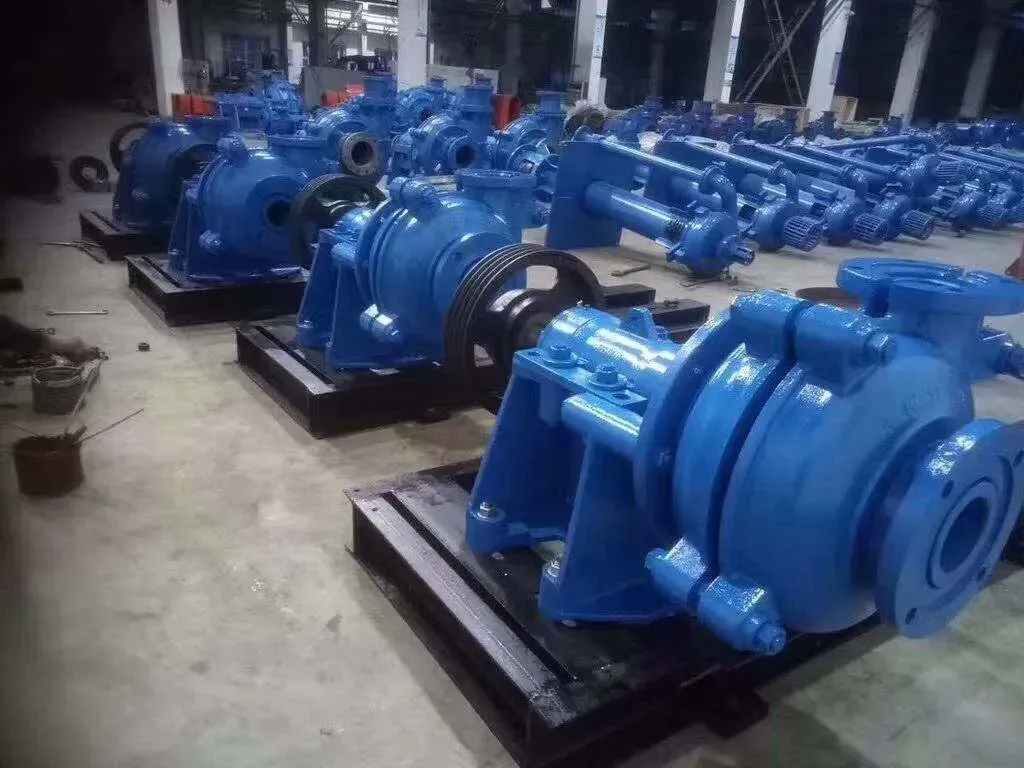
Sewage and effluent pumps are critical components in wastewater treatment and conveyance systems, designed for the efficient and reliable transfer of liquids containing solids. These pumps differ significantly from clean water pumps due to the abrasive and corrosive nature of the media they handle. Their technical position within the industrial chain resides between wastewater collection/treatment facilities and discharge points, or within industrial processes generating wastewater. Core performance characteristics include flow rate (typically measured in gallons per minute or cubic meters per hour), total dynamic head (TDH – the maximum height the pump can lift the fluid), solids handling capability (expressed as maximum sphere size), and pump efficiency. A primary industry pain point is pump failure due to clogging, abrasion, corrosion, and insufficient capacity leading to system backups and environmental concerns. Selection hinges on precise matching of pump characteristics to the specific wastewater composition and operational requirements. Achieving consistent performance and longevity requires careful consideration of material selection, impeller design, and sealing systems.
Material Science & Manufacturing
The construction of sewage and effluent pumps heavily relies on materials capable of withstanding harsh chemical environments and abrasive wear. Pump casings are commonly manufactured from cast iron (ASTM A48 Class 30), ductile iron (ASTM A536-89), or stainless steel (304, 316 – per ASTM A240). The choice depends on the corrosive nature of the effluent; highly corrosive environments necessitate 316 stainless steel or specialized alloy compositions. Impellers, critical for generating flow, are typically made from high-chromium cast iron (ASTM A532 Grade III) providing excellent abrasion resistance. Shafts are often constructed from 4140 alloy steel (ASTM A297) and hardened for torsional strength. Sealing materials are paramount; mechanical seals utilize silicon carbide faces (per ISO 8807) against hardened steel or ceramic counterparts to prevent leakage. Manufacturing processes include sand casting for casings, investment casting for impellers (allowing complex geometries), and precision machining for shafts and seals. Welding (SMAW, GMAW, per AWS D1.1) is used for assembly. Parameter control during casting focuses on minimizing porosity and ensuring proper material composition. Heat treatment is critical for achieving desired hardness and tensile strength in steel components. Surface coatings, such as epoxy or ceramic linings, are applied to internal surfaces to enhance corrosion resistance.
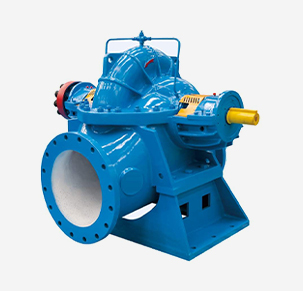
Performance & Engineering
Performance engineering of sewage and effluent pumps necessitates a comprehensive understanding of fluid dynamics and hydraulic principles. Force analysis involves calculating the radial and axial thrust loads acting on the impeller and shaft, impacting bearing selection and shaft design. Environmental resistance is a key consideration, particularly in outdoor installations. Pumps must withstand temperature variations, UV exposure, and potential flooding (IP68 ingress protection rating per IEC 60529). Compliance requirements dictate adherence to standards like NSF/ANSI 61 (for potable water compatibility of components) and EPA effluent guidelines. Functional implementation often involves variable frequency drives (VFDs) for modulating pump speed and flow rate to match fluctuating demand, optimizing energy efficiency. Cavitation, a primary concern, occurs when the liquid pressure drops below its vapor pressure, forming bubbles that collapse and damage the impeller. Proper net positive suction head (NPSH) calculations (per Hydraulic Institute Standards) are crucial to prevent cavitation. Pump curves, graphically representing head-flow characteristics, are essential for system design and optimization. Vortex impeller designs are commonly used for handling large solids, while non-clog impeller designs minimize blockage potential. Pump system curves are then developed to provide insight on system performance characteristics.
Technical Specifications
| Pump Type | Maximum Flow Rate (GPM) | Maximum Head (ft) | Maximum Solids Handling (in) |
|---|---|---|---|
| Submersible Centrifugal | 500-5000 | 50-200 | 3 |
| Vortex Impeller | 200-2000 | 80-150 | 4 |
| Non-Clog Centrifugal | 300-3000 | 60-180 | 2 |
| Screw Pump (Progressive Cavity) | 50-800 | 100-300 | 1 |
| Diaphragm Pump | 20-200 | 50-100 | 0.5 |
| Chopper Pump | 400-4000 | 70-250 | 3 |
Failure Mode & Maintenance
Failure modes in sewage and effluent pumps are diverse. Fatigue cracking of the impeller, often initiated by cavitation erosion, is a common issue. Delamination of protective coatings (epoxy, ceramic) occurs due to thermal stress or chemical attack. Bearing failure, caused by improper lubrication or excessive loading, leads to pump vibration and eventual breakdown. Mechanical seal failure, resulting from abrasive particles or chemical incompatibility, causes leakage and reduced pump efficiency. Blockage of the impeller by rags, debris, or solids is a frequent occurrence. Corrosion, particularly in aggressive chemical environments, weakens pump components over time. Maintenance involves regular visual inspections for leaks, excessive vibration, and unusual noises. Lubrication of bearings according to manufacturer specifications is critical. Periodic impeller cleaning and inspection for wear or damage is essential. Seal replacement is often required on an annual or bi-annual basis. Predictive maintenance techniques, such as vibration analysis (ISO 10816) and oil analysis (ASTM D4057), can detect early signs of failure. Implementing a preventative maintenance schedule based on operating hours and effluent characteristics maximizes pump lifespan and minimizes downtime.
Industry FAQ
Q: What is the impact of solids content on pump selection?
A: Higher solids content necessitates pumps with larger solids handling capabilities and designs less prone to clogging, such as vortex or non-clog impellers. The pump’s velocity and impeller design need to be carefully considered to avoid settling of solids within the pump casing.
Q: How does effluent corrosivity affect material selection?
A: Highly corrosive effluents demand materials with superior corrosion resistance, such as 316 stainless steel, duplex stainless steel, or specialized alloy compositions. Material selection should be based on a thorough chemical analysis of the effluent.
Q: What are the key considerations for submersible pump installation?
A: Proper cable management, level control settings, and adequate basin clearance are crucial for submersible pump installation. Ensuring the pump is adequately supported and protected from debris ingress is also paramount. Grounding is critical for safety.
Q: What is NPSH and why is it important?
A: Net Positive Suction Head (NPSH) is the absolute pressure at the pump suction. Insufficient NPSH leads to cavitation, damaging the impeller. Proper system design must ensure that the available NPSH exceeds the required NPSH specified by the pump manufacturer.
Q: How can VFDs improve pump system efficiency?
A: Variable Frequency Drives (VFDs) allow pump speed to be modulated to match fluctuating demand, reducing energy consumption and minimizing hydraulic shock. This optimization leads to significant cost savings and extended pump lifespan.
Conclusion
The selection and operation of sewage and effluent pumps are intrinsically linked to a deep understanding of fluid dynamics, material science, and regulatory compliance. Optimized performance and prolonged equipment life hinge on meticulous matching of pump characteristics to the specific application, proactive preventative maintenance, and adherence to industry best practices. Failure to account for these factors results in increased operational costs, environmental risks, and potential system failures.
Future advancements in sewage and effluent pump technology will likely focus on smart pump systems incorporating remote monitoring, predictive maintenance algorithms, and enhanced energy efficiency features. The integration of IoT sensors and data analytics will enable real-time performance monitoring and optimized control strategies, minimizing downtime and maximizing operational sustainability. Continued research into advanced materials and coatings will further enhance corrosion resistance and abrasive wear protection.
-
Sewage Pump Company Performance and Engineering
News2026-05-24
-
sewage pump 1/2 hp Performance Analysis
News2026-05-24
-
Sewage Ejector Systems Performance Analysis
News2026-05-24
-
Sewage Ejection System Material Science and Manufacturing
News2026-05-24
-
sewage and effluent pumps Performance Engineering
News2026-05-24
-
pump for sewage water Performance Analysis
News2026-05-23
-
plumbing sewage ejector pump Performance Engineering
News2026-05-23
-
home sewer pump station Performance and Engineering
News2026-05-23
-
high pressure sump pump Performance Analysis
News2026-05-23
-
high head effluent pump Performance Analysis
News2026-05-23
-
Effluent vs Sump Pump Performance Analysis
News2026-05-22
-
effluent septic pump Performance Engineering
News2026-05-22
-
best sewer pumps Performance Engineering
News2026-05-22
-
best sewer pump Performance Analysis
News2026-05-22
-
best sewage pumps Performance Engineering
News2026-05-22




