English
- Afrikaans
- Albanian
- Amharic
- Arabic
- Armenian
- Azerbaijani
- Basque
- Belarusian
- Bengali
- Bosnian
- Bulgarian
- Catalan
- Cebuano
- Corsican
- Croatian
- Czech
- Danish
- Dutch
- English
- Esperanto
- Estonian
- Finnish
- French
- Frisian
- Galician
- Georgian
- German
- Greek
- Gujarati
- Haitian Creole
- hausa
- hawaiian
- Hebrew
- Hindi
- Miao
- Hungarian
- Icelandic
- igbo
- Indonesian
- irish
- Italian
- Japanese
- Javanese
- Kannada
- kazakh
- Khmer
- Rwandese
- Korean
- Kurdish
- Kyrgyz
- Lao
- Latin
- Latvian
- Lithuanian
- Luxembourgish
- Macedonian
- Malgashi
- Malay
- Malayalam
- Maltese
- Maori
- Marathi
- Mongolian
- Myanmar
- Nepali
- Norwegian
- Norwegian
- Occitan
- Pashto
- Persian
- Polish
- Portuguese
- Punjabi
- Romanian
- Russian
- Samoan
- Scottish Gaelic
- Serbian
- Sesotho
- Shona
- Sindhi
- Sinhala
- Slovak
- Slovenian
- Somali
- Spanish
- Sundanese
- Swahili
- Swedish
- Tagalog
- Tajik
- Tamil
- Tatar
- Telugu
- Thai
- Turkish
- Turkmen
- Ukrainian
- Urdu
- Uighur
- Uzbek
- Vietnamese
- Welsh
- Bantu
- Yiddish
- Yoruba
- Zulu

Telephone: +86 13120555503
Email: frank@cypump.com


Apr . 01, 2024 17:55 Back to list
septic water pump Performance Analysis
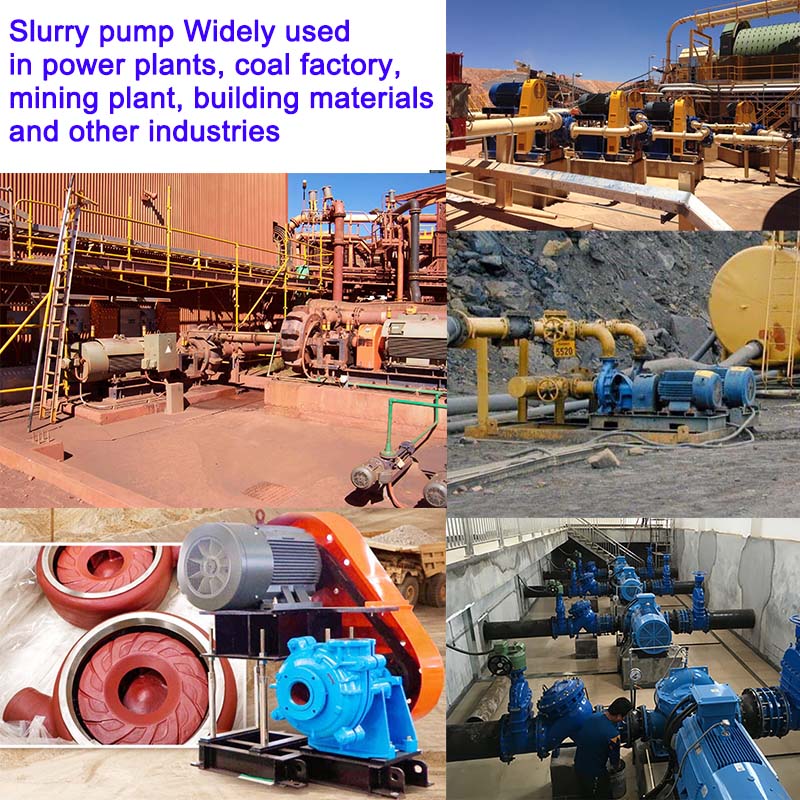
Introduction
Septic water pumps are essential components in wastewater management systems, specifically designed for the removal of effluent from septic tanks. Positioned within the wastewater stream, these submersible pumps facilitate the transfer of partially treated wastewater to a drain field for final filtration and dispersal into the soil. Unlike sewage ejectors which handle solids, septic pumps primarily manage the liquid component after initial settling in the septic tank. Their function is critical for systems lacking sufficient gravity flow, enabling consistent and reliable wastewater distribution. Performance is dictated by flow rate (gallons per minute - GPM), total dynamic head (TDH), and solids handling capability. A critical pain point in the industry centers around pump failure due to solids buildup, corrosion, and insufficient system sizing. Proper specification, installation, and maintenance are paramount to long-term operational efficiency and avoidance of costly repairs or environmental contamination. Understanding the interplay between pump technology, septic system design, and local regulations is fundamental to effective wastewater management.
Material Science & Manufacturing
Septic water pumps utilize a combination of materials selected for their corrosion resistance, durability, and compatibility with wastewater. Pump housings are frequently constructed from engineered thermoplastics (e.g., polypropylene, polyethylene) for their resistance to hydrogen sulfide (H2S) and other corrosive elements present in septic effluent. Impellers and diffusers, responsible for fluid movement, are commonly made from reinforced Noryl or similar polymers offering a balance between abrasion resistance and cost. Stainless steel (typically 304 or 316 grade) is used for critical components like pump shafts, fasteners, and volute wear plates, particularly in higher-capacity or more demanding applications. Manufacturing processes include injection molding for housings and impellers, rotational molding for larger components, and machining for metallic parts. A key parameter control during manufacturing is dimensional accuracy of the impeller and volute to maximize hydraulic efficiency. Material selection must also consider chemical compatibility with cleaning agents used in septic tank maintenance. Failure to account for potential chemical degradation can lead to premature component failure. Powder coating is often employed on metallic components to enhance corrosion protection. The manufacturing process is increasingly focused on minimizing environmental impact through material sourcing and waste reduction.
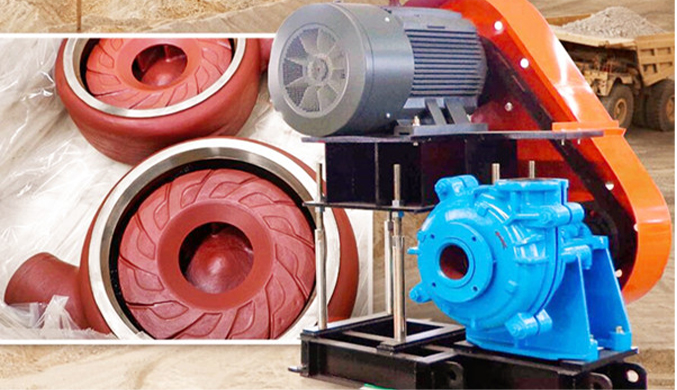
Performance & Engineering
The performance of a septic pump is governed by hydraulic principles and mechanical engineering considerations. Force analysis focuses on impeller design to maximize head pressure and flow rate while minimizing energy consumption. Total Dynamic Head (TDH) accounts for static lift (vertical distance the pump must lift the liquid), friction losses in piping, and pressure required at the discharge point. Environmental resistance is paramount, particularly regarding the pump’s ability to withstand prolonged submersion in corrosive wastewater. The motor must be fully submersible and sealed to prevent water ingress and electrical shorts. Compliance requirements vary by region but generally necessitate adherence to National Electrical Code (NEC) standards for electrical safety and UL certification for pump construction. Functional implementation relies heavily on level control systems. Float switches are commonly employed to activate and deactivate the pump based on liquid level within the septic tank, preventing both pump run-dry conditions and overflow. Pump curves, provided by manufacturers, detail the relationship between flow rate and head, allowing engineers to select the appropriate pump for specific applications. A common industry pain point is undersizing the pump, leading to insufficient effluent dispersal and potential system failure. Proper pump sizing requires accurate assessment of the drain field’s absorption capacity and the septic tank’s loading rate.
Technical Specifications
| Model Number | Horsepower (HP) | Maximum Head (ft) | Maximum Flow Rate (GPM) |
|---|---|---|---|
| SP-1/3 | 1/3 | 25 | 45 |
| SP-1/2 | 1/2 | 35 | 60 |
| SP-3/4 | 3/4 | 45 | 75 |
| SP-1 | 1 | 60 | 90 |
| SP-1.5 | 1.5 | 75 | 110 |
| SP-2 | 2 | 90 | 130 |
Failure Mode & Maintenance
Septic water pump failures commonly stem from several distinct modes. Fatigue cracking of the impeller is a frequent occurrence, particularly in systems with high solids content. This is exacerbated by abrasive wear from suspended particles. Delamination of the pump housing, especially in older plastic models, can occur due to prolonged exposure to corrosive wastewater and UV radiation. Degradation of seals and gaskets leads to leaks and reduced pumping efficiency. Oxidation of metallic components, despite corrosion-resistant alloys, can occur over extended periods. A significant failure mode is pump burnout resulting from run-dry conditions due to float switch malfunctions. Maintenance should include regular inspection of the pump intake for obstructions, cleaning of the impeller and volute to remove solids buildup, and verification of float switch functionality. Periodic testing of the pump’s electrical connections is crucial to prevent shorts and corrosion. Preventive maintenance schedules should be implemented based on pump usage and wastewater characteristics. A complete pump overhaul, including replacement of seals, bearings, and potentially the impeller, should be performed every 3-5 years. Failure analysis should focus on identifying the root cause of failures to prevent recurrence.
Industry FAQ
Q: What is the typical lifespan of a septic pump, and what factors influence it?
A: A typical septic pump lifespan ranges from 7 to 10 years, however, this is heavily influenced by several factors. Frequency of use – pumps in heavily used systems will wear out faster. Wastewater composition – high solids content and corrosive elements accelerate wear and tear. Maintenance schedule – regular cleaning and inspection significantly extend pump life. Pump quality – higher-quality pumps constructed with durable materials generally last longer. Proper installation – correct sizing and installation prevent undue stress on the pump.
Q: How do I determine the correct pump size for my septic system?
A: Determining the correct pump size requires a comprehensive assessment. First, calculate the Total Dynamic Head (TDH) which includes vertical lift, friction losses in piping, and desired discharge pressure. Then, determine the required flow rate based on the drain field's absorption capacity and the septic tank’s loading rate. Consult pump performance curves provided by manufacturers to select a pump that delivers the required flow rate at the calculated TDH. Undersizing leads to insufficient dispersal, while oversizing can cause excessive energy consumption and potential damage to the drain field.
Q: What are the common causes of septic pump failure, and how can they be prevented?
A: Common causes include impeller damage from solids, seal failure leading to leaks, motor burnout from run-dry conditions, and corrosion of metallic components. Prevention strategies include installing a pre-filter to remove solids, regular pump cleaning, float switch maintenance, and using corrosion-resistant materials. Proper system sizing and a consistent maintenance schedule are also crucial.
Q: What is the role of a float switch in a septic pump system?
A: The float switch is a critical safety and operational component. It automatically turns the pump on when the liquid level in the septic tank reaches a predetermined high point and turns it off when the level drops to a low point. This prevents the pump from running dry, which can cause severe damage, and also prevents the tank from overflowing. Regular inspection and testing of the float switch are essential.
Q: What safety precautions should be taken when working on a septic pump?
A: Always disconnect power to the pump before performing any maintenance or repairs. Wear appropriate personal protective equipment (PPE), including gloves, eye protection, and a respirator if necessary. Be aware of the potential for hazardous gases (e.g., hydrogen sulfide) within the septic tank. Never enter a septic tank without proper training and safety equipment. Follow all local regulations and safety guidelines.
Conclusion
Septic water pumps represent a vital link in effective wastewater management. Their selection and operation require a deep understanding of hydraulic principles, material science, and regulatory compliance. The inherent challenges—corrosion, solids handling, and the potential for component failure—demand meticulous attention to detail throughout the entire lifecycle, from initial design and material selection to diligent maintenance and proactive failure analysis.
Moving forward, advancements in pump technology are focused on increased efficiency, enhanced solids handling capabilities, and integration with smart monitoring systems. Remote diagnostics and predictive maintenance will become increasingly prevalent, allowing for proactive identification and resolution of potential issues before they escalate into costly failures. A continued emphasis on sustainable practices, including the use of environmentally friendly materials and energy-efficient pump designs, will be crucial to minimizing the environmental impact of wastewater treatment.
-
Comprehensive Guide to Waterproof ORings for Optimal Sealing Solutions
News2026-06-09
-
submersible pump set Performance Analysis
News2026-06-16
-
Sewer Ejector Pumps Material Science
News2026-06-16
-
septic water pump Performance Analysis
News2026-06-16
-
septic tank water pump Performance Analysis
News2026-06-16
-
Septic Tank Pump to Drain Field Performance Analysis
News2026-06-16
-
septic tank pump system Performance Analysis
News2026-06-15
-
septic system lift pump Performance Analysis
News2026-06-15
-
septic pumps for sale Performance Analysis
News2026-06-15
-
lift pump for septic system Material Science Manufacturing
News2026-06-15
-
Ejector Pit and Pump System Performance
News2026-06-15
-
basement plumbing pump Performance Engineering
News2026-06-14
-
water submersible pump Performance Engineering
News2026-06-14
-
Septic Systems with Pumps Performance Analysis
News2026-06-14
-
Septic Pump Systems Performance Analysis
News2026-06-14




