English
- Afrikaans
- Albanian
- Amharic
- Arabic
- Armenian
- Azerbaijani
- Basque
- Belarusian
- Bengali
- Bosnian
- Bulgarian
- Catalan
- Cebuano
- Corsican
- Croatian
- Czech
- Danish
- Dutch
- English
- Esperanto
- Estonian
- Finnish
- French
- Frisian
- Galician
- Georgian
- German
- Greek
- Gujarati
- Haitian Creole
- hausa
- hawaiian
- Hebrew
- Hindi
- Miao
- Hungarian
- Icelandic
- igbo
- Indonesian
- irish
- Italian
- Japanese
- Javanese
- Kannada
- kazakh
- Khmer
- Rwandese
- Korean
- Kurdish
- Kyrgyz
- Lao
- Latin
- Latvian
- Lithuanian
- Luxembourgish
- Macedonian
- Malgashi
- Malay
- Malayalam
- Maltese
- Maori
- Marathi
- Mongolian
- Myanmar
- Nepali
- Norwegian
- Norwegian
- Occitan
- Pashto
- Persian
- Polish
- Portuguese
- Punjabi
- Romanian
- Russian
- Samoan
- Scottish Gaelic
- Serbian
- Sesotho
- Shona
- Sindhi
- Sinhala
- Slovak
- Slovenian
- Somali
- Spanish
- Sundanese
- Swahili
- Swedish
- Tagalog
- Tajik
- Tamil
- Tatar
- Telugu
- Thai
- Turkish
- Turkmen
- Ukrainian
- Urdu
- Uighur
- Uzbek
- Vietnamese
- Welsh
- Bantu
- Yiddish
- Yoruba
- Zulu

Telephone: +86 13120555503
Email: frank@cypump.com


Apr . 01, 2024 17:55 Back to list
septic transfer pump Performance and Engineering
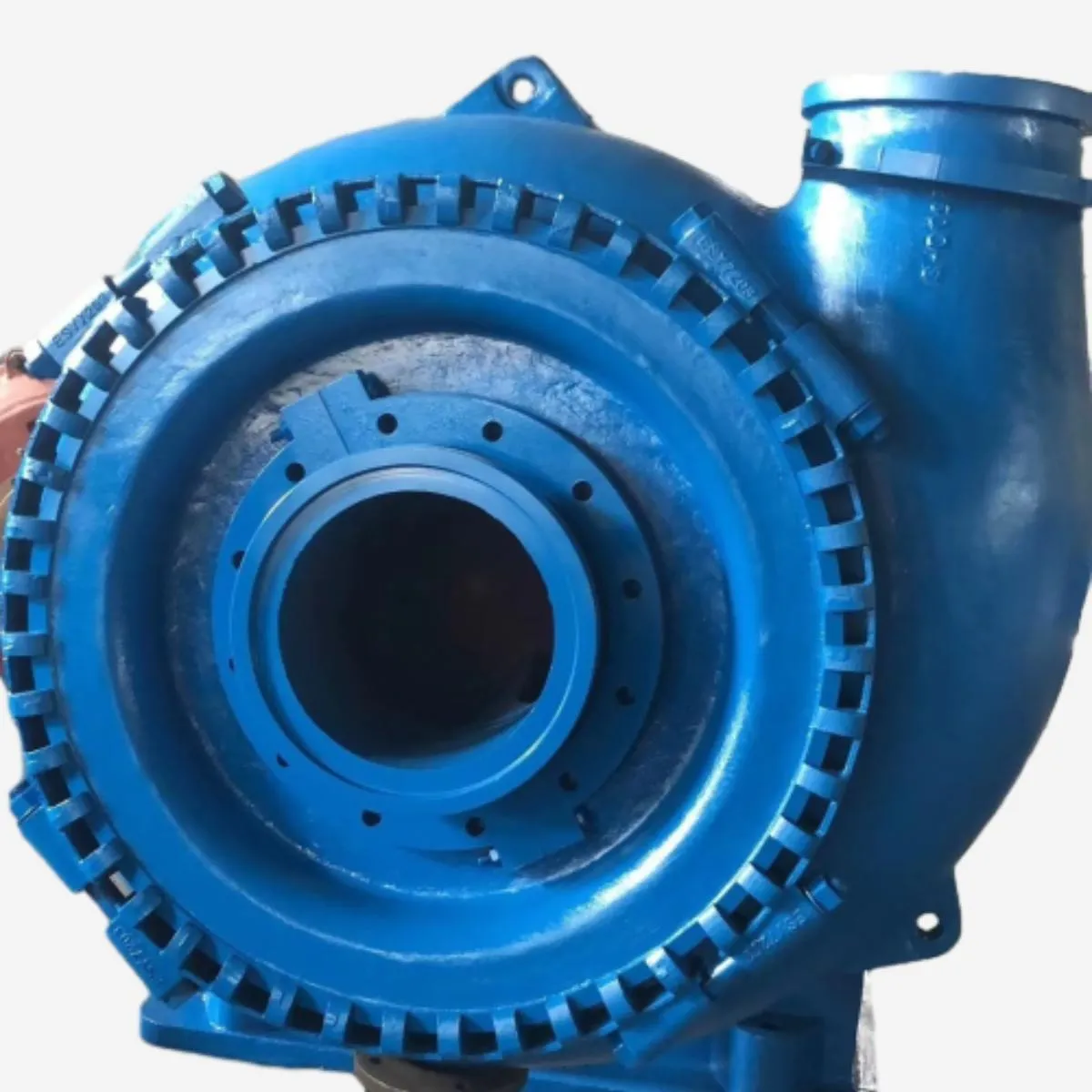
Introduction
Septic transfer pumps, also known as effluent pumps, are critical components within decentralized wastewater treatment systems. Their primary function is to efficiently and reliably transfer wastewater from a septic tank to a subsequent treatment component, such as a leach field, mound system, or advanced treatment unit. Unlike sewage ejector pumps, which handle solids-laden wastewater directly from a building’s plumbing, transfer pumps generally receive pre-treated effluent—relatively clarified wastewater—from the septic tank. This distinction informs design considerations related to impeller type, solids handling capability, and overall pump durability. The performance of a septic transfer pump directly impacts the longevity and efficiency of the entire wastewater treatment system, making proper selection and maintenance paramount. Core performance metrics include flow rate (gallons per minute or liters per hour), total dynamic head (TDH) – the maximum height the pump can lift the fluid – and power consumption. The industry faces ongoing challenges concerning pump reliability in harsh subsurface environments, energy efficiency requirements, and increasingly stringent regulatory demands regarding effluent quality and system monitoring.
Material Science & Manufacturing
Septic transfer pumps utilize a variety of materials selected for their corrosion resistance, mechanical strength, and compatibility with wastewater constituents. Pump housings are commonly constructed from engineered thermoplastics, such as polypropylene or high-density polyethylene (HDPE), due to their excellent resistance to hydrogen sulfide (H2S) and other corrosive elements prevalent in septic systems. Impellers, the rotating components that generate flow, are often made from Noryl (a modified polyphenylene oxide) or stainless steel (typically 316 stainless steel for superior corrosion resistance). Shafts are frequently constructed from 410 stainless steel, hardened for wear resistance. Seals are critical components, often utilizing a combination of materials like silicon carbide and Viton to provide a robust barrier against leakage and prevent ingress of abrasive particles.
Manufacturing processes vary depending on component complexity. Pump housings are typically produced via injection molding, a process requiring precise temperature and pressure control to ensure dimensional accuracy and material homogeneity. Impellers can be manufactured using investment casting (for complex geometries and tight tolerances) or injection molding. Shafts are generally machined from bar stock using CNC turning and milling operations. A crucial step in manufacturing is non-destructive testing (NDT), such as radiographic inspection, to identify internal flaws in castings or welds. Parameter control during injection molding – melt temperature, mold temperature, injection pressure, and cooling rate – significantly affects the physical properties of the housing, including tensile strength, impact resistance, and chemical resistance. Proper heat treatment of stainless steel components is essential to achieve the desired hardness and corrosion resistance. Final assembly requires precise alignment of rotating components and meticulous seal installation to prevent premature failure.
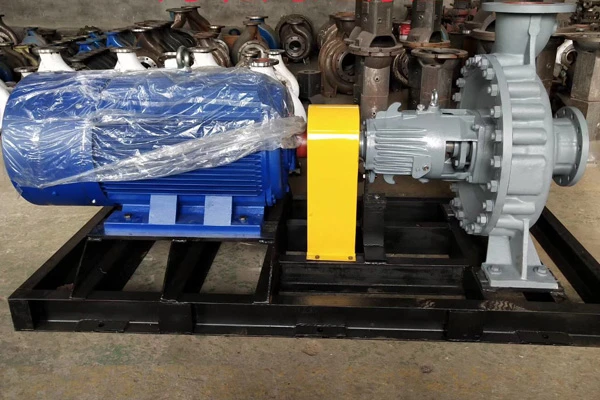
Performance & Engineering
The performance of a septic transfer pump is fundamentally governed by Bernoulli’s principle and the principles of fluid dynamics. The pump’s impeller imparts kinetic energy to the effluent, converting it into pressure energy, which drives the fluid through the discharge pipe. Force analysis is crucial in pump design, considering centrifugal forces acting on the impeller, hydrostatic pressure from the fluid column, and mechanical stresses on the housing and shaft. The total dynamic head (TDH) is a critical engineering parameter, calculated as the sum of static head (vertical distance the fluid is lifted), friction losses in the piping system, and pressure head at the discharge point. Properly sizing the pump to the specific TDH requirements of the system is essential to prevent cavitation (formation of vapor bubbles due to low pressure) and ensure efficient operation.
Environmental resistance is a key consideration. Submersible pumps, commonly used in septic systems, must withstand constant immersion in corrosive wastewater and potential exposure to ground water. Pump materials must be resistant to degradation from H2S, sulfates, and organic acids. Compliance requirements vary by jurisdiction, but generally include adherence to National Electrical Manufacturers Association (NEMA) standards for motor construction and UL listing for safety. Functional implementation often includes automatic float switches to control pump operation based on effluent level in the septic tank, preventing over-pumping and extending pump life. Proper venting of the discharge line is critical to prevent air locking and ensure efficient pump operation. The pump's curve, a graphical representation of flow rate versus head, is used during system design to optimize performance.
Technical Specifications
| Parameter | Typical Value (Residential Application) | Typical Value (Commercial Application) | Unit |
|---|---|---|---|
| Flow Rate | 60-100 | 150-300 | Gallons Per Minute (GPM) |
| Total Dynamic Head (TDH) | 10-25 | 30-50 | Feet |
| Motor Horsepower | 1/2 - 1 | 1.5 - 3 | HP |
| Voltage | 120/240 | 230/460 | VAC |
| Solids Handling Capacity | 1/4 | 1/2 | Inch |
| Discharge Pipe Size | 1.25 - 1.5 | 2 - 3 | Inch |
Failure Mode & Maintenance
Septic transfer pumps are susceptible to several failure modes. Fatigue cracking in the impeller or housing can occur due to repeated stress from fluid flow and vibration. Delamination of thermoplastic housings can result from chemical attack or UV exposure (if exposed to sunlight). Mechanical seal failure is a common issue, leading to leakage and potential motor damage. Clogging from debris can restrict flow and overload the motor. Oxidation of metallic components, particularly in high-sulfide environments, can lead to corrosion and reduced pump efficiency. Cavitation, as previously mentioned, can erode the impeller and reduce pump performance.
Preventative maintenance is critical. Regular inspection of the pump for leaks, unusual noises, or reduced flow rate is essential. Periodic cleaning of the intake screen to remove debris is crucial. Scheduled replacement of mechanical seals (typically every 2-3 years) can prevent catastrophic failure. Monitoring of pump run times and power consumption can identify potential issues early on. Proper electrical grounding and protection against overcurrent are essential safety measures. For repairs, it is generally recommended to use OEM (Original Equipment Manufacturer) replacement parts to ensure compatibility and maintain warranty validity. Annual system inspections by a qualified septic system professional are highly recommended to identify and address potential problems before they escalate.
Industry FAQ
Q: What is the optimal impeller material for a septic transfer pump operating in an environment with high hydrogen sulfide concentrations?
A: For environments with high H2S concentrations, 316 stainless steel is the preferred impeller material. While engineered thermoplastics offer good overall corrosion resistance, they are more susceptible to degradation from prolonged exposure to H2S. 316 stainless steel provides superior resistance to sulfide corrosion, ensuring longer impeller life and maintaining pump efficiency.
Q: How does the specific gravity of the effluent affect pump performance?
A: Effluent with a higher specific gravity (density) will require more energy to pump, resulting in a reduced flow rate for a given motor horsepower. Pump selection should account for the anticipated specific gravity of the effluent, particularly in commercial applications where industrial discharge may contribute to increased density.
Q: What are the key considerations when selecting a pump with a built-in float switch?
A: The float switch’s activation levels (on and off points) must be carefully calibrated to the specific tank dimensions and desired effluent levels. Consider the switch's robustness and its resistance to fouling from debris. Redundancy, such as a second float switch, can provide added reliability.
Q: How can I diagnose a pump that is running but delivering very low flow?
A: Low flow despite normal operation suggests potential issues like a clogged impeller, restricted intake, or cavitation. Inspect the intake screen for debris, verify the discharge pipe is free of obstructions, and check for signs of cavitation (noisy operation). A pressure test can help identify restrictions in the piping system.
Q: What is the impact of pipe friction on pump selection?
A: Pipe friction losses significantly impact the total dynamic head (TDH) that the pump must overcome. Longer pipe runs, smaller pipe diameters, and numerous elbows or fittings all contribute to increased friction. Accurate calculation of friction losses is crucial for selecting a pump that can deliver the required flow rate at the desired TDH.
Conclusion
Septic transfer pumps are essential components in modern decentralized wastewater treatment, requiring careful consideration of material science, engineering principles, and operational factors. Selecting the correct pump involves a thorough assessment of flow rate requirements, total dynamic head, effluent characteristics, and environmental conditions. Regular preventative maintenance and timely repairs are crucial for ensuring long-term reliability and optimal system performance.
As regulatory standards for wastewater treatment continue to evolve, advancements in pump technology—such as variable frequency drives (VFDs) for energy efficiency and remote monitoring systems for proactive maintenance—will become increasingly important. The integration of smart technologies will further enhance pump performance, reduce operating costs, and contribute to more sustainable wastewater management practices.
-
Precision at the Pump: How Better Machining Protects Flow and Uptime
News2026-11-20
-
Why Pump Reliability Begins Before the First Drop of Fluid
News2026-11-20
-
Beyond the Pump: Designing Safer Access Around Critical Water Infrastructure
News2026-11-20
-
Why Pumping Stations Depend on the Infrastructure Beneath the Pumps
News2026-11-20
-
Beyond the Pump Room: How Smarter Loading Protects Industrial Equipment
News2026-11-19
-
When Pumps Stop: Designing More Resilient Power for Critical Pumping Systems
News2026-11-19
-
The Hidden Role of Dust and Gas Monitoring in Reliable Pump Operations
News2026-11-19
-
The Hidden Role of Mineral Compounds in Extending Industrial Pump Lifespan
News2026-10-12
-
Why Pump System Reliability Depends on Precision Hose Assembly Methods
News2026-09-15
-
How Advanced Imaging Films Are Transforming Pump Component Quality Control
News2026-08-25
-
How Advanced Filtration Protects Pump Systems from Premature Wear and Costly Downtime
News2026-08-25
-
How Steel Material Selection Drives Pump Reliability in Heavy-Duty Systems
News2026-08-25
-
Ensuring Pump System Efficiency: The Role of High-Quality Pipe Fittings and Tubing
News2026-08-24
-
Optimizing Fluid Dynamics and Material Consistency in Industrial Processing
News2026-08-18
-
Innovations and Challenges in Hydraulic Systems for Heavy Machinery
News2026-08-13




