English
- Afrikaans
- Albanian
- Amharic
- Arabic
- Armenian
- Azerbaijani
- Basque
- Belarusian
- Bengali
- Bosnian
- Bulgarian
- Catalan
- Cebuano
- Corsican
- Croatian
- Czech
- Danish
- Dutch
- English
- Esperanto
- Estonian
- Finnish
- French
- Frisian
- Galician
- Georgian
- German
- Greek
- Gujarati
- Haitian Creole
- hausa
- hawaiian
- Hebrew
- Hindi
- Miao
- Hungarian
- Icelandic
- igbo
- Indonesian
- irish
- Italian
- Japanese
- Javanese
- Kannada
- kazakh
- Khmer
- Rwandese
- Korean
- Kurdish
- Kyrgyz
- Lao
- Latin
- Latvian
- Lithuanian
- Luxembourgish
- Macedonian
- Malgashi
- Malay
- Malayalam
- Maltese
- Maori
- Marathi
- Mongolian
- Myanmar
- Nepali
- Norwegian
- Norwegian
- Occitan
- Pashto
- Persian
- Polish
- Portuguese
- Punjabi
- Romanian
- Russian
- Samoan
- Scottish Gaelic
- Serbian
- Sesotho
- Shona
- Sindhi
- Sinhala
- Slovak
- Slovenian
- Somali
- Spanish
- Sundanese
- Swahili
- Swedish
- Tagalog
- Tajik
- Tamil
- Tatar
- Telugu
- Thai
- Turkish
- Turkmen
- Ukrainian
- Urdu
- Uighur
- Uzbek
- Vietnamese
- Welsh
- Bantu
- Yiddish
- Yoruba
- Zulu

Telephone: +86 13120555503
Email: frank@cypump.com


Apr . 01, 2024 17:55 Back to list
Septic Tanks Pumping Performance Analysis
Introduction
Septic tank pumping is a critical maintenance procedure for decentralized wastewater treatment systems, serving an estimated 26% of households in the United States and a significant proportion globally. It involves the removal of accumulated solids – sludge and scum – from the septic tank to prevent system failure, environmental contamination, and public health risks. The technical position of this process lies within the broader field of environmental engineering, specifically wastewater management and onsite sewage treatment. Core performance indicators center on the efficiency of solids removal, minimization of effluent discharge, and adherence to local regulatory standards regarding waste handling and disposal. This guide details the material science, engineering principles, failure modes, and best practices associated with septic tank pumping, offering a comprehensive resource for industry professionals and stakeholders. A key pain point in the industry is the variability in sludge composition and accumulation rates, influencing pumping frequency and costs, and demanding adaptable strategies for efficient operation.
Material Science & Manufacturing
The primary materials involved in septic tank pumping relate to the tank itself and the pumping equipment. Septic tanks are traditionally constructed from concrete, fiberglass, or polyethylene. Concrete tanks, utilizing a Portland cement matrix, offer high structural strength and longevity but are susceptible to cracking due to ground settlement or hydrostatic pressure. Fiberglass tanks, composed of thermosetting resins (typically polyester or vinyl ester) reinforced with glass fibers, provide corrosion resistance and lighter weight, however their long-term durability can be affected by UV exposure and material degradation. Polyethylene tanks, manufactured through rotational molding of high-density polyethylene (HDPE), demonstrate excellent chemical resistance and impact strength, yet have lower structural rigidity compared to concrete.
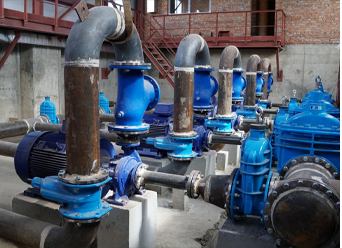
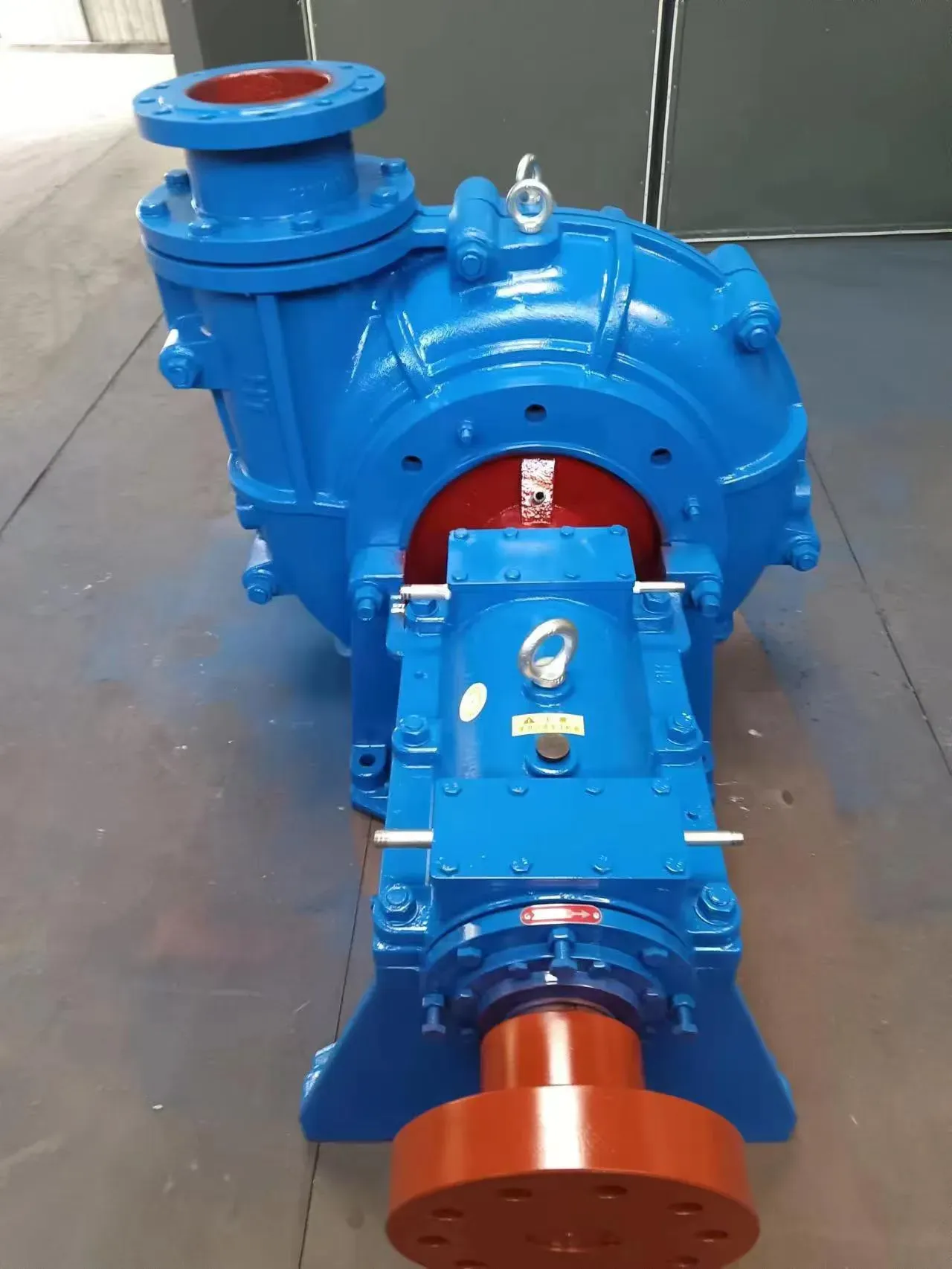
Pumping equipment utilizes steel alloys (typically stainless steel 304 or 316) for wands, hoses, and tank components due to their corrosion resistance in a highly corrosive environment containing hydrogen sulfide (H2S) and other organic compounds. Pump mechanisms commonly employ centrifugal or positive displacement designs. Centrifugal pumps are suitable for handling large volumes of liquid but are less effective with highly viscous sludge. Positive displacement pumps (e.g., diaphragm or progressive cavity pumps) offer higher torque and efficiency in handling viscous materials, but are more sensitive to solids and require robust filtration. Hose materials are frequently comprised of reinforced rubber compounds (e.g., nitrile rubber or EPDM) to withstand vacuum pressure and resist degradation from wastewater constituents. Manufacturing processes include concrete casting, fiberglass layup, rotational molding, and precision machining for pump components. Parameter control during these processes – concrete curing time, resin curing temperature, HDPE wall thickness, and alloy heat treatment – are crucial to ensuring material integrity and operational reliability.
Performance & Engineering
Performance of septic tank pumping is assessed by several engineering principles. Hydraulic flow rate is critical; insufficient flow can lead to incomplete sludge removal, while excessive flow can cause turbulence and re-suspension of settled solids. Force analysis focuses on the suction lift capacity of the pump and the pressure required to transfer the waste material. The pump's net positive suction head (NPSH) must exceed the available suction head to prevent cavitation. Environmental resistance necessitates careful consideration of wastewater temperature, pH, and the presence of corrosive agents. Hydrogen sulfide (H2S) corrosion is a significant concern for metal components, requiring corrosion inhibitors or the use of corrosion-resistant alloys. Furthermore, adherence to local regulations regarding effluent discharge, worker safety (confined space entry procedures), and waste disposal is paramount. Bio-solids handling and transport are regulated under 40 CFR Part 503, outlining standards for pathogen reduction and contaminant levels. Engineering best practices include employing vacuum trucks with adequate tank capacity, utilizing appropriate hose diameters to minimize friction loss, and implementing proper venting to prevent pressure buildup or collapse. Sludge dewatering techniques (e.g., belt filter presses) can reduce the volume of waste requiring transport and disposal, lowering operational costs and environmental impact.
Technical Specifications
| Parameter | Units | Typical Range | Testing Standard |
|---|---|---|---|
| Sludge Density | kg/m³ | 800 - 1200 | ASTM D854 |
| Sludge Volatile Solids Content | % | 50 - 70 | ASTM D2216 |
| Pump Flow Rate | L/min | 200 - 800 | ISO 9906 |
| Suction Lift | m | 4 - 8 | Manufacturer Specification |
| Hose Burst Pressure | MPa | 1.5 - 2.5 | ISO 3821 |
| Wastewater Temperature | °C | 10 - 30 | ASTM D120 |
Failure Mode & Maintenance
Septic tank pumping operations are subject to several potential failure modes. Fatigue cracking in pump hoses and suction wands due to repeated flexing and pressure cycles is common, requiring regular visual inspection and replacement. Delamination of fiberglass tank walls can occur due to freeze-thaw cycles or chemical attack, leading to structural compromise and leakage. Corrosion of metal components, particularly from H2S, results in pitting, weakening, and eventual failure. Blockages in hoses or pump inlets can occur from accumulated debris (e.g., rags, plastics) reducing flow rates and potentially damaging the pump. Sludge buildup in the tank can lead to short-circuiting of the treatment process and eventual system failure if pumping is delayed.
Preventative maintenance involves regular inspection of all equipment components for signs of wear, corrosion, or damage. Hoses should be pressure-tested periodically. Pump impellers and seals should be inspected and replaced as needed. Tank walls should be visually examined for cracks or delamination. Proper cleaning and disinfection of equipment after each use are essential to prevent cross-contamination and corrosion. Implementing a scheduled pumping frequency based on household size, wastewater flow rates, and solids accumulation rates (typically every 3-5 years) is crucial. Operator training on confined space entry procedures and hazard communication is essential for worker safety. Furthermore, proper waste disposal according to local regulations is critical to minimize environmental impact.
Industry FAQ
Q: What is the optimal pumping frequency for a typical four-person household?
A: For a typical four-person household, a pumping frequency of every 3-5 years is generally recommended. However, this is a guideline and can vary significantly based on factors such as water usage habits, the presence of a garbage disposal, and the size of the septic tank. Regular inspections of the sludge layer thickness are crucial to determine the appropriate pumping schedule.
Q: What are the risks associated with neglecting septic tank pumping?
A: Neglecting septic tank pumping can lead to several significant risks, including system failure resulting in sewage backups, environmental contamination of groundwater and surface water, and potential public health hazards due to pathogen exposure. Increased effluent discharge can also overload the drainfield, leading to costly repairs or replacement.
Q: What safety precautions are necessary during septic tank pumping?
A: Septic tank pumping involves working in a confined space with potentially hazardous atmospheres. Strict adherence to OSHA confined space entry procedures is mandatory, including atmospheric monitoring for oxygen levels and toxic gases (e.g., H2S), proper ventilation, use of personal protective equipment (PPE), and implementation of a rescue plan.
Q: How does the type of septic tank material (concrete, fiberglass, polyethylene) affect pumping procedures?
A: Concrete tanks require careful handling to avoid cracking during pumping. Fiberglass tanks are susceptible to damage from impact, so gentle hose insertion is essential. Polyethylene tanks, while durable, can collapse if subjected to excessive vacuum pressure, so pump settings must be carefully controlled. Pre-pumping inspection is important in all cases to understand the tank's condition.
Q: What are the regulations governing the disposal of septic tank waste?
A: Septic tank waste disposal is heavily regulated at the federal, state, and local levels. Regulations typically mandate treatment of the waste to reduce pathogen levels and contaminant concentrations before disposal. Acceptable disposal methods include discharge to a municipal wastewater treatment plant, land application as fertilizer (subject to stringent permitting requirements), or incineration. Compliance with 40 CFR Part 503 is generally required.
Conclusion
Septic tank pumping is a foundational element of sustainable wastewater management for decentralized systems. The process demands a thorough understanding of material science principles, hydraulic engineering, and regulatory compliance. Effective pumping relies on utilizing appropriate equipment, adhering to strict safety protocols, and implementing a proactive maintenance schedule. The variability in sludge characteristics and the potential for equipment failure underscore the importance of skilled operators and ongoing training.
Future trends in septic tank pumping may include the integration of sensor technologies for real-time sludge level monitoring, optimization of pumping schedules based on predictive modeling, and the development of advanced waste treatment technologies to further reduce environmental impact. Continued research and development are essential to address the challenges associated with aging infrastructure and evolving regulatory standards, ensuring the long-term reliability and sustainability of onsite sewage treatment systems.
-
Comprehensive Guide to Waterproof ORings for Optimal Sealing Solutions
News2026-06-09
-
Septic Pump Replacement Performance Analysis
News2026-06-10
-
Septic Pump Price Performance Analysis
News2026-06-10
-
pumps for septic systems Material Science Manufacturing
News2026-06-10
-
ejector pumps for basement bathrooms Performance Analysis
News2026-06-10
-
Ejector Pump Cost Analysis
News2026-06-10
-
drainage pumps Performance and Engineering
News2026-06-09
-
basement bathroom ejector pump Material Science
News2026-06-09
-
Sewer Ejector Pump Cost Performance Analysis
News2026-06-09
-
Septic Tank Pump Replacement Performance Analysis
News2026-06-09
-
septic sump pump Performance and Engineering
News2026-06-09
-
Septic Pump System Performance Analysis
News2026-06-08
-
pump for septic Material Science
News2026-06-08
-
basement sewer pump Performance Analysis
News2026-06-08
-
submerged pump Performance Engineering
News2026-06-08




