English
- Afrikaans
- Albanian
- Amharic
- Arabic
- Armenian
- Azerbaijani
- Basque
- Belarusian
- Bengali
- Bosnian
- Bulgarian
- Catalan
- Cebuano
- Corsican
- Croatian
- Czech
- Danish
- Dutch
- English
- Esperanto
- Estonian
- Finnish
- French
- Frisian
- Galician
- Georgian
- German
- Greek
- Gujarati
- Haitian Creole
- hausa
- hawaiian
- Hebrew
- Hindi
- Miao
- Hungarian
- Icelandic
- igbo
- Indonesian
- irish
- Italian
- Japanese
- Javanese
- Kannada
- kazakh
- Khmer
- Rwandese
- Korean
- Kurdish
- Kyrgyz
- Lao
- Latin
- Latvian
- Lithuanian
- Luxembourgish
- Macedonian
- Malgashi
- Malay
- Malayalam
- Maltese
- Maori
- Marathi
- Mongolian
- Myanmar
- Nepali
- Norwegian
- Norwegian
- Occitan
- Pashto
- Persian
- Polish
- Portuguese
- Punjabi
- Romanian
- Russian
- Samoan
- Scottish Gaelic
- Serbian
- Sesotho
- Shona
- Sindhi
- Sinhala
- Slovak
- Slovenian
- Somali
- Spanish
- Sundanese
- Swahili
- Swedish
- Tagalog
- Tajik
- Tamil
- Tatar
- Telugu
- Thai
- Turkish
- Turkmen
- Ukrainian
- Urdu
- Uighur
- Uzbek
- Vietnamese
- Welsh
- Bantu
- Yiddish
- Yoruba
- Zulu

Telephone: +86 13120555503
Email: frank@cypump.com


Apr . 01, 2024 17:55 Back to list
septic tank water pump Performance Analysis
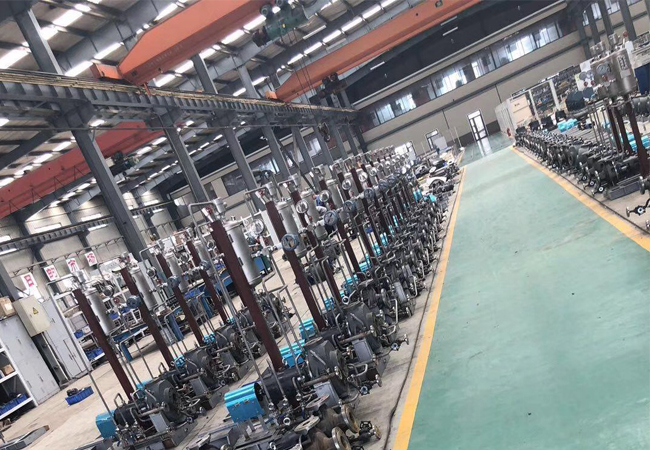
Introduction
Septic tank water pumps, also known as effluent pumps, are critical components in decentralized wastewater treatment systems. These pumps are specifically designed to handle the challenging fluids found in septic tank effluent – a mixture of partially treated wastewater, solids, and potential debris. Positioned within the septic tank or a designated lift station, their function is to transfer this effluent to a subsequent treatment stage, typically a leach field (drainfield) for final soil-based filtration. Unlike standard centrifugal pumps, effluent pumps are engineered to tolerate solids and resist clogging, offering consistent performance despite the variable composition of septic tank waste. Core performance characteristics include flow rate (gallons per minute or GPM), total dynamic head (TDH – the maximum height the pump can lift the fluid), horsepower (HP), and solids handling capability (typically expressed as sphere diameter in millimeters). The efficient and reliable operation of these pumps is paramount to preventing system failure, environmental contamination, and costly repairs, addressing a critical pain point for homeowners and wastewater management professionals alike.
Material Science & Manufacturing
The construction of septic tank water pumps necessitates materials capable of withstanding prolonged exposure to corrosive wastewater components and abrasive solids. Pump housings are commonly manufactured from engineered thermoplastics such as polypropylene (PP) or high-density polyethylene (HDPE) due to their chemical resistance and cost-effectiveness. However, for higher-demand applications or abrasive effluent, cast iron (typically with an epoxy coating for corrosion protection) and stainless steel (grades 304 or 316 for superior corrosion resistance) are employed. Impeller materials frequently mirror housing materials – PP, HDPE, or stainless steel. Crucially, the impeller design is a key factor in solids handling capability. Open-channel impellers with large passages are favored to prevent clogging. Mechanical seals, vital for preventing leakage around the pump shaft, are usually constructed from silicon carbide faces coupled with elastomers like Viton or EPDM, chosen for their compatibility with septic tank effluent. Manufacturing processes include rotational molding for thermoplastic housings, sand casting or investment casting for metal housings, and injection molding for smaller components like impellers and seals. Parameter control during manufacturing is critical. For example, rotational molding requires precise temperature and rotation speed control to ensure uniform wall thickness and prevent material degradation. Welding processes for metal housings must adhere to AWS D1.1 standards for structural welding to guarantee integrity. Post-manufacturing, pumps undergo rigorous hydrostatic testing to verify leak-proof performance under pressure.
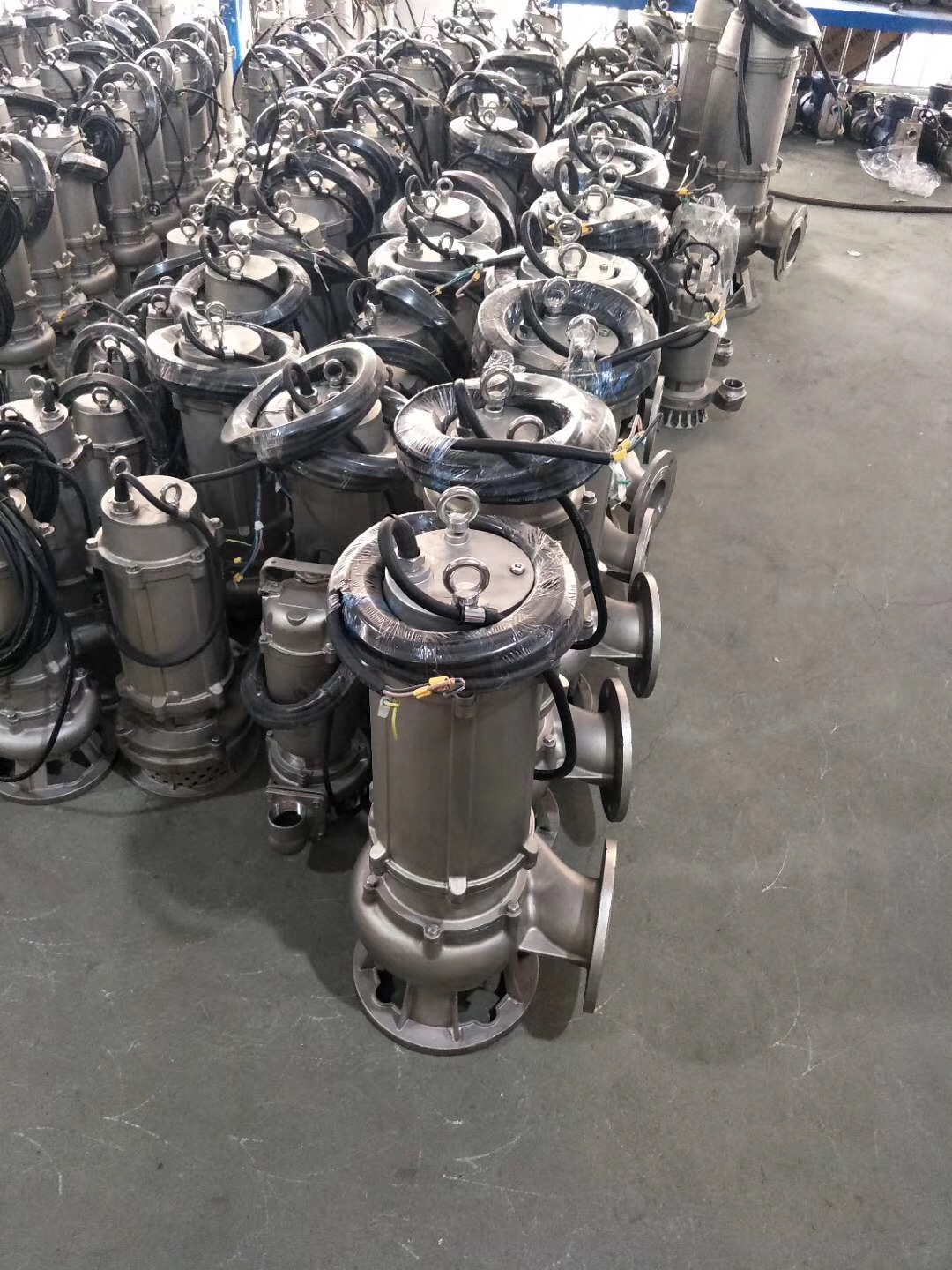
Performance & Engineering
The performance of a septic tank water pump is governed by several key engineering principles. Hydraulic design dictates the pump's ability to efficiently move fluid. Bernoulli's principle applies, relating fluid velocity, pressure, and elevation. The pump’s impeller imparts kinetic energy to the effluent, converting it to pressure energy. Cavitation, a phenomenon where vapor bubbles form and collapse within the pump, is a major concern. It can lead to impeller damage and reduced pump efficiency. Net Positive Suction Head (NPSH) requirements are critical; insufficient NPSH can induce cavitation. Force analysis is crucial in designing the pump's structural components to withstand hydrostatic pressure and mechanical stresses. Environmental resistance is paramount, particularly corrosion resistance. The pH of septic tank effluent can vary significantly, and sulfide compounds can contribute to corrosion. Material selection and protective coatings must mitigate these effects. Compliance requirements vary by jurisdiction but commonly include certifications from organizations like NSF International for wastewater treatment components. Functional implementation necessitates careful consideration of the pump’s interaction with the control system. Float switches are frequently used to automatically activate and deactivate the pump based on effluent level. Proper wiring, grounding, and overcurrent protection are essential for safe and reliable operation. Pump curves, which plot flow rate against TDH, are indispensable tools for selecting the appropriate pump for a given application. System losses due to pipe friction and elevation changes must be accurately accounted for in the TDH calculation.
Technical Specifications
| Parameter | Typical Range | Units | Testing Standard |
|---|---|---|---|
| Flow Rate | 40-120 | GPM (Gallons Per Minute) | ANSI/ASME B73.1 |
| Total Dynamic Head (TDH) | 10-50 | Feet | Hydraulic Institute Standards |
| Horsepower (HP) | 1/2 - 1 | HP | NEMA MG 1 |
| Solids Handling Capability | Up to 2 | Inches (Sphere Diameter) | Manufacturer Specification |
| Voltage | 120/240 | VAC (Volts Alternating Current) | UL 508A |
| Operating Temperature | 33-90 | °F (Degrees Fahrenheit) | ASTM D698 |
Failure Mode & Maintenance
Septic tank water pumps are susceptible to several failure modes. Clogging is a prevalent issue, caused by the accumulation of solids (e.g., rags, wipes, grease) obstructing the impeller or discharge passages. This leads to reduced flow, overheating, and potential motor burnout. Mechanical seal failure is common due to abrasion from solids or chemical degradation of the seal materials, resulting in leakage. Impeller damage, including cracking or erosion, can occur from cavitation, impact from hard solids, or material fatigue. Motor failure can result from overheating (often due to clogging), electrical faults, or bearing wear. Corrosion, particularly of metal components, is a long-term degradation mechanism. Regular maintenance is crucial to prevent failures. This includes periodic inspection and cleaning of the pump intake and discharge to remove accumulated debris. Checking and replacing mechanical seals as needed is critical. Monitoring pump amperage draw can indicate overloading or impeller obstruction. Lubricating motor bearings per manufacturer recommendations extends motor life. Visual inspection for corrosion and repair or replacement of affected components is necessary. Proper tank maintenance—avoiding the disposal of non-biodegradable items into the septic system—significantly reduces the frequency of pump failures. For advanced diagnostics, vibration analysis can detect bearing wear or impeller imbalance. Failure analysis should always involve documenting the failure mode, inspecting the pump components, and identifying the root cause to prevent recurrence.
Industry FAQ
Q: What is the expected lifespan of a typical septic tank effluent pump?
A: The lifespan of a septic tank effluent pump varies considerably depending on usage, effluent composition, and maintenance practices. However, a well-maintained pump can typically operate for 5-10 years. More frequent use, heavily loaded effluent (high solids content), and neglected maintenance will shorten the lifespan.
Q: How do I determine the correct pump size (flow rate and TDH) for my application?
A: Determining the correct pump size requires a careful assessment of the system’s requirements. You need to calculate the total dynamic head (TDH), which includes static head (vertical distance from the pump to the discharge point) plus friction losses in the piping. The required flow rate depends on the leach field’s capacity and the daily wastewater flow. Consulting pump curves and working with a qualified septic system professional is highly recommended.
Q: What are the common causes of pump failure, and how can they be prevented?
A: Common causes include clogging, mechanical seal failure, and motor burnout. Prevention involves regular maintenance (cleaning, seal replacement), avoiding the disposal of inappropriate materials into the septic system, and ensuring proper electrical protection. Utilizing a pump with solids-handling capabilities designed for septic applications is also vital.
Q: What type of control system is typically used with a septic tank pump?
A: Float switches are the most common control method. A float switch activates the pump when the effluent level reaches a predetermined high point and deactivates it when the level drops to a low point. Digital level sensors and timers are also used in more sophisticated systems. Proper wiring and overcurrent protection are essential for safe operation.
Q: What materials are best suited for septic tank pumps to maximize corrosion resistance?
A: Stainless steel (304 or 316 grade) offers excellent corrosion resistance but is more expensive. Engineered thermoplastics like polypropylene (PP) and high-density polyethylene (HDPE) provide good chemical resistance at a lower cost. Epoxy coatings can be applied to cast iron housings to enhance corrosion protection. The choice depends on the specific effluent composition and budget constraints.
Conclusion
Septic tank water pumps are indispensable components in decentralized wastewater treatment, demanding robust engineering and material selection to withstand the harsh conditions of septic environments. Their performance is directly tied to accurate sizing, proper installation, and diligent maintenance. Understanding the core principles of fluid mechanics, corrosion science, and failure analysis is crucial for ensuring reliable operation and preventing costly system disruptions.
Future advancements in pump technology will likely focus on enhanced solids handling capabilities, increased energy efficiency, and integration with smart monitoring systems for predictive maintenance. The trend towards more sustainable wastewater management practices will necessitate pumps that are even more reliable, durable, and environmentally friendly, driving innovation in materials, designs, and control strategies.
-
Comprehensive Guide to Waterproof ORings for Optimal Sealing Solutions
News2026-06-09
-
submersible pump set Performance Analysis
News2026-06-16
-
Sewer Ejector Pumps Material Science
News2026-06-16
-
septic water pump Performance Analysis
News2026-06-16
-
septic tank water pump Performance Analysis
News2026-06-16
-
Septic Tank Pump to Drain Field Performance Analysis
News2026-06-16
-
septic tank pump system Performance Analysis
News2026-06-15
-
septic system lift pump Performance Analysis
News2026-06-15
-
septic pumps for sale Performance Analysis
News2026-06-15
-
lift pump for septic system Material Science Manufacturing
News2026-06-15
-
Ejector Pit and Pump System Performance
News2026-06-15
-
basement plumbing pump Performance Engineering
News2026-06-14
-
water submersible pump Performance Engineering
News2026-06-14
-
Septic Systems with Pumps Performance Analysis
News2026-06-14
-
Septic Pump Systems Performance Analysis
News2026-06-14




