English
- Afrikaans
- Albanian
- Amharic
- Arabic
- Armenian
- Azerbaijani
- Basque
- Belarusian
- Bengali
- Bosnian
- Bulgarian
- Catalan
- Cebuano
- Corsican
- Croatian
- Czech
- Danish
- Dutch
- English
- Esperanto
- Estonian
- Finnish
- French
- Frisian
- Galician
- Georgian
- German
- Greek
- Gujarati
- Haitian Creole
- hausa
- hawaiian
- Hebrew
- Hindi
- Miao
- Hungarian
- Icelandic
- igbo
- Indonesian
- irish
- Italian
- Japanese
- Javanese
- Kannada
- kazakh
- Khmer
- Rwandese
- Korean
- Kurdish
- Kyrgyz
- Lao
- Latin
- Latvian
- Lithuanian
- Luxembourgish
- Macedonian
- Malgashi
- Malay
- Malayalam
- Maltese
- Maori
- Marathi
- Mongolian
- Myanmar
- Nepali
- Norwegian
- Norwegian
- Occitan
- Pashto
- Persian
- Polish
- Portuguese
- Punjabi
- Romanian
- Russian
- Samoan
- Scottish Gaelic
- Serbian
- Sesotho
- Shona
- Sindhi
- Sinhala
- Slovak
- Slovenian
- Somali
- Spanish
- Sundanese
- Swahili
- Swedish
- Tagalog
- Tajik
- Tamil
- Tatar
- Telugu
- Thai
- Turkish
- Turkmen
- Ukrainian
- Urdu
- Uighur
- Uzbek
- Vietnamese
- Welsh
- Bantu
- Yiddish
- Yoruba
- Zulu

Telephone: +86 13120555503
Email: frank@cypump.com


Apr . 01, 2024 17:55 Back to list
septic tank sump pump Performance Analysis
Introduction
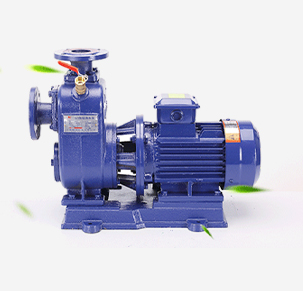
Septic tank sump pumps are submersible pumps designed to automatically remove wastewater accumulation from a septic tank’s pump chamber, typically to a drain field. Their technical position within the wastewater treatment chain is as a critical component for systems utilizing pressure distribution or mound systems where gravity flow is insufficient. Unlike traditional septic systems relying solely on gravity, sump pumps provide a consistent and regulated flow, extending drain field life and preventing system failures. Core performance characteristics include flow rate (gallons per minute - GPM), head pressure (feet), horsepower (HP), and solids handling capability. A key industry pain point centers around pump failure due to solids buildup, corrosion, and inadequate sizing for peak flow conditions. Reliable operation is paramount to prevent costly backups and environmental contamination. The selection and maintenance of these pumps require understanding of hydraulic principles, pump curves, and local environmental regulations.
Material Science & Manufacturing
The core components of a septic tank sump pump dictate its longevity and performance. Impellers and pump housings are commonly constructed from engineered thermoplastic materials like polypropylene or high-density polyethylene (HDPE) for resistance to corrosive septic tank environments. These materials offer excellent chemical resistance to hydrogen sulfide (H2S), sulfates, and organic acids. However, long-term exposure to abrasive solids can cause wear. More robust models utilize cast iron housings with epoxy or ceramic coatings for enhanced durability. Motor housings are often stainless steel (304 or 316) for corrosion resistance. Shafts are typically composed of 400-series stainless steel for hardness and resistance to wear. Seals are typically composed of Viton or nitrile rubber, chosen for their compatibility with wastewater components. Manufacturing processes primarily involve injection molding for plastic components, casting for metal components, and automated assembly. Critical parameters during manufacturing include dimensional accuracy of impeller blades to optimize hydraulic efficiency, concentricity of the motor shaft to minimize vibration and wear, and seal integrity to prevent leakage. Welding processes used in some metal constructions must adhere to AWS D1.1 standards to ensure structural integrity. Quality control includes hydrostatic testing to verify housing integrity and electrical safety testing according to UL/CSA standards.
Performance & Engineering
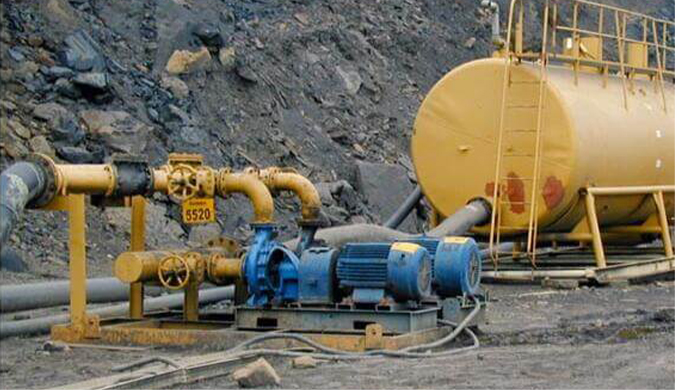
The performance of a septic tank sump pump is fundamentally governed by hydraulic principles and motor characteristics. Force analysis must consider the dynamic head (static head plus friction losses in piping) and the pump’s capacity to overcome this head at a given flow rate. Pump curves, provided by manufacturers, detail the relationship between flow rate, head, and horsepower. Proper pump sizing is crucial; undersized pumps will cycle frequently, leading to premature failure, while oversized pumps are inefficient and can damage the drain field. Environmental resistance is a key engineering consideration. Submersible pumps must withstand continuous submersion in wastewater, including potential exposure to corrosive gases and solids. Cable and cord materials must be suitable for wet environments and resistant to degradation. Compliance requirements vary by locality, often dictated by the EPA and state environmental agencies. These regulations may specify pump efficiency standards, noise level limits, and safety features (e.g., overload protection, automatic shut-off). Functional implementation includes a float switch mechanism to automatically activate and deactivate the pump based on liquid level in the pump chamber. Float switch design is critical to prevent pump burnout due to running dry or continuous operation. Redundancy with dual pumps is common in critical applications to ensure continuous operation in case of pump failure.
Technical Specifications
| Horsepower (HP) | Flow Rate (GPM) | Maximum Head (ft) | Solids Handling Capacity (in) |
|---|---|---|---|
| 1/3 HP | 40-60 | 20-30 | 1.5 |
| 1/2 HP | 60-80 | 30-40 | 2 |
| 3/4 HP | 80-100 | 40-50 | 2.5 |
| 1 HP | 100-120 | 50-60 | 3 |
| Voltage (V) | Frequency (Hz) | Phase | Ambient Temperature (°F) |
| 120V | 60 Hz | Single | 32-104 |
Failure Mode & Maintenance
Septic tank sump pumps are susceptible to several failure modes. Fatigue cracking of the impeller due to abrasive solids is common, leading to reduced flow and eventual pump failure. Delamination of epoxy coatings on cast iron housings can expose the metal to corrosion, resulting in housing failure. Seal degradation due to chemical attack or wear allows wastewater to enter the motor housing, causing short circuits and motor burnout. Clogging of the impeller or intake screen by debris (rags, plastic, etc.) reduces pump efficiency and can lead to overheating. Oxidation of electrical connections causes intermittent operation or complete failure. Preventative maintenance is critical. Regular inspection of the pump chamber for excessive solids buildup is essential. Cleaning the intake screen every 6-12 months prevents clogging. Periodic voltage and amperage checks verify proper motor operation. Lubrication of the pump’s bearings (if applicable) extends pump life. If pump failure occurs, a thorough failure analysis should be conducted to identify the root cause and prevent recurrence. This includes inspection of the impeller, housing, seals, and electrical components. Replacement parts should meet or exceed original equipment manufacturer (OEM) specifications.
Industry FAQ
Q: What is the impact of flow rate and head on pump selection?
A: Flow rate dictates the volume of wastewater the pump can move per unit time, while head represents the vertical distance the pump can lift the water, plus friction losses. Incorrectly matching these parameters leads to inefficient operation or pump failure. A low flow rate won't adequately evacuate the pump chamber, leading to backups. Excessive head requirements can overload the motor.
Q: How does hydrogen sulfide (H2S) affect pump materials?
A: H2S is a corrosive gas produced during the anaerobic decomposition of organic matter in septic tanks. It can attack and degrade many metals, and certain plastics. Therefore, pumps used in septic applications require materials with high H2S resistance, such as stainless steel (316), engineered thermoplastics, and specific rubber compounds.
Q: What are the common causes of pump cycling?
A: Pump cycling refers to frequent on/off cycles. Common causes include improper float switch adjustment, undersized pump capacity for peak flows, or leaks in the discharge piping. Excessive cycling reduces pump life and increases energy consumption.
Q: What safety features should I look for in a septic tank sump pump?
A: Essential safety features include thermal overload protection to prevent motor burnout, automatic shut-off in case of dry running, and properly grounded electrical connections. Pumps should also comply with relevant UL/CSA safety standards.
Q: How often should I inspect and maintain the pump system?
A: Annual inspections are recommended, including checking the pump chamber for solids buildup, cleaning the intake screen, and verifying the float switch operation. Electrical connections should be inspected for corrosion. More frequent inspections may be necessary in high-use systems or areas with known water quality issues.
Conclusion
The reliable operation of septic tank sump pumps is critical for effective wastewater management in systems relying on pressure distribution. Selection must be based on a thorough understanding of hydraulic requirements, material compatibility with the corrosive septic tank environment, and adherence to local regulations. Ignoring these factors can lead to premature pump failure, costly repairs, and potential environmental concerns.
Future advancements in pump technology may focus on improved impeller designs for enhanced solids handling, more durable materials for extended pump life, and smart monitoring systems for predictive maintenance. A proactive approach to pump selection, installation, and maintenance is essential for ensuring long-term system performance and minimizing environmental impact.
-
Sewer Line Pump Material Science and Manufacturing
News2026-05-15
-
best sewage pump Performance Analysis
News2026-05-15
-
sewage pump for basement bathroom Performance and Engineering
News2026-05-15
-
submersible sewer pump Material Science and Manufacturing
News2026-05-15
-
septic tank sump pump Performance Analysis
News2026-05-15
-
effluent pump Performance and Engineering
News2026-05-14
-
basement waste pump Performance Analysis
News2026-05-14
-
sewage water pump Material Science and Manufacturing
News2026-05-14
-
Sewage Transfer Pump Performance Analysis
News2026-05-14
-
sewage submersible pump Performance Analysis
News2026-05-14
-
sewage pumps for basements Material Science Manufacturing
News2026-05-13
-
sewage pump systems Performance and Engineering
News2026-05-13
-
sewage grinding pump Material Science and Manufacturing
News2026-05-13
-
ejector pumps for sewage Performance Analysis
News2026-05-13
-
effluent pump vs sump pump Performance Analysis
News2026-05-13




