English
- Afrikaans
- Albanian
- Amharic
- Arabic
- Armenian
- Azerbaijani
- Basque
- Belarusian
- Bengali
- Bosnian
- Bulgarian
- Catalan
- Cebuano
- Corsican
- Croatian
- Czech
- Danish
- Dutch
- English
- Esperanto
- Estonian
- Finnish
- French
- Frisian
- Galician
- Georgian
- German
- Greek
- Gujarati
- Haitian Creole
- hausa
- hawaiian
- Hebrew
- Hindi
- Miao
- Hungarian
- Icelandic
- igbo
- Indonesian
- irish
- Italian
- Japanese
- Javanese
- Kannada
- kazakh
- Khmer
- Rwandese
- Korean
- Kurdish
- Kyrgyz
- Lao
- Latin
- Latvian
- Lithuanian
- Luxembourgish
- Macedonian
- Malgashi
- Malay
- Malayalam
- Maltese
- Maori
- Marathi
- Mongolian
- Myanmar
- Nepali
- Norwegian
- Norwegian
- Occitan
- Pashto
- Persian
- Polish
- Portuguese
- Punjabi
- Romanian
- Russian
- Samoan
- Scottish Gaelic
- Serbian
- Sesotho
- Shona
- Sindhi
- Sinhala
- Slovak
- Slovenian
- Somali
- Spanish
- Sundanese
- Swahili
- Swedish
- Tagalog
- Tajik
- Tamil
- Tatar
- Telugu
- Thai
- Turkish
- Turkmen
- Ukrainian
- Urdu
- Uighur
- Uzbek
- Vietnamese
- Welsh
- Bantu
- Yiddish
- Yoruba
- Zulu

Telephone: +86 13120555503
Email: frank@cypump.com


Apr . 01, 2024 17:55 Back to list
Septic Tank Pumps Prices Performance Analysis
Introduction
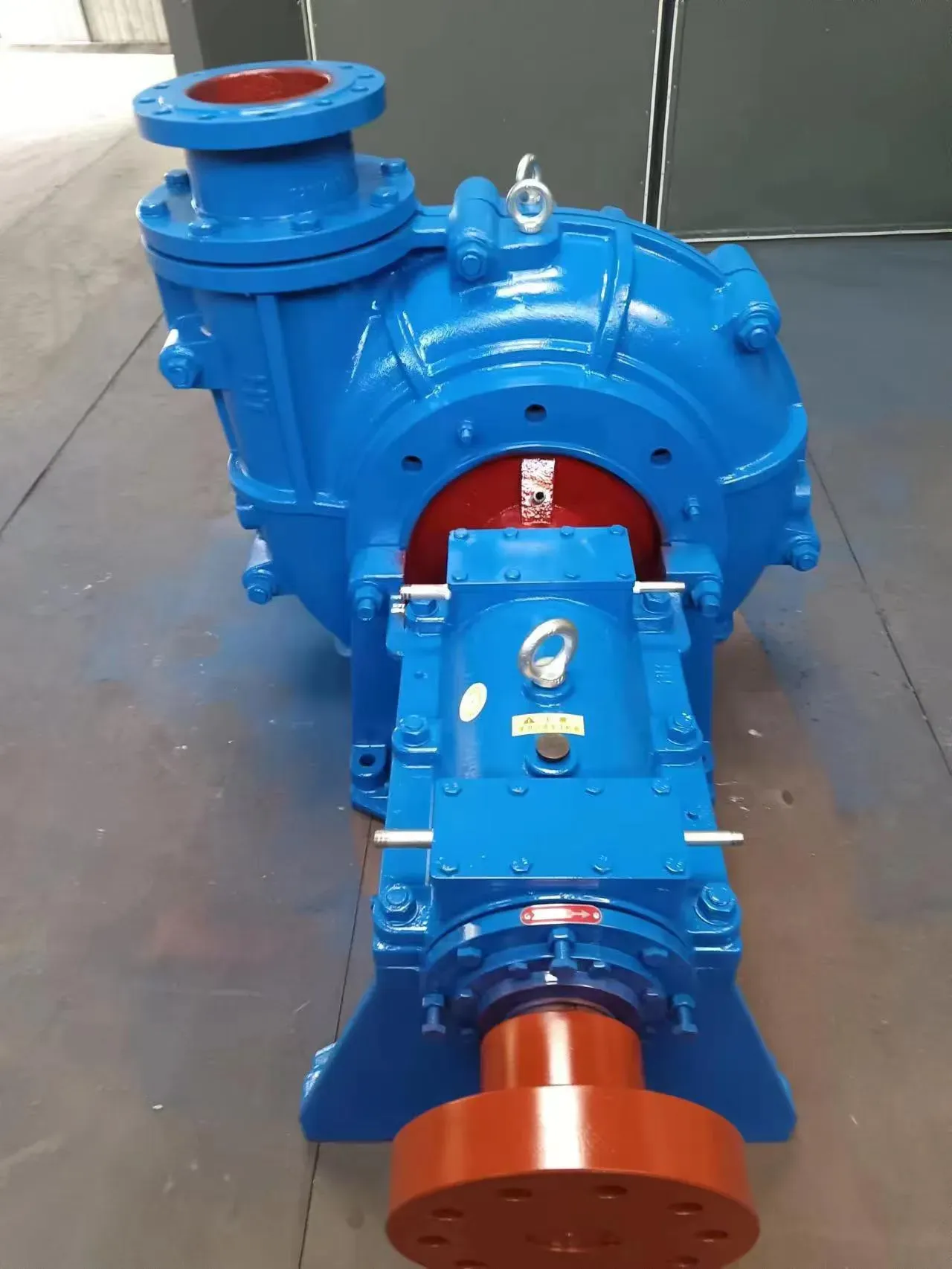
Septic tank pumps are critical components in wastewater management systems, facilitating the transfer of effluent from septic tanks to drain fields. Their selection and operation are dictated by factors including tank size, soil permeability, hydraulic head, and daily wastewater flow rates. Pricing variability stems from pump type (submersible, centrifugal, diaphragm), materials of construction, flow rate capacity, horsepower, control systems, and manufacturer. This guide provides a comprehensive technical overview of septic tank pumps, addressing material science, manufacturing processes, performance characteristics, potential failure modes, and relevant industry standards. The core industry pain points revolve around pump longevity, energy efficiency, resistance to corrosive environments, and reliable operation in challenging conditions – including solids handling capabilities. Improper pump selection leads to system failures, environmental concerns, and costly repairs. Understanding the technical nuances influencing septic tank pump prices is therefore paramount for informed procurement and long-term system performance.
Material Science & Manufacturing
Septic tank pumps are typically constructed from cast iron, stainless steel (304 or 316), or engineered polymers. Cast iron offers cost-effectiveness and durability but is susceptible to corrosion in anaerobic environments. Stainless steel provides superior corrosion resistance but comes at a higher price point. Polymer pumps, commonly utilizing polypropylene or polyethylene, are lightweight and resistant to many chemicals but may exhibit lower mechanical strength. Impellers are frequently manufactured from a glass-filled thermoplastic material like Noryl, balancing abrasion resistance with impact strength. Seals are critical; common materials include Viton, EPDM, and silicon carbide, selected for their chemical compatibility with wastewater constituents.
Manufacturing processes vary with material. Cast iron pumps utilize sand casting followed by machining and coating (epoxy or fusion-bonded powder). Stainless steel pumps typically involve investment casting or centrifugal casting, requiring precise welding and polishing. Polymer pumps are commonly manufactured via injection molding, ensuring tight tolerances and repeatable dimensions. Submersible pumps require meticulous sealing of the motor housing and cable entry points to prevent water ingress. Key parameter control during manufacturing includes impeller balance (to minimize vibration), seal concentricity (to prevent leakage), and coating thickness (for corrosion protection). Critical dimensions are validated using Coordinate Measuring Machines (CMMs) to ensure adherence to engineering specifications. The manufacturing process directly impacts the pump's hydraulic efficiency, reliability, and ultimately, its lifespan.
Performance & Engineering
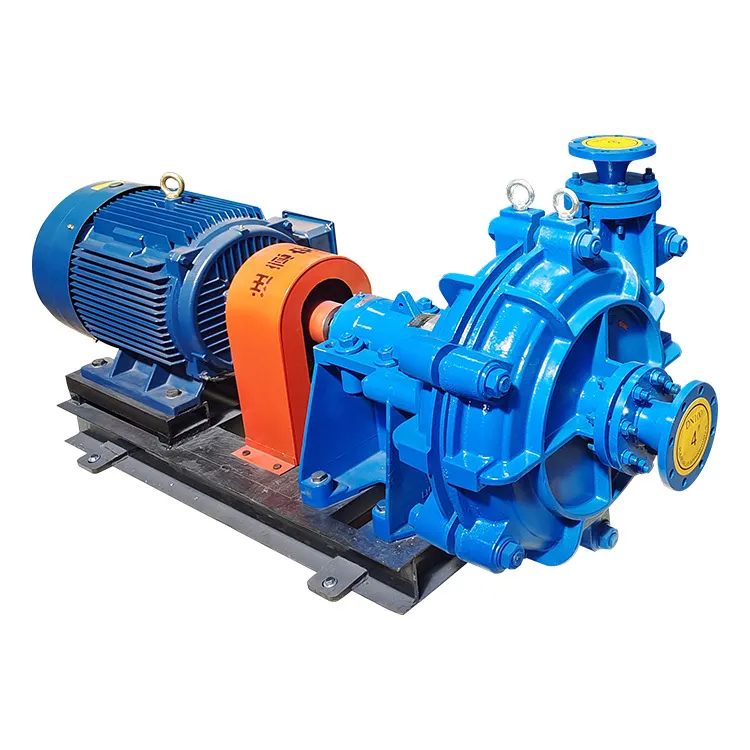
Septic tank pump performance is characterized by flow rate (gallons per minute - GPM), total dynamic head (TDH – feet), and horsepower (HP). Flow rate dictates the pump's ability to move wastewater effectively, while TDH represents the maximum vertical distance the pump can lift the fluid, considering friction losses in the piping system. Pump curves, provided by manufacturers, illustrate the relationship between flow rate and head. Force analysis considers the impeller's centrifugal force, the motor's torque, and the hydraulic forces acting on the pump housing. Environmental resistance is crucial; pumps must withstand continuous submersion in corrosive wastewater, fluctuating temperatures, and potential abrasion from solids. Compliance with NSF/ANSI 40 standards is paramount, ensuring the pump's materials are safe for potable water applications (even though septic effluent is non-potable, it highlights material safety).
Engineering design focuses on maximizing hydraulic efficiency, minimizing energy consumption, and preventing solids build-up. Impeller geometry, volute design, and internal clearances are optimized to reduce turbulence and maximize flow. Some pumps incorporate vortex impellers to handle larger solids without clogging. Control systems range from simple float switches to sophisticated level sensors and variable frequency drives (VFDs), allowing for automatic pump operation and energy savings. Proper pump sizing is critical; undersized pumps will struggle to keep up with peak flow rates, while oversized pumps will cycle on and off frequently, reducing their lifespan. Static and dynamic testing are performed to validate pump performance against manufacturer specifications.
Technical Specifications
| Pump Type | Horsepower (HP) | Maximum Flow Rate (GPM) | Maximum Head (ft) |
|---|---|---|---|
| Submersible | 1/2 | 60 | 25 |
| Centrifugal | 1 | 80 | 40 |
| Diaphragm | 1/4 | 30 | 15 |
| Submersible (Solids Handling) | 3/4 | 90 | 35 |
| Centrifugal (Stainless Steel) | 1.5 | 120 | 60 |
| Diaphragm (Polypropylene) | 1/2 | 45 | 20 |
Failure Mode & Maintenance
Common failure modes include impeller wear (due to abrasive solids), seal failure (leading to leakage), motor burnout (caused by overloading or overheating), and switch malfunction (preventing automatic operation). Fatigue cracking can occur in cast iron pump housings under cyclical loading. Delamination of polymer coatings can expose the underlying material to corrosion. Oxidation of electrical components can lead to short circuits.
Preventative maintenance is crucial. Regular inspection of seals, impellers, and electrical connections should be performed. Flushing the pump with clean water can remove accumulated solids. Monitoring pump runtime and energy consumption can identify potential problems. Lubricating bearings (if applicable) extends their lifespan. In the event of failure, a thorough failure analysis should be conducted to determine the root cause. Replace worn impellers and seals promptly. Repair or replace damaged electrical components. Ensure proper alignment of the pump and piping system to minimize vibration. Scheduled maintenance, guided by manufacturer recommendations, significantly extends pump life and minimizes downtime.
Industry FAQ
Q: What is the typical lifespan of a septic tank pump?
A: The typical lifespan ranges from 5 to 10 years, heavily dependent on operating conditions, maintenance practices, and the quality of the pump. Pumps operating in harsh environments with high solids content will likely have a shorter lifespan.
Q: How do I determine the correct pump size for my application?
A: Pump sizing requires calculating the total dynamic head (TDH) and determining the required flow rate based on the septic tank size, drain field characteristics, and daily wastewater volume. Consult a qualified engineer or use manufacturer-provided sizing tools.
Q: What are the advantages of a submersible pump over a centrifugal pump?
A: Submersible pumps are generally more efficient for lifting wastewater from deep tanks, are quieter in operation, and require less maintenance as the motor is sealed and submerged. Centrifugal pumps are often more cost-effective for applications with lower lift requirements.
Q: How important is the material of construction?
A: Material selection is critical for corrosion resistance and durability. Stainless steel (316) is preferred for highly corrosive environments, while cast iron with epoxy coating provides a more cost-effective solution for less demanding applications. Polymer pumps are suitable for specific chemical environments.
Q: What maintenance should be performed regularly?
A: Regular maintenance includes visual inspection for leaks, cleaning of the pump intake screen, checking the float switch operation, and monitoring pump runtime and energy consumption. Periodic inspection of seals and impeller wear is also recommended.
Conclusion
The selection of a septic tank pump is a multifaceted engineering decision, heavily influenced by application-specific parameters and long-term operational costs. Understanding the interplay between material science, manufacturing processes, and performance characteristics is crucial for maximizing system reliability and minimizing lifecycle expenses. Ignoring the potential for corrosion, abrasion, and mechanical failure can lead to premature pump failure and costly system downtime.
Future trends in septic tank pump technology include the development of more energy-efficient motors, smart control systems incorporating remote monitoring and diagnostics, and advanced materials offering enhanced corrosion resistance and solids handling capabilities. Investing in a properly sized, well-maintained pump, adhering to industry standards, and proactively addressing potential failure modes are key to ensuring a sustainable and efficient wastewater management system.
-
Precision at the Pump: How Better Machining Protects Flow and Uptime
News2026-11-20
-
Why Pump Reliability Begins Before the First Drop of Fluid
News2026-11-20
-
Beyond the Pump: Designing Safer Access Around Critical Water Infrastructure
News2026-11-20
-
Why Pumping Stations Depend on the Infrastructure Beneath the Pumps
News2026-11-20
-
Beyond the Pump Room: How Smarter Loading Protects Industrial Equipment
News2026-11-19
-
When Pumps Stop: Designing More Resilient Power for Critical Pumping Systems
News2026-11-19
-
The Hidden Role of Dust and Gas Monitoring in Reliable Pump Operations
News2026-11-19
-
The Hidden Role of Mineral Compounds in Extending Industrial Pump Lifespan
News2026-10-12
-
Why Pump System Reliability Depends on Precision Hose Assembly Methods
News2026-09-15
-
How Advanced Imaging Films Are Transforming Pump Component Quality Control
News2026-08-25
-
How Advanced Filtration Protects Pump Systems from Premature Wear and Costly Downtime
News2026-08-25
-
How Steel Material Selection Drives Pump Reliability in Heavy-Duty Systems
News2026-08-25
-
Ensuring Pump System Efficiency: The Role of High-Quality Pipe Fittings and Tubing
News2026-08-24
-
Optimizing Fluid Dynamics and Material Consistency in Industrial Processing
News2026-08-18
-
Innovations and Challenges in Hydraulic Systems for Heavy Machinery
News2026-08-13




