English
- Afrikaans
- Albanian
- Amharic
- Arabic
- Armenian
- Azerbaijani
- Basque
- Belarusian
- Bengali
- Bosnian
- Bulgarian
- Catalan
- Cebuano
- Corsican
- Croatian
- Czech
- Danish
- Dutch
- English
- Esperanto
- Estonian
- Finnish
- French
- Frisian
- Galician
- Georgian
- German
- Greek
- Gujarati
- Haitian Creole
- hausa
- hawaiian
- Hebrew
- Hindi
- Miao
- Hungarian
- Icelandic
- igbo
- Indonesian
- irish
- Italian
- Japanese
- Javanese
- Kannada
- kazakh
- Khmer
- Rwandese
- Korean
- Kurdish
- Kyrgyz
- Lao
- Latin
- Latvian
- Lithuanian
- Luxembourgish
- Macedonian
- Malgashi
- Malay
- Malayalam
- Maltese
- Maori
- Marathi
- Mongolian
- Myanmar
- Nepali
- Norwegian
- Norwegian
- Occitan
- Pashto
- Persian
- Polish
- Portuguese
- Punjabi
- Romanian
- Russian
- Samoan
- Scottish Gaelic
- Serbian
- Sesotho
- Shona
- Sindhi
- Sinhala
- Slovak
- Slovenian
- Somali
- Spanish
- Sundanese
- Swahili
- Swedish
- Tagalog
- Tajik
- Tamil
- Tatar
- Telugu
- Thai
- Turkish
- Turkmen
- Ukrainian
- Urdu
- Uighur
- Uzbek
- Vietnamese
- Welsh
- Bantu
- Yiddish
- Yoruba
- Zulu

Telephone: +86 13120555503
Email: frank@cypump.com


Apr . 01, 2024 17:55 Back to list
Septic Tank Pumps Performance Analysis
Introduction
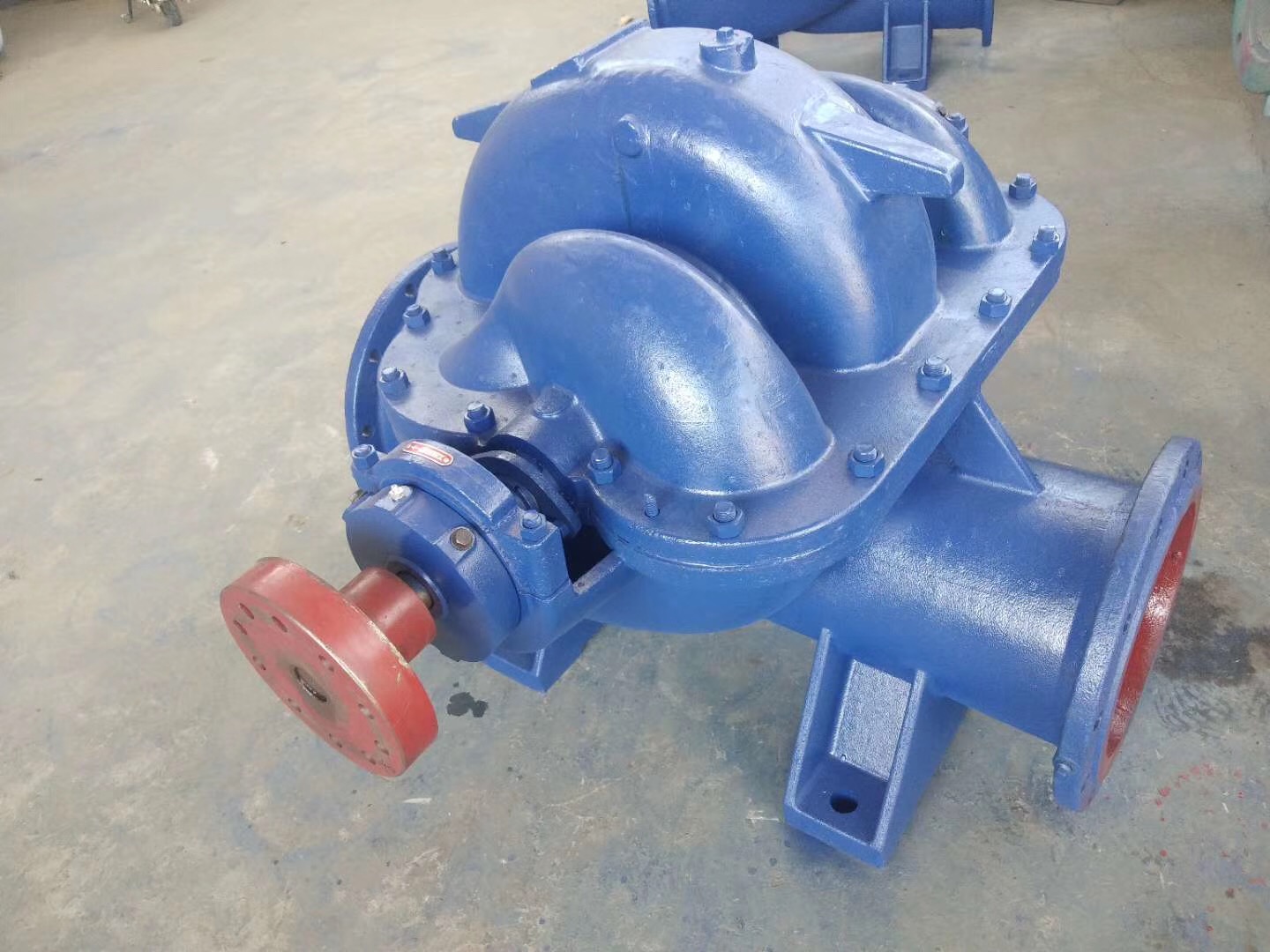
Septic tank pumps are critical components within decentralized wastewater treatment systems, responsible for transferring effluent from a septic tank to a subsequent treatment or disposal field. These pumps, generally categorized as submersible or surface-mounted, address the limitations of gravity-fed systems, particularly in situations with challenging topography, high water tables, or long distances between the tank and drainfield. The industry, currently valued in the billions globally, is driven by increasing demand for on-site wastewater solutions in areas lacking centralized sewer infrastructure, stringent environmental regulations regarding wastewater discharge, and the aging of existing septic systems. Core performance metrics center around flow rate (gallons per minute – GPM), total dynamic head (TDH – feet), solids handling capability (in inches), pump efficiency, and longevity under corrosive wastewater conditions. A prevalent industry pain point is pump failure due to solids buildup, corrosion, and inadequate system design, resulting in costly repairs, environmental contamination, and system downtime. Selecting the appropriate pump type, considering the specific characteristics of the wastewater, and implementing preventative maintenance are paramount for reliable operation.
Material Science & Manufacturing
Septic tank pumps utilize a range of materials dictated by their intended function and the harsh operating environment. Pump housings are commonly constructed from cast iron (ASTM A48 Class 30), stainless steel (304 or 316 – ASTM A240), or engineered polymers like high-density polyethylene (HDPE). Cast iron provides robust structural integrity and cost-effectiveness, but is susceptible to corrosion. Stainless steel, particularly 316, offers superior corrosion resistance due to its molybdenum content. HDPE is lightweight and chemically inert but possesses lower structural strength. Impellers are frequently manufactured from glass-filled polypropylene, high-chrome iron, or stainless steel to resist abrasion from solids. Shafts utilize 4140 alloy steel (ASTM A485) for high tensile strength and wear resistance, often with a ceramic coating for enhanced durability. Seals typically incorporate materials like silicon carbide (SiC) versus SiC or tungsten carbide (WC) versus WC to minimize wear and leakage. Manufacturing processes vary by component. Housings are typically produced through sand casting, investment casting, or injection molding. Impellers are often manufactured using investment casting or resin transfer molding. Critical parameters during manufacturing include dimensional accuracy (to ensure proper fit and sealing), surface finish (to reduce friction and corrosion), and material composition verification (using techniques such as X-ray fluorescence – XRF). Quality control is essential, with hydrostatic testing, non-destructive testing (NDT) like ultrasonic testing, and material certifications being standard practices.
Performance & Engineering
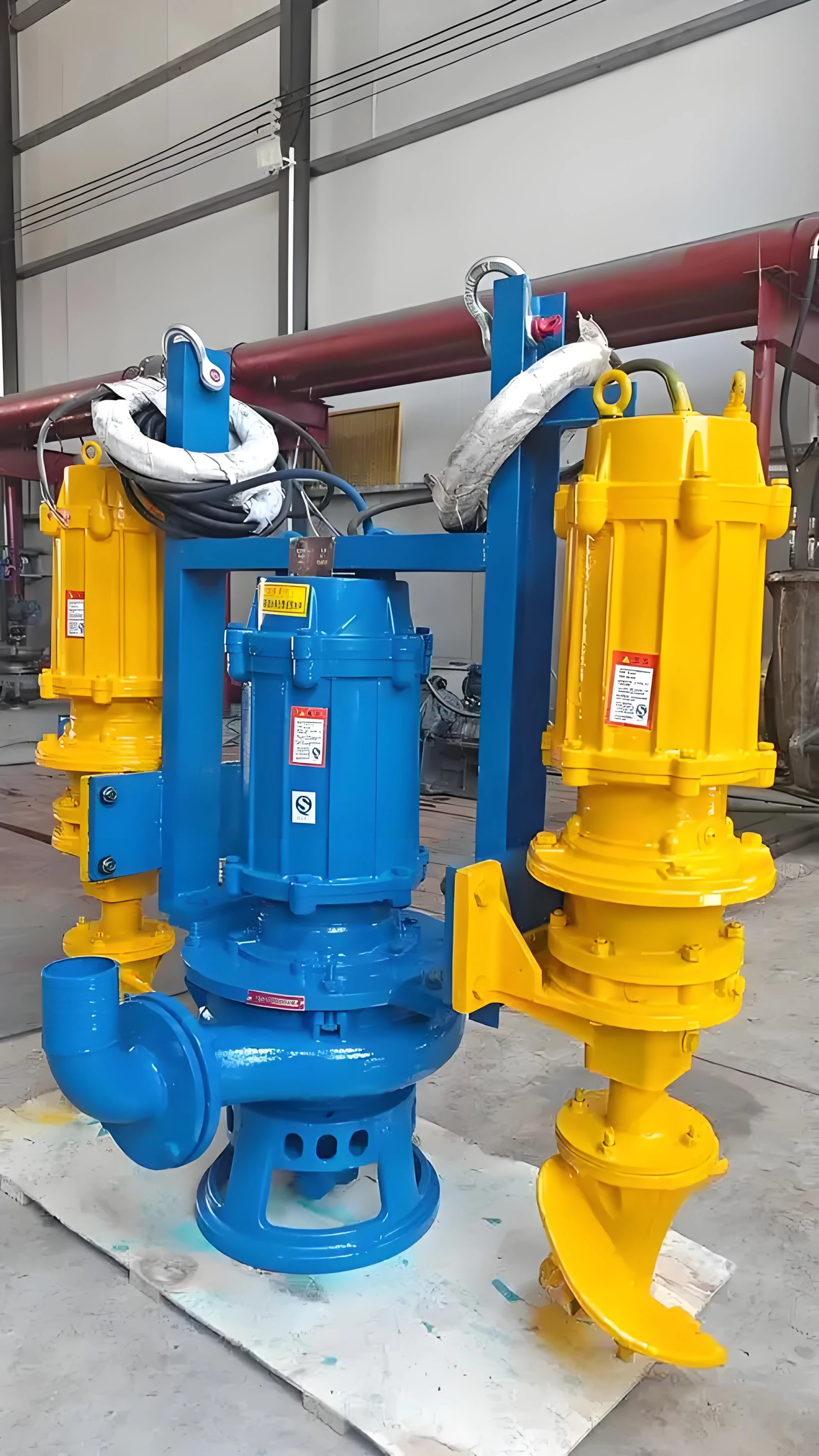
The performance of a septic tank pump is fundamentally governed by hydraulic principles and motor characteristics. Force analysis involves calculating the head loss due to friction in the piping system, elevation changes, and the pump’s internal components. Bernoulli's equation is crucial in determining the required pump head (TDH) to overcome these losses and deliver the desired flow rate. Pump curves, provided by manufacturers, graphically represent the relationship between flow rate and head. Environmental resistance is a key consideration. Wastewater contains corrosive substances like hydrogen sulfide (H2S) and sulfates, which can degrade pump materials. Submersible pumps are designed to operate fully immersed in the wastewater, mitigating corrosion, while surface-mounted pumps require corrosion-resistant coatings and materials. Compliance requirements are dictated by local and national regulations, including NSF/ANSI Standard 40 for wastewater treatment components and UL 778 for safety standards. Electrical safety is paramount, demanding proper grounding, overcurrent protection, and waterproof connections. Functional implementation involves careful system design, including proper pipe sizing, check valve placement to prevent backflow, and level control systems (float switches or pressure transducers) to automate pump operation. The pump’s impeller design (vortex, recessed, or solids-handling) is selected based on the anticipated solids content of the wastewater. Vortex impellers are suitable for high-solids applications, while recessed impellers offer improved efficiency in cleaner effluent.
Technical Specifications
| Parameter | Submersible Pump (Typical) | Surface-Mounted Pump (Typical) | Solids Handling Capacity |
|---|---|---|---|
| Flow Rate (GPM) | 40-120 | 30-80 | Up to 2 inches |
| Total Dynamic Head (TDH) | 50-100 ft | 40-80 ft | N/A |
| Motor Horsepower (HP) | 1/2 - 2 HP | 1/2 - 1.5 HP | N/A |
| Voltage (V) | 120/240 | 120/240 | N/A |
| Impeller Type | Vortex or Recessed | Centrifugal | N/A |
| Housing Material | Cast Iron or Stainless Steel | Cast Iron or Thermoplastic | N/A |
Failure Mode & Maintenance
Septic tank pumps are susceptible to several failure modes. Fatigue cracking in the impeller or housing can occur due to cyclical loading and stress corrosion. Delamination of coatings on pump components can expose the underlying material to corrosion. Degradation of seals leads to leakage and reduced pump efficiency. Oxidation and corrosion, particularly in cast iron components, weaken the pump structure. Solids buildup within the pump can cause jamming and motor overload. A common failure mode is winding burnout in the motor due to overheating, often caused by low voltage, dry running, or excessive cycling. Preventative maintenance is critical. This includes regular inspection of the pump for signs of corrosion, wear, or damage. Flushing the pump with clean water to remove accumulated solids is essential. Checking and lubricating bearings, if applicable. Monitoring motor amperage to identify potential overload conditions. Periodic testing of float switches and control systems. Addressing minor repairs promptly prevents escalation into major failures. For example, replacing worn seals proactively prevents complete pump seizure. When a pump fails, a thorough failure analysis should be conducted to determine the root cause and prevent recurrence. This includes visual inspection, material testing, and electrical testing. Following manufacturer’s recommendations for maintenance schedules and replacement parts is paramount.
Industry FAQ
Q: What is the appropriate pump size for a 1000-gallon septic tank servicing a 3-bedroom home?
A: Determining the appropriate pump size necessitates evaluating the daily wastewater flow, the distance and elevation difference between the tank and drainfield (TDH), and the pipe diameter. A typical 3-bedroom home generates approximately 150-225 gallons of wastewater per day. You’ll generally need a pump capable of handling at least 75 GPM with a TDH calculated based on your specific site conditions. Consulting a qualified septic system designer is recommended for accurate sizing.
Q: How does the impeller type affect pump performance with varying solids content?
A: Vortex impellers excel in handling high solids content because they utilize a swirling action to pass solids without maceration. Recessed impellers are more efficient with cleaner effluent but are less tolerant of solids. Centrifugal impellers are generally unsuitable for septic tank applications due to their sensitivity to solids buildup. Selecting the impeller type based on the expected solids load is crucial to avoid pump clogging and failure.
Q: What are the common causes of pump motor failure in septic systems?
A: Common causes include overheating due to dry running (pump operating without sufficient liquid), low voltage, excessive cycling (frequent starts and stops), and winding burnout. Corroded electrical connections and improper grounding can also contribute to motor failure. Regular voltage checks and maintaining proper liquid levels are essential preventative measures.
Q: What is the recommended maintenance schedule for a submersible septic tank pump?
A: A recommended schedule includes a visual inspection every 6 months for corrosion, wear, and damage. Flush the pump annually with clean water to remove accumulated solids. Check and lubricate bearings (if applicable) annually. Monitor motor amperage to detect potential overload conditions. Replace seals proactively every 2-3 years, depending on usage and water quality.
Q: What safety precautions should be taken when servicing a septic tank pump?
A: Always disconnect the pump from the power source before performing any maintenance. Wear appropriate personal protective equipment (PPE), including gloves, safety glasses, and a respirator if necessary. Be aware of potential hazards associated with confined spaces and hazardous gases. Follow all applicable electrical safety codes and regulations.
Conclusion
Septic tank pumps represent a vital, albeit often overlooked, component of decentralized wastewater management. Their selection, installation, and maintenance require a thorough understanding of hydraulic principles, material science, and regulatory compliance. The industry’s continued advancement focuses on increasing pump efficiency, enhancing solids handling capability, and improving long-term reliability. Addressing the prevalent pain points of corrosion, clogging, and premature failure through material advancements and optimized system designs is crucial for minimizing environmental impact and reducing lifecycle costs.
Looking ahead, integration with smart monitoring systems, utilizing IoT sensors to track pump performance and predict potential failures, will become increasingly commonplace. This proactive approach will enable preventative maintenance, minimize downtime, and extend the service life of septic tank pumps. Further research into alternative materials, such as advanced polymers and corrosion-resistant alloys, will continue to drive innovation and improve the sustainability of these essential systems.
-
Comprehensive Guide to Waterproof ORings for Optimal Sealing Solutions
News2026-06-09
-
Septic Pump Replacement Performance Analysis
News2026-06-10
-
Septic Pump Price Performance Analysis
News2026-06-10
-
pumps for septic systems Material Science Manufacturing
News2026-06-10
-
ejector pumps for basement bathrooms Performance Analysis
News2026-06-10
-
Ejector Pump Cost Analysis
News2026-06-10
-
drainage pumps Performance and Engineering
News2026-06-09
-
basement bathroom ejector pump Material Science
News2026-06-09
-
Sewer Ejector Pump Cost Performance Analysis
News2026-06-09
-
Septic Tank Pump Replacement Performance Analysis
News2026-06-09
-
septic sump pump Performance and Engineering
News2026-06-09
-
Septic Pump System Performance Analysis
News2026-06-08
-
pump for septic Material Science
News2026-06-08
-
basement sewer pump Performance Analysis
News2026-06-08
-
submerged pump Performance Engineering
News2026-06-08




