English
- Afrikaans
- Albanian
- Amharic
- Arabic
- Armenian
- Azerbaijani
- Basque
- Belarusian
- Bengali
- Bosnian
- Bulgarian
- Catalan
- Cebuano
- Corsican
- Croatian
- Czech
- Danish
- Dutch
- English
- Esperanto
- Estonian
- Finnish
- French
- Frisian
- Galician
- Georgian
- German
- Greek
- Gujarati
- Haitian Creole
- hausa
- hawaiian
- Hebrew
- Hindi
- Miao
- Hungarian
- Icelandic
- igbo
- Indonesian
- irish
- Italian
- Japanese
- Javanese
- Kannada
- kazakh
- Khmer
- Rwandese
- Korean
- Kurdish
- Kyrgyz
- Lao
- Latin
- Latvian
- Lithuanian
- Luxembourgish
- Macedonian
- Malgashi
- Malay
- Malayalam
- Maltese
- Maori
- Marathi
- Mongolian
- Myanmar
- Nepali
- Norwegian
- Norwegian
- Occitan
- Pashto
- Persian
- Polish
- Portuguese
- Punjabi
- Romanian
- Russian
- Samoan
- Scottish Gaelic
- Serbian
- Sesotho
- Shona
- Sindhi
- Sinhala
- Slovak
- Slovenian
- Somali
- Spanish
- Sundanese
- Swahili
- Swedish
- Tagalog
- Tajik
- Tamil
- Tatar
- Telugu
- Thai
- Turkish
- Turkmen
- Ukrainian
- Urdu
- Uighur
- Uzbek
- Vietnamese
- Welsh
- Bantu
- Yiddish
- Yoruba
- Zulu

Telephone: +86 13120555503
Email: frank@cypump.com


Apr . 01, 2024 17:55 Back to list
Septic Tank Pumps Cost Performance Analysis
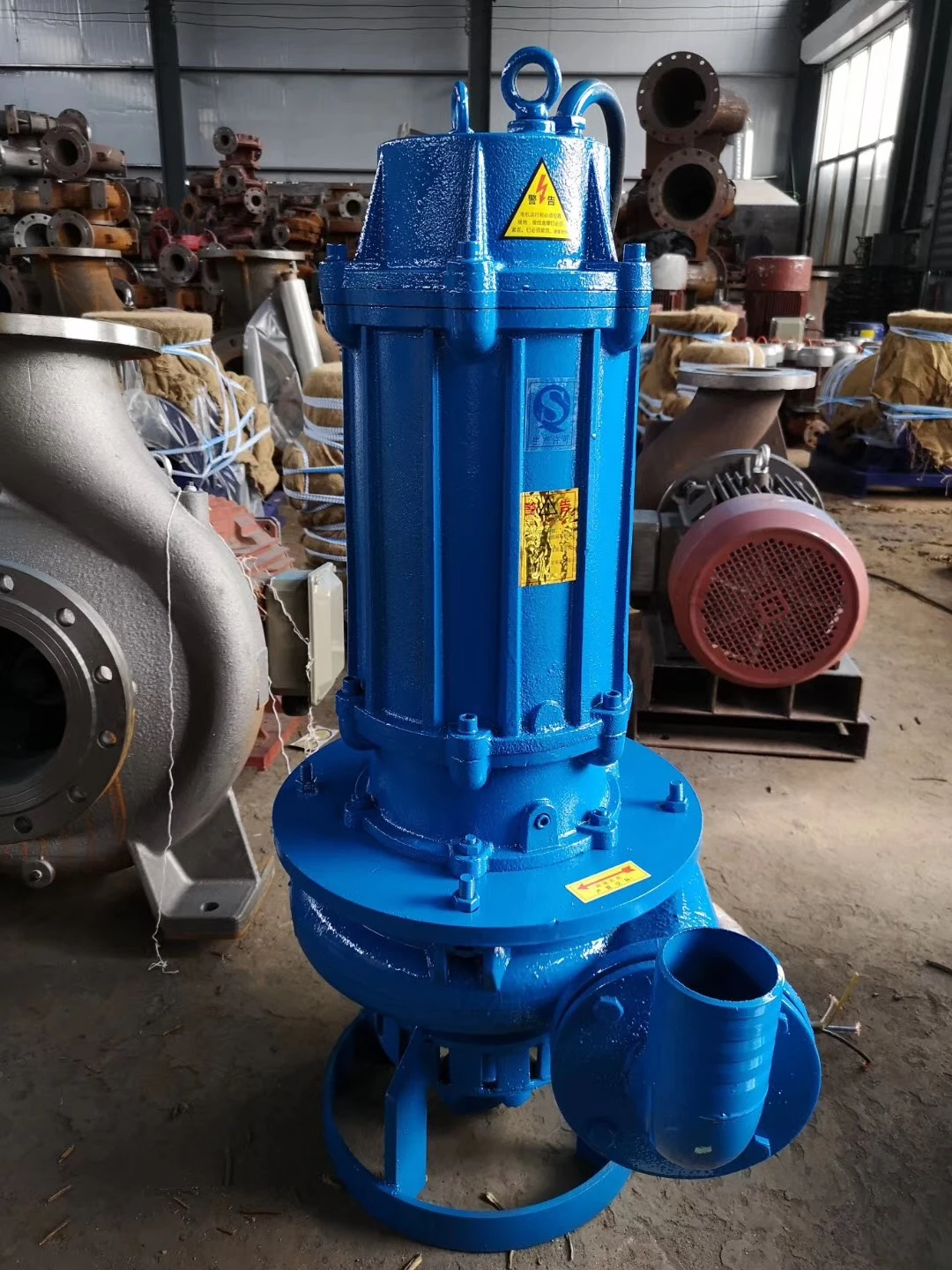
Introduction
Septic tank pumps are critical components within decentralized wastewater treatment systems, facilitating the conveyance of effluent from septic tanks to subsequent treatment and disposal stages, typically drainfields. Their cost is a significant factor in both initial system installation and long-term maintenance expenses. This guide provides a comprehensive technical overview of septic tank pumps, focusing on their material science, manufacturing processes, performance characteristics, potential failure modes, and applicable industry standards. The cost of these pumps is intimately linked to these factors – material selection impacts longevity and therefore life-cycle cost; manufacturing precision influences efficiency and reliability; and performance requirements dictate pump complexity and, consequently, price. Industry pain points include premature pump failure due to solids handling limitations, inadequate pumping capacity leading to system backups, and energy inefficiency. Understanding these elements is essential for informed procurement decisions, ensuring optimal system performance and minimizing total cost of ownership.
Material Science & Manufacturing
Septic tank pumps typically employ a combination of materials to withstand the corrosive nature of wastewater and the abrasive action of suspended solids. Pump housings are commonly constructed from engineered thermoplastics like polypropylene (PP) or high-density polyethylene (HDPE), offering resistance to hydrogen sulfide (H2S) and other corrosive compounds found in septic effluent. Impeller materials often include stainless steel (304 or 316 grade) or reinforced thermoplastic polymers. Shaft materials require high tensile strength and corrosion resistance, with 410 stainless steel being a frequent choice. Seals are critical for preventing leakage and are typically made from nitrile rubber (NBR) or Viton (fluoroelastomer) depending on the specific chemical composition of the effluent. Manufacturing processes vary based on component complexity. Pump housings are often produced via injection molding, allowing for precise tolerances and complex geometries. Impellers may be investment cast or machined from solid stock. Shafts are typically machined. Critical parameter control during manufacturing includes dimensional accuracy of impeller vanes (affecting hydraulic efficiency), concentricity of the shaft and housing (minimizing vibration and wear), and seal integrity. Welding processes, if utilized for certain components, require strict adherence to AWS D1.1 standards to ensure weld strength and corrosion resistance. The cost of these materials and the complexity of the manufacturing processes directly impact the overall pump cost.
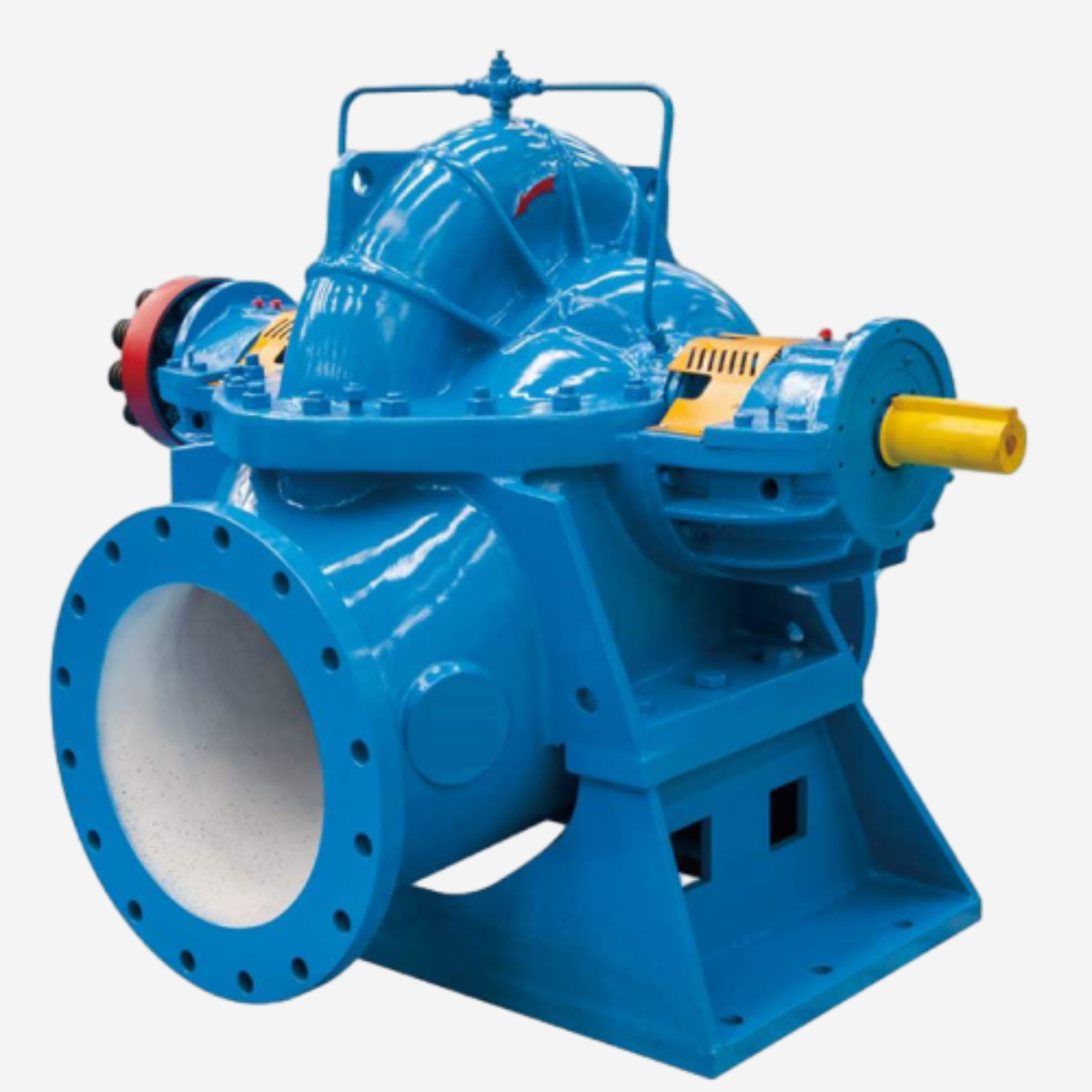
Performance & Engineering
Septic tank pump performance is characterized by several key parameters: flow rate (gallons per minute or liters per minute), total dynamic head (TDH – the vertical distance the pump can lift the fluid, plus friction losses in the piping), horsepower (HP) or wattage (W), and solids handling capability (maximum sphere size that can be passed through the pump). Force analysis is crucial in pump design, considering centrifugal forces acting on the impeller and hydrodynamic forces exerted by the fluid. Environmental resistance is paramount, with pumps needing to operate reliably in submerged, potentially anaerobic environments. Compliance requirements include adherence to NSF/ANSI 40 standards for wastewater treatment components, ensuring material safety and performance. Functional implementation relies on submersible motor design, typically with sealed bearings and thermal overload protection. Pump curves, graphically representing the relationship between flow rate and TDH, are essential for proper pump selection, ensuring adequate capacity for the specific application. The engineering trade-offs often involve balancing flow rate, TDH, and energy efficiency. Higher flow rates and TDH generally require more powerful motors and larger pump components, increasing the cost. Properly sized pumps minimize energy consumption and prevent premature wear.
Technical Specifications
| Pump Type | Horsepower (HP) | Maximum Flow Rate (GPM) | Maximum Head (ft) |
|---|---|---|---|
| Submersible Effluent Pump | 1/3 | 45 | 25 |
| Submersible Sewage Pump | 1/2 | 60 | 35 |
| Submersible Dosing Pump | 1/8 | 10 | 15 |
| Grinder Pump | 3/4 | 75 | 50 |
| Low-Pressure Pump | 1 | 90 | 60 |
| High-Pressure Pump | 1.5 | 120 | 80 |
Failure Mode & Maintenance
Septic tank pump failure modes are commonly linked to solids buildup, corrosion, and electrical issues. Fatigue cracking of the impeller can occur due to the continuous impact of abrasive solids. Delamination of thermoplastic housings can result from prolonged exposure to aggressive chemicals or temperature fluctuations. Degradation of seals leads to leakage and motor damage. Oxidation of metal components accelerates corrosion. Common causes include pump operation outside of its specified solids handling capacity, infrequent maintenance, and fluctuations in power supply. Preventative maintenance should include regular inspection of the pump intake for debris, cleaning of the impeller, and testing of the float switch. Annual inspection of seals and replacement as needed is recommended. Electrical connections should be checked for corrosion and tightness. In the event of pump failure, a thorough failure analysis should be conducted to identify the root cause and prevent recurrence. Repair or replacement costs depend on the extent of the damage and the availability of spare parts. Properly maintained pumps significantly extend their service life and reduce the total cost of ownership.
Industry FAQ
Q: What is the typical lifespan of a septic tank pump, and what factors influence it?
A: A typical septic tank pump lifespan ranges from 5 to 10 years. Factors influencing lifespan include the quality of the effluent (solids content, chemical composition), pump operating cycle (frequency of starts/stops), proper sizing of the pump for the application, and adherence to a preventative maintenance schedule. Pumps handling higher solids loads or operating continuously will generally have shorter lifespans.
Q: How does pump efficiency affect long-term costs?
A: Pump efficiency directly impacts energy consumption. A less efficient pump will consume more electricity over its lifespan, increasing operating costs. Investing in a higher-efficiency pump, even with a higher initial cost, can result in significant savings in energy expenses over the pump's service life.
Q: What is the difference between an effluent pump and a sewage pump, and when should each be used?
A: Effluent pumps are designed to pump relatively clear liquid from the septic tank to the drainfield. Sewage pumps are designed to handle solids and are typically used to pump raw sewage from a basement or lift station. Effluent pumps should be used after the septic tank, while sewage pumps are used before any treatment process.
Q: What role does the float switch play in pump operation and cost?
A: The float switch automatically turns the pump on and off based on liquid level, preventing the pump from running dry or overflowing the septic tank. A faulty float switch can lead to pump burnout or system backups, resulting in costly repairs. High-quality float switches are essential for reliable and cost-effective operation.
Q: Are grinder pumps necessary for all septic systems, and what impact do they have on cost?
A: Grinder pumps are typically used in pressure septic systems, where effluent needs to be pumped uphill or over long distances. They reduce solids to a slurry, allowing them to be pumped through smaller diameter pipes. While effective, grinder pumps are more expensive upfront than standard effluent pumps and consume more energy due to the grinding process.
Conclusion
The selection of a septic tank pump involves careful consideration of numerous technical factors, directly impacting both initial costs and long-term operational expenses. Material science, manufacturing precision, and adherence to industry standards are all critical determinants of pump reliability and longevity. Understanding pump performance characteristics, potential failure modes, and preventative maintenance practices is essential for minimizing total cost of ownership.
Ultimately, a holistic approach to pump selection—balancing performance requirements with cost considerations and prioritizing preventative maintenance—will ensure optimal performance and minimize the risk of costly system failures. Continued advancements in pump technology are focused on improving energy efficiency, increasing solids handling capability, and extending service life, offering potential cost savings for septic system owners and operators.
-
Precision at the Pump: How Better Machining Protects Flow and Uptime
News2026-11-20
-
Why Pump Reliability Begins Before the First Drop of Fluid
News2026-11-20
-
Beyond the Pump: Designing Safer Access Around Critical Water Infrastructure
News2026-11-20
-
Why Pumping Stations Depend on the Infrastructure Beneath the Pumps
News2026-11-20
-
Beyond the Pump Room: How Smarter Loading Protects Industrial Equipment
News2026-11-19
-
When Pumps Stop: Designing More Resilient Power for Critical Pumping Systems
News2026-11-19
-
The Hidden Role of Dust and Gas Monitoring in Reliable Pump Operations
News2026-11-19
-
The Hidden Role of Mineral Compounds in Extending Industrial Pump Lifespan
News2026-10-12
-
Why Pump System Reliability Depends on Precision Hose Assembly Methods
News2026-09-15
-
How Advanced Imaging Films Are Transforming Pump Component Quality Control
News2026-08-25
-
How Advanced Filtration Protects Pump Systems from Premature Wear and Costly Downtime
News2026-08-25
-
How Steel Material Selection Drives Pump Reliability in Heavy-Duty Systems
News2026-08-25
-
Ensuring Pump System Efficiency: The Role of High-Quality Pipe Fittings and Tubing
News2026-08-24
-
Optimizing Fluid Dynamics and Material Consistency in Industrial Processing
News2026-08-18
-
Innovations and Challenges in Hydraulic Systems for Heavy Machinery
News2026-08-13




