English
- Afrikaans
- Albanian
- Amharic
- Arabic
- Armenian
- Azerbaijani
- Basque
- Belarusian
- Bengali
- Bosnian
- Bulgarian
- Catalan
- Cebuano
- Corsican
- Croatian
- Czech
- Danish
- Dutch
- English
- Esperanto
- Estonian
- Finnish
- French
- Frisian
- Galician
- Georgian
- German
- Greek
- Gujarati
- Haitian Creole
- hausa
- hawaiian
- Hebrew
- Hindi
- Miao
- Hungarian
- Icelandic
- igbo
- Indonesian
- irish
- Italian
- Japanese
- Javanese
- Kannada
- kazakh
- Khmer
- Rwandese
- Korean
- Kurdish
- Kyrgyz
- Lao
- Latin
- Latvian
- Lithuanian
- Luxembourgish
- Macedonian
- Malgashi
- Malay
- Malayalam
- Maltese
- Maori
- Marathi
- Mongolian
- Myanmar
- Nepali
- Norwegian
- Norwegian
- Occitan
- Pashto
- Persian
- Polish
- Portuguese
- Punjabi
- Romanian
- Russian
- Samoan
- Scottish Gaelic
- Serbian
- Sesotho
- Shona
- Sindhi
- Sinhala
- Slovak
- Slovenian
- Somali
- Spanish
- Sundanese
- Swahili
- Swedish
- Tagalog
- Tajik
- Tamil
- Tatar
- Telugu
- Thai
- Turkish
- Turkmen
- Ukrainian
- Urdu
- Uighur
- Uzbek
- Vietnamese
- Welsh
- Bantu
- Yiddish
- Yoruba
- Zulu

Telephone: +86 13120555503
Email: frank@cypump.com


Apr . 01, 2024 17:55 Back to list
Septic Tank Pumping System Performance Analysis
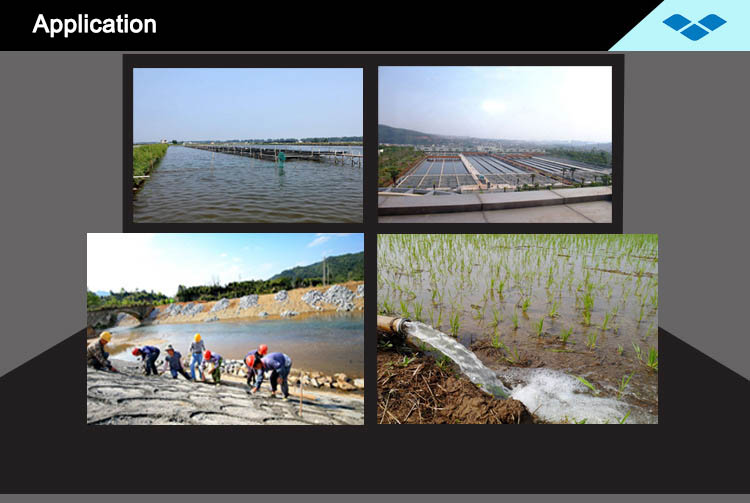
Introduction
Septic tank pumping systems represent a critical component of on-site wastewater treatment, serving areas lacking centralized sewer infrastructure. These systems are engineered to collect, partially treat, and temporarily store wastewater from residential and commercial buildings. The pumping system, distinct from the tank itself, facilitates the transfer of effluent – the partially treated liquid – to a subsequent treatment component, typically a drainfield. The technical position within the wastewater management chain is defined by its role in overcoming elevation differences or increasing hydraulic head necessary for effective drainfield distribution. Core performance characteristics are dictated by pump capacity (gallons per minute – GPM), total dynamic head (TDH) – the vertical distance the pump can lift liquid plus friction losses within the piping – and control mechanisms ensuring efficient and reliable operation. A malfunctioning pumping system leads to septic system failure, causing environmental contamination and costly repairs; thus, a thorough understanding of its design, operation, and maintenance is paramount.
Material Science & Manufacturing
The construction of septic tank pumping systems involves a variety of materials chosen for their resistance to corrosive wastewater components and mechanical durability. Pump housings are commonly manufactured from cast iron (ASTM A48 Class 30), stainless steel (304 or 316 grades - ASTM A240), or engineered polymers like High-Density Polyethylene (HDPE - ASTM D1248). Cast iron provides excellent abrasion resistance but requires protective coatings (epoxy or powder coating - ASTM D3359) to prevent corrosion. Stainless steel offers superior corrosion resistance but at a higher cost. HDPE is lightweight and chemically inert, suitable for certain pump components and basins. Impellers, responsible for imparting kinetic energy to the wastewater, are often constructed from reinforced thermoplastic (e.g., polypropylene) or stainless steel. Float switches, critical for automatic pump control, utilize encapsulated reed switches housed in PVC (ASTM D1788) or polyethylene floats. Piping connections employ PVC, CPVC (ASTM D2369), or polyethylene, selected based on pressure and temperature requirements. Manufacturing processes include sand casting for iron housings, investment casting for stainless steel components, and rotational molding for HDPE basins. Welding (SMAW, GMAW – AWS D1.1) is used for structural components and piping assemblies. Quality control emphasizes non-destructive testing (NDT), including visual inspection, liquid penetrant examination (ASTM E165), and ultrasonic testing (ASTM E797) to detect material flaws and ensure weld integrity.
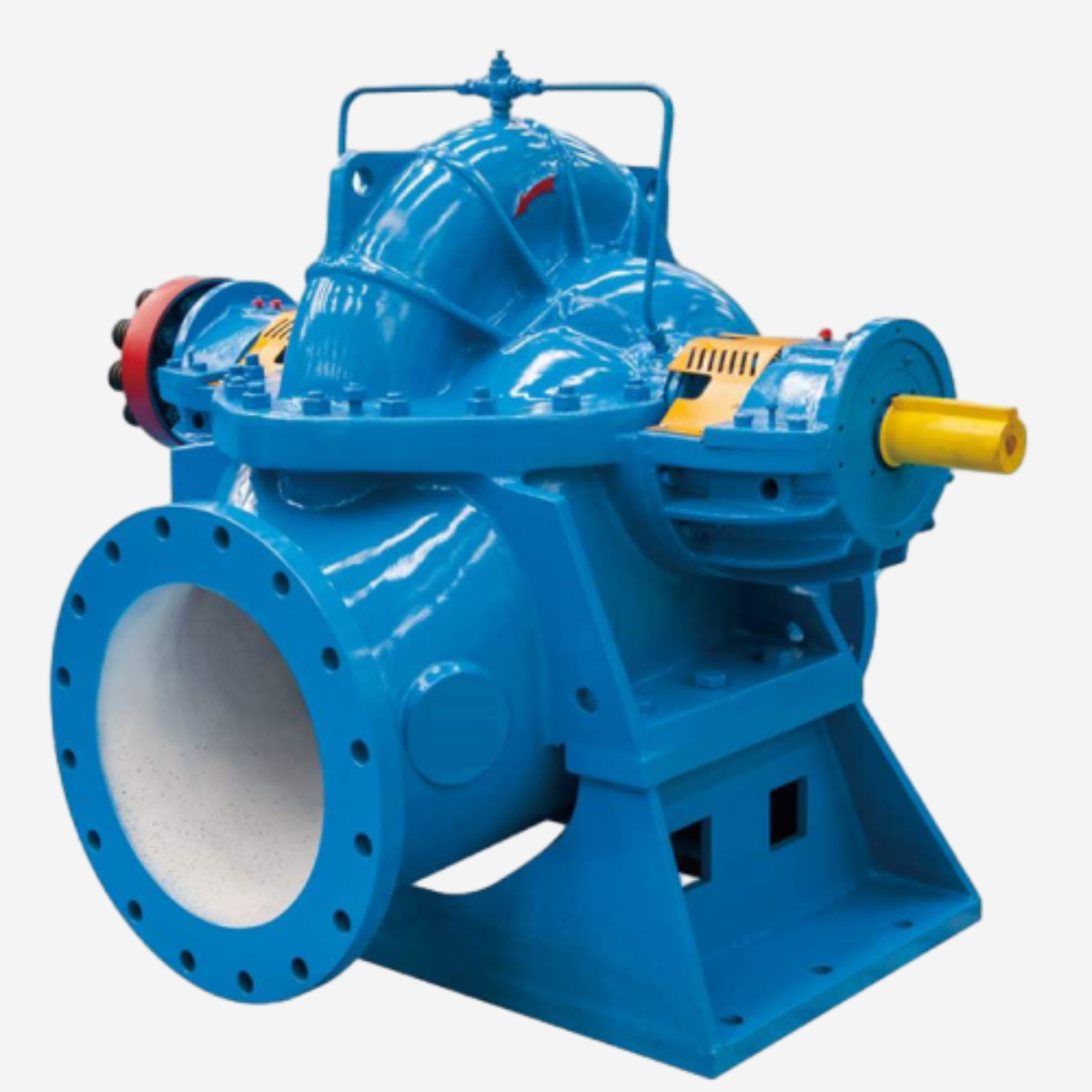
Performance & Engineering
Performance of a septic tank pumping system is governed by hydraulic principles and pump characteristic curves. Force analysis focuses on calculating the static and dynamic head, accounting for elevation changes, pipe friction losses (Darcy-Weisbach equation), and minor losses due to fittings. Pump selection must ensure sufficient flow rate and head to overcome these forces. Environmental resistance is critical, especially regarding moisture ingress into electrical components. NEMA 6P enclosures (National Electrical Manufacturers Association) provide robust protection against harsh weather and submersion. Compliance requirements include adherence to local and state regulations governing wastewater discharge, often referencing EPA standards (Environmental Protection Agency). Functional implementation involves a float switch system configured to activate the pump when the effluent level reaches a predetermined high point and deactivate it upon reaching a low point. Redundancy is often incorporated through dual-pump systems with alternating operation to provide backup in case of pump failure. Alarm systems are also commonly implemented to alert homeowners or facility managers to system malfunctions. Pump curves, detailing flow rate versus head, are essential for proper system sizing and performance verification. Motor efficiency (NEMA Premium efficiency standards) impacts energy consumption and operating costs.
Technical Specifications
| Parameter | Unit | Typical Range | Testing Standard |
|---|---|---|---|
| Flow Rate (GPM) | Gallons per Minute | 20-120 | ANSI/ASME PTC 6.1 |
| Total Dynamic Head (TDH) | Feet | 10-80 | Hydraulic Institute Standards |
| Motor Horsepower (HP) | Horsepower | 1/2 - 5 | NEMA MG 1 |
| Voltage | Volts | 120/240 VAC, 60 Hz | UL 508A |
| Solids Handling Capability | Inches | Up to 2 | Manufacturer Specification |
| Minimum Submersible Depth | Inches | 18 | Manufacturer Specification |
Failure Mode & Maintenance
Septic tank pumping systems are susceptible to several failure modes. Pump impeller clogging, caused by debris or solids exceeding the pump's handling capacity, leads to reduced flow and potential motor overload. Mechanical seal failure (caused by abrasive particles or dry running - ANSI/ASME B41.1) results in pump leakage and eventual motor damage. Float switch malfunctions, due to mechanical wear or electrical failure, cause uncontrolled pump operation (continuous running or no operation). Corrosion of pump housings or electrical components (due to exposure to corrosive wastewater) diminishes structural integrity and electrical safety. Fatigue cracking in pump housings or impellers (due to cyclical loading) leads to catastrophic failure. Maintenance solutions involve regular tank cleaning to prevent solids buildup, inspection and replacement of worn or damaged impellers and seals, testing and calibration of float switches, and application of protective coatings to prevent corrosion. Preventative maintenance schedules should include annual pump inspections, motor current monitoring, and voltage checks. Proper vent installation is crucial to prevent vacuum buildup and cavitation, extending pump lifespan. Periodic drainfield inspection and maintenance are also essential, as a clogged drainfield increases pump workload and risk of failure.
Industry FAQ
Q: What is the correct sizing methodology for a septic tank pump to ensure adequate effluent transfer?
A: Proper sizing requires calculating the total dynamic head (TDH) which includes vertical lift, pipe friction loss, and pressure required at the drainfield. Then, determine the required flow rate based on the drainfield’s absorption capacity. Consult pump performance curves to select a pump that delivers the needed flow at the calculated TDH. Oversizing can lead to short-cycling and reduced pump life, while undersizing results in insufficient effluent transfer and potential system failure.
Q: What are the key considerations for selecting a pump material that will withstand corrosive wastewater environments?
A: Consider the chemical composition of the wastewater. High concentrations of sulfates or hydrogen sulfide accelerate corrosion. Stainless steel (316 grade) offers superior resistance to corrosion compared to cast iron, but at a higher cost. Epoxy or powder coatings provide a protective barrier for cast iron. Ensure any elastomers (seals, gaskets) are compatible with the wastewater composition – Viton or EPDM are commonly used for their chemical resistance.
Q: How frequently should a septic tank pump system be inspected and maintained to prevent failures?
A: Annual inspections are recommended. This should include checking pump operation, float switch functionality, electrical connections, and overall system cleanliness. Professional pump servicing, including impeller and seal inspection, should be performed every 3-5 years, depending on usage and wastewater characteristics.
Q: What are the implications of using a pump with an incorrect impeller design for the specific wastewater composition?
A: An incorrect impeller design can lead to reduced pumping efficiency, increased wear and tear, and potential clogging. For example, using a vortex impeller in a system with high solids content can cause solids to accumulate, reducing pump capacity. A cutter impeller is better suited for handling solids, but may be less efficient with clear liquids.
Q: What safety measures should be implemented during pump installation and maintenance to protect personnel?
A: Lockout/Tagout procedures must be strictly followed during any maintenance or repair work. Confined space entry protocols must be adhered to if entering the septic tank. Appropriate personal protective equipment (PPE), including gloves, eye protection, and respirators, should be worn. Electrical safety precautions, including proper grounding and insulation, are essential to prevent electrocution.
Conclusion
Septic tank pumping systems are complex engineered solutions vital for decentralized wastewater management. Their performance relies on careful material selection, precise manufacturing processes, and adherence to stringent engineering principles. Understanding the interplay between hydraulic forces, pump characteristics, and environmental factors is critical for successful system design and operation.
Ongoing preventative maintenance, proactive failure analysis, and continuous monitoring of system performance are essential for maximizing lifespan and minimizing environmental impact. Future developments will likely focus on smart pumping systems incorporating remote monitoring, automated diagnostics, and variable-frequency drives to optimize energy efficiency and enhance reliability.
-
Precision at the Pump: How Better Machining Protects Flow and Uptime
News2026-11-20
-
Why Pump Reliability Begins Before the First Drop of Fluid
News2026-11-20
-
Beyond the Pump: Designing Safer Access Around Critical Water Infrastructure
News2026-11-20
-
Why Pumping Stations Depend on the Infrastructure Beneath the Pumps
News2026-11-20
-
Beyond the Pump Room: How Smarter Loading Protects Industrial Equipment
News2026-11-19
-
When Pumps Stop: Designing More Resilient Power for Critical Pumping Systems
News2026-11-19
-
The Hidden Role of Dust and Gas Monitoring in Reliable Pump Operations
News2026-11-19
-
The Hidden Role of Mineral Compounds in Extending Industrial Pump Lifespan
News2026-10-12
-
Why Pump System Reliability Depends on Precision Hose Assembly Methods
News2026-09-15
-
How Advanced Imaging Films Are Transforming Pump Component Quality Control
News2026-08-25
-
How Advanced Filtration Protects Pump Systems from Premature Wear and Costly Downtime
News2026-08-25
-
How Steel Material Selection Drives Pump Reliability in Heavy-Duty Systems
News2026-08-25
-
Ensuring Pump System Efficiency: The Role of High-Quality Pipe Fittings and Tubing
News2026-08-24
-
Optimizing Fluid Dynamics and Material Consistency in Industrial Processing
News2026-08-18
-
Innovations and Challenges in Hydraulic Systems for Heavy Machinery
News2026-08-13




