English
- Afrikaans
- Albanian
- Amharic
- Arabic
- Armenian
- Azerbaijani
- Basque
- Belarusian
- Bengali
- Bosnian
- Bulgarian
- Catalan
- Cebuano
- Corsican
- Croatian
- Czech
- Danish
- Dutch
- English
- Esperanto
- Estonian
- Finnish
- French
- Frisian
- Galician
- Georgian
- German
- Greek
- Gujarati
- Haitian Creole
- hausa
- hawaiian
- Hebrew
- Hindi
- Miao
- Hungarian
- Icelandic
- igbo
- Indonesian
- irish
- Italian
- Japanese
- Javanese
- Kannada
- kazakh
- Khmer
- Rwandese
- Korean
- Kurdish
- Kyrgyz
- Lao
- Latin
- Latvian
- Lithuanian
- Luxembourgish
- Macedonian
- Malgashi
- Malay
- Malayalam
- Maltese
- Maori
- Marathi
- Mongolian
- Myanmar
- Nepali
- Norwegian
- Norwegian
- Occitan
- Pashto
- Persian
- Polish
- Portuguese
- Punjabi
- Romanian
- Russian
- Samoan
- Scottish Gaelic
- Serbian
- Sesotho
- Shona
- Sindhi
- Sinhala
- Slovak
- Slovenian
- Somali
- Spanish
- Sundanese
- Swahili
- Swedish
- Tagalog
- Tajik
- Tamil
- Tatar
- Telugu
- Thai
- Turkish
- Turkmen
- Ukrainian
- Urdu
- Uighur
- Uzbek
- Vietnamese
- Welsh
- Bantu
- Yiddish
- Yoruba
- Zulu

Telephone: +86 13120555503
Email: frank@cypump.com


Apr . 01, 2024 17:55 Back to list
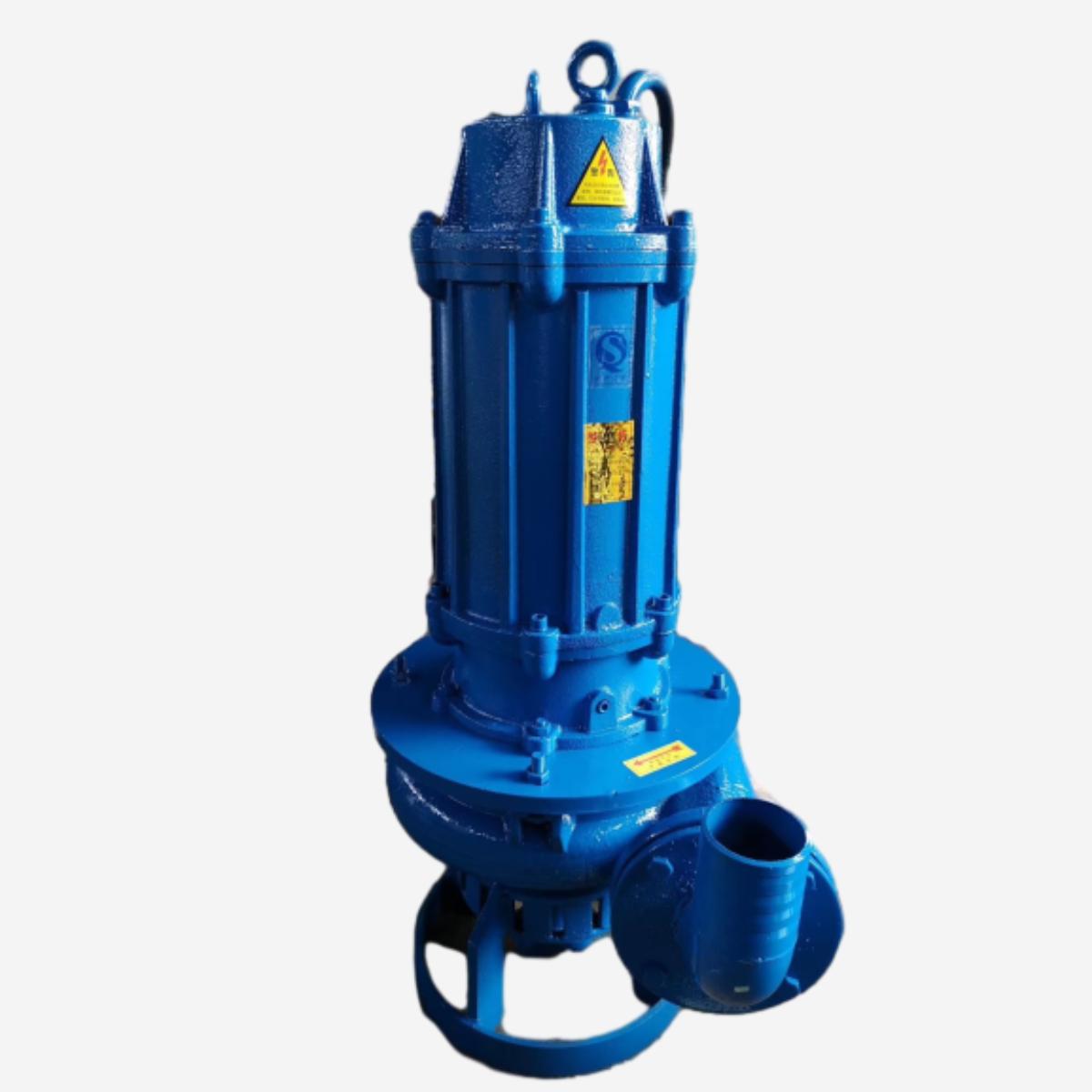
Septic Tank Pumper Performance Analysis
Introduction
Septic tank pumpers are critical components in wastewater management systems, specifically designed for the periodic removal of accumulated solids and effluent from septic tanks. These units occupy a pivotal position within the decentralized wastewater treatment chain, bridging the gap between residential/commercial septic systems and centralized treatment facilities or designated disposal sites. Effective septic tank pumping is essential for maintaining system functionality, preventing costly failures, and safeguarding public health and environmental integrity. The performance of a septic tank pumper is defined by its pumping capacity (gallons per minute – GPM), vacuum pressure (inches of mercury – inHg), tank capacity (gallons), and the materials of construction used to resist corrosion and abrasion. The core pain point for operators lies in balancing pumping efficiency with minimizing disturbance to the sludge layers within the tank, maximizing pump lifespan, and adhering to increasingly stringent environmental regulations regarding waste handling and disposal. Modern pumpers increasingly integrate features like automatic shut-off, sludge level indicators, and remote monitoring capabilities to address these challenges.
Material Science & Manufacturing
The construction of a septic tank pumper relies on several key material choices dictated by the corrosive nature of septic waste. Tank bodies are most commonly constructed from carbon steel (typically ASTM A36) due to its strength and weldability. However, unprotected carbon steel is highly susceptible to corrosion from hydrogen sulfide (H₂S) and other organic acids present in sewage. Therefore, a robust corrosion protection system is crucial, often involving internal coatings of epoxy resins (providing chemical resistance) or specialized linings like rubber or polyethylene. The vacuum pump itself is typically a rotary vane or liquid ring pump. Rotary vane pumps utilize aluminum alloy vanes within a steel housing, offering high vacuum capabilities but requiring careful lubrication and maintenance to prevent wear. Liquid ring pumps employ a liquid (typically water) as a sealing fluid, offering higher tolerance to solids but lower vacuum levels. Hoses are typically constructed from reinforced polyvinyl chloride (PVC) or EPDM rubber to withstand vacuum pressures and resist chemical degradation. Manufacturing processes involve precision welding (SMAW, GMAW) for the tank body, machining for pump components, and injection molding/extrusion for plastic components. Critical parameters include weld integrity (ensured via non-destructive testing – NDT like radiography and ultrasonic testing), coating thickness and adhesion (evaluated using pull-off tests and visual inspection), and hose burst pressure (verified through hydrostatic testing). Ensuring proper material selection and meticulous manufacturing processes are fundamental to maximizing pumper lifespan and preventing premature failures.
Performance & Engineering
The performance of a septic tank pumper is fundamentally governed by principles of fluid mechanics and vacuum technology. The pumping process relies on creating a pressure differential – a vacuum within the tank and atmospheric pressure acting on the inlet hose. This pressure difference drives the flow of septic waste into the tank. Force analysis considers the hydrostatic head (the vertical distance between the liquid level in the septic tank and the pumper inlet), frictional losses within the hoses, and the pump’s capacity to overcome these forces. Environmental resistance is a critical design consideration. Pumpers must operate reliably in diverse climates, including freezing temperatures and high humidity. This necessitates features like insulated tanks, heated pumps, and corrosion-resistant materials. Compliance with local, state, and federal regulations is paramount. These regulations often dictate requirements for waste handling, transportation, and disposal, including spill prevention measures and proper documentation. Furthermore, the pump’s engine (typically gasoline or diesel) must meet emissions standards. The engineering design also focuses on minimizing turbulence within the tank during pumping to avoid re-suspending settled solids, which can reduce pumping efficiency and impact downstream treatment processes. Properly sized pumps, optimized hose diameters, and strategically positioned inlets are crucial for maximizing performance and minimizing environmental impact.
Technical Specifications
| Parameter | Unit | Typical Range | Significance |
|---|---|---|---|
| Tank Capacity | Gallons | 500 – 2000 | Determines the volume of waste that can be pumped per load. |
| Vacuum Pump Type | - | Rotary Vane, Liquid Ring | Impacts vacuum pressure, pumping speed, and tolerance to solids. |
| Maximum Vacuum Pressure | inHg | 25 – 29 | Indicates the pump’s ability to overcome hydrostatic head and frictional losses. |
| Pumping Rate | GPM | 50 – 150 | Determines the speed at which the tank can be emptied. |
| Hose Diameter | Inches | 3 – 6 | Affects flow rate and frictional losses. |
| Engine Horsepower | HP | 15 – 30 | Provides the power required to drive the vacuum pump. |
Failure Mode & Maintenance
Septic tank pumpers are susceptible to several failure modes. Corrosion is a primary concern, particularly in the tank body and hose connections. Hydrogen sulfide (H₂S) corrosion can lead to pitting and weakening of the metal, eventually causing leaks or structural failure. Fatigue cracking can occur in the tank body due to repeated stress from filling and emptying cycles. Pump failure is common, often resulting from worn vanes (rotary vane pumps) or seal degradation (liquid ring pumps). Hose failures can occur due to abrasion, cracking from UV exposure, or exceeding pressure limits. Sludge buildup within the pump can reduce efficiency and cause overheating. Preventative maintenance is crucial. Regular inspections should focus on checking for corrosion, cracks, and leaks. Hoses should be inspected for wear and tear and replaced as needed. Pump oil (rotary vane pumps) should be changed according to the manufacturer's recommendations. The engine should be serviced regularly, including oil changes, filter replacements, and spark plug inspections. Internal tank coatings should be inspected for damage and repaired promptly. Thorough cleaning after each use helps prevent sludge buildup and corrosion. Implementing a scheduled maintenance program and adhering to manufacturer guidelines can significantly extend pumper lifespan and minimize downtime.
Industry FAQ
Q: What is the impact of H₂S on the lifespan of a steel septic tank pumper?
A: Hydrogen sulfide (H₂S) is a highly corrosive gas prevalent in septic waste. It reacts with the steel, causing sulfide stress cracking and general corrosion, significantly reducing the tank’s structural integrity and lifespan. Protective coatings, such as epoxy linings, are essential to mitigate this corrosion.
Q: How does hose material affect pumping efficiency and safety?
A: Hose material directly impacts flow rate due to frictional losses. Reinforced PVC or EPDM rubber hoses are preferred for their flexibility, chemical resistance, and ability to withstand vacuum pressures. Using improper hose materials can lead to collapse, bursting, or contamination of the waste stream.
Q: What are the advantages and disadvantages of rotary vane versus liquid ring vacuum pumps in this application?
A: Rotary vane pumps offer higher vacuum levels, enabling faster pumping, but are more sensitive to solids and require consistent lubrication. Liquid ring pumps tolerate solids better but generate lower vacuum, potentially increasing pumping time. The best choice depends on the expected waste composition and operational priorities.
Q: What are the key compliance requirements related to the transportation and disposal of septic waste?
A: Compliance requirements vary by location but generally include proper manifesting of waste, designated disposal sites, spill prevention plans, and adherence to regulations regarding waste treatment and odor control. Operators must maintain accurate records and follow all applicable local, state, and federal guidelines.
Q: How often should a septic tank pumper undergo a thorough internal inspection for corrosion and structural damage?
A: A thorough internal inspection should be conducted annually, or more frequently if the pumper operates in particularly corrosive environments. This inspection should include visual examination for corrosion, cracks, and weld defects, as well as non-destructive testing (NDT) if warranted.
Conclusion
The effective operation of a septic tank pumper is fundamentally dependent on a comprehensive understanding of materials science, fluid dynamics, and engineering principles. Selecting appropriate materials for corrosion resistance, optimizing pump performance for efficient waste removal, and implementing a rigorous maintenance program are all critical factors in maximizing pumper lifespan and ensuring reliable operation. The industry is trending towards more sophisticated pumpers with automated features and remote monitoring capabilities, allowing for proactive maintenance and improved waste management practices.
Future developments will likely focus on advancements in corrosion protection technologies, such as self-healing coatings, and the integration of sensor technologies for real-time monitoring of tank levels and pump performance. Adhering to evolving environmental regulations and embracing innovative solutions will be essential for ensuring the long-term sustainability of septic tank pumping operations.
-
Precision at the Pump: How Better Machining Protects Flow and Uptime
News2026-11-20
-
Why Pump Reliability Begins Before the First Drop of Fluid
News2026-11-20
-
Beyond the Pump: Designing Safer Access Around Critical Water Infrastructure
News2026-11-20
-
Why Pumping Stations Depend on the Infrastructure Beneath the Pumps
News2026-11-20
-
Beyond the Pump Room: How Smarter Loading Protects Industrial Equipment
News2026-11-19
-
When Pumps Stop: Designing More Resilient Power for Critical Pumping Systems
News2026-11-19
-
The Hidden Role of Dust and Gas Monitoring in Reliable Pump Operations
News2026-11-19
-
The Hidden Role of Mineral Compounds in Extending Industrial Pump Lifespan
News2026-10-12
-
Why Pump System Reliability Depends on Precision Hose Assembly Methods
News2026-09-15
-
How Advanced Imaging Films Are Transforming Pump Component Quality Control
News2026-08-25
-
How Advanced Filtration Protects Pump Systems from Premature Wear and Costly Downtime
News2026-08-25
-
How Steel Material Selection Drives Pump Reliability in Heavy-Duty Systems
News2026-08-25
-
Ensuring Pump System Efficiency: The Role of High-Quality Pipe Fittings and Tubing
News2026-08-24
-
Optimizing Fluid Dynamics and Material Consistency in Industrial Processing
News2026-08-18
-
Innovations and Challenges in Hydraulic Systems for Heavy Machinery
News2026-08-13




