English
- Afrikaans
- Albanian
- Amharic
- Arabic
- Armenian
- Azerbaijani
- Basque
- Belarusian
- Bengali
- Bosnian
- Bulgarian
- Catalan
- Cebuano
- Corsican
- Croatian
- Czech
- Danish
- Dutch
- English
- Esperanto
- Estonian
- Finnish
- French
- Frisian
- Galician
- Georgian
- German
- Greek
- Gujarati
- Haitian Creole
- hausa
- hawaiian
- Hebrew
- Hindi
- Miao
- Hungarian
- Icelandic
- igbo
- Indonesian
- irish
- Italian
- Japanese
- Javanese
- Kannada
- kazakh
- Khmer
- Rwandese
- Korean
- Kurdish
- Kyrgyz
- Lao
- Latin
- Latvian
- Lithuanian
- Luxembourgish
- Macedonian
- Malgashi
- Malay
- Malayalam
- Maltese
- Maori
- Marathi
- Mongolian
- Myanmar
- Nepali
- Norwegian
- Norwegian
- Occitan
- Pashto
- Persian
- Polish
- Portuguese
- Punjabi
- Romanian
- Russian
- Samoan
- Scottish Gaelic
- Serbian
- Sesotho
- Shona
- Sindhi
- Sinhala
- Slovak
- Slovenian
- Somali
- Spanish
- Sundanese
- Swahili
- Swedish
- Tagalog
- Tajik
- Tamil
- Tatar
- Telugu
- Thai
- Turkish
- Turkmen
- Ukrainian
- Urdu
- Uighur
- Uzbek
- Vietnamese
- Welsh
- Bantu
- Yiddish
- Yoruba
- Zulu

Telephone: +86 13120555503
Email: frank@cypump.com


Apr . 01, 2024 17:55 Back to list
Septic Tank Pump to Drain Field Performance Analysis

Introduction
Septic tank effluent pumps (STEP) are critical components in modern wastewater management systems, specifically those utilizing drain fields for final effluent dispersal. These pumps bridge the gap between the septic tank – where primary treatment of wastewater occurs via settling and anaerobic digestion – and the drain field, also known as a leach field. Unlike gravity-fed systems, STEP systems enable installation in challenging terrains or where the drain field elevation is higher than the septic tank. The performance of the STEP directly impacts the efficiency of the entire system, influencing effluent quality, drain field longevity, and compliance with environmental regulations. This guide details the material science, manufacturing processes, performance characteristics, potential failure modes, and maintenance considerations for septic tank effluent pumps utilized in drain field applications. A properly functioning STEP system prevents drain field clogging, reduces the risk of groundwater contamination, and ensures consistent wastewater treatment performance.
Material Science & Manufacturing
STEP systems are constructed from materials selected for durability in a corrosive and biologically active environment. Pump housings are commonly fabricated from engineered thermoplastics such as polypropylene or high-density polyethylene (HDPE). These materials offer excellent resistance to the acids, bases, and bacterial byproducts found in septic effluent. Impeller materials often consist of stainless steel (304 or 316 grades) or similarly corrosion-resistant alloys, selected for their abrasion resistance due to the presence of particulate matter in the effluent. Seals critical to pump operation are typically made from materials like Viton or EPDM, chosen for their chemical compatibility with wastewater and their ability to maintain a watertight seal over extended periods.
Manufacturing processes generally involve injection molding for the pump housing and impeller base. Precise mold designs are essential to achieve the required hydraulic efficiency and structural integrity. Impeller blades are often cast or machined from stainless steel. The assembly process necessitates rigorous quality control checks on seals and mechanical components. Motor housings are typically aluminum or cast iron, providing thermal dissipation and protecting the electrical components. Wiring and electrical connections are sealed to prevent corrosion and short circuits. Critical parameters during manufacturing include dimensional accuracy of impeller blades, seal compression force, and the quality of the plastic weld joints in the housing. Process control during injection molding is crucial; variations in melt temperature, injection pressure, and cooling rates can affect the polymer’s crystallinity and mechanical properties, impacting long-term durability. The choice of polymer also affects UV resistance, a key factor for above-ground installations.
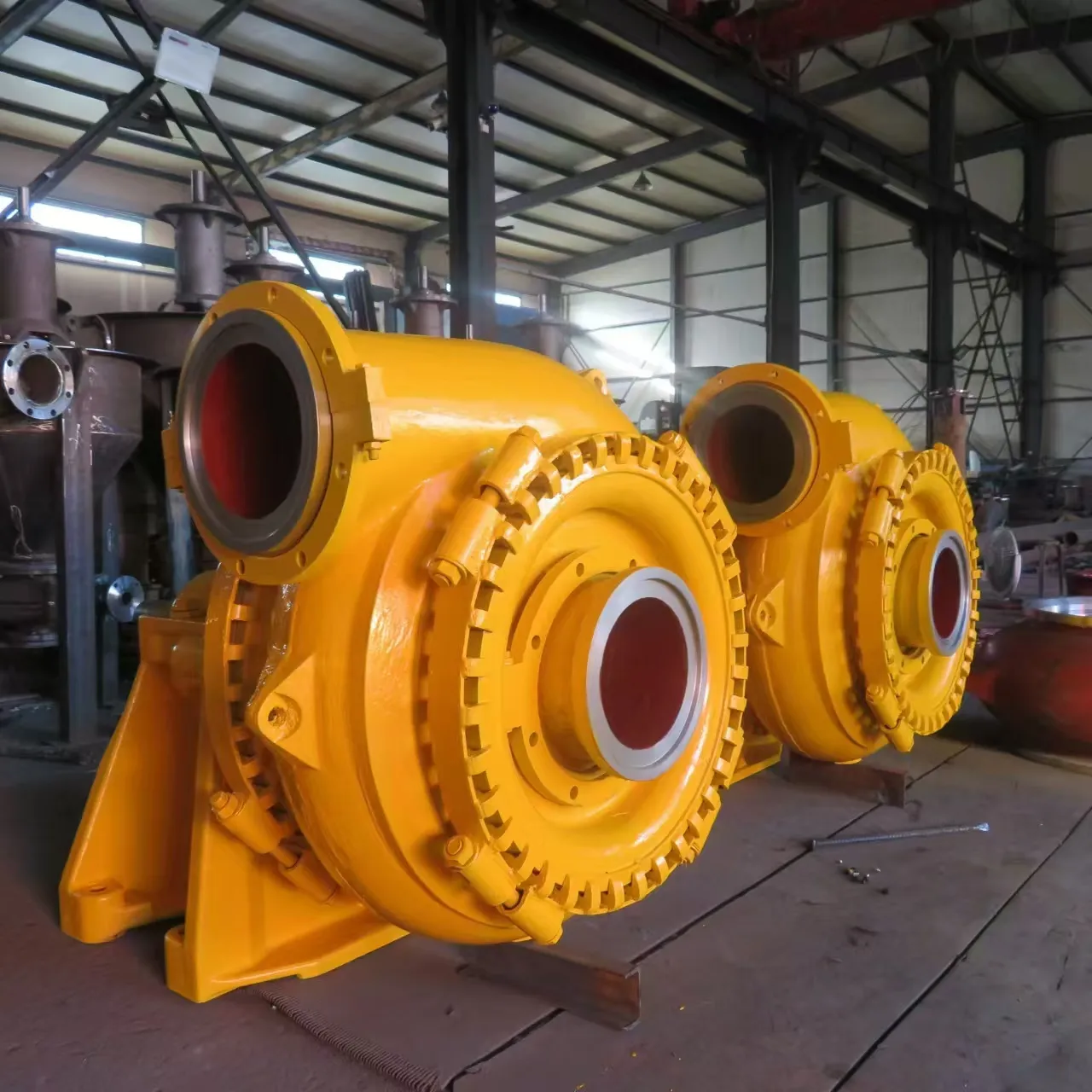
Performance & Engineering
The performance of a STEP system is defined by its pumping capacity (gallons per minute or liters per minute), total dynamic head (TDH), and power consumption. TDH is the total height the pump can lift the effluent, accounting for static head (vertical distance) and friction losses within the piping system. Pump selection must accurately match the specific requirements of the drain field, considering its size, soil permeability, and slope. Force analysis involves evaluating the stresses on the impeller, housing, and motor during operation, ensuring they withstand the hydraulic forces and prevent structural failure. Environmental resistance is critical; the pump must operate reliably across a wide temperature range and withstand exposure to moisture, sunlight (for above-ground installations), and potentially freezing conditions.
Compliance requirements are governed by local and national regulations pertaining to wastewater treatment and environmental protection. These regulations often specify minimum effluent quality standards (BOD, TSS, ammonia levels) that the entire system, including the pump, must meet. The pump’s electrical components must meet relevant safety standards (UL listing, CSA certification) to prevent electrical hazards. Functional implementation involves proper sizing of the pump, accurate installation following manufacturer’s instructions, and integration with control systems (e.g., float switches) to automate pump operation based on effluent levels in the septic tank. Pump curves, provided by manufacturers, detail the pump's performance characteristics across a range of flow rates and TDH. Understanding these curves is essential for proper system design. Furthermore, the pump's on/off cycling frequency influences its lifespan; excessive cycling can lead to premature wear and tear on mechanical components.
Technical Specifications
| Parameter | Typical Range | Units | Testing Standard |
|---|---|---|---|
| Flow Rate | 40-120 | GPM (Gallons Per Minute) | ANSI/NSF 67 |
| Total Dynamic Head (TDH) | 10-50 | Feet | Hydraulic Institute Standards |
| Motor Horsepower | 1/2 - 1 | HP (Horsepower) | NEMA MG 1 |
| Voltage | 115/230 | Volts AC | UL 508A |
| Solids Handling Capability | Up to 1/2 | Inches | Manufacturer Specification |
| Minimum Submersion Depth | 18 | Inches | Manufacturer Specification |
Failure Mode & Maintenance
Common failure modes for STEP systems include impeller wear or damage due to abrasive particles in the effluent, seal failure leading to leakage, motor burnout caused by overheating or electrical issues, and float switch malfunction resulting in improper pump operation. Fatigue cracking in the impeller or housing can occur due to cyclical loading. Delamination of the impeller material, particularly in composite impellers, can also lead to reduced pumping efficiency. Degradation of seals due to chemical attack or temperature extremes is a frequent cause of failure. Oxidation of electrical connections can cause intermittent operation or complete failure.
Preventive maintenance is crucial for extending the lifespan of a STEP system. Regular inspection of the pump housing, impeller, and seals for signs of wear or damage is essential. Periodic cleaning of the pump intake screen prevents clogging. Checking the float switch operation ensures proper pump activation and deactivation. Electrical connections should be inspected for corrosion and tightened as needed. Professional maintenance should include a full pump inspection, seal replacement (typically every 3-5 years), and motor bearing lubrication. Monitoring the pump’s amperage draw can indicate potential problems with the motor or impeller. If the pump is operating inefficiently or making unusual noises, it should be inspected immediately. Avoid running the pump dry, as this can quickly damage the seals and impeller. Proper septic tank maintenance, including regular pumping to remove accumulated solids, minimizes the load on the STEP system and reduces the risk of failure.
Industry FAQ
Q: What is the optimal pump sizing methodology for a new drain field installation?
A: Optimal pump sizing requires a detailed hydraulic analysis of the entire system. This involves calculating the total dynamic head (TDH) – considering static head, friction losses in piping, and pressure requirements at the drain field. The drain field's absorption capacity (based on soil permeability and area) dictates the required flow rate. Consulting pump performance curves and selecting a pump that operates within its optimal efficiency range is critical to minimize energy consumption and maximize pump lifespan. It’s also important to factor in potential future increases in wastewater flow.
Q: How does effluent quality impact the lifespan of the pump and drain field?
A: Poor effluent quality, characterized by high levels of solids, grease, and other debris, significantly reduces the lifespan of both the pump and drain field. Solids cause abrasive wear on the impeller and seals, leading to premature failure. Grease can clog the pump intake and drain field lines. Proper septic tank maintenance, including regular pumping, is essential to maintain effluent quality and protect the system.
Q: What are the key considerations for selecting a pump material for highly corrosive environments?
A: For highly corrosive environments, selecting pump materials with superior chemical resistance is paramount. Stainless steel (316 grade) offers excellent corrosion resistance but is more expensive. Engineered thermoplastics like polypropylene or HDPE are cost-effective alternatives with good chemical compatibility, but their long-term durability should be verified. Seals made from Viton or EPDM are recommended for their resistance to the chemicals found in septic effluent.
Q: How can I troubleshoot a pump that is cycling on and off frequently?
A: Frequent pump cycling can indicate several issues. First, check the float switch for proper operation and adjustment. A misadjusted float switch can cause the pump to cycle unnecessarily. Second, inspect the drain field for signs of clogging or saturation, which can create backpressure and trigger the pump. Third, verify that the pump is properly sized for the system and that there are no leaks in the piping. Finally, electrical issues can also cause intermittent operation; check for loose connections or voltage fluctuations.
Q: What role do control panels play in optimizing STEP system performance?
A: Control panels provide essential features for optimizing STEP system performance. They typically include features like pump protection (overload protection, dry-run protection), alarms for high liquid levels or pump failures, and programmable timers to control pump operation. Advanced control panels may also incorporate data logging and remote monitoring capabilities, allowing for proactive maintenance and optimization of the system.
Conclusion
The selection, installation, and maintenance of septic tank effluent pumps are critical to the long-term performance and environmental integrity of drain field wastewater treatment systems. Understanding the material science behind pump construction, the engineering principles governing their operation, and the potential failure modes is essential for informed decision-making. Proper pump sizing, adherence to industry standards, and a robust preventive maintenance program are key to maximizing pump lifespan and ensuring consistent effluent quality.
Looking forward, advancements in pump technology – such as the integration of variable frequency drives (VFDs) for energy efficiency and smart sensors for predictive maintenance – will further enhance the reliability and performance of STEP systems. Continued research into corrosion-resistant materials and improved impeller designs will address ongoing challenges in demanding wastewater environments. By prioritizing these advancements and adopting best practices in system management, we can ensure the sustainable and responsible treatment of wastewater for years to come.
-
Comprehensive Guide to Waterproof ORings for Optimal Sealing Solutions
News2026-06-09
-
submersible pump set Performance Analysis
News2026-06-16
-
Sewer Ejector Pumps Material Science
News2026-06-16
-
septic water pump Performance Analysis
News2026-06-16
-
septic tank water pump Performance Analysis
News2026-06-16
-
Septic Tank Pump to Drain Field Performance Analysis
News2026-06-16
-
septic tank pump system Performance Analysis
News2026-06-15
-
septic system lift pump Performance Analysis
News2026-06-15
-
septic pumps for sale Performance Analysis
News2026-06-15
-
lift pump for septic system Material Science Manufacturing
News2026-06-15
-
Ejector Pit and Pump System Performance
News2026-06-15
-
basement plumbing pump Performance Engineering
News2026-06-14
-
water submersible pump Performance Engineering
News2026-06-14
-
Septic Systems with Pumps Performance Analysis
News2026-06-14
-
Septic Pump Systems Performance Analysis
News2026-06-14




