English
- Afrikaans
- Albanian
- Amharic
- Arabic
- Armenian
- Azerbaijani
- Basque
- Belarusian
- Bengali
- Bosnian
- Bulgarian
- Catalan
- Cebuano
- Corsican
- Croatian
- Czech
- Danish
- Dutch
- English
- Esperanto
- Estonian
- Finnish
- French
- Frisian
- Galician
- Georgian
- German
- Greek
- Gujarati
- Haitian Creole
- hausa
- hawaiian
- Hebrew
- Hindi
- Miao
- Hungarian
- Icelandic
- igbo
- Indonesian
- irish
- Italian
- Japanese
- Javanese
- Kannada
- kazakh
- Khmer
- Rwandese
- Korean
- Kurdish
- Kyrgyz
- Lao
- Latin
- Latvian
- Lithuanian
- Luxembourgish
- Macedonian
- Malgashi
- Malay
- Malayalam
- Maltese
- Maori
- Marathi
- Mongolian
- Myanmar
- Nepali
- Norwegian
- Norwegian
- Occitan
- Pashto
- Persian
- Polish
- Portuguese
- Punjabi
- Romanian
- Russian
- Samoan
- Scottish Gaelic
- Serbian
- Sesotho
- Shona
- Sindhi
- Sinhala
- Slovak
- Slovenian
- Somali
- Spanish
- Sundanese
- Swahili
- Swedish
- Tagalog
- Tajik
- Tamil
- Tatar
- Telugu
- Thai
- Turkish
- Turkmen
- Ukrainian
- Urdu
- Uighur
- Uzbek
- Vietnamese
- Welsh
- Bantu
- Yiddish
- Yoruba
- Zulu

Telephone: +86 13120555503
Email: frank@cypump.com


Apr . 01, 2024 17:55 Back to list
septic tank pump system Performance Analysis
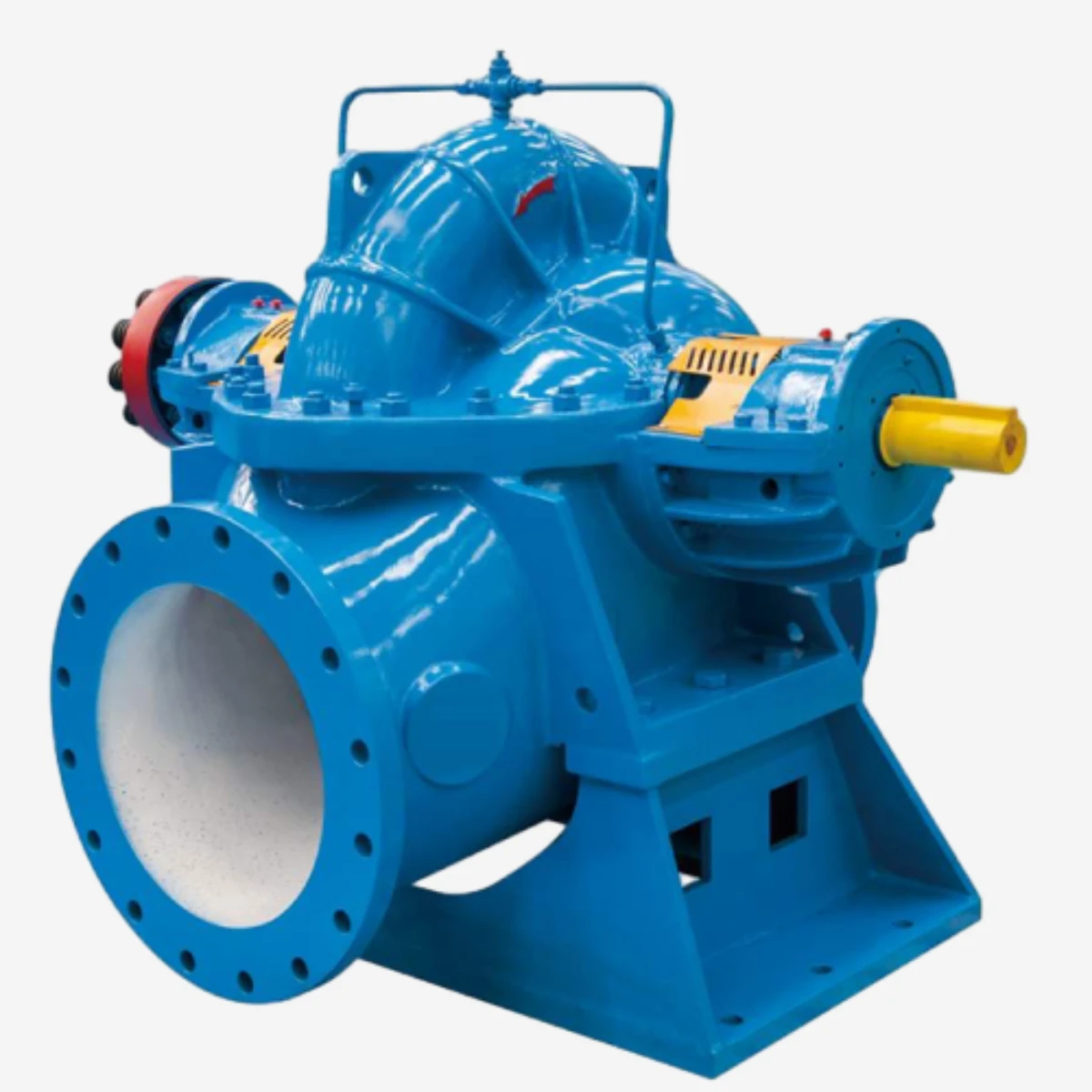
Introduction
Septic tank pump systems represent a critical component in decentralized wastewater treatment, serving areas lacking access to centralized sewage networks. These systems function by collecting and partially treating wastewater on-site before discharging it, either to a drainfield or, increasingly, through pumped effluent delivery. The technical position within the wastewater management chain places these systems as the primary processing unit for individual properties. Core performance characteristics revolve around consistent and reliable effluent transfer, solids handling capability, alarm functionality for system failures, and long-term durability in a corrosive environment. A key pain point in the industry is ensuring consistent pump performance in the face of fluctuating wastewater volumes and varying solids concentrations, directly impacting drainfield longevity and overall system efficacy. Further challenges involve mitigating corrosion from hydrogen sulfide gas buildup and preventing pump clogging from fibrous materials and grease accumulation. Effective system design must address these issues through appropriate pump selection, tank sizing, and maintenance protocols.
Material Science & Manufacturing
The construction of septic tank pump systems involves a range of materials selected for their resistance to corrosion and structural integrity. Pump housings are commonly fabricated from engineered thermoplastics like polypropylene (PP) or high-density polyethylene (HDPE) due to their chemical inertness and cost-effectiveness. Impeller materials frequently utilize a combination of PP, stainless steel (304 or 316 for enhanced corrosion resistance), or engineered composites. Tank construction typically involves reinforced concrete, polyethylene, or fiberglass. The manufacturing of the pump itself is largely automated, involving injection molding for plastic components and investment casting or machining for metal parts. Critical parameters during manufacturing include precise dimensional tolerances in impeller design to optimize hydraulic efficiency, uniform wall thickness in tank construction to ensure structural stability, and rigorous quality control checks for material defects. Welding processes, used in some metallic component fabrication, require certification to ASME standards to guarantee weld integrity. Float switches, essential for automatic pump operation, are assembled with precision to maintain reliable functionality in submerged environments. The chemical compatibility between pump materials and typical septic tank effluent (containing sulfates, chlorides, and organic acids) is paramount to prevent degradation and extend service life. The production of the control panels requires strict adherence to electrical safety standards, incorporating properly rated components and robust enclosures to protect against moisture and electrical hazards.
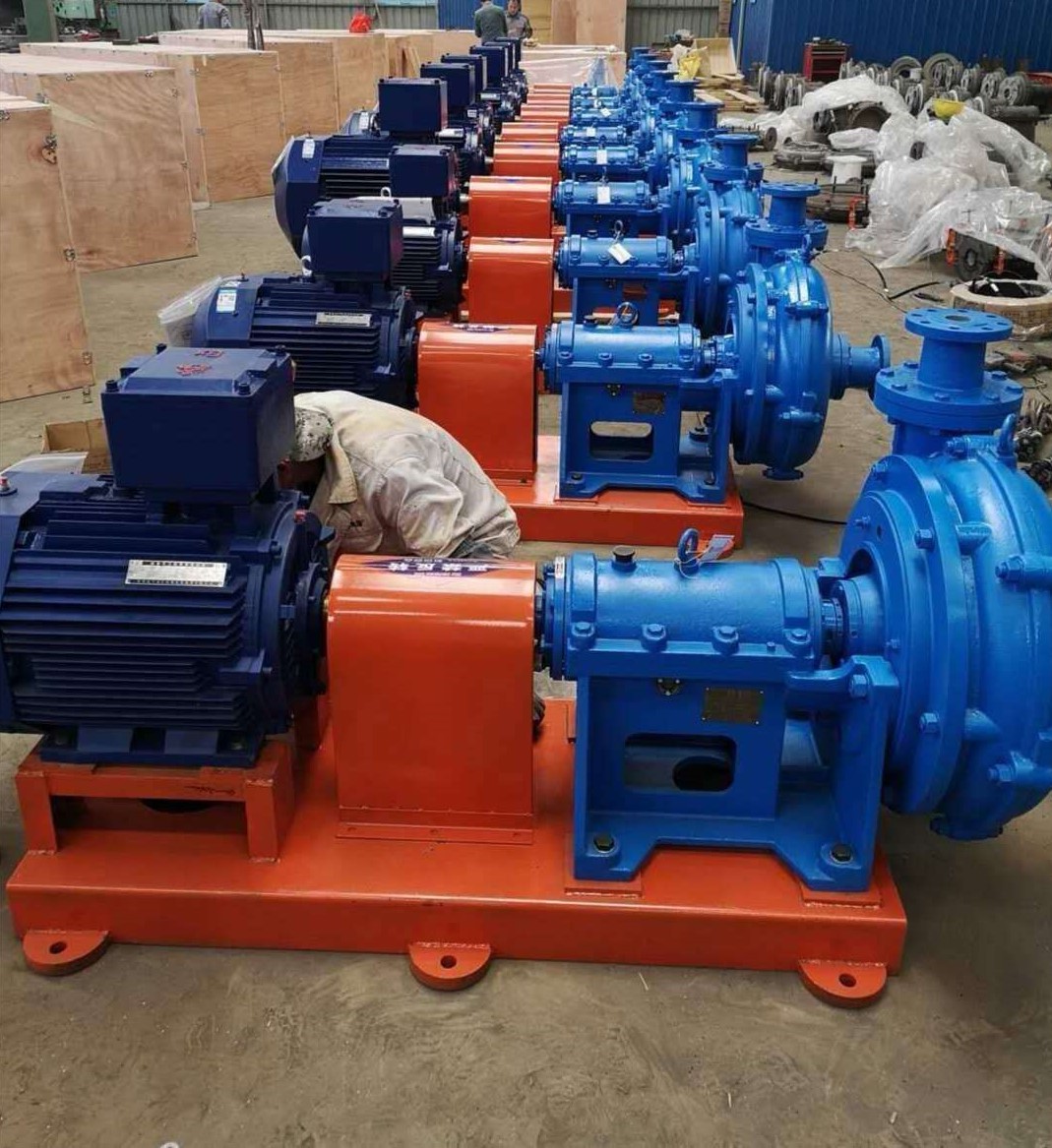
Performance & Engineering
The performance of a septic tank pump system is governed by hydraulic principles and mechanical engineering considerations. Force analysis focuses on the dynamic loads imposed on the pump impeller by the fluid flow and the static pressure within the system. Pump selection is based on Total Dynamic Head (TDH), which encompasses the vertical lift, friction losses within the piping, and discharge pressure. Environmental resistance is a critical factor, with systems designed to withstand soil loading, groundwater pressure, and temperature fluctuations. Compliance requirements stem from local and national regulations governing wastewater discharge, often specifying effluent quality standards (BOD, TSS, ammonia) and permissible discharge rates. Functional implementation relies on a control system that activates the pump based on liquid level within the tank, typically utilizing float switches or pressure transducers. Redundancy is often incorporated, with dual pump systems providing backup in case of primary pump failure. Proper system venting is essential to prevent pressure buildup and ensure efficient operation. System engineering must account for the potential for solids buildup and clogging, necessitating adequate pipe diameters and the implementation of filters or grinders. A detailed understanding of Bernoulli's principle and fluid dynamics is crucial for optimizing pump efficiency and minimizing energy consumption. Furthermore, pump curve analysis, comparing pump performance characteristics to system requirements, is a vital part of the design process.
Technical Specifications
| Pump Type | Maximum Flow Rate (GPM) | Maximum Head (ft) | Horsepower (HP) | |
|---|---|---|---|---|
| Submersible Centrifugal | 80 | 60 | 1/2 | |
| Submersible Grinder | 60 | 80 | 3/4 | |
| Diaphragm Pump | 40 | 40 | 1/4 | |
| Jet Pump (External) | 90 | 100 | 1 | |
| Solids Handling Capability (in) | 1/2 | 1 | 2 | N/A |
| Voltage (V) | 120 | 240 | 480 | 12/24 DC |
Failure Mode & Maintenance
Septic tank pump systems are susceptible to various failure modes. Fatigue cracking in pump housings can occur due to repeated stress cycles and exposure to corrosive fluids. Impeller wear, caused by abrasive solids, reduces pump efficiency and flow rate. Clogging, stemming from fibrous materials, grease, or debris, is a common issue leading to pump shutdown. Delamination of tank walls (in fiberglass or polyethylene tanks) can result from UV exposure and thermal cycling. Degradation of electrical components, such as wiring and float switches, can occur due to moisture ingress and corrosion. Oxidation of metal components, especially in systems lacking adequate cathodic protection, accelerates material degradation. Maintenance solutions involve regular tank inspections and cleaning to remove accumulated solids, periodic pump impeller inspections and replacement, and thorough cleaning or replacement of float switches. Preventative maintenance should include flushing discharge lines to remove obstructions and ensuring proper venting. In cases of corrosion, sacrificial anodes can be used to protect metallic components. Regular voltage and amperage checks on the pump motor can identify potential electrical issues. Scheduled pump servicing by qualified technicians is crucial for maintaining optimal system performance and preventing catastrophic failures. Analyzing the failure mode using techniques like root cause analysis can identify underlying issues and improve system design.
Industry FAQ
Q: What is the expected lifespan of a typical septic tank pump?
A: The lifespan of a septic tank pump typically ranges from 7 to 15 years, depending on usage frequency, the characteristics of the wastewater, and the quality of the pump construction. Grinder pumps generally have a shorter lifespan than centrifugal pumps due to the higher stress associated with solids reduction.
Q: How often should the septic tank be pumped (cleaned)?
A: Septic tanks should be pumped every 3 to 5 years, but this frequency depends on household size, water usage, and the tank's capacity. Regular pumping prevents solids from overflowing into the drainfield, which can cause costly repairs.
Q: What causes alarm activation in a septic tank pump system?
A: Alarm activation can indicate several issues, including a pump failure, a blocked discharge line, a high liquid level due to pump malfunction, or a faulty float switch. Troubleshooting should begin with a visual inspection of the pump and discharge line.
Q: What are the advantages of a dual-pump system?
A: Dual-pump systems provide redundancy, ensuring continued operation in case of primary pump failure. They also allow for alternating pump operation, which can extend the lifespan of both pumps by reducing individual run times.
Q: How can I prevent clogging in my septic tank pump system?
A: Preventing clogging involves avoiding the disposal of non-biodegradable items (e.g., feminine hygiene products, wipes, paper towels) into the septic system. Regular use of a septic tank additive containing enzymes can also help break down organic matter and reduce sludge buildup. The installation of a pre-filter can also trap larger solids.
Conclusion
Septic tank pump systems are indispensable for on-site wastewater treatment, requiring careful consideration of material science, hydraulic engineering, and operational maintenance. The selection of appropriate pump technology, coupled with proactive preventative maintenance protocols, is crucial for ensuring long-term system reliability and minimizing environmental impact. Addressing the inherent challenges of solids handling, corrosion resistance, and alarm system integrity is paramount to achieve optimal performance.
Future advancements in septic tank pump technology will likely focus on smart monitoring systems incorporating remote diagnostics and predictive maintenance capabilities. The integration of IoT sensors and data analytics will enable proactive identification of potential issues before they escalate into costly failures. Furthermore, the development of more energy-efficient pump designs and innovative solids separation technologies will contribute to a more sustainable and cost-effective approach to decentralized wastewater treatment.
-
Comprehensive Guide to Waterproof ORings for Optimal Sealing Solutions
News2026-06-09
-
septic tank pump system Performance Analysis
News2026-06-15
-
septic system lift pump Performance Analysis
News2026-06-15
-
septic pumps for sale Performance Analysis
News2026-06-15
-
lift pump for septic system Material Science Manufacturing
News2026-06-15
-
Ejector Pit and Pump System Performance
News2026-06-15
-
basement plumbing pump Performance Engineering
News2026-06-14
-
water submersible pump Performance Engineering
News2026-06-14
-
Septic Systems with Pumps Performance Analysis
News2026-06-14
-
Septic Pump Systems Performance Analysis
News2026-06-14
-
septic ejector pump Material Science and Manufacturing
News2026-06-14
-
septic effluent pump Performance and Engineering
News2026-06-13
-
ejector sump pump Performance Engineering
News2026-06-13
-
Wastewater Pump Performance Analysis
News2026-06-13
-
waste water pumps Material Science Manufacturing
News2026-06-13




