English
- Afrikaans
- Albanian
- Amharic
- Arabic
- Armenian
- Azerbaijani
- Basque
- Belarusian
- Bengali
- Bosnian
- Bulgarian
- Catalan
- Cebuano
- Corsican
- Croatian
- Czech
- Danish
- Dutch
- English
- Esperanto
- Estonian
- Finnish
- French
- Frisian
- Galician
- Georgian
- German
- Greek
- Gujarati
- Haitian Creole
- hausa
- hawaiian
- Hebrew
- Hindi
- Miao
- Hungarian
- Icelandic
- igbo
- Indonesian
- irish
- Italian
- Japanese
- Javanese
- Kannada
- kazakh
- Khmer
- Rwandese
- Korean
- Kurdish
- Kyrgyz
- Lao
- Latin
- Latvian
- Lithuanian
- Luxembourgish
- Macedonian
- Malgashi
- Malay
- Malayalam
- Maltese
- Maori
- Marathi
- Mongolian
- Myanmar
- Nepali
- Norwegian
- Norwegian
- Occitan
- Pashto
- Persian
- Polish
- Portuguese
- Punjabi
- Romanian
- Russian
- Samoan
- Scottish Gaelic
- Serbian
- Sesotho
- Shona
- Sindhi
- Sinhala
- Slovak
- Slovenian
- Somali
- Spanish
- Sundanese
- Swahili
- Swedish
- Tagalog
- Tajik
- Tamil
- Tatar
- Telugu
- Thai
- Turkish
- Turkmen
- Ukrainian
- Urdu
- Uighur
- Uzbek
- Vietnamese
- Welsh
- Bantu
- Yiddish
- Yoruba
- Zulu

Telephone: +86 13120555503
Email: frank@cypump.com


Apr . 01, 2024 17:55 Back to list
Septic Tank Pump Replacement Performance Analysis
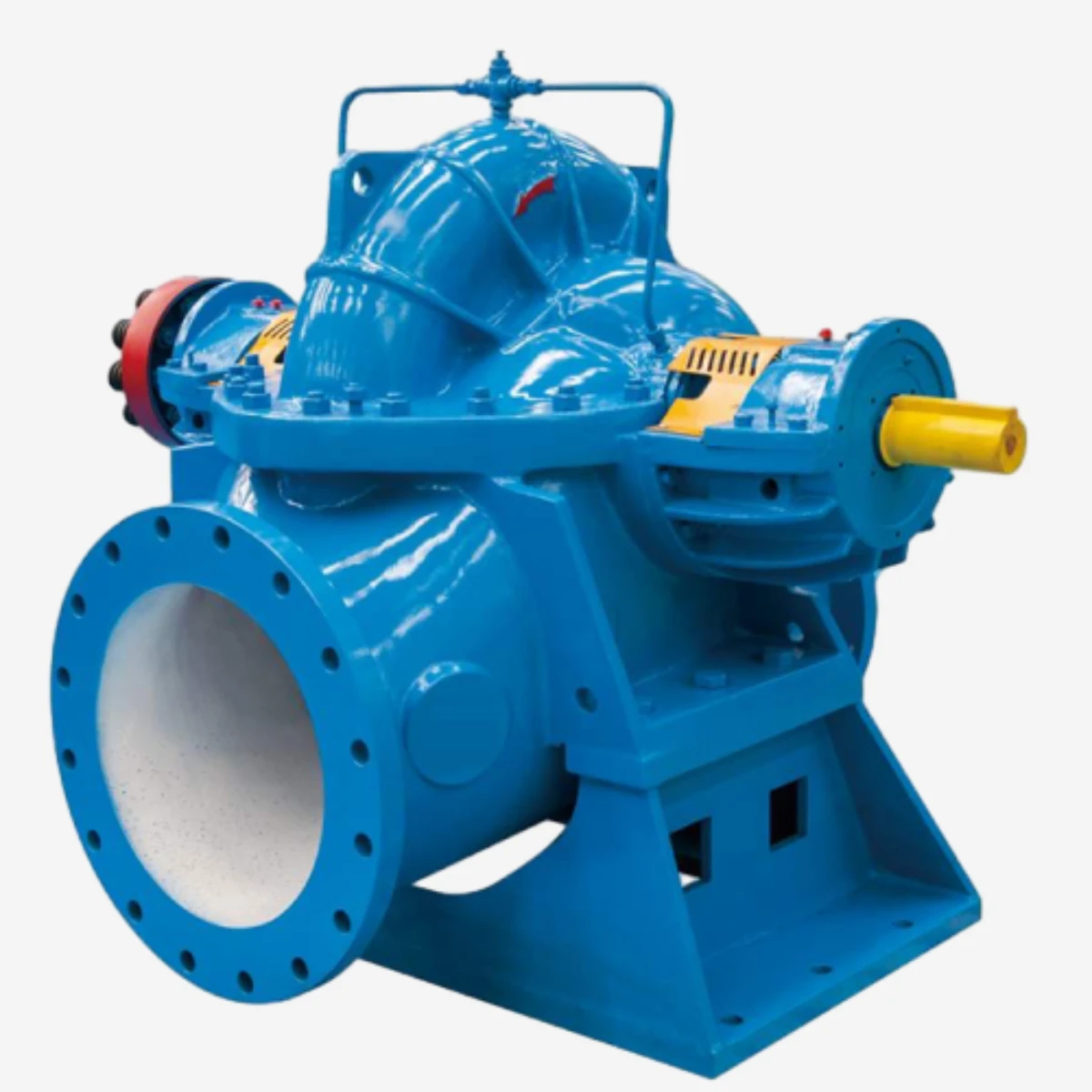
Introduction
Septic tank pump replacement is a critical maintenance procedure for residential and commercial wastewater systems. These pumps, typically submersible centrifugal or progressive cavity pumps, are essential for transferring effluent from the septic tank to the drain field. Failure to properly maintain or replace a failing pump can lead to system backups, environmental contamination, and costly repairs. This guide provides an in-depth technical overview of septic tank pump replacement, covering material science, manufacturing considerations, performance characteristics, failure modes, and relevant industry standards. The industry currently faces challenges related to pump longevity in increasingly harsh wastewater environments, often characterized by high solids content and corrosive compounds. Proper pump selection, installation, and scheduled replacement are paramount to mitigating these risks. This document aims to provide engineers, installers, and facility managers with the technical knowledge required for informed decision-making.
Material Science & Manufacturing
Septic tank pumps are constructed from materials selected for their resistance to corrosion, abrasion, and the chemical composition of wastewater. Pump housings are commonly manufactured from cast iron (ASTM A48 Class 30), stainless steel (304 or 316 – ASTM A240), or high-density polyethylene (HDPE). Cast iron provides cost-effectiveness and good structural integrity but requires a protective coating (epoxy or fusion-bonded polypropylene) to prevent corrosion from hydrogen sulfide and other corrosive agents. Stainless steel offers superior corrosion resistance, particularly grade 316 with its molybdenum content, but at a higher cost. HDPE is lightweight and highly resistant to many chemicals, but its mechanical strength is lower, limiting its application in high-head or demanding environments. Impellers, the rotating component responsible for moving the fluid, are frequently made from engineered polymers like Noryl (modified PPO) or stainless steel. Mechanical seals, crucial for preventing leakage, utilize materials like silicon carbide (SiC) against SiC or tungsten carbide (WC) against SiC for robust sealing performance. Manufacturing processes include sand casting for iron housings, investment casting for stainless steel components, and rotational molding for HDPE tanks. Critical parameter control during manufacturing involves ensuring precise dimensional tolerances for impeller-housing clearances to maximize hydraulic efficiency and minimizing porosity in castings to prevent corrosion pathways. Welding, where applicable (e.g., stainless steel components), must adhere to AWS D1.1 standards to ensure joint integrity.
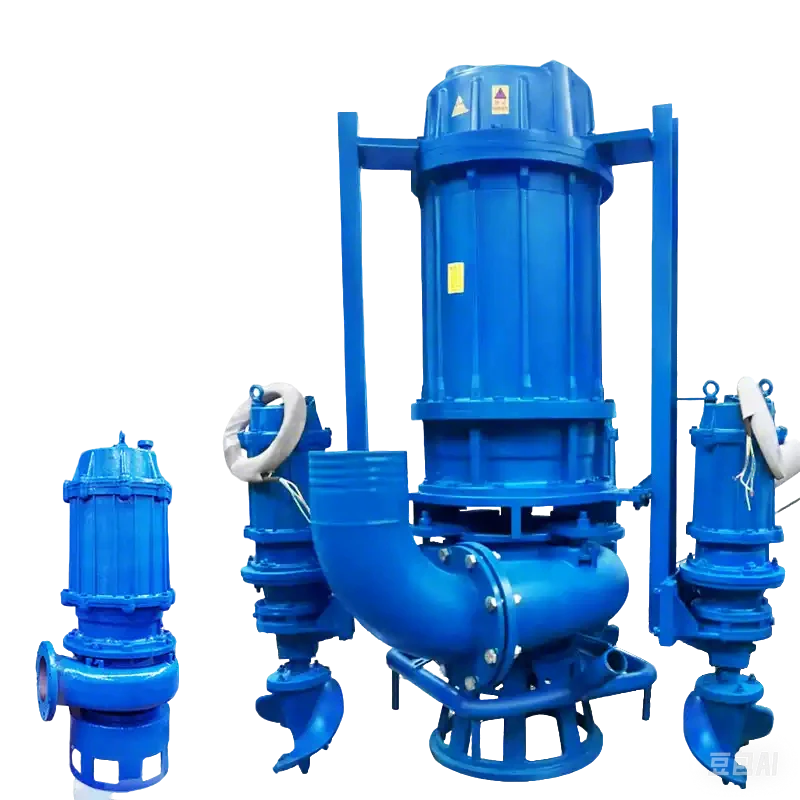
Performance & Engineering
Pump performance is dictated by several key engineering parameters. Head (the vertical distance the pump can lift the effluent) is a primary consideration, calculated using Bernoulli’s equation accounting for friction losses in the discharge piping. Flow rate (gallons per minute – GPM) determines the pump’s capacity to handle wastewater volume. Power requirements (horsepower – HP) are directly related to head and flow rate. The pump's Hydraulic Power is a critical factor. Pump curves, provided by manufacturers, illustrate the relationship between these parameters. Force analysis involves assessing the mechanical stresses on the pump components, particularly the impeller and shaft, under varying operating conditions. Environmental resistance is critical; pumps must withstand temperature fluctuations, moisture exposure, and potential submersion in corrosive wastewater. Compliance requirements include adherence to NSF/ANSI 40 standards for wastewater treatment products and UL 778 for safety. Functional implementation requires proper sizing of the pump to match the drain field’s absorption capacity and the septic tank’s inlet flow rate. An undersized pump will lead to system overload, while an oversized pump can cause premature drain field failure due to hydraulic shock. Proper electrical connections, grounding, and overcurrent protection (circuit breakers) are also vital engineering considerations, adhering to NEC standards.
Technical Specifications
| Pump Type | Maximum Head (ft) | Flow Rate (GPM) | Horsepower (HP) |
|---|---|---|---|
| Submersible Centrifugal | 80 | 100 | 1/2 |
| Submersible Centrifugal | 120 | 150 | 3/4 |
| Progressive Cavity | 60 | 80 | 1 |
| Progressive Cavity | 90 | 120 | 1.5 |
| Submersible Grinder Pump | 70 | 60 | 1/2 |
| Submersible Grinder Pump | 90 | 80 | 3/4 |
Failure Mode & Maintenance
Septic tank pumps are susceptible to several failure modes. Fatigue cracking in the impeller or housing can occur due to cyclic loading and cavitation. Delamination of epoxy coatings on cast iron housings exposes the metal to corrosion. Degradation of mechanical seals leads to leakage and pump inefficiency. Oxidation and corrosion of stainless steel components can occur in aggressive wastewater environments, particularly without proper passivation. Clogging by solids (grease, wipes, etc.) can stall the impeller and overload the motor. Electrical failures, such as winding shorts or blown capacitors, are common. Preventative maintenance is crucial. Regular inspection (every 6-12 months) should include checking for unusual noises, vibrations, and leaks. Pump-outs of the septic tank to remove accumulated solids are essential. Float switch functionality should be tested to ensure proper on/off cycling. Mechanical seals should be replaced periodically (typically every 2-3 years) based on operating hours and wastewater characteristics. In case of failure, thorough analysis of the failed component is recommended to determine the root cause and prevent recurrence. Replacing the entire pump assembly is often more cost-effective than repairing severely corroded or damaged components.
Industry FAQ
Q: What is the typical lifespan of a septic tank pump?
A: The typical lifespan of a septic tank pump is 7-10 years, but this can vary significantly depending on operating conditions, wastewater characteristics (solids content, corrosivity), and the frequency of preventative maintenance. Pumps handling high solids loads or exposed to highly corrosive environments will likely have a shorter lifespan.
Q: How do I determine the correct pump size for my system?
A: Pump sizing requires calculating the total dynamic head (TDH) which includes static head, friction losses in the piping, and pressure requirements. The required flow rate is determined by the drain field’s absorption capacity and the septic tank’s inlet flow. A qualified septic system professional can perform these calculations accurately.
Q: What is the best material for a septic tank pump housing in a corrosive environment?
A: In highly corrosive environments, 316 stainless steel is generally the best choice for the pump housing due to its superior resistance to pitting and crevice corrosion compared to 304 stainless steel or cast iron with epoxy coating.
Q: How often should I inspect the float switch?
A: The float switch should be inspected at least twice a year to ensure it is operating smoothly and correctly triggering the pump on and off. Check for obstructions or damage to the float and its linkage.
Q: What are the signs that my septic tank pump needs to be replaced?
A: Signs of a failing pump include frequent pump cycling (short cycling), unusually long run times, reduced flow rate, loud noises, vibrations, sewage backups, and an unpleasant odor near the septic tank.
Conclusion
Proper septic tank pump replacement is a crucial component of maintaining a functional and environmentally sound wastewater treatment system. The longevity and performance of these pumps are intimately tied to material selection, manufacturing precision, appropriate sizing for the application, and a proactive preventative maintenance program. Understanding the potential failure modes – from mechanical fatigue and corrosion to clogging and electrical faults – is essential for timely diagnosis and effective repair or replacement strategies.
As wastewater regulations become increasingly stringent and environmental concerns escalate, the demand for robust and reliable septic tank pumps will continue to grow. Future advancements may focus on developing more corrosion-resistant materials, improving pump efficiency, and incorporating smart technologies for remote monitoring and predictive maintenance. Investing in a high-quality pump and adhering to best practices in installation and maintenance will ultimately minimize lifecycle costs and protect public health and the environment.
-
Comprehensive Guide to Waterproof ORings for Optimal Sealing Solutions
News2026-06-09
-
drainage pumps Performance and Engineering
News2026-06-09
-
basement bathroom ejector pump Material Science
News2026-06-09
-
Sewer Ejector Pump Cost Performance Analysis
News2026-06-09
-
Septic Tank Pump Replacement Performance Analysis
News2026-06-09
-
septic sump pump Performance and Engineering
News2026-06-09
-
Septic Pump System Performance Analysis
News2026-06-08
-
pump for septic Material Science
News2026-06-08
-
basement sewer pump Performance Analysis
News2026-06-08
-
submerged pump Performance Engineering
News2026-06-08
-
Septic System Pumps Performance Analysis
News2026-06-08
-
septic system pump Material Science and Manufacturing
News2026-06-07
-
pump for septic tank Material Science Manufacturing
News2026-06-07
-
submersible sewage pump Material Science
News2026-06-07
-
Sewage Ejector Material Science and Manufacturing
News2026-06-07




