English
- Afrikaans
- Albanian
- Amharic
- Arabic
- Armenian
- Azerbaijani
- Basque
- Belarusian
- Bengali
- Bosnian
- Bulgarian
- Catalan
- Cebuano
- Corsican
- Croatian
- Czech
- Danish
- Dutch
- English
- Esperanto
- Estonian
- Finnish
- French
- Frisian
- Galician
- Georgian
- German
- Greek
- Gujarati
- Haitian Creole
- hausa
- hawaiian
- Hebrew
- Hindi
- Miao
- Hungarian
- Icelandic
- igbo
- Indonesian
- irish
- Italian
- Japanese
- Javanese
- Kannada
- kazakh
- Khmer
- Rwandese
- Korean
- Kurdish
- Kyrgyz
- Lao
- Latin
- Latvian
- Lithuanian
- Luxembourgish
- Macedonian
- Malgashi
- Malay
- Malayalam
- Maltese
- Maori
- Marathi
- Mongolian
- Myanmar
- Nepali
- Norwegian
- Norwegian
- Occitan
- Pashto
- Persian
- Polish
- Portuguese
- Punjabi
- Romanian
- Russian
- Samoan
- Scottish Gaelic
- Serbian
- Sesotho
- Shona
- Sindhi
- Sinhala
- Slovak
- Slovenian
- Somali
- Spanish
- Sundanese
- Swahili
- Swedish
- Tagalog
- Tajik
- Tamil
- Tatar
- Telugu
- Thai
- Turkish
- Turkmen
- Ukrainian
- Urdu
- Uighur
- Uzbek
- Vietnamese
- Welsh
- Bantu
- Yiddish
- Yoruba
- Zulu

Telephone: +86 13120555503
Email: frank@cypump.com


Apr . 01, 2024 17:55 Back to list
Septic Tank Pump Price Performance Analysis
Introduction
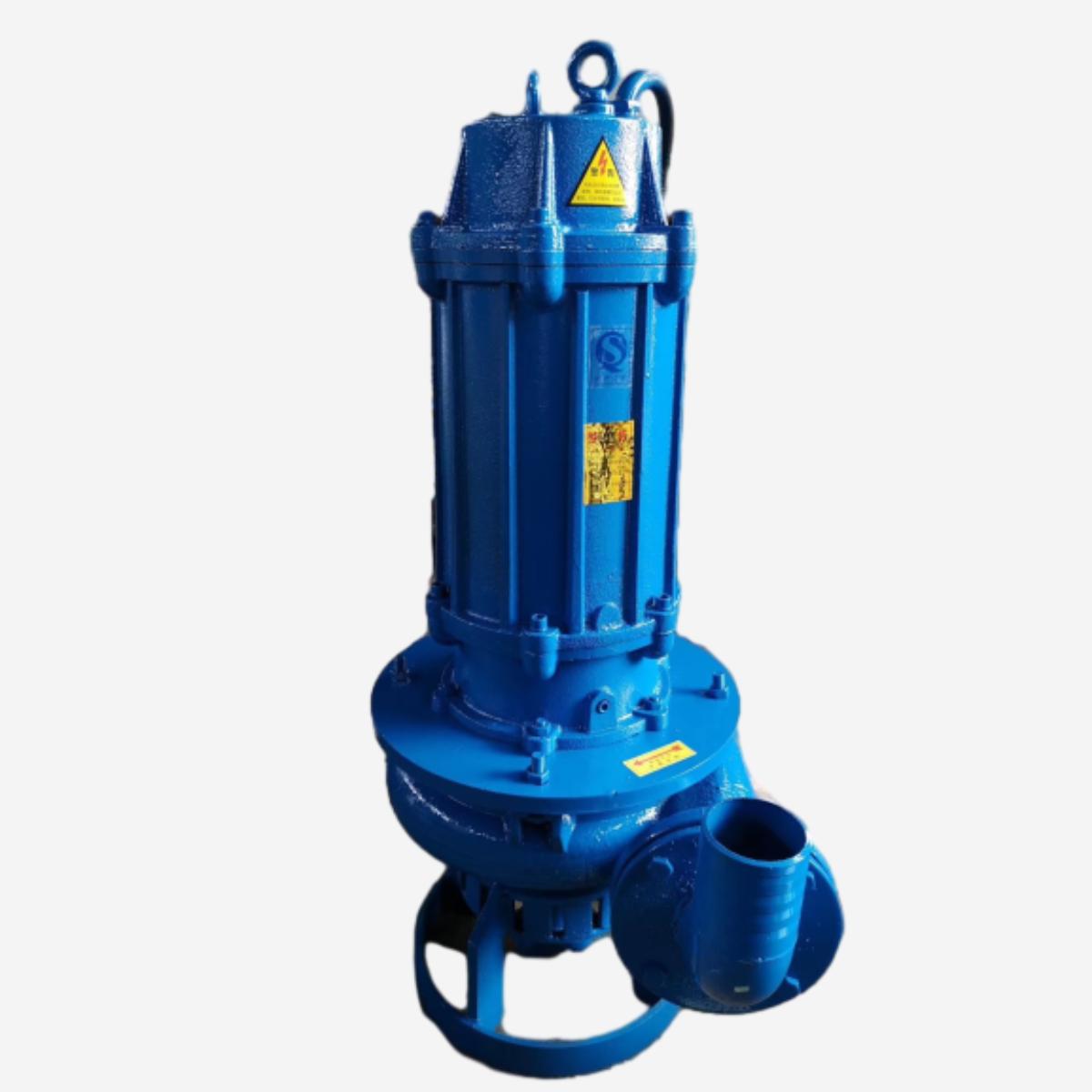
Septic tank pumps, crucial components within wastewater treatment systems, facilitate the transfer of effluent from septic tanks to drain fields. Their price varies considerably based on pump type, flow rate, horsepower, materials of construction, and control mechanisms. This guide provides a comprehensive technical overview of septic tank pumps, encompassing material science, manufacturing processes, performance characteristics, failure modes, and relevant industry standards. The industry faces ongoing challenges regarding pump longevity in corrosive environments, energy efficiency, and compliance with increasingly stringent effluent discharge regulations. Selection must account for the specific soil conditions, hydraulic head, and anticipated wastewater volume to ensure reliable and efficient system operation. This guide is geared toward procurement managers, engineers, and maintenance personnel requiring a detailed understanding of septic tank pump technology.
Material Science & Manufacturing
Septic tank pumps commonly utilize cast iron, stainless steel (304, 316), and engineered polymers in their construction. Cast iron, while cost-effective, is susceptible to corrosion, particularly in anaerobic environments rich in hydrogen sulfide. Stainless steel, specifically 316, offers superior corrosion resistance due to its molybdenum content, making it the preferred material for pump housings and impellers exposed to wastewater. Engineered polymers, like polypropylene and PVC, are used for components requiring resistance to chemical attack and abrasion. Impellers are often manufactured via investment casting or centrifugal casting to ensure precise geometry and hydraulic efficiency. Pump housings are typically produced through sand casting or shell molding, demanding rigorous quality control to minimize porosity and ensure structural integrity. Motor housings generally employ die-cast aluminum for thermal conductivity and lightweight properties. Sealing materials, such as Viton or EPDM, are selected based on their chemical compatibility with wastewater constituents and ability to maintain a hermetic seal. Welding processes utilized include shielded metal arc welding (SMAW) and gas tungsten arc welding (GTAW) for joining metallic components, requiring qualified welders and adherence to AWS D1.1 standards. The manufacturing of the pump shaft requires precision machining to ensure concentricity and balance, minimizing vibration and bearing wear.
Performance & Engineering
Pump performance is primarily characterized by flow rate (gallons per minute – GPM) and total dynamic head (TDH), measured in feet. TDH represents the total resistance to flow, encompassing static lift, friction losses in piping, and pressure at the discharge point. Pump selection requires accurate calculation of TDH based on the system's layout and anticipated flow rates. Force analysis focuses on shear stress on the impeller, tensile stress on the shaft, and compressive stress on the pump housing. Finite Element Analysis (FEA) is frequently employed during the design phase to optimize structural integrity and minimize stress concentrations. Environmental resistance considerations include resistance to corrosion from hydrogen sulfide, sulfates, and chlorides present in wastewater. Pump curves, generated through hydraulic testing, depict the relationship between flow rate and TDH, allowing for optimal pump selection. Motor efficiency is a critical factor impacting energy consumption, with higher efficiency motors reducing operating costs. Control systems, ranging from simple float switches to variable frequency drives (VFDs), regulate pump operation based on liquid level and demand. Compliance requirements include adherence to NSF/ANSI 40 standards for wastewater treatment products and local plumbing codes regarding discharge permits.
Technical Specifications
| Parameter | Submersible Pump (1/2 HP) | Centrifugal Pump (3/4 HP) | Diaphragm Pump (1 HP) | Grinder Pump (1 HP) |
|---|---|---|---|---|
| Flow Rate (GPM) | 40-60 | 60-80 | 30-50 | 50-70 |
| Total Dynamic Head (ft) | 20-30 | 30-40 | 25-35 | 40-50 |
| Motor Horsepower | 0.5 HP | 0.75 HP | 1 HP | 1 HP |
| Impeller Material | Cast Iron | 316 Stainless Steel | Polypropylene | Hardened Steel |
| Housing Material | Cast Iron | 316 Stainless Steel | Polypropylene | Cast Iron |
| Solids Handling Capacity (in) | 1/2 | 1 | 1/4 | 1 |
Failure Mode & Maintenance
Common failure modes include impeller wear due to abrasive solids, bearing failure from lack of lubrication or overloading, seal failure leading to leakage, and motor burnout from overheating or voltage fluctuations. Corrosion, particularly in cast iron components, is a significant contributor to pump degradation. Fatigue cracking can occur in the pump shaft due to cyclical loading. Delamination of polymer coatings can compromise corrosion resistance. Oxidation of electrical components can lead to motor failure. Preventative maintenance involves regular inspection of seals, bearings, and impellers. Lubrication of bearings is crucial, utilizing grease compatible with the operating environment. Periodic cleaning of the pump intake screen prevents clogging. Voltage and current should be monitored to identify potential motor issues. Hydrogen sulfide buildup can be mitigated by adequate ventilation and the use of corrosion-resistant materials. For diaphragm pumps, diaphragm replacement is a routine maintenance task. In grinder pumps, regular inspection of the grinding mechanism is essential to prevent jamming. A comprehensive maintenance log should be maintained to track repairs and replacements.
Industry FAQ
Q: What is the primary difference between a submersible and a centrifugal septic tank pump in terms of application suitability?
A: Submersible pumps are designed to operate fully submerged in the wastewater, making them ideal for tanks with limited space and deeper installations. Centrifugal pumps, conversely, require a dry installation and are best suited for applications where accessibility for maintenance is paramount and the lift height is moderate. The higher initial cost of submersible pumps is often offset by their efficiency in confined spaces.
Q: How does the choice of impeller material impact the long-term cost of ownership?
A: Impeller material directly affects the pump's resistance to corrosion and abrasion. While cast iron impellers are initially cheaper, their susceptibility to corrosion leads to frequent replacement, increasing lifetime costs. Stainless steel (316) impellers offer superior durability and reduce the frequency of replacements, resulting in lower long-term operating expenses, despite the higher upfront investment.
Q: What role does a VFD play in optimizing septic tank pump performance and energy consumption?
A: A Variable Frequency Drive (VFD) allows precise control of the pump’s motor speed, matching the flow rate to the actual demand. This prevents over-pumping, reduces energy consumption, and minimizes wear and tear on the pump components. VFDs are particularly beneficial in systems with fluctuating wastewater levels.
Q: What preventative measures can be taken to mitigate hydrogen sulfide corrosion within a septic tank pump system?
A: Hydrogen sulfide (H2S) corrosion can be minimized by using corrosion-resistant materials like 316 stainless steel, ensuring adequate ventilation in the septic tank to dissipate H2S gas, and employing chemical dosing systems to neutralize the gas. Regular inspection and coating of metallic components can also provide additional protection.
Q: What are the key considerations when selecting a pump for a system with significant solids content?
A: For systems handling significant solids, a grinder pump is often the preferred choice as it macerates solids before pumping, preventing clogging. If a grinder pump isn't feasible, selecting a pump with a large solids handling capacity and a robust impeller design is critical. Regular inspection and cleaning of the pump intake are essential to remove accumulated solids.
Conclusion
The selection of a septic tank pump requires a comprehensive understanding of wastewater characteristics, system hydraulics, and material compatibility. The price point alone should not be the primary determinant; rather, lifecycle cost analysis, encompassing initial investment, maintenance requirements, and energy consumption, is crucial for making an informed decision. Choosing a pump constructed from corrosion-resistant materials, coupled with a proactive maintenance program, ensures long-term reliability and minimizes operational expenses.
Future advancements in septic tank pump technology will likely focus on improved energy efficiency through optimized hydraulic designs and intelligent control systems. The integration of remote monitoring and diagnostic capabilities will enable predictive maintenance and minimize downtime. Continued research into advanced materials and coatings will further enhance corrosion resistance and extend pump lifespan. Adherence to evolving industry standards and regulations will be paramount in ensuring environmentally responsible wastewater management.
-
Precision at the Pump: How Better Machining Protects Flow and Uptime
News2026-11-20
-
Why Pump Reliability Begins Before the First Drop of Fluid
News2026-11-20
-
Beyond the Pump: Designing Safer Access Around Critical Water Infrastructure
News2026-11-20
-
Why Pumping Stations Depend on the Infrastructure Beneath the Pumps
News2026-11-20
-
Beyond the Pump Room: How Smarter Loading Protects Industrial Equipment
News2026-11-19
-
When Pumps Stop: Designing More Resilient Power for Critical Pumping Systems
News2026-11-19
-
The Hidden Role of Dust and Gas Monitoring in Reliable Pump Operations
News2026-11-19
-
The Hidden Role of Mineral Compounds in Extending Industrial Pump Lifespan
News2026-10-12
-
Why Pump System Reliability Depends on Precision Hose Assembly Methods
News2026-09-15
-
How Advanced Imaging Films Are Transforming Pump Component Quality Control
News2026-08-25
-
How Advanced Filtration Protects Pump Systems from Premature Wear and Costly Downtime
News2026-08-25
-
How Steel Material Selection Drives Pump Reliability in Heavy-Duty Systems
News2026-08-25
-
Ensuring Pump System Efficiency: The Role of High-Quality Pipe Fittings and Tubing
News2026-08-24
-
Optimizing Fluid Dynamics and Material Consistency in Industrial Processing
News2026-08-18
-
Innovations and Challenges in Hydraulic Systems for Heavy Machinery
News2026-08-13




