English
- Afrikaans
- Albanian
- Amharic
- Arabic
- Armenian
- Azerbaijani
- Basque
- Belarusian
- Bengali
- Bosnian
- Bulgarian
- Catalan
- Cebuano
- Corsican
- Croatian
- Czech
- Danish
- Dutch
- English
- Esperanto
- Estonian
- Finnish
- French
- Frisian
- Galician
- Georgian
- German
- Greek
- Gujarati
- Haitian Creole
- hausa
- hawaiian
- Hebrew
- Hindi
- Miao
- Hungarian
- Icelandic
- igbo
- Indonesian
- irish
- Italian
- Japanese
- Javanese
- Kannada
- kazakh
- Khmer
- Rwandese
- Korean
- Kurdish
- Kyrgyz
- Lao
- Latin
- Latvian
- Lithuanian
- Luxembourgish
- Macedonian
- Malgashi
- Malay
- Malayalam
- Maltese
- Maori
- Marathi
- Mongolian
- Myanmar
- Nepali
- Norwegian
- Norwegian
- Occitan
- Pashto
- Persian
- Polish
- Portuguese
- Punjabi
- Romanian
- Russian
- Samoan
- Scottish Gaelic
- Serbian
- Sesotho
- Shona
- Sindhi
- Sinhala
- Slovak
- Slovenian
- Somali
- Spanish
- Sundanese
- Swahili
- Swedish
- Tagalog
- Tajik
- Tamil
- Tatar
- Telugu
- Thai
- Turkish
- Turkmen
- Ukrainian
- Urdu
- Uighur
- Uzbek
- Vietnamese
- Welsh
- Bantu
- Yiddish
- Yoruba
- Zulu

Telephone: +86 13120555503
Email: frank@cypump.com


Apr . 01, 2024 17:55 Back to list
septic tank pump for sale Performance Engineering
Introduction
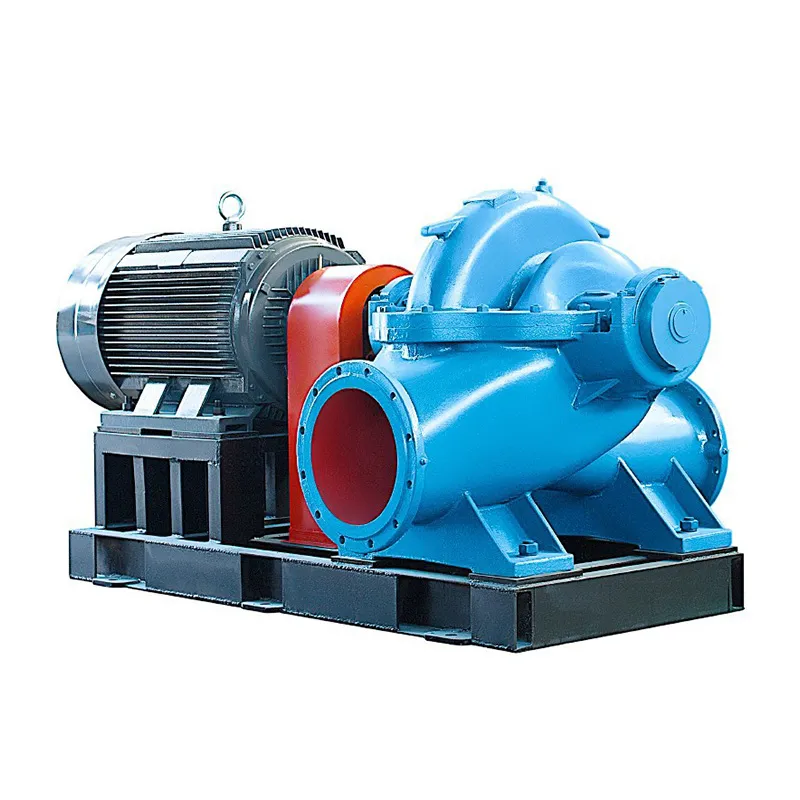
Septic tank pumps, integral components of decentralized wastewater treatment systems, are engineered for the reliable transfer of effluent from septic tanks to leach fields or further treatment processes. These pumps address the limitations of gravity-fed systems, particularly in challenging topographical conditions or with increased hydraulic head. Their technical positioning within the wastewater industry chain lies between the primary treatment stage (septic tank) and the secondary treatment/soil absorption system. Core performance characteristics include flow rate, total dynamic head (TDH), solids handling capability, and energy efficiency. Modern septic tank pumps leverage a range of technologies, including centrifugal, vortex impeller, and grinder pump designs to optimize performance and minimize maintenance requirements. The selection of an appropriate pump is critically dependent on system size, soil permeability, and local regulatory requirements. The current market faces challenges related to energy consumption, pump longevity in corrosive environments, and alarm system reliability, driving innovation toward more robust and intelligent pump solutions.
Material Science & Manufacturing
The construction of septic tank pumps relies on a combination of materials selected for corrosion resistance, durability, and mechanical strength. Pump housings are commonly manufactured from engineered thermoplastics (Polypropylene, HDPE) offering excellent chemical resistance to the aggressive environment within a septic tank, which includes sulfates, hydrogen sulfide, and organic acids. Impellers are often cast in stainless steel (304 or 316 grade) providing both strength and corrosion resistance. Shafts are frequently composed of 410 stainless steel, hardened for wear resistance. Seals are critical; Viton or EPDM elastomers are frequently employed due to their compatibility with wastewater and ability to maintain a tight seal under varying temperature and pressure conditions. Manufacturing processes vary with component complexity. Pump housings often utilize rotational molding for large, complex shapes, ensuring uniform wall thickness. Impellers are produced via investment casting or sand casting, followed by precision machining. Shafts are typically manufactured via bar stock machining and heat treatment. Quality control is paramount, involving hydrostatic testing to verify housing integrity, impeller balancing to minimize vibration, and seal testing to ensure leak-free operation. Critical parameters during manufacturing include dimensional accuracy of impeller blades, surface finish to reduce friction, and proper torqueing of fasteners to prevent loosening in service. Weld integrity, if utilized, is verified through non-destructive testing (NDT) methods such as dye penetrant inspection.
Performance & Engineering
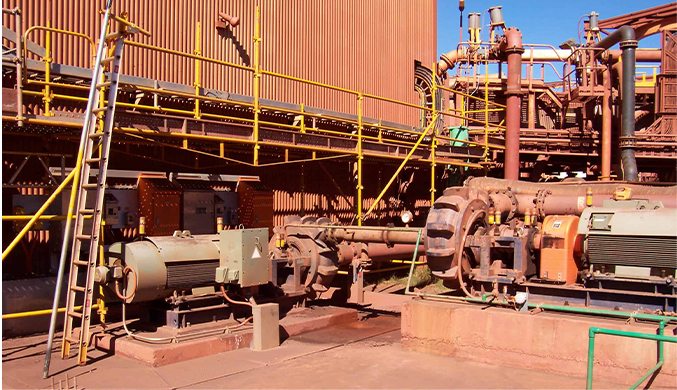
Septic tank pump performance is governed by hydraulic principles, specifically Bernoulli's equation and the affinity laws. Flow rate (Q) is directly proportional to pump speed (N) and impeller diameter (D), and inversely proportional to the impeller's width. Total Dynamic Head (TDH), the effective vertical lift a pump can achieve, is a function of static head (vertical distance), friction losses in piping, and velocity head. Force analysis considers impeller centrifugal force, hydraulic thrust, and bearing loads. Environmental resistance is critical, particularly resistance to corrosion from hydrogen sulfide and other degradation agents in septic effluent. Pump materials must withstand continuous immersion in a chemically active environment. Compliance requirements include certifications from NSF International (National Sanitation Foundation) to ensure the pump meets standards for potable water safety and wastewater treatment applications. Electrical components must comply with UL and CSA safety standards. Functional implementation necessitates careful consideration of pump sizing. Oversizing leads to inefficient operation and potential solids buildup. Undersizing results in inadequate effluent transfer and system failure. Pump control systems, including float switches and pressure transducers, are engineered to automatically cycle the pump based on liquid level, preventing dry-running and overflow conditions. Proper venting is essential to prevent air locking and maintain efficient pump operation. Selection of pump curves – graphical representations of flow rate versus head – is crucial for matching pump performance to specific application requirements.
Technical Specifications
| Parameter | Unit | Typical Range - Residential | Typical Range - Commercial |
|---|---|---|---|
| Flow Rate | Gallons Per Minute (GPM) | 20-40 | 50-150 |
| Total Dynamic Head (TDH) | Feet | 10-30 | 30-100 |
| Horsepower (HP) | HP | 1/2 - 1 | 1-5 |
| Solids Handling Capability | Inches | Up to 1/2" Spherical | Up to 2" Spherical |
| Voltage | Volts | 115/230 VAC | 230/460 VAC |
| Phase | Single Phase | Three Phase |
Failure Mode & Maintenance
Septic tank pump failures commonly stem from several modes. Fatigue cracking can occur in impeller blades due to repeated stress from solids impact. Delamination of the impeller or pump housing can arise from material defects or prolonged exposure to corrosive chemicals. Seal failure is a frequent issue, leading to leakage and motor damage. Cavitation, caused by vapor bubbles forming within the pump due to low inlet pressure, erodes impeller surfaces. Bearing failure results from insufficient lubrication or contamination. Motor burnout occurs from overheating due to dry running or electrical faults. Oxidation of metal components accelerates corrosion. Preventive maintenance is crucial. Regular inspection of seals for wear and tear, cleaning of pump intakes to remove debris, and monitoring of motor amperage are essential. Scheduled lubrication of bearings extends their lifespan. Periodic flushing of the pump housing removes accumulated solids. Alarm system testing ensures proper functionality. In case of failure, a thorough failure analysis should be conducted to determine the root cause and prevent recurrence. Replacement of worn components with OEM-specified parts ensures compatibility and maintains pump performance. When replacing a pump, verify proper sizing for the application and confirm compatibility with the existing control system.
Industry FAQ
Q: What is the typical lifespan of a septic tank pump, and what factors influence it?
A: The typical lifespan of a septic tank pump ranges from 5 to 10 years. Factors influencing lifespan include the pump’s quality, the chemical composition of the wastewater, the solids content in the effluent, the frequency of pump cycling, and the effectiveness of preventive maintenance. Pumps handling high solids loads or exposed to highly corrosive environments will generally have shorter lifespans.
Q: How do I determine the correct pump size for my septic system?
A: Correct pump sizing requires calculating the total dynamic head (TDH) and the required flow rate. TDH includes static head (vertical lift) and friction losses in the piping. Flow rate is determined by the design flow of the system, which depends on the number of bedrooms in the house and local regulations. Pump curves should be consulted to select a pump that delivers the required flow at the calculated TDH.
Q: What are the benefits of using a grinder pump versus a standard effluent pump?
A: Grinder pumps macerate solids before pumping, allowing for smaller diameter piping and greater flexibility in system design. They are particularly beneficial when pumping over long distances or uphill. Standard effluent pumps are suitable for systems with minimal solids and relatively short piping runs. However, grinder pumps consume more energy and require more frequent maintenance due to the grinding action.
Q: What are common causes of pump failure and how can they be prevented?
A: Common causes include seal failure, impeller damage from solids, motor burnout, and cavitation. Prevention involves regular maintenance, including cleaning pump intakes, inspecting seals, lubricating bearings, and ensuring proper venting. Installing a pump filter can help prevent solids from entering the pump.
Q: What safety precautions should be taken when working with septic tank pumps?
A: Always disconnect power to the pump before performing any maintenance. Wear appropriate personal protective equipment (PPE), including gloves, eye protection, and a respirator if necessary. Be aware of the potential for hazardous gases (e.g., hydrogen sulfide) in the septic tank. Follow all local electrical codes and regulations. If you are not comfortable performing maintenance yourself, consult a qualified professional.
Conclusion
Septic tank pumps represent a critical, yet often overlooked, component of decentralized wastewater management. Effective pump selection and ongoing maintenance are paramount to ensure reliable effluent transfer and prevent system failures. Understanding the underlying material science, hydraulic principles, and potential failure modes is essential for both installers and end-users. Advancements in pump technology continue to focus on improving energy efficiency, extending pump lifespan, and enhancing diagnostic capabilities.
Future developments will likely center on smart pump systems incorporating remote monitoring, predictive maintenance algorithms, and optimized pump control strategies. The increasing emphasis on sustainable wastewater management will drive demand for pumps with reduced energy consumption and minimal environmental impact. Compliance with evolving regulatory standards will necessitate the adoption of advanced pump technologies and robust quality control procedures.
-
Comprehensive Guide to Waterproof ORings for Optimal Sealing Solutions
News2026-06-09
-
submergable pump Material Science
News2026-06-23
-
sewer injection pump Performance Engineering
News2026-06-23
-
Sewer Ejector Pump System Performance Analysis
News2026-06-23
-
septic tank pump for sale Performance Engineering
News2026-06-23
-
septic pump for sale Performance Engineering
News2026-06-23
-
septic ejector system Performance Analysis
News2026-06-22
-
replace septic pump Performance Analysis
News2026-06-22
-
pump system septic tank Performance Analysis
News2026-06-22
-
lift pump for sewer Performance and Engineering
News2026-06-22
-
industrial submersible water pump Material Science
News2026-06-22
-
industrial submersible pumps Material Science and Manufacturing
News2026-06-21
-
best sewer ejector pump Performance Analysis
News2026-06-21
-
best septic pump Performance Analysis
News2026-06-21
-
1 2 hp septic pump Performance Engineering
News2026-06-21




